25 Wabi Sabi Living Room Ideas: Embrace Natural Beauty & Timeless Charm
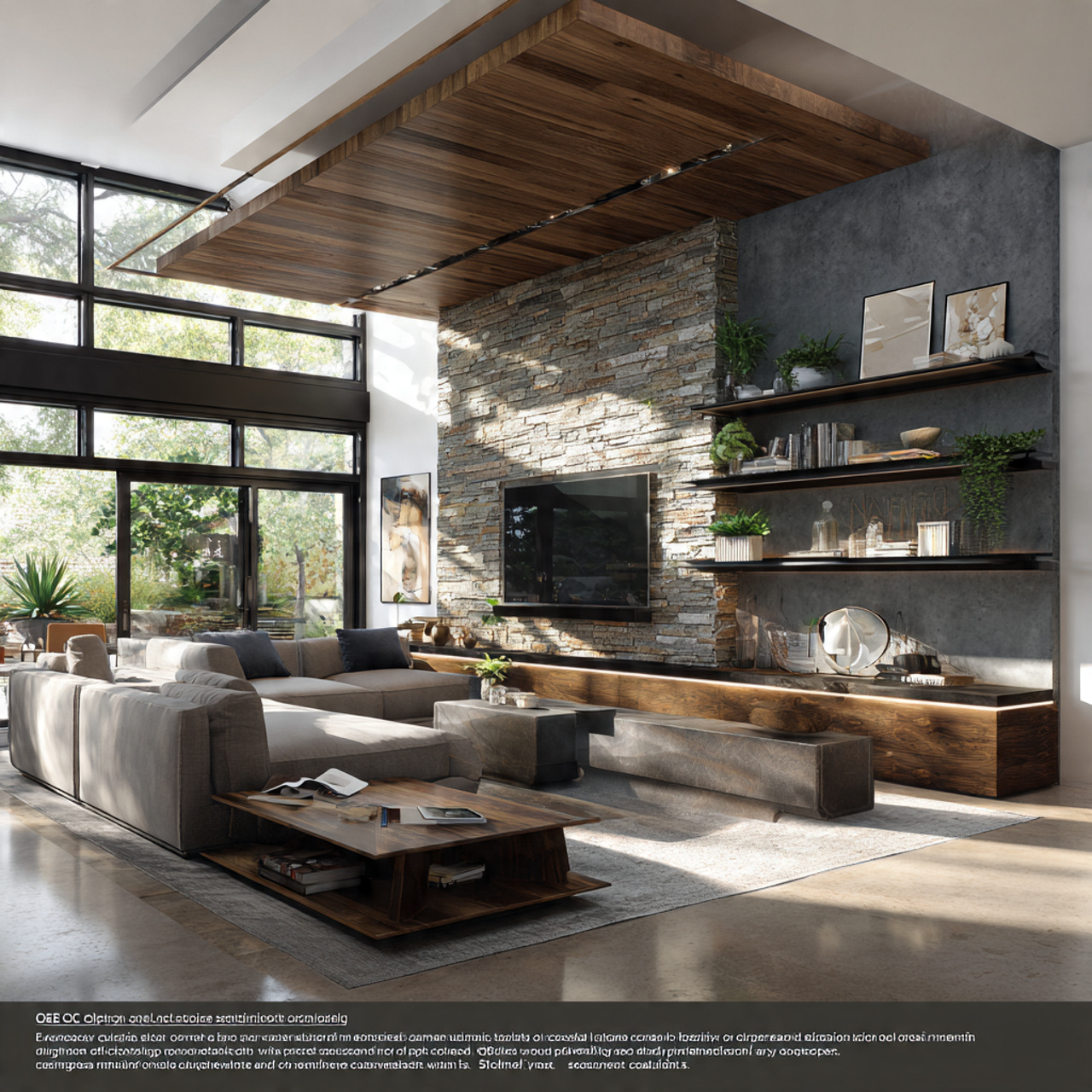
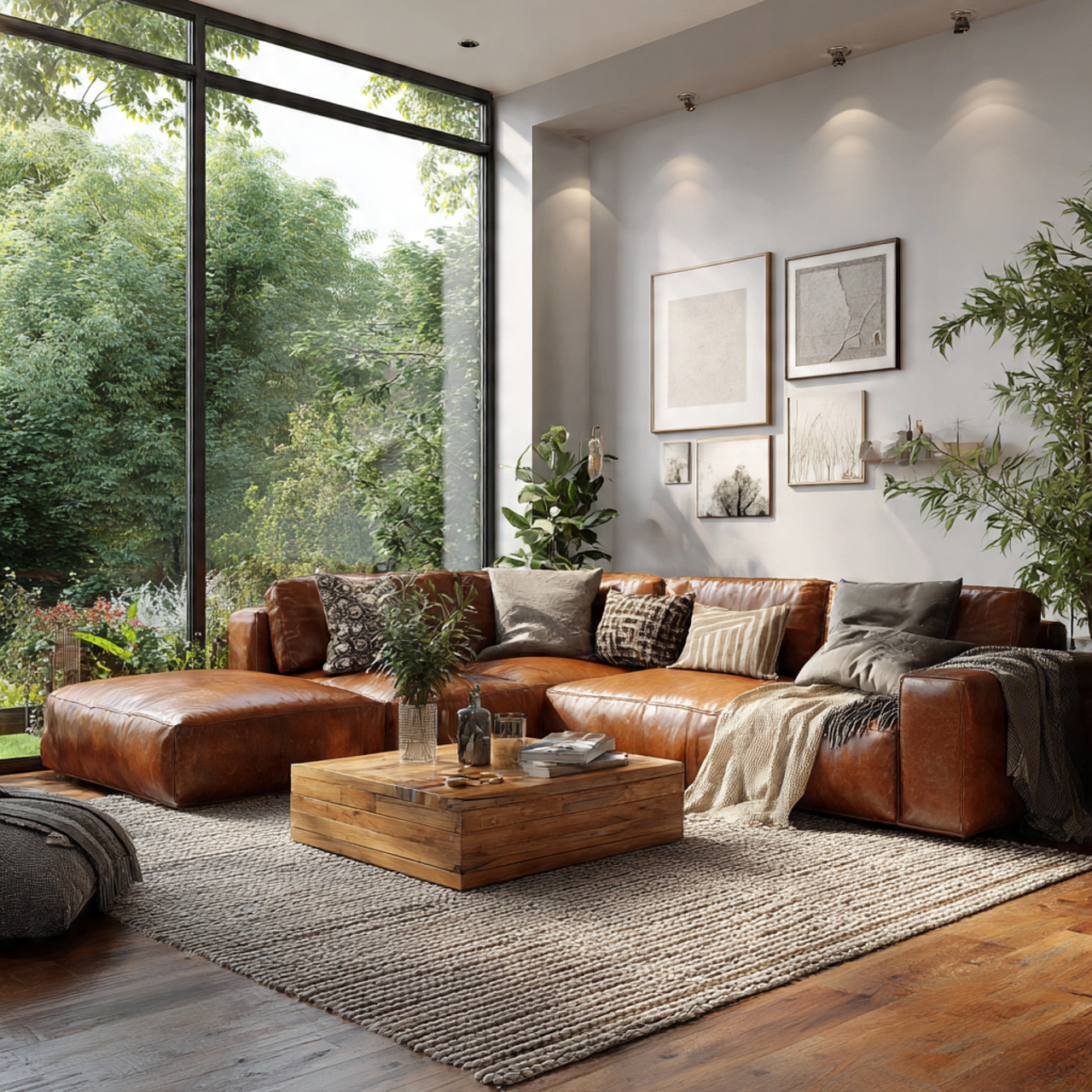
Wabi sabi living room ideas offer a profound shift in perspective, inviting homeowners to find beauty within the natural cycle of growth and decay. This creative approach celebrates the organic textures and softened edges that emerge when we prioritize authenticity over the pursuit of manufactured perfection.
By embracing this ancient Japanese philosophy, you can transform your space into a sanctuary of quiet inspiration and artistic depth. These varied design concepts focus on the soulful connection between a home and its inhabitants, encouraging a curated environment that feels both timeless and deeply personal.
Best Wabi Sabi Living Room Ideas for an Authentic Home
Wabi sabi living room ideas encompass a vast range of aesthetic choices that highlight the charm of imperfection and the passage of time. These concepts explore how raw materials and thoughtful placement can evoke a sense of serenity, providing a wealth of inspiration for those seeking a more mindful living environment.
From the tactile appeal of weathered wood to the soft glow of diffused light, these creative directions help you build a space that feels lived-in and loved. Each idea presented here serves as a starting point for crafting a unique interior that honors the natural world and the beauty of the everyday.
Reclaimed Timber Coffee Table
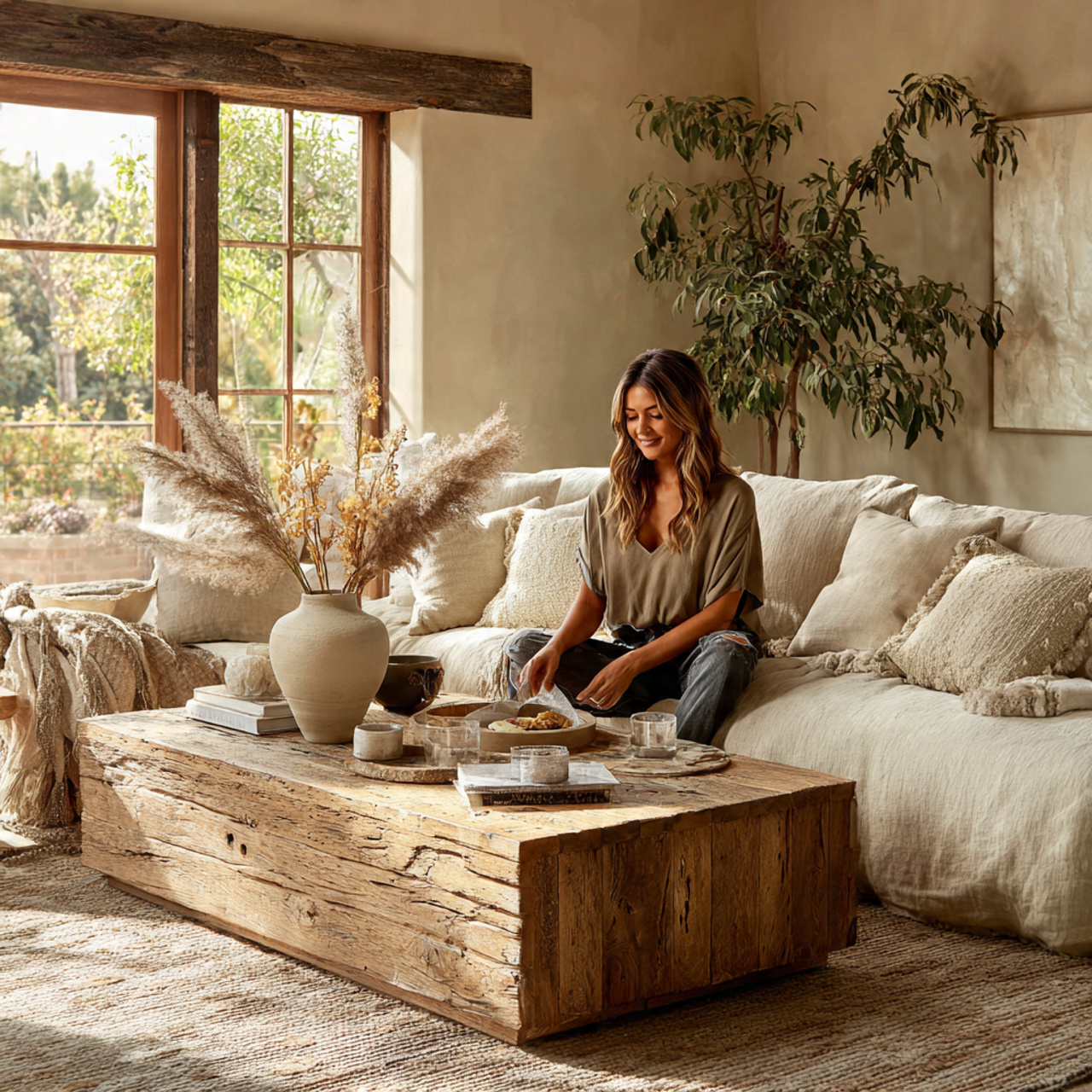
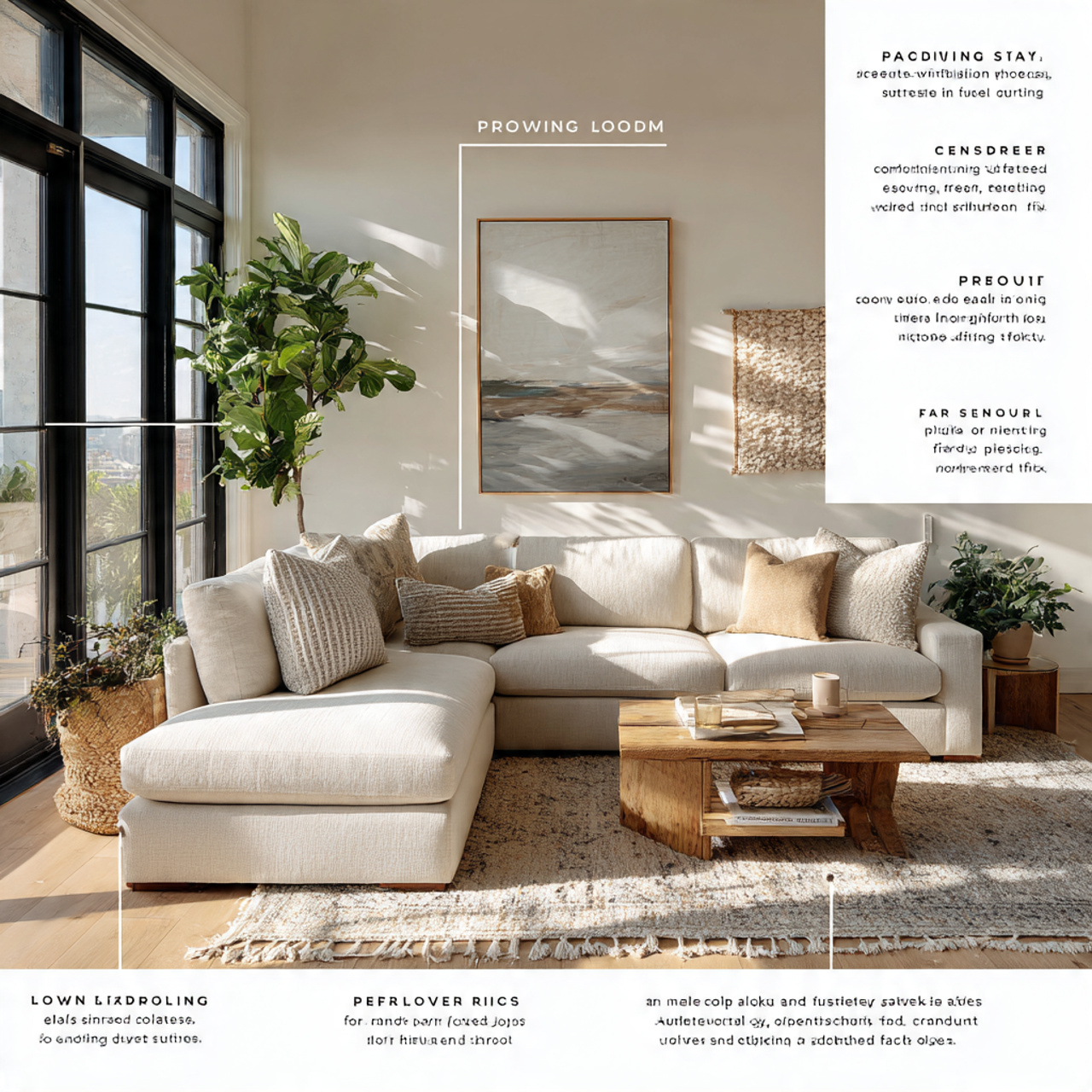
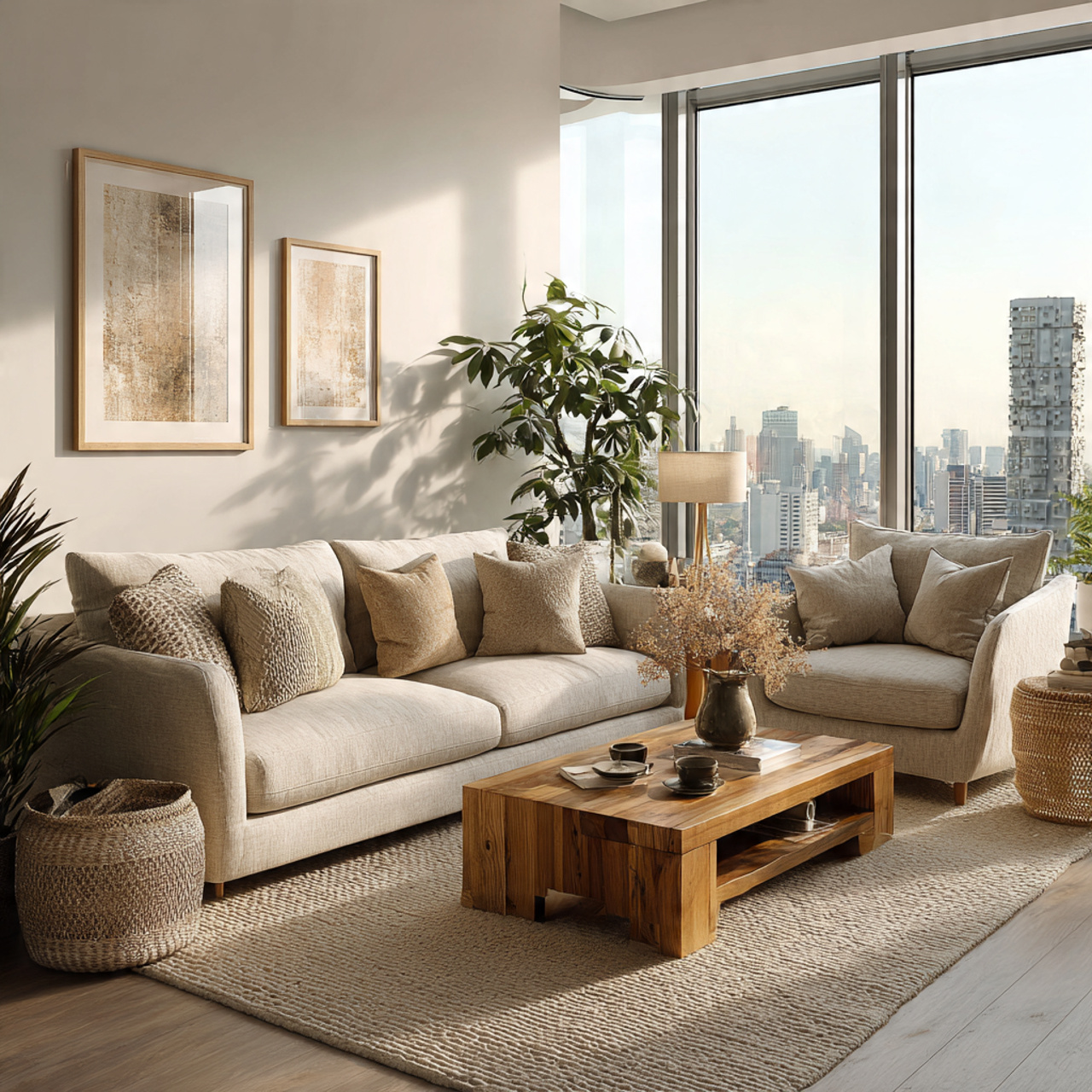
A reclaimed timber coffee table serves as a grounding centerpiece that tells a story of survival and transformation through its deep grain and visible knots. The scars and notches in the wood act as a visual history, reminding us that items with a past carry more weight and meaning than those fresh off a factory line.
Integrating such a piece allows for a tactile connection to nature right in the center of your seating area. Its sturdy presence provides a structural anchor while its uneven surfaces invite the hand to trace the path of the tree’s original growth.
Handcrafted Asymmetrical Ceramics
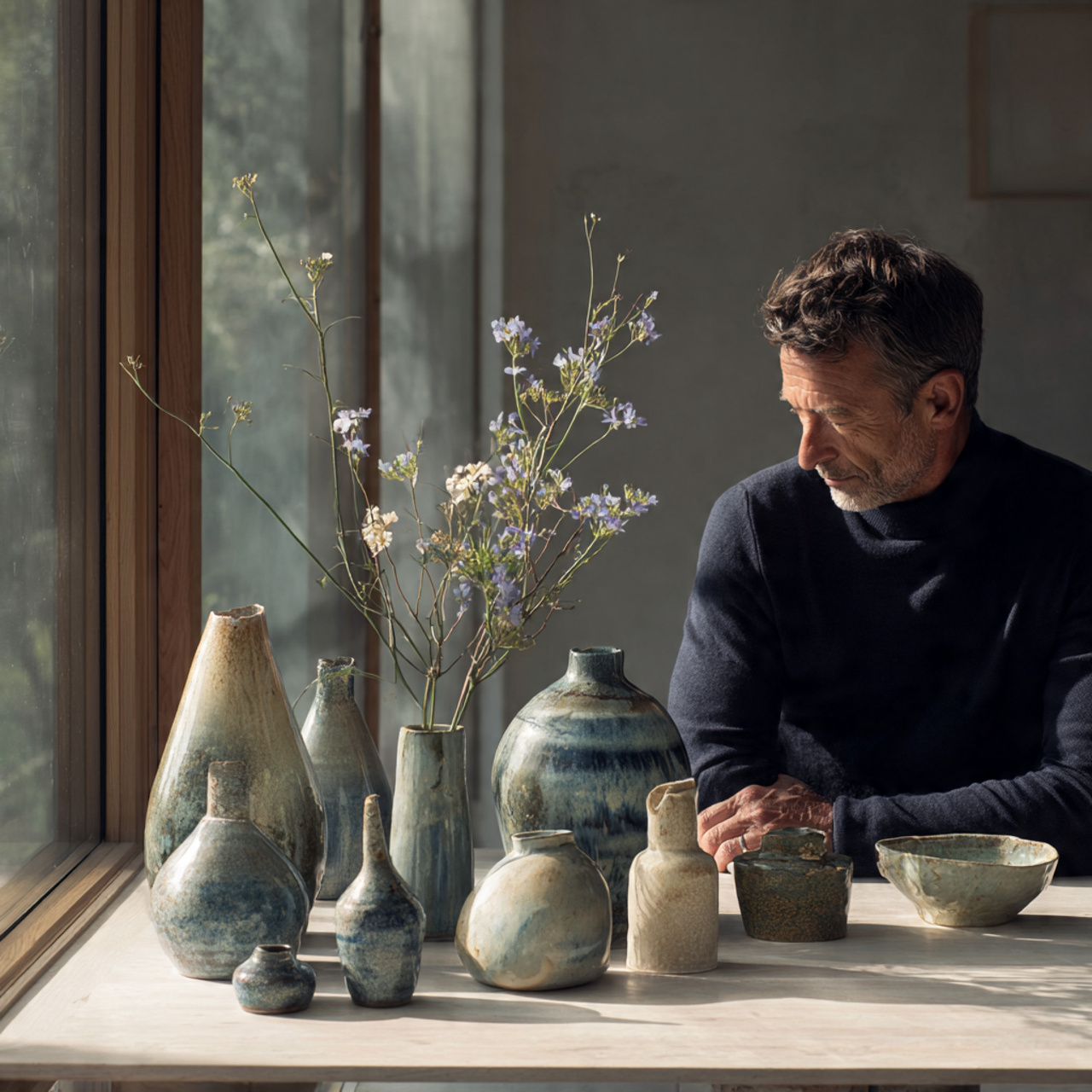
Handcrafted asymmetrical ceramics introduce a sense of human touch and intentionality to your shelving or tabletops. Unlike mass-produced pottery, these pieces boast slight wobbles and uneven glazes that reflect the artist’s hands and the unpredictable nature of the kiln.
Displaying these vessels encourages an appreciation for the “flaws” that make an object unique. Whether used to hold a single bloom or left empty as a sculptural statement, they embody the spirit of finding grace in things that are physically incomplete or irregular.
Raw Linen Drapery
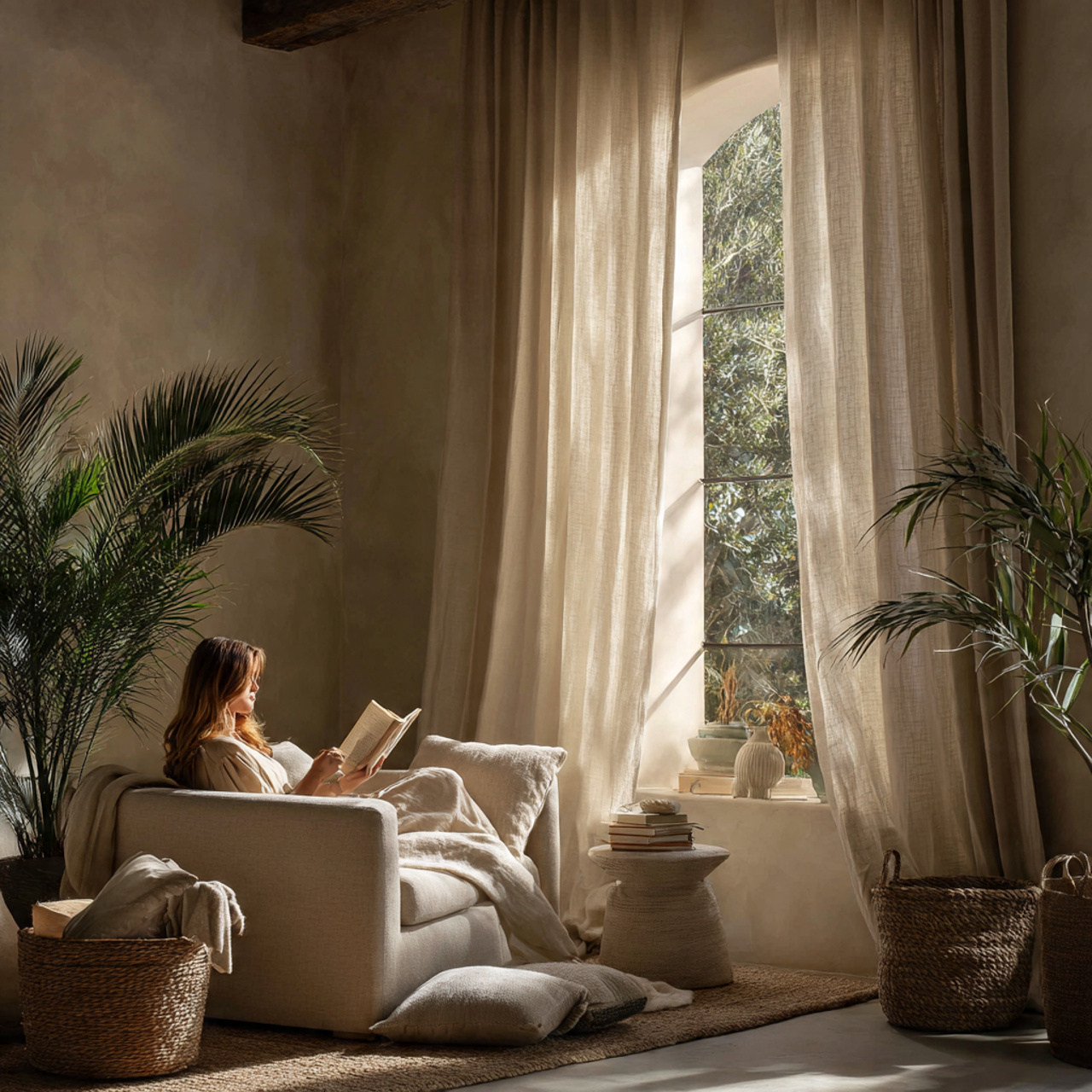
Raw linen drapery brings a soft, breathable quality to the windows, allowing natural light to filter through in a gentle and diffused manner. The inherent wrinkles in the fabric are not something to be ironed away but rather celebrated as a sign of the material’s natural state and ease.
Choosing neutral tones like oatmeal or charcoal ensures the fabric blends seamlessly with the architecture while adding a layer of sophisticated texture. These curtains sway with the slightest breeze, adding a kinetic element of calm to the overall atmosphere of the room.
Oxidized Metal Accents
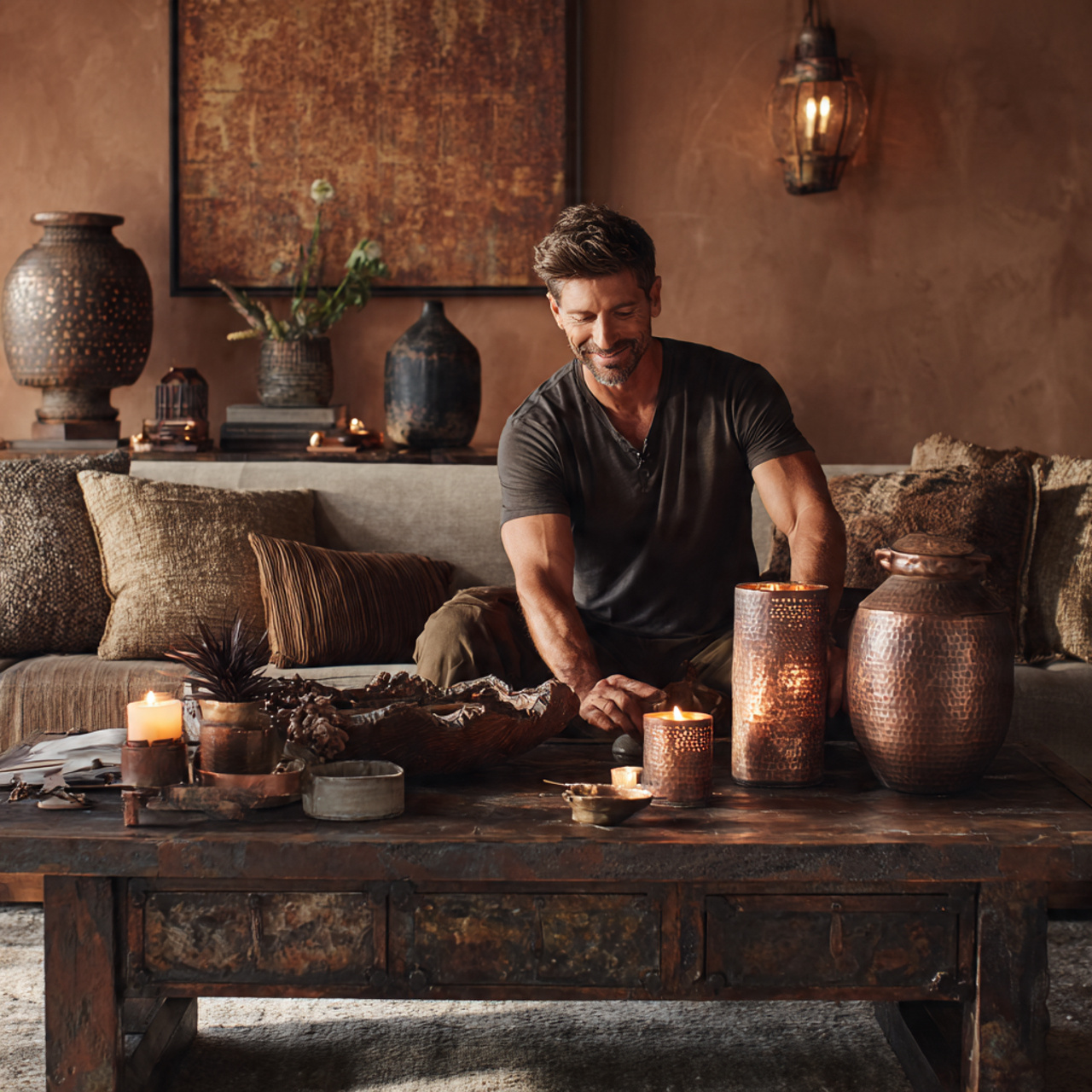
Oxidized metal accents, such as iron sconces or copper trays, introduce the beauty of chemical transformation into the home. The green patina of copper or the darkened matte finish of aged iron suggests a life lived in the presence of air and moisture over many years.
These elements provide a necessary contrast to softer textiles, offering a rugged and industrial edge that still feels organic. Using metal that hasn’t been polished to a mirror shine keeps the focus on the material’s integrity rather than its ability to reflect.
Distressed Plaster Wall Finishes
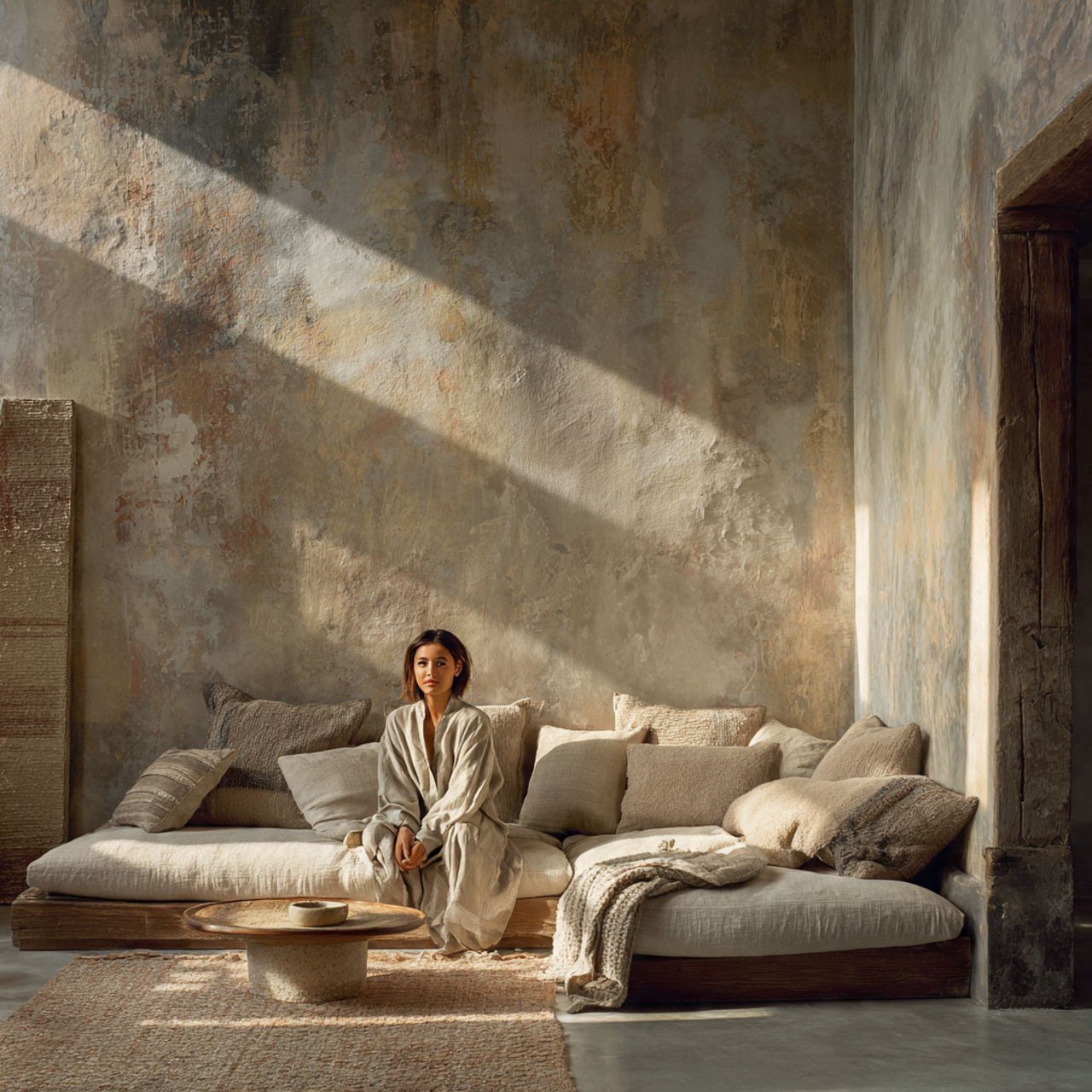
Distressed plaster wall finishes create a backdrop that feels like a fresco from a bygone era, adding immense depth to the room’s perimeter. The subtle variations in color and the visible trowel marks give the walls a tactile, three-dimensional quality that paint alone cannot achieve.
This approach eliminates the need for excessive wall decor, as the surface itself becomes a work of art. The way shadows play across the uneven plaster throughout the day creates an ever-changing environment that feels grounded and ancient.
Weathered Stone Hearth
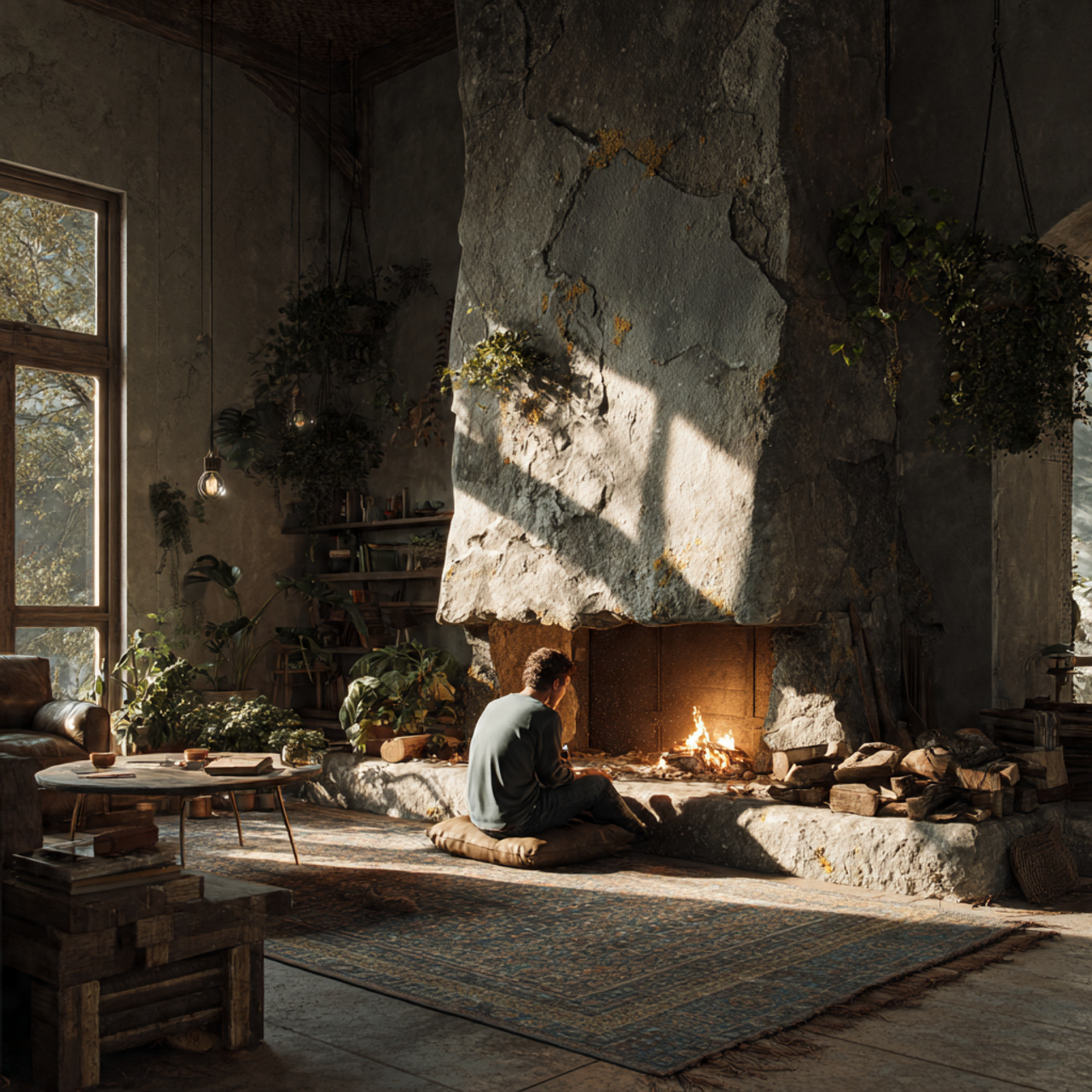
A weathered stone hearth acts as a powerful elemental feature, bringing the raw strength of the outdoors into the heart of the home. Using stones that feature natural lichen marks or water-worn edges creates a focal point that feels as though it were discovered rather than built.
The cool temperature and heavy weight of the stone provide a sensory balance to the warmth of a flickering fire. It creates a sense of permanence and shelter, reminding those gathered around it of the enduring stability found in the natural world.
Foraged Branch Arrangements
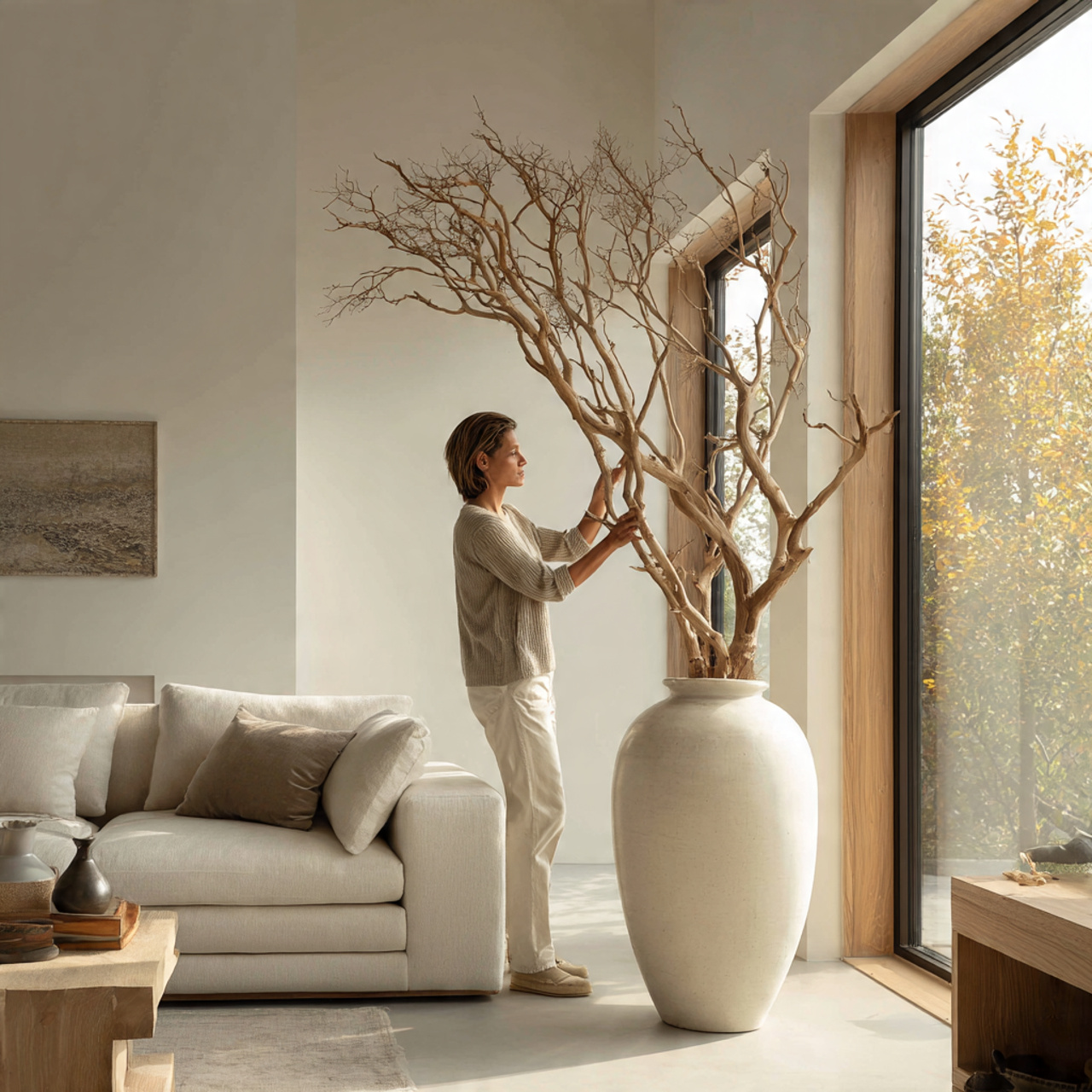
Foraged branch arrangements offer a simple and ephemeral way to bring the changing seasons indoors without the need for elaborate floral displays. A single, gnarled branch placed in a tall vase captures the stark beauty of a winter forest or the budding potential of early spring.
This idea emphasizes the importance of looking toward the local landscape for inspiration rather than relying on imported blooms. The skeletal structure of a branch highlights the elegance of negative space and the beauty found in simplicity.
Sun Bleached Wood Flooring
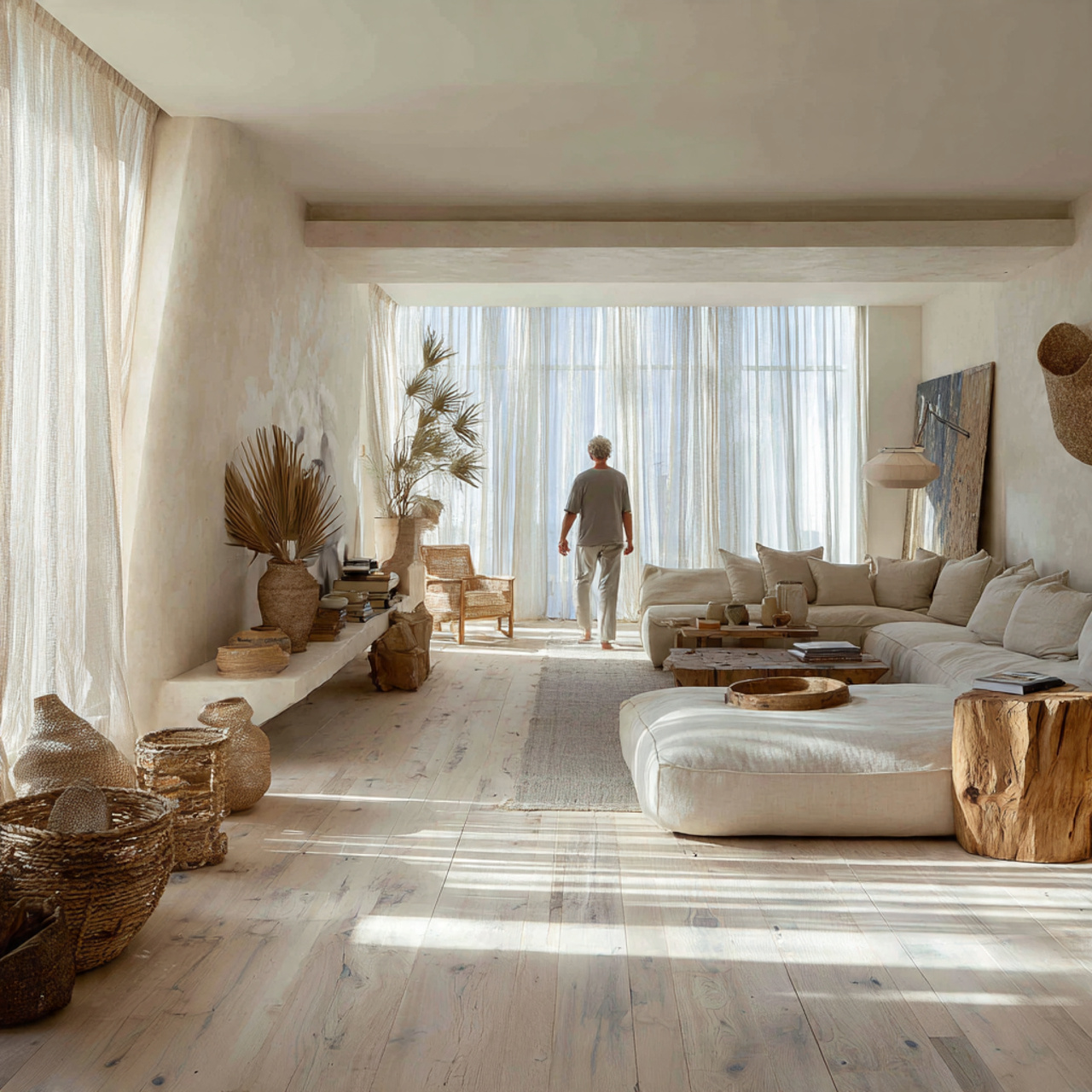
Sun bleached wood flooring evokes the feeling of a seaside cottage or a mountain retreat where the elements have gently faded the timber over time. The lighter, desaturated tones help to expand the visual space of the room while maintaining a warm and inviting underfoot feel.
Rather than staining wood to a uniform dark hue, allowing the natural grain to show through a pale wash honors the material’s origin. This light-filled foundation makes every other piece of furniture in the room stand out with more clarity and purpose.
Living Moss Centerpieces
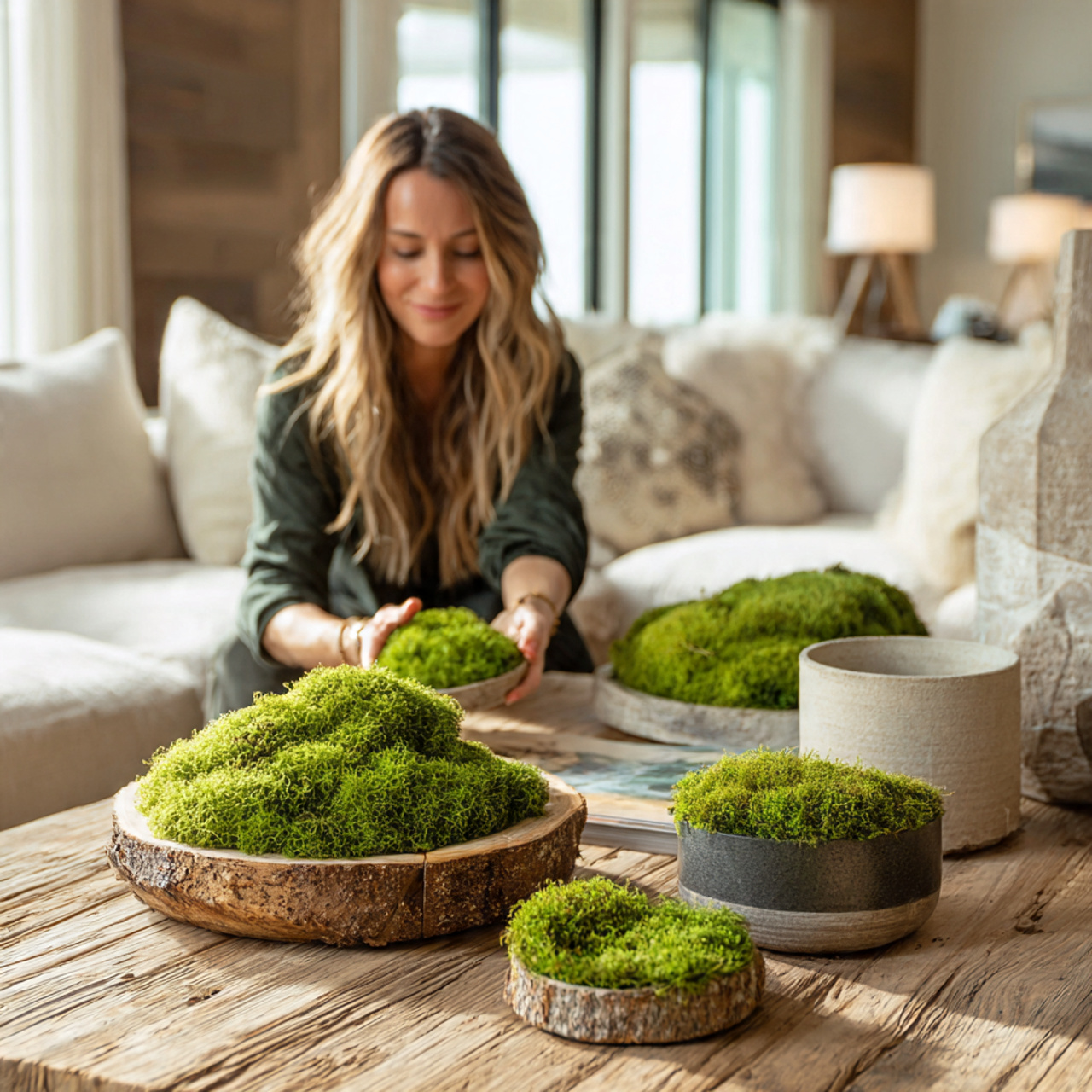
Living moss centerpieces bring a vibrant, velvety green texture to coffee tables or sideboards, acting as a miniature forest floor. Moss thrives in the quiet corners of the world, and bringing it inside serves as a reminder of the resilience and quiet beauty of low-lying nature.
Because moss requires very little maintenance, it is a practical way to keep a living element in the room year-round. Its soft, cushioned appearance provides a striking visual contrast when placed against hard surfaces like stone, metal, or glass.
Vintage Indigo Textiles
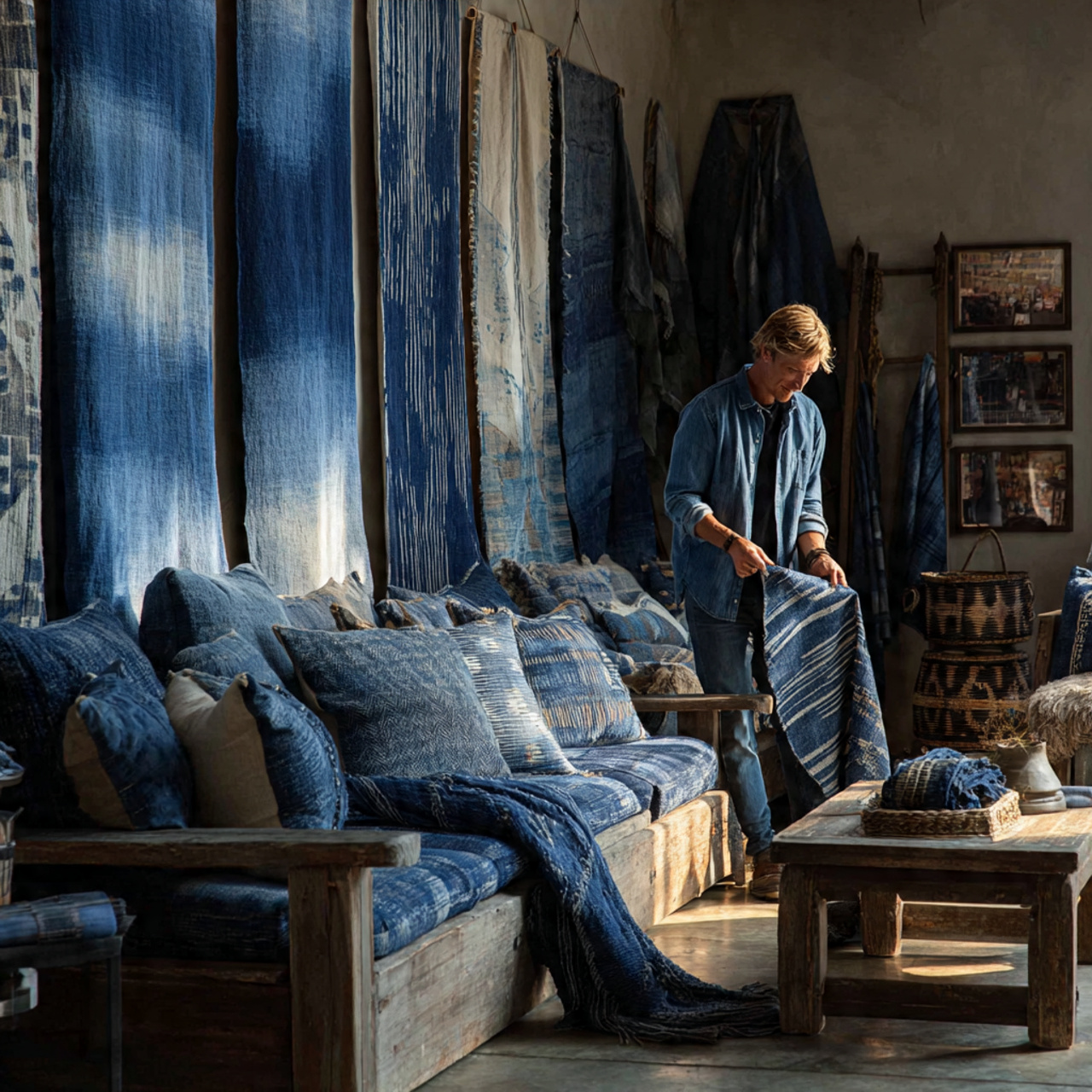
Vintage indigo textiles, often sourced from traditional Japanese boro or African mud cloths, add a layer of soulful color and intricate history. The deep blues, often faded in high-wear areas, tell a story of repair, reuse, and the high value placed on hand-dyed fabrics.
Using these textiles as throws or wall hangings introduces a sense of global heritage and artisan craft. The layered textures and frayed edges are hallmarks of a home that values the longevity of a piece over its temporary trendiness.
Patinated Brass Lighting
Patinated brass lighting offers a warm, golden glow that is tempered by the natural darkening of the metal’s surface. A lamp or chandelier with a dull, aged finish feels much more integrated into a wabi sabi space than one with a bright, reflective shine.
The soft light emitted from these fixtures bounces off the darkened metal, creating a moody and intimate ambiance. It is an ideal way to introduce a touch of understated luxury that doesn’t feel boastful or out of place.
Handwoven Hemp Rugs
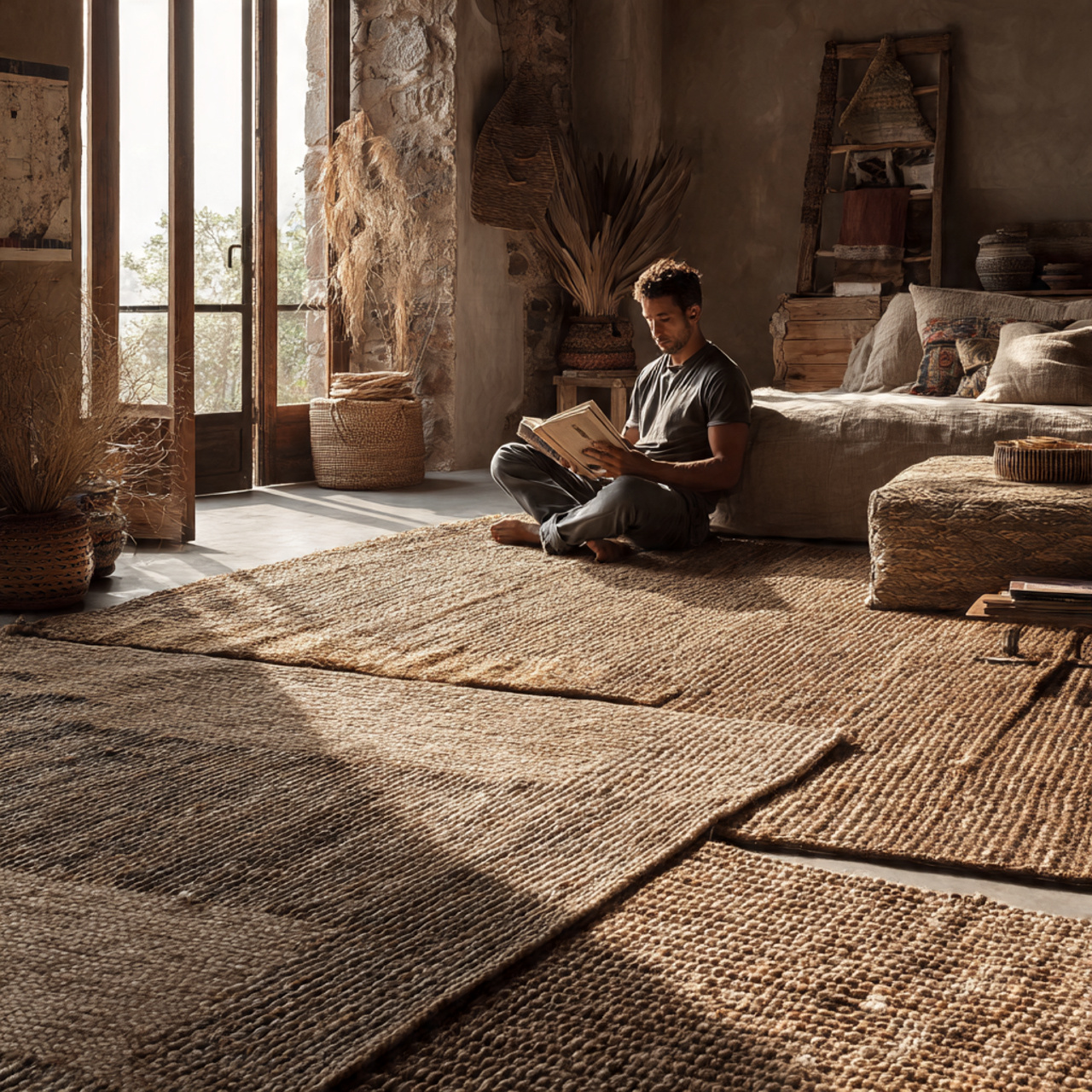
Handwoven hemp rugs provide a durable and textured foundation that feels incredibly grounding underfoot. The natural variations in the fiber’s thickness create a rhythmic pattern that is felt as much as it is seen, bringing a sense of artisanal craft to the floor.
These rugs are celebrated for their ability to withstand heavy use while becoming softer and more full of character over time. Their earthy scent and neutral tones make them a versatile choice for any layout focused on organic comfort.
Cracked Glaze Pottery Displays
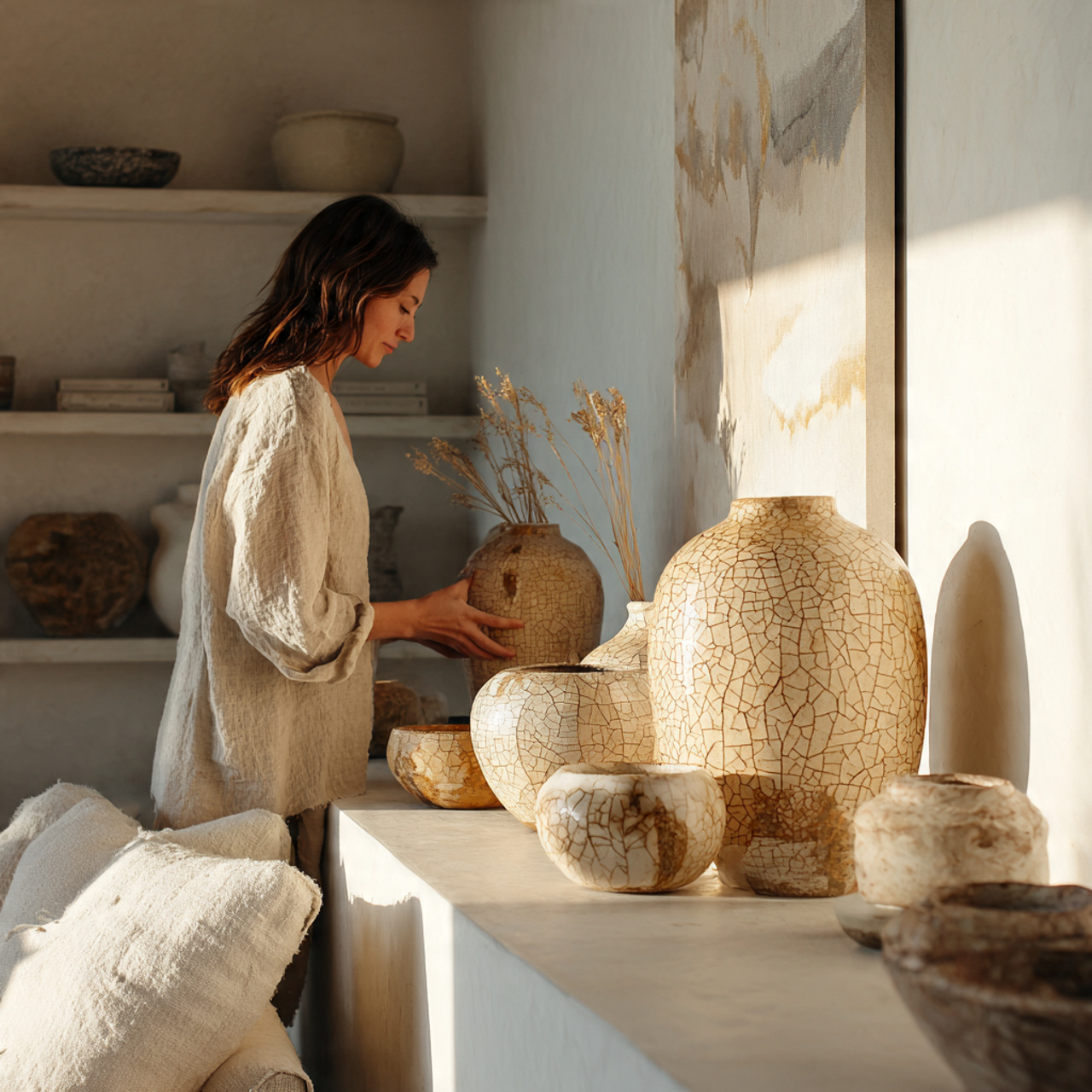
Cracked glaze pottery, often referred to as kintsugi when repaired with gold, highlights the beauty of breakage and recovery. Displaying items that show visible “crazing” or cracks invites the viewer to appreciate the fragility of life and the strength found in mending.
These pieces serve as a philosophical reminder that nothing is truly broken beyond repair and that our scars can be our most beautiful features. Grouping several pieces together creates a gallery of resilience that sparks quiet contemplation.
Organic Cotton Floor Cushions
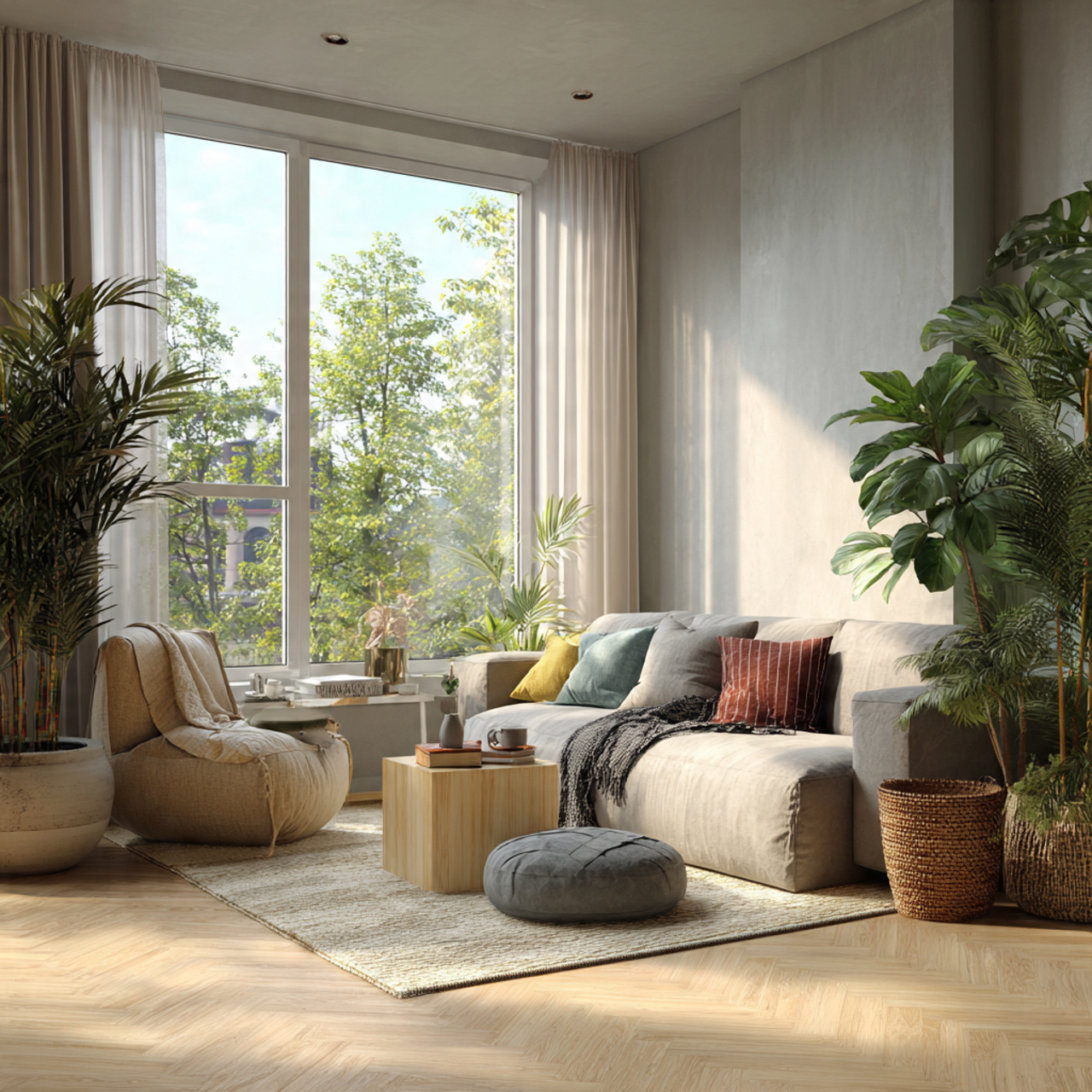
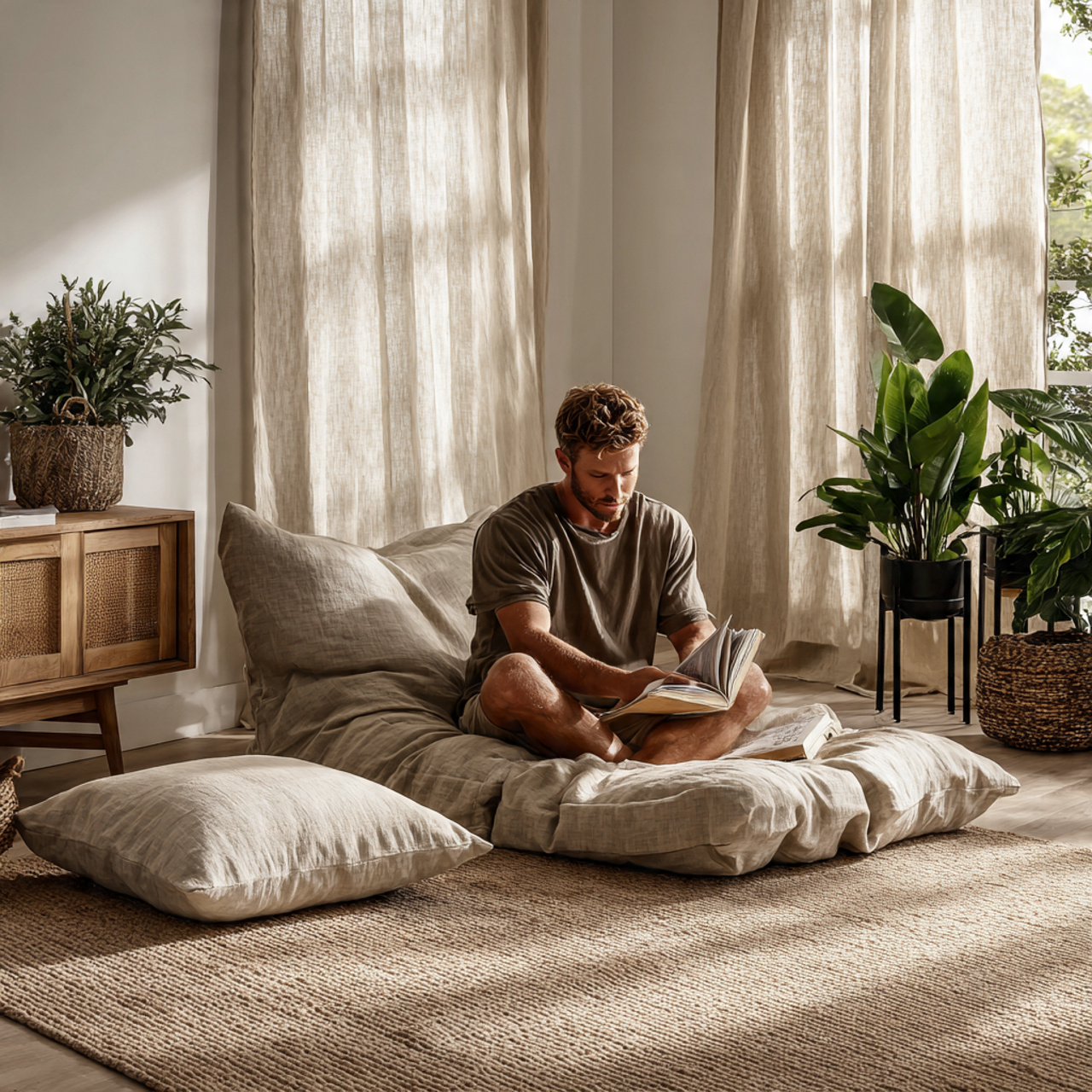
Organic cotton floor cushions encourage a shift toward lower-level living, which fosters a more intimate and grounded social environment. Choosing cushions in raw, unbleached cotton maintains a neutral palette while providing soft, movable seating for guests.
The casual nature of floor seating removes the formality of traditional living room setups, making the space feel more relaxed and approachable. Over time, the cotton will develop a soft patina of use, further enhancing its comfort and character.
Salvaged Architectural Elements
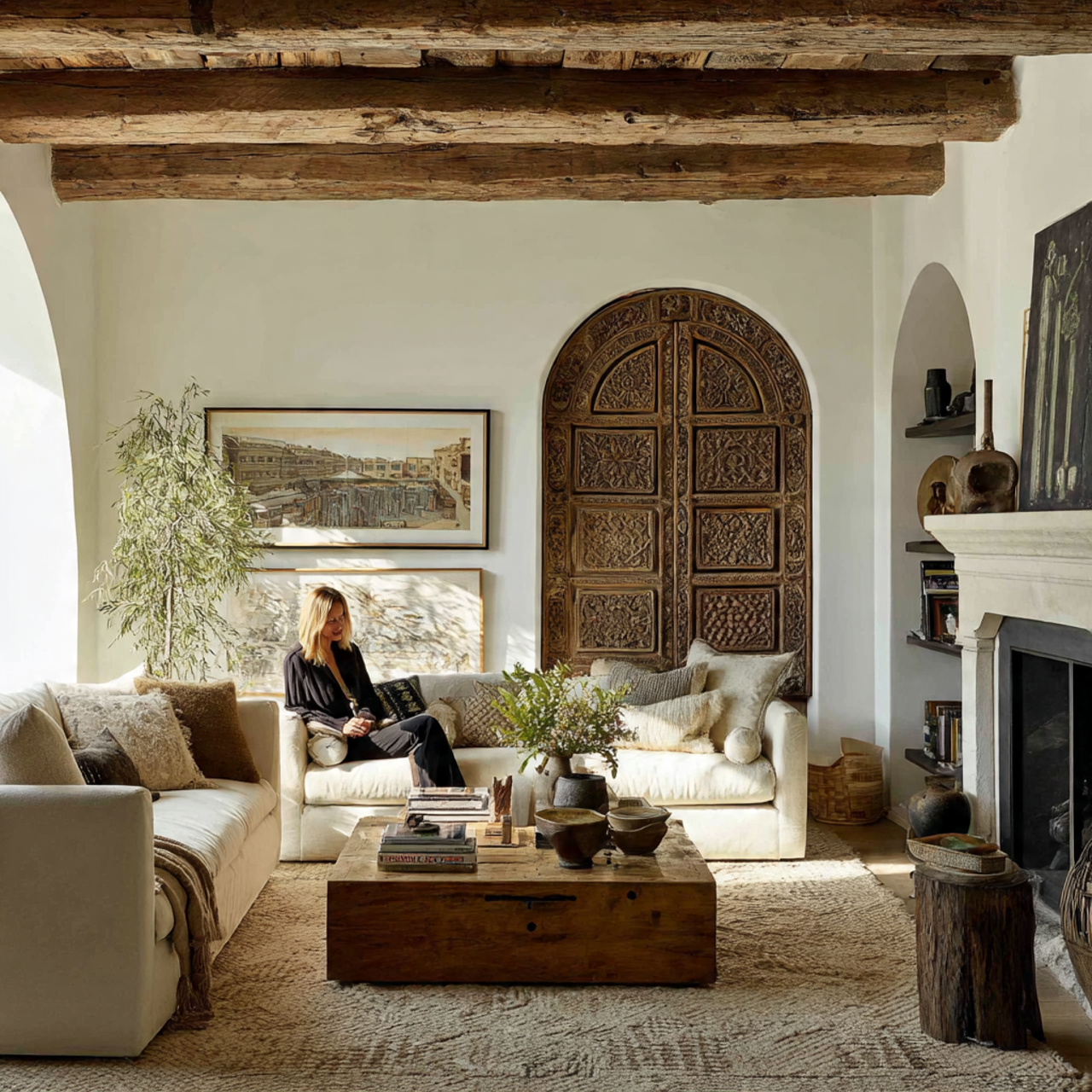
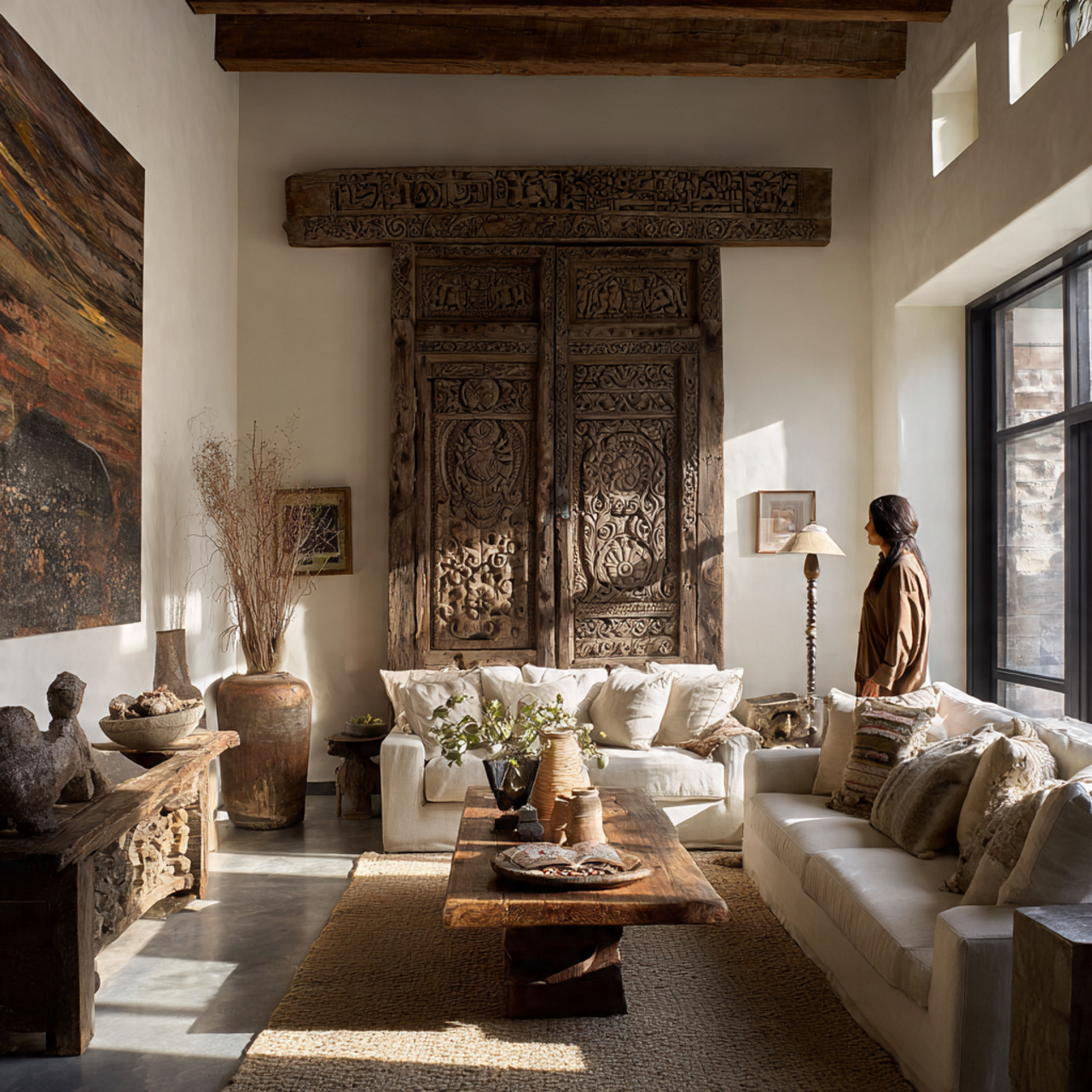
Salvaged architectural elements, like an old door used as a screen or a carved beam repurposed as a mantle, bring a sense of scale and history. These pieces act as anchors that connect a modern interior to the craftsmanship of the past.
By rescuing these items from the landfill, you give them a second life where their weathered surfaces can be appreciated anew. They provide a structural uniqueness that ensures your living room remains one of a kind.
Exposed Concrete Surfaces
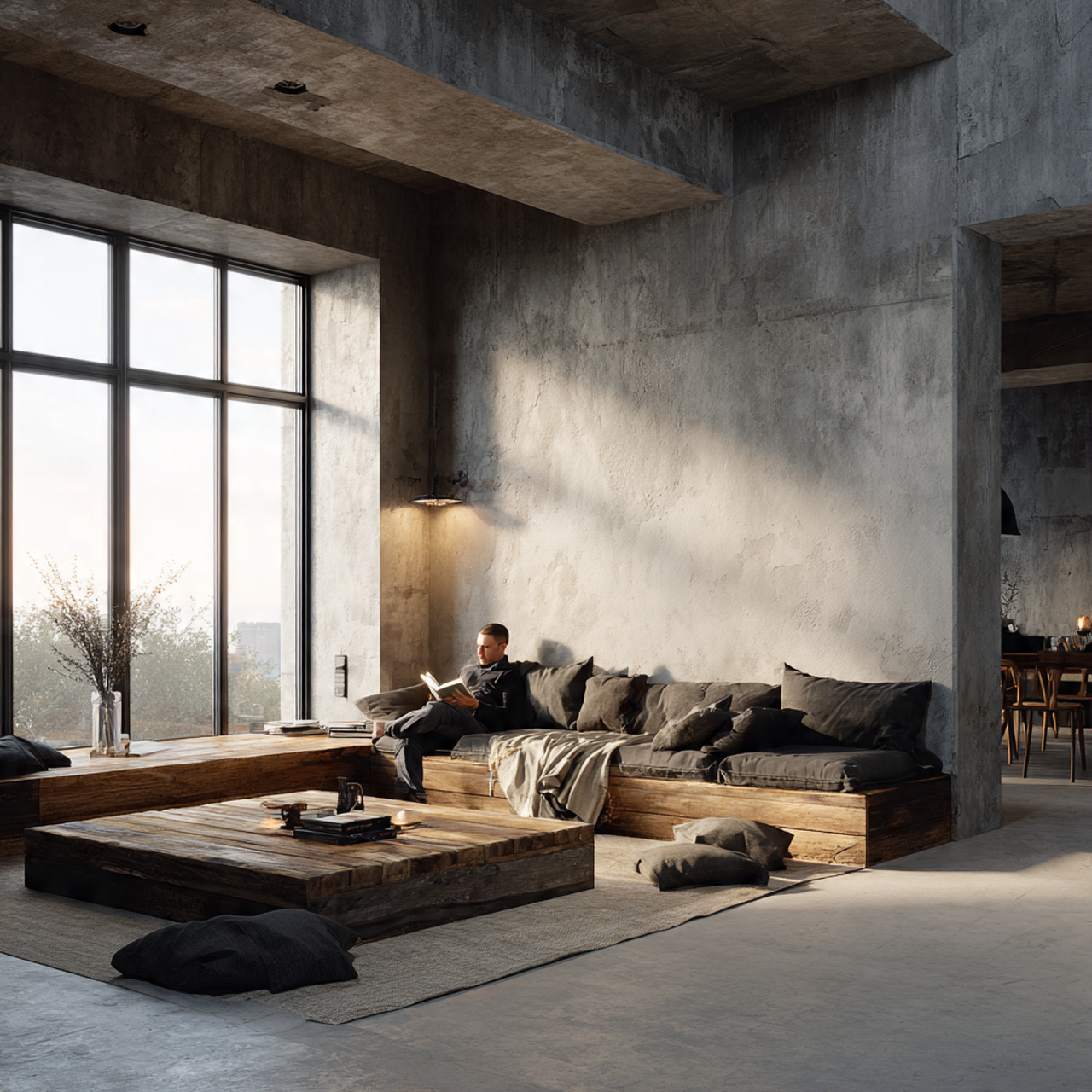
Exposed concrete surfaces offer a brutalist yet poetic honesty, showing the raw ingredients of the home’s construction. The mottled gray tones and industrial texture provide a neutral backdrop that makes natural wood and soft textiles pop with life.
When left unpolished, concrete has a soft, matte quality that absorbs light rather than reflecting it. This contributes to a quiet, cavernous feeling that is both protective and modern, serving as a perfect canvas for wabi sabi elements.
Low Profile Bamboo Seating
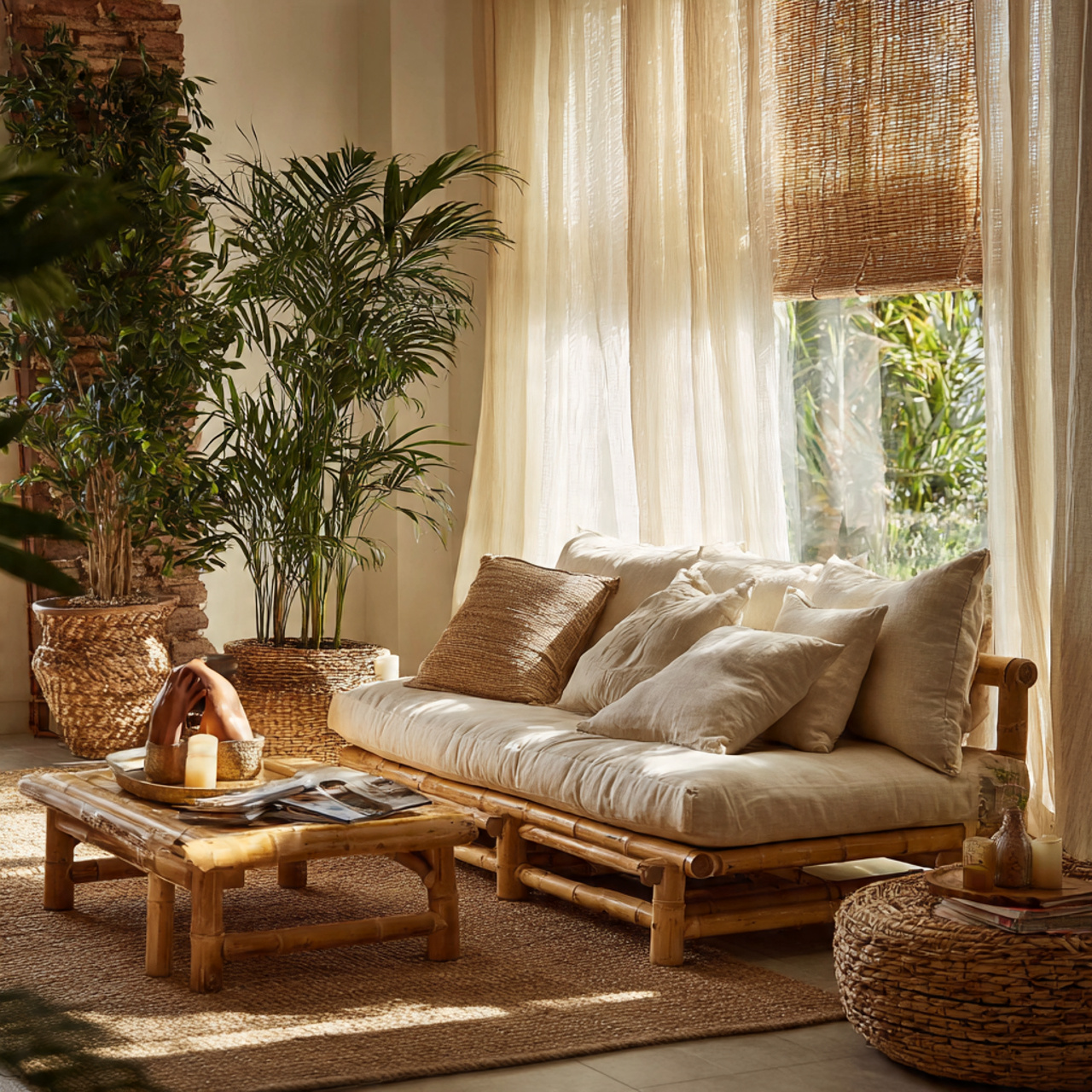
Low profile bamboo seating brings an airy, linear quality to the room, utilizing one of nature’s most sustainable and flexible materials. The natural honey-colored stalks of bamboo add warmth and a slight tropical or Zen-like influence to the aesthetic.
The simplicity of the construction emphasizes function and form without unnecessary ornamentation. Such furniture pieces are often lightweight and easy to rearrange, allowing the living room to evolve alongside your changing needs.
Natural Jute Wall Hangings
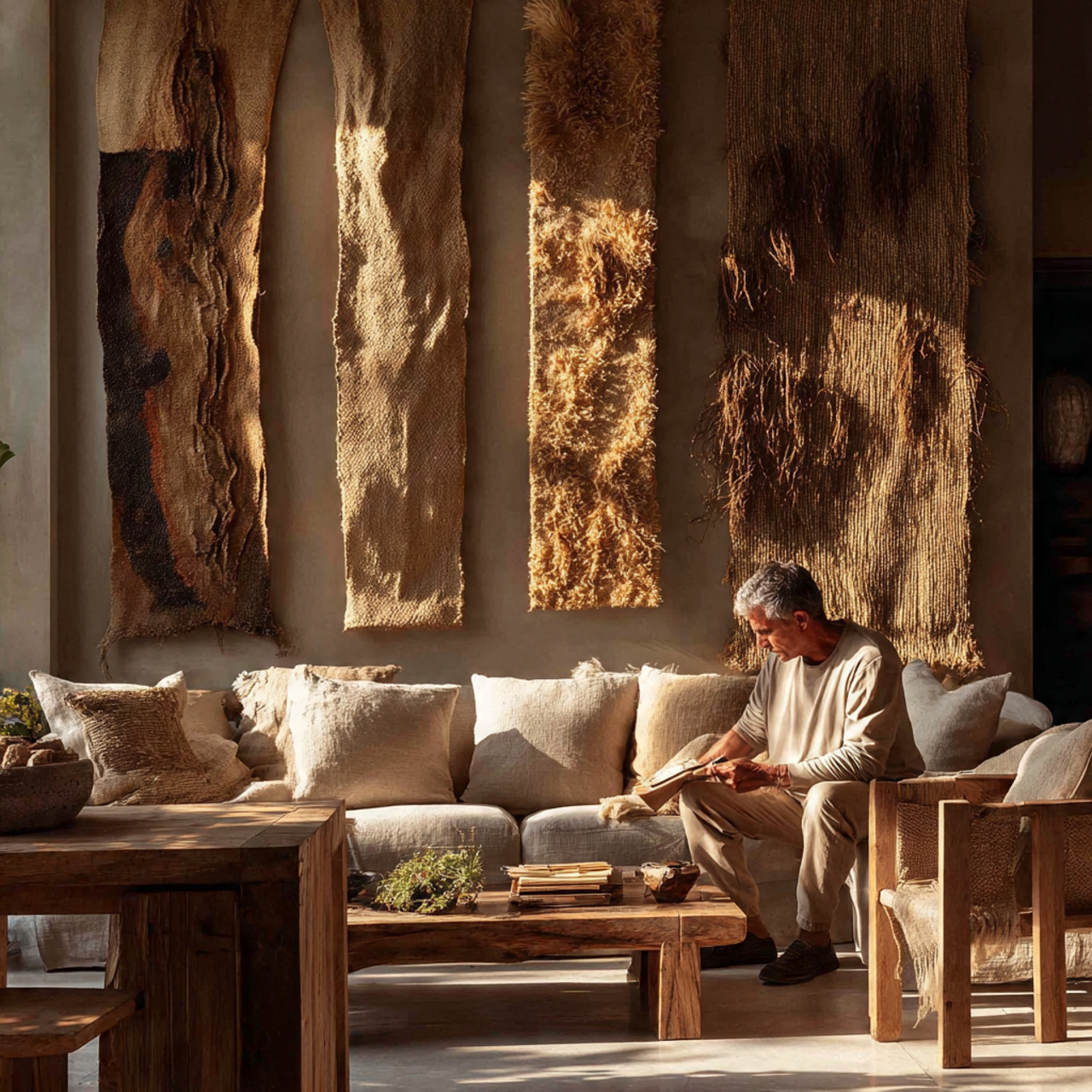
Natural jute wall hangings introduce a rugged, vertical texture that softens the hard lines of a room’s architecture. The coarse fibers of the jute catch the light and create a play of shadows that adds visual interest to large, empty wall spaces.
These hangings serve as an excellent alternative to framed art, providing a more tactile and organic feel. They echo the tones of the earth and help to dampen sound, making the living room feel like a quiet, secluded cocoon.
Visible Furniture Joinery
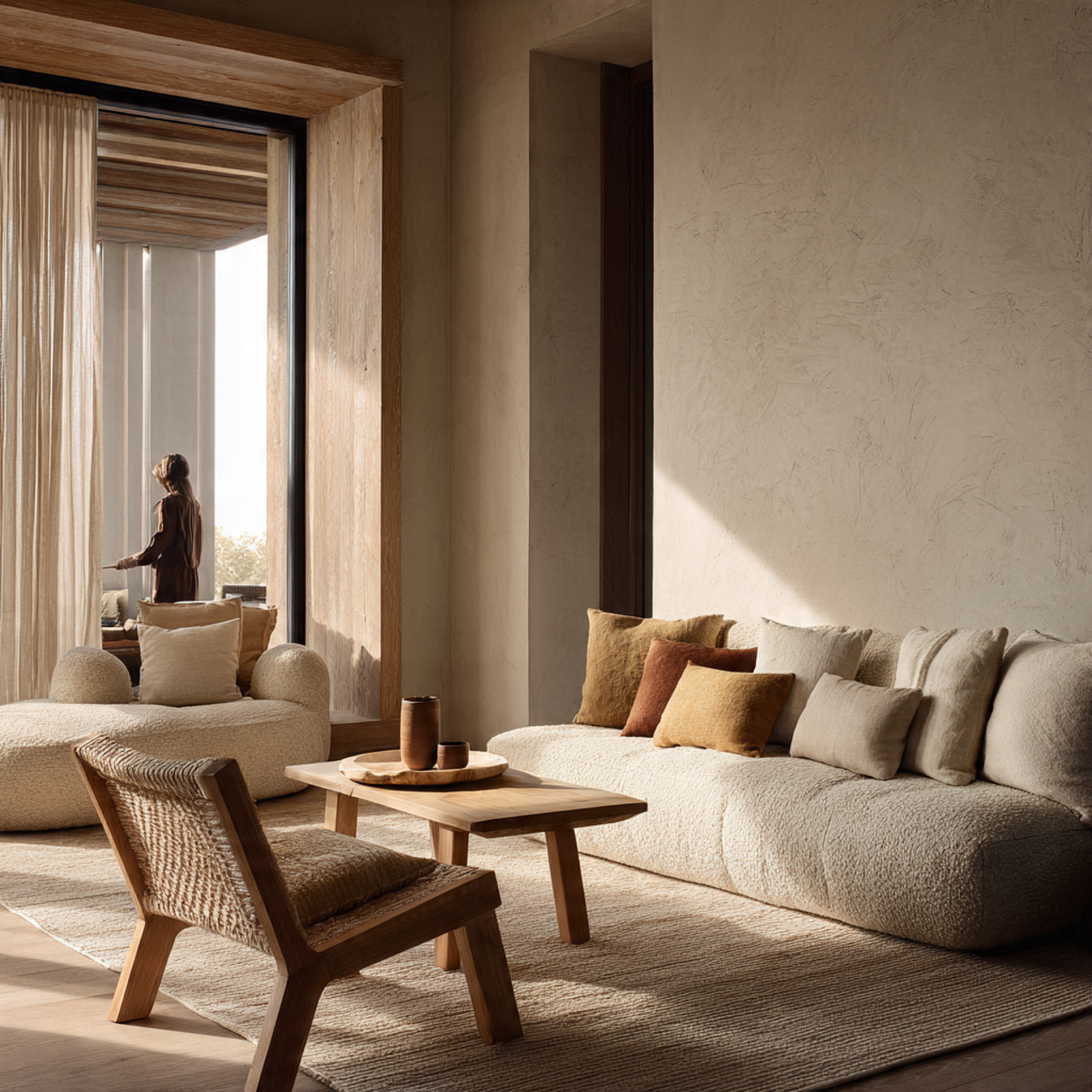
Visible furniture joinery, such as dovetail or mortise-and-tenon joints, celebrates the skill of the maker and the logic of the object’s construction. When the way a chair or table is put together is left exposed, it creates a sense of transparency and honesty in design.
This appreciation for the “how” behind an object aligns perfectly with the desire for authenticity. It encourages us to value the structural integrity of our belongings rather than hiding their bones behind veneers or paint.
Visit Also: Fall Ceiling Designs
Earth Tone Clay Vessels
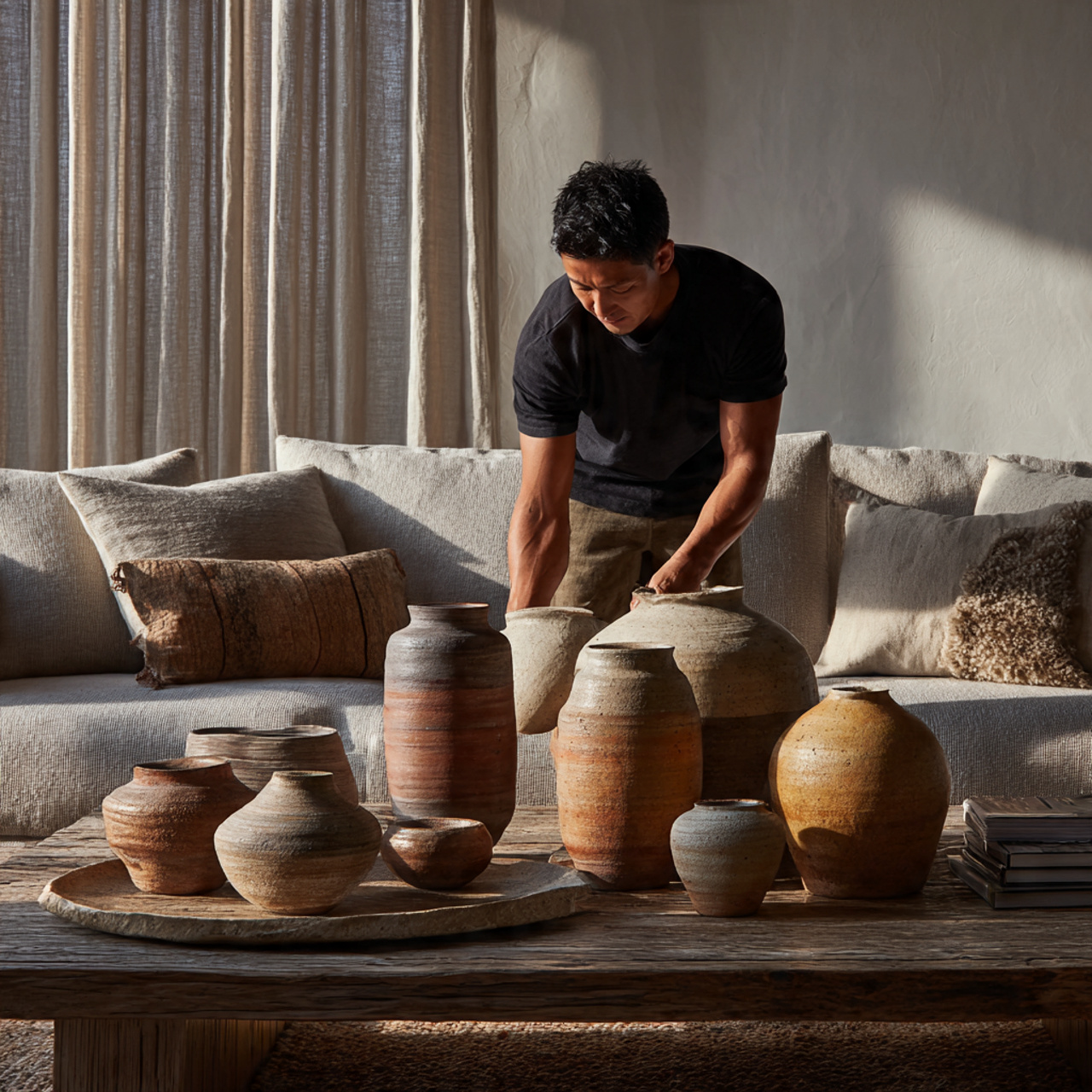
Earth tone clay vessels placed in clusters create a sense of groundedness, as if the decor has been pulled directly from the soil. Using a variety of heights and shapes in shades of terracotta, ochre, and burnt umber adds a rhythmic warmth to the space.
The matte, porous surface of unglazed clay is a hallmark of wabi sabi design, offering a sensory experience that is very different from glass or plastic. These vessels feel substantial and ancient, providing a link to the most basic forms of human creation.
Driftwood Sculptural Decor
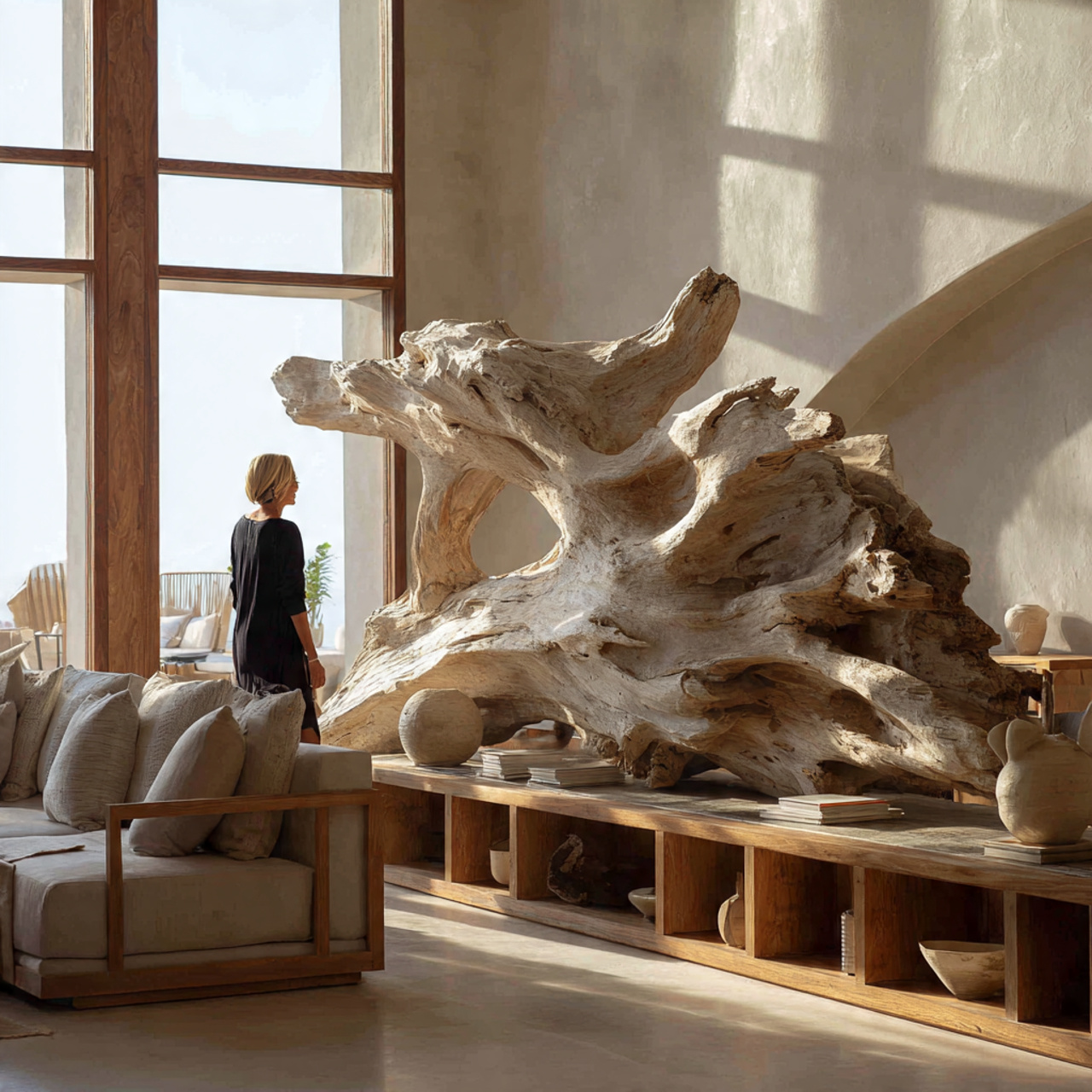
Driftwood sculptural decor brings the wild, untamed energy of the ocean into the controlled environment of the home. Each piece has been shaped by the chaotic forces of water and salt, resulting in smooth, ghostly shapes that are impossible to replicate by hand.
Placing a large piece of driftwood on a shelf or as a floor sculpture creates an immediate connection to the vastness of nature. It serves as a reminder that the most beautiful forms are often created by the slow, persistent passage of time.
Muted Wool Throws
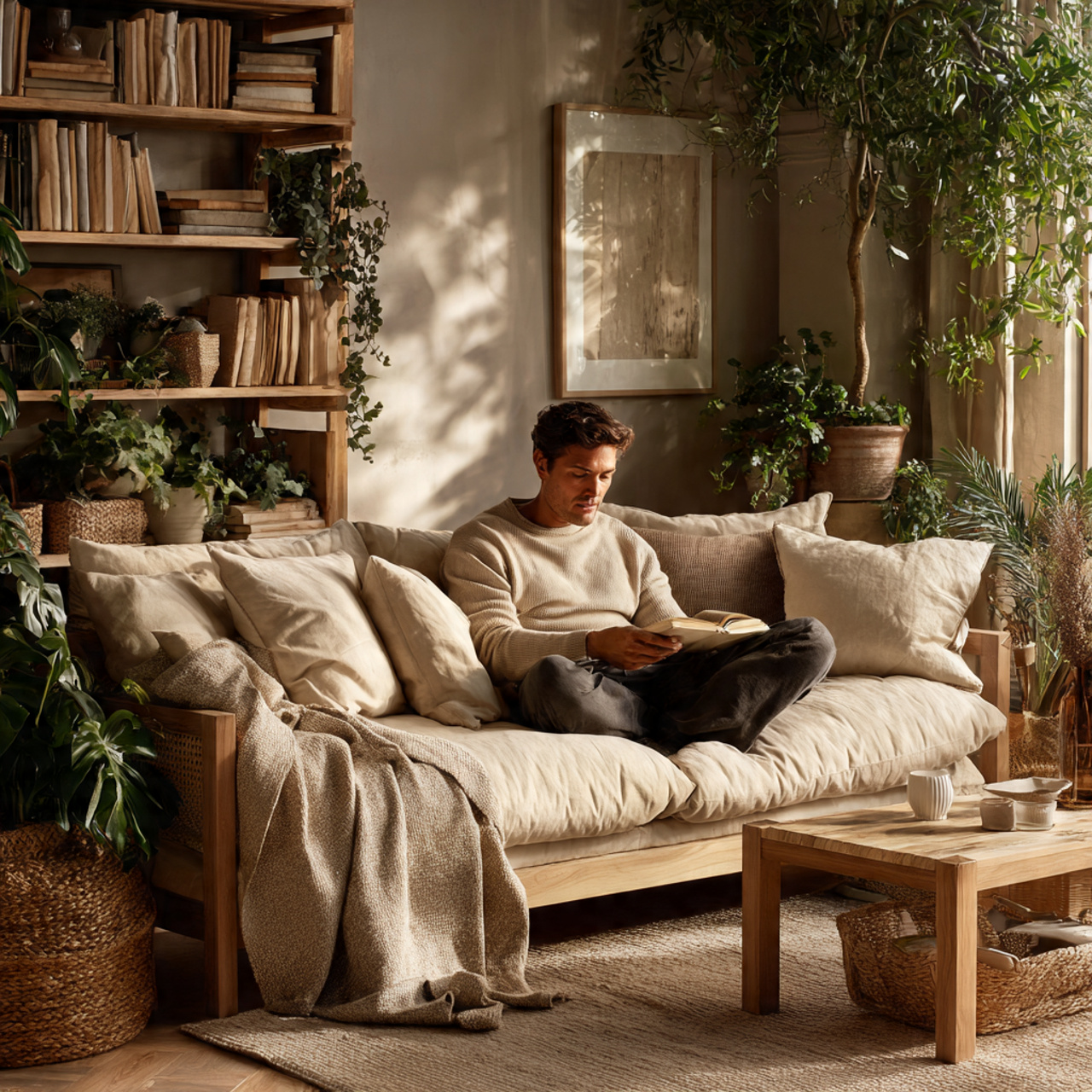
Muted wool throws draped over the back of a sofa provide an instant sense of warmth and protection. Choosing wool that hasn’t been overly processed or dyed in neon colors preserves the natural lanolin and the slight prickle that signifies real, honest fiber.
The weight of a heavy wool blanket offers a comforting “hug” that enhances the restorative quality of the living room. As the wool pills and softens with use, it becomes a cherished companion for quiet evenings spent in reflection.
Raw Silk Window Treatments
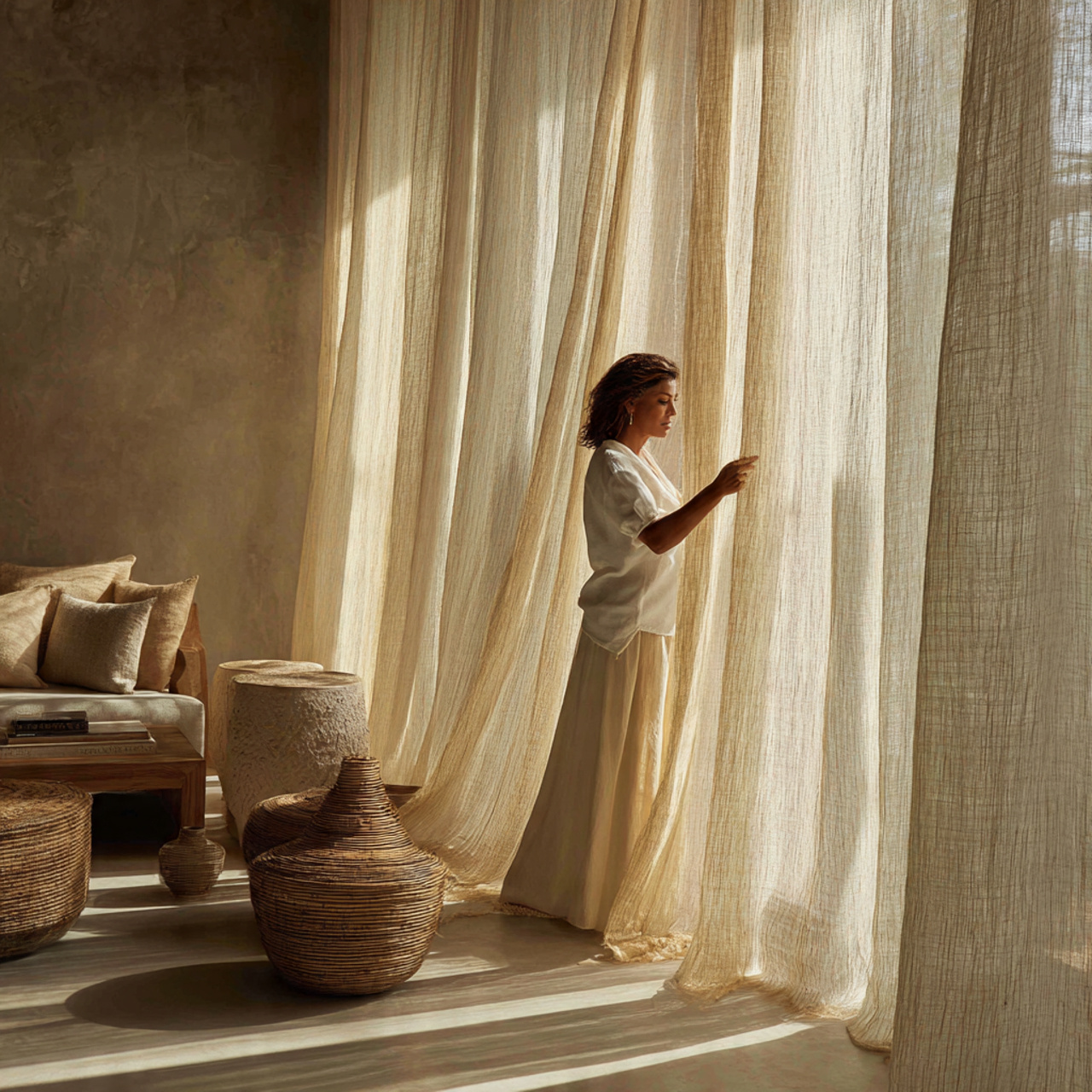
Raw silk window treatments offer a subtle, nubby texture that possesses a quiet luster without the flashiness of traditional silk. The slight irregularities in the weave—known as slubs—are the primary attraction, showing the natural variation of the silk cocoon.
These curtains hang with a heavy, graceful drape that adds a touch of elegance to a rustic room. They capture the essence of “quiet luxury,” where the quality of the material is felt through its imperfection rather than its polish.
Antique Tansu Chests
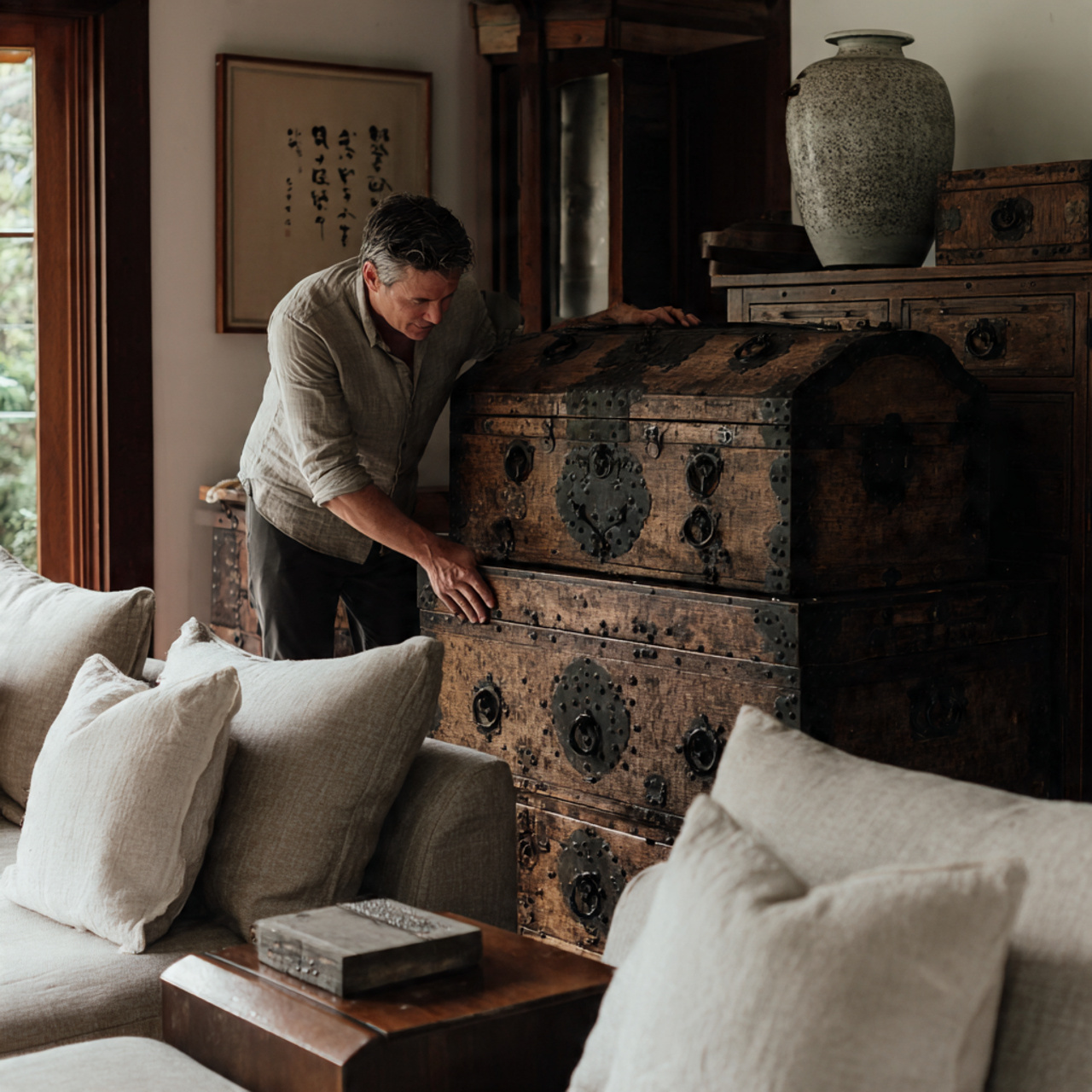
Antique Tansu chests are traditional Japanese mobile storage units that bring both history and ingenious functionality to a wabi sabi living room. The iron hardware and aged wood surfaces provide a dark, rhythmic contrast to lighter walls and floors.
Because these chests were originally designed to be moved during emergencies, they often feature built-in handles and modular sections. They represent a beautiful intersection of necessity, craftsmanship, and the enduring utility of well-made objects.
Unpolished River Rock Features
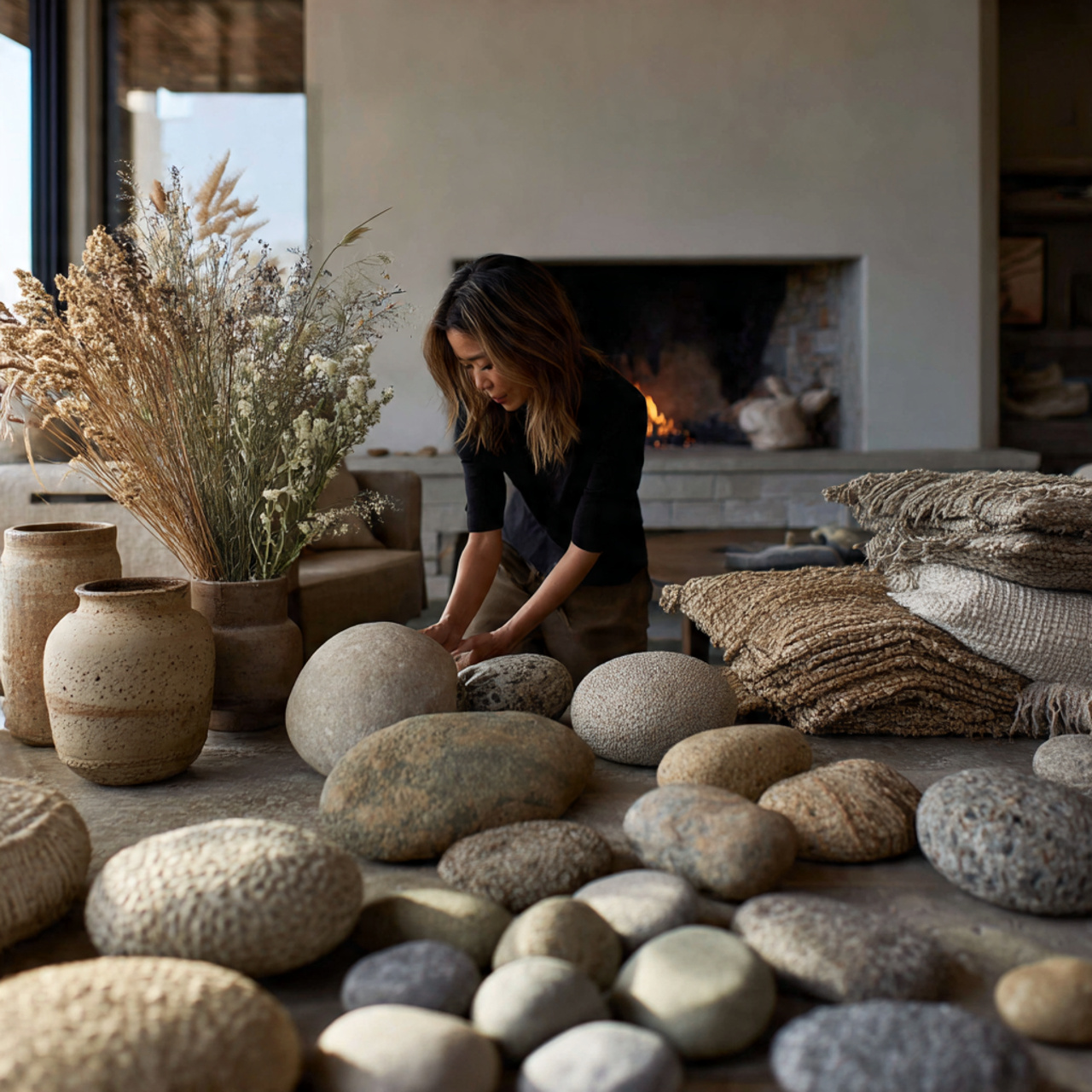
Unpolished river rock features, whether used as a small decorative pile or integrated into a fireplace surround, bring the soothing presence of flowing water to mind. These stones have been rounded by years of current, resulting in shapes that are exceptionally pleasing to the eye.
The cool, smooth surface of the rocks provides a nice tactile contrast to the warmth of wood and fabric. Using them indoors blurs the line between the garden and the home, fostering a sense of total immersion in the natural world.
FAQs About Wabi Sabi Living Room Ideas
What are the core visual elements found in wabi sabi living room ideas?
The core elements usually include a neutral, earthy color palette combined with raw, organic materials like wood, stone, and linen. You will often see a focus on negative space, the use of antique or handmade items, and a general avoidance of anything that looks too shiny, new, or mass-produced.
How can natural light enhance wabi sabi living room ideas?
Natural light is essential because it highlights the textures and subtle imperfections that make this style so unique. As light shifts throughout the day, it casts shadows across plastered walls and textured fabrics, creating a living, breathing environment that changes with the movement of the sun.
Which color palettes are most common in wabi sabi living room ideas?
The most effective palettes are those derived from the natural world, such as soft greys, warm beiges, muted greens, and deep browns. These colors provide a calm, unobtrusive backdrop that allows the textures of the materials and the character of the furniture to remain the primary focus of the room.
Where can I find authentic materials for wabi sabi living room ideas?
Authentic materials can often be found in nature, such as foraged branches or stones, or at antique shops and salvage yards where items have already developed a natural patina. Supporting local artisans who work with clay, wood, or hand-loomed textiles is another great way to source unique and meaningful pieces.
How do wabi sabi living room ideas differ from traditional minimalist design?
While both value simplicity, traditional minimalism often strives for sleek, “perfect” surfaces and hidden storage, whereas wabi sabi embraces the aged, the worn, and the visible. Wabi sabi is less about having nothing and more about ensuring that what you do have possesses a soul, a history, and a touch of imperfection.
Conclusion
Exploring these diverse wabi sabi living room ideas reveals that the heart of an authentic home lies in the balance between nature and personal history. By leaning into the unique character of imperfect objects and raw materials, you can cultivate a living space that remains a constant source of creative inspiration and peaceful reflection.
Ultimately, the goal is to create an environment that feels as though it has grown organically over time rather than being decorated in a single day. When you prioritize the soulful and the genuine, your living room becomes more than just a place to sit—it becomes a testament to the beauty of life as it truly is.