25 Small Living Room Layout Ideas to Make Your Space Look Bigger & Stylish
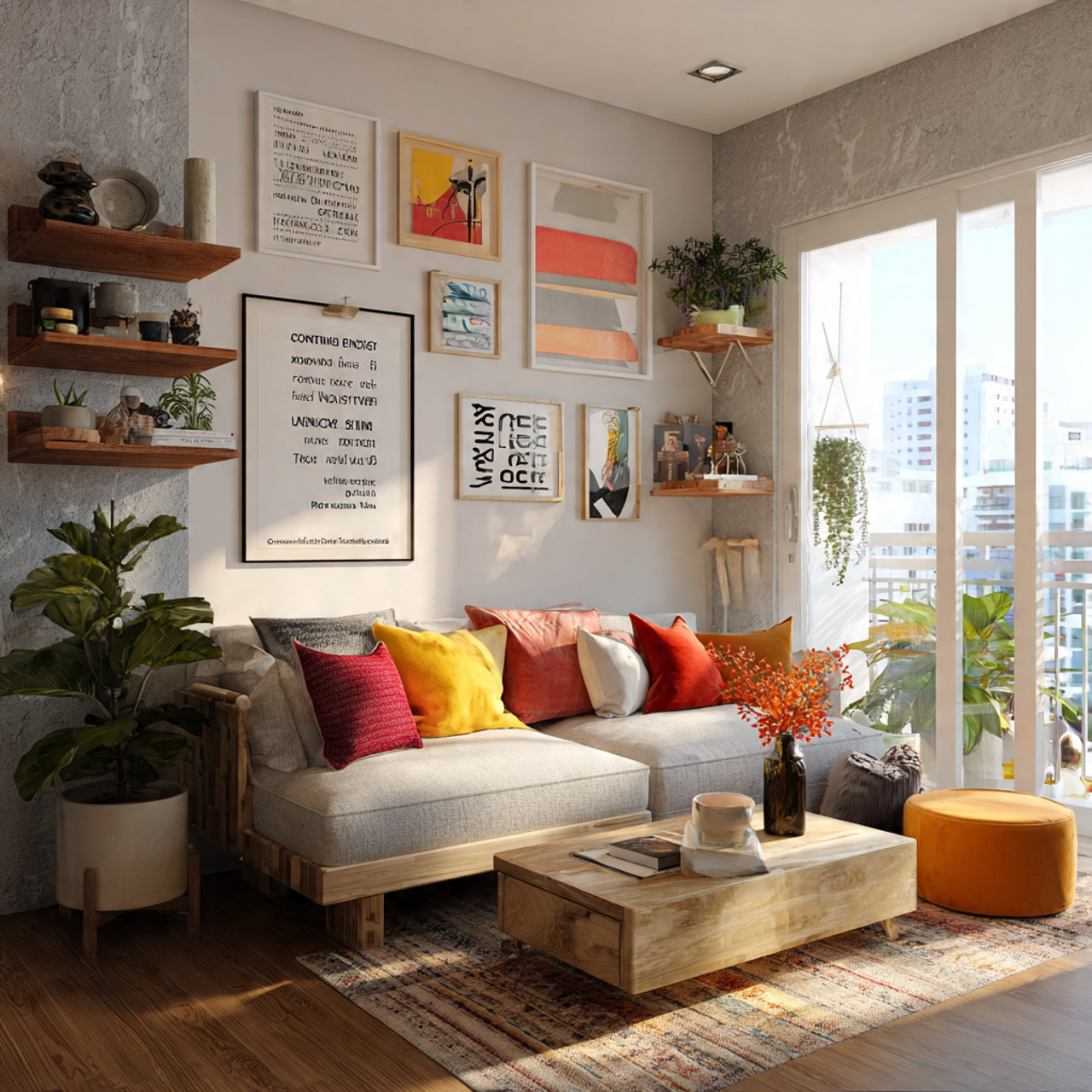
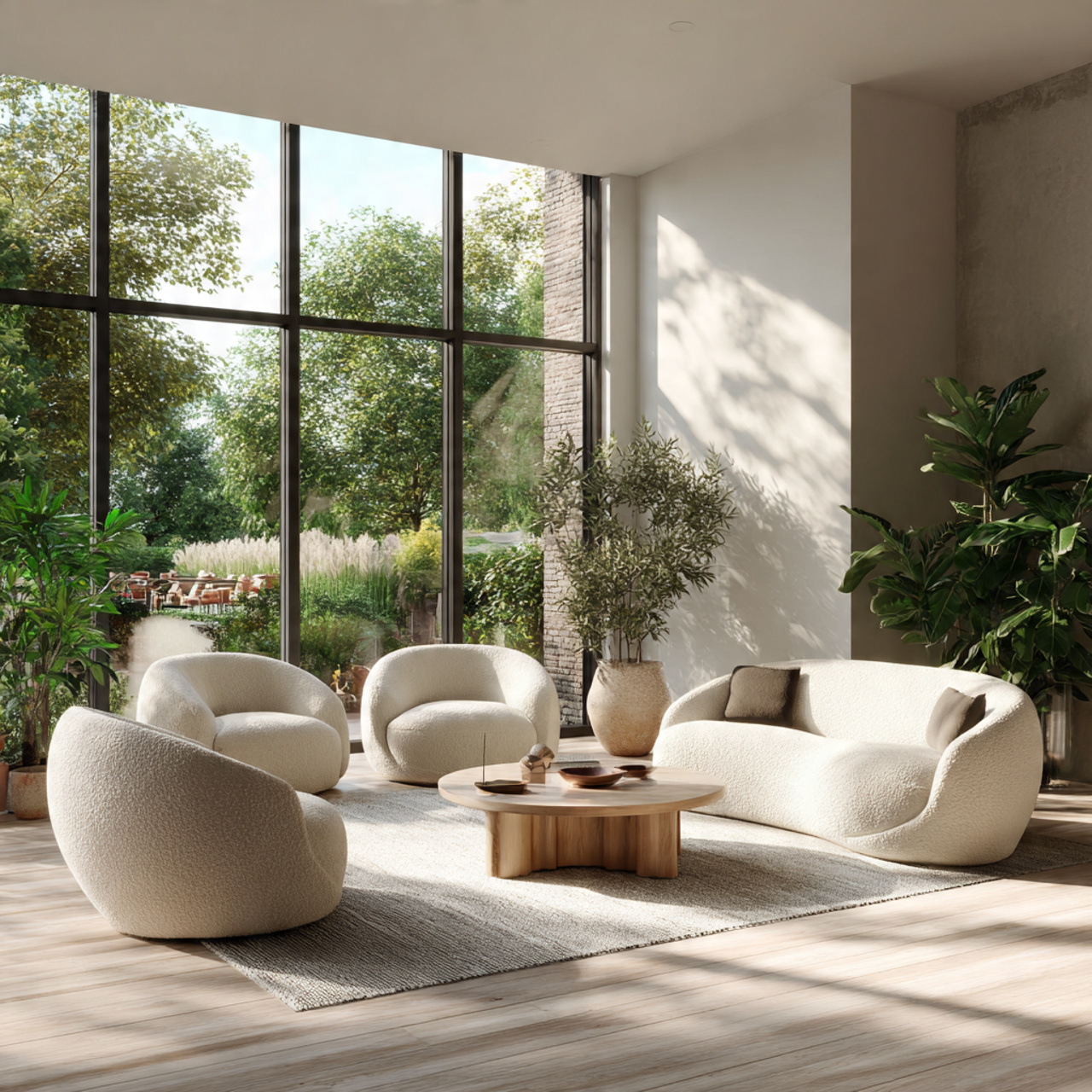
Small living room layout ideas serve as the ultimate catalyst for transforming a cramped or awkward space into a sophisticated haven of comfort and style. When you shift your perspective from seeing a small footprint as a limitation to viewing it as a canvas for creativity, the design possibilities become truly endless.
By exploring a wide variety of imaginative arrangements, you can discover how to balance architectural features with your own personal aesthetic. This journey into spatial design is all about finding inspiration in the details and creating a home that feels both expansive and deeply inviting for everyone who enters.
Best Small Living Room Layout Ideas to Try
Small living room layout ideas are centered on the philosophy that every square inch of a home should serve a purpose while contributing to a cohesive visual narrative. These concepts move beyond simple furniture placement to address the way light, texture, and movement interact within a confined environment to produce a sense of grandeur.
Choosing the right configuration allows you to highlight the unique character of your living area while maintaining a functional flow that suits your daily life. Whether you prefer a structured, symmetrical look or a more fluid and eclectic arrangement, these ideas provide the inspiration needed to elevate your home through smart design.
Centralized Conversation Circle Idea
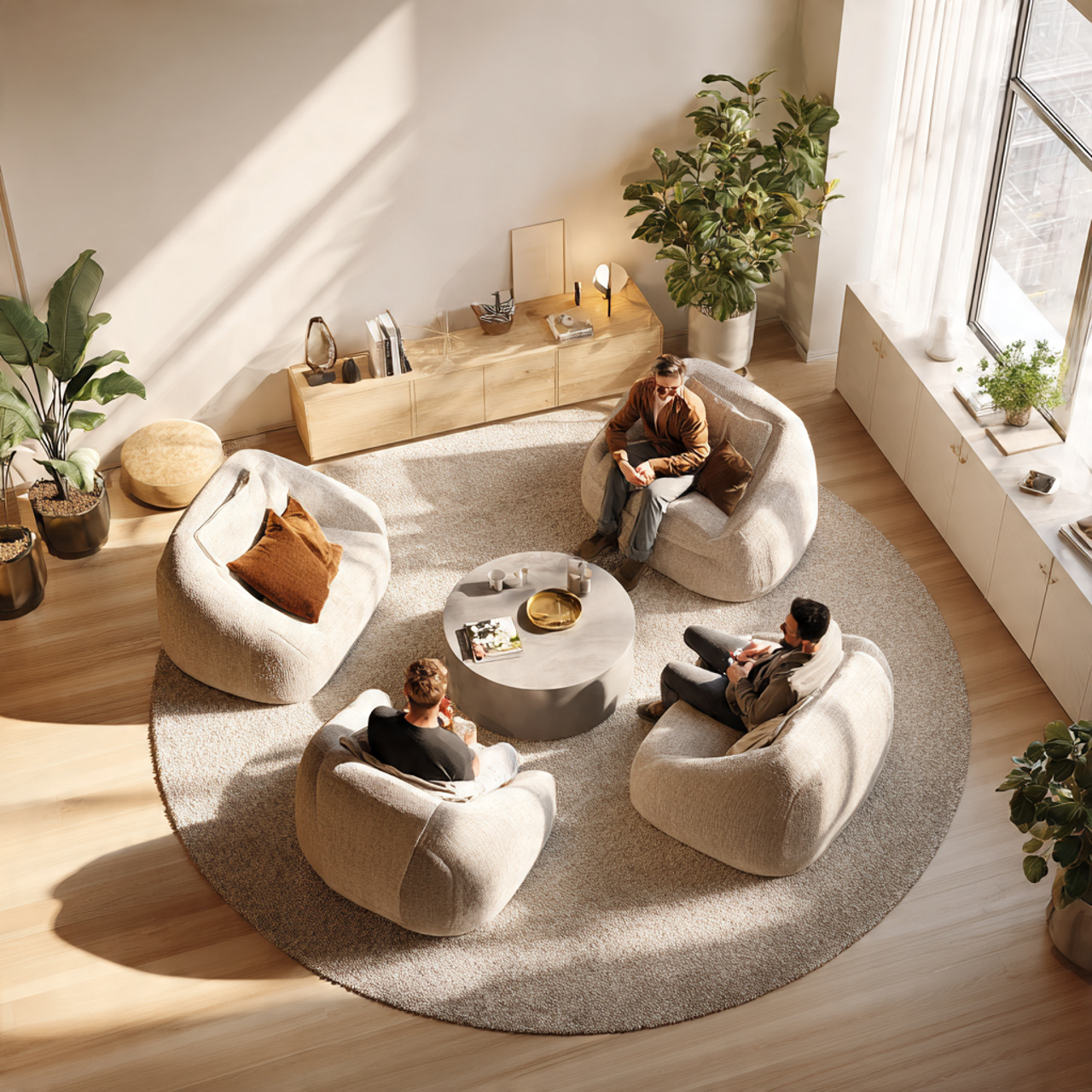
Creating a centralized conversation circle involves pulling your seating away from the walls to establish an intimate gathering spot in the heart of the room. This approach fosters a sense of closeness and connection, making the area feel like a dedicated social hub rather than just a pass-through space. By anchoring the chairs around a central coffee table, you define the purpose of the room clearly and effectively.
To achieve this look, you might use a round area rug to soften the lines and draw the eye inward toward the center of the arrangement. This layout works particularly well because it allows for easy movement around the perimeter of the furniture, preventing the “hallway effect” often found in smaller homes. It is a brilliant way to demonstrate that a room does not need massive square footage to be the soul of the household.
Floating Furniture Arrangement Idea
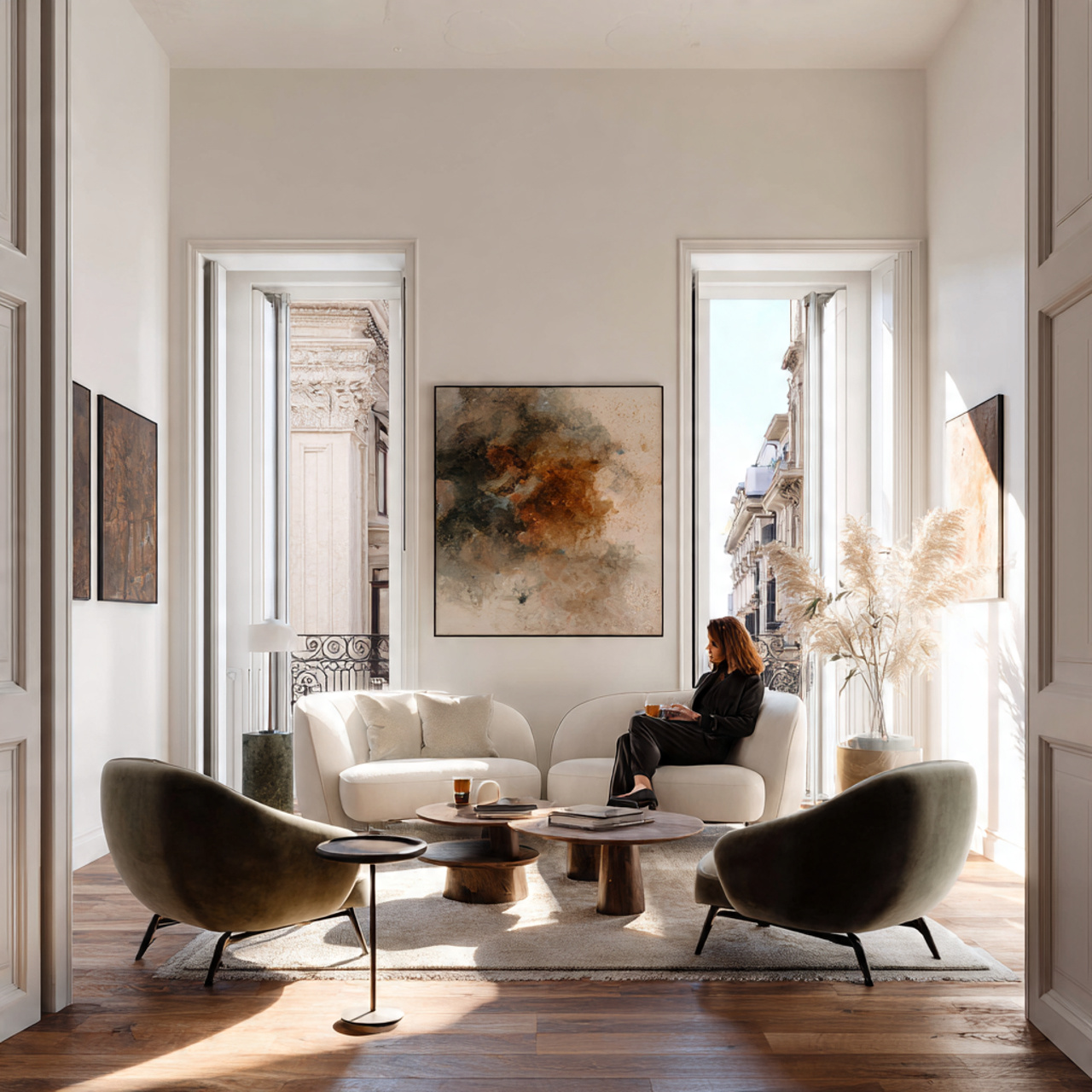
The floating furniture arrangement is a sophisticated technique where pieces are positioned in the middle of the room rather than being pushed against the baseboards. This creates a breathing space between the furniture and the walls, which paradoxically makes the entire room feel much larger and more airy. It breaks the visual boundary of the walls and allows shadows and light to move more freely throughout the space.
When implementing this idea, consider using a slim-profile sofa and a few lightweight armchairs that can be easily shifted as needed. This flexibility ensures that the room stays dynamic and adaptable to different activities, from quiet reading to hosting guests. Floating your furniture is a bold design choice that signals confidence and a deep understanding of modern interior aesthetics and spatial harmony.
Vertical Storage Integration Idea
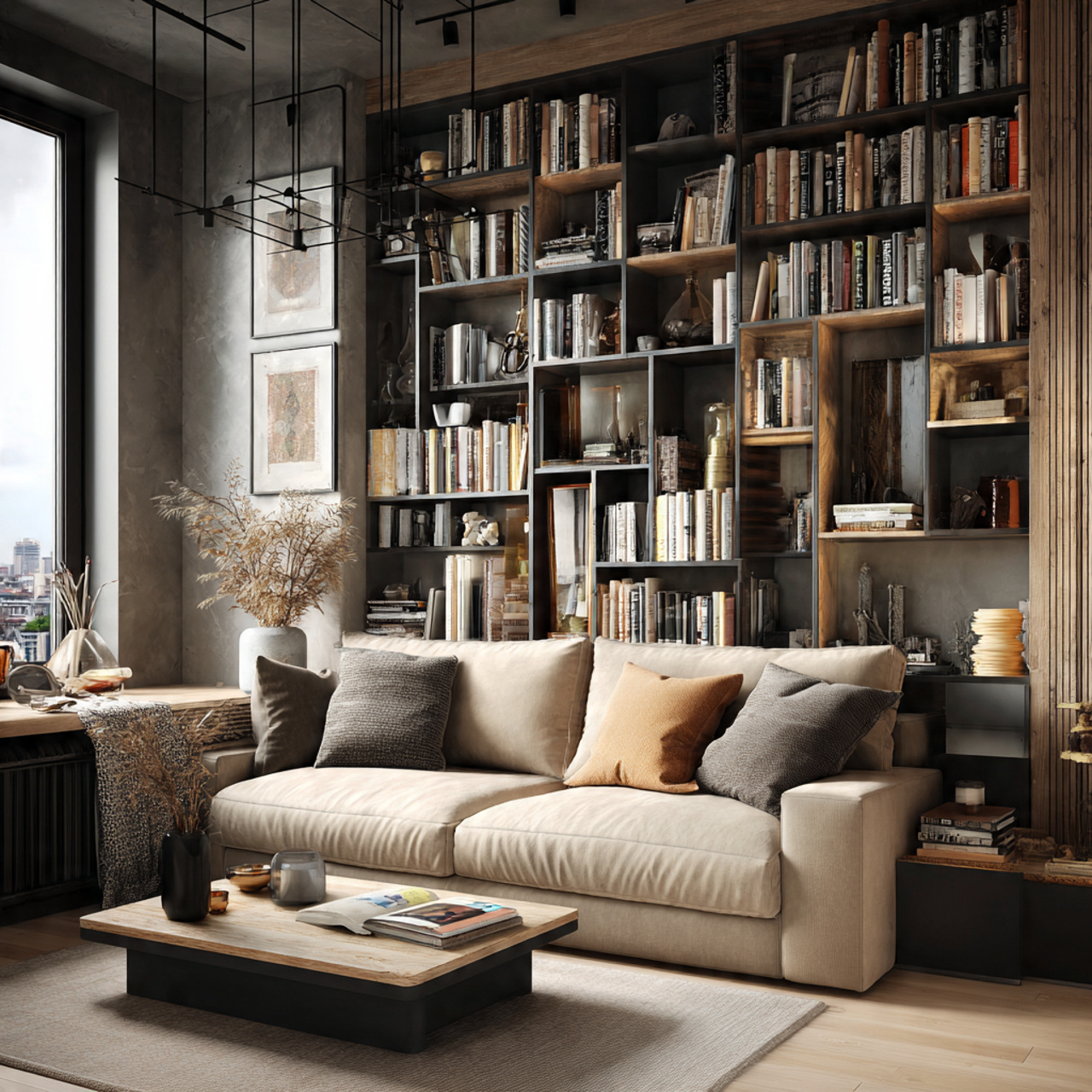
Vertical storage integration is a vital concept for anyone looking to maximize floor space without sacrificing the items that make a house feel like a home. By utilizing the full height of your walls with floor-to-ceiling shelving or high-mounted cabinets, you draw the eye upward and emphasize the vertical volume of the room. This shift in focus away from the floor creates an immediate sense of openness and organization.
These tall elements can house everything from your favorite books to decorative art pieces, acting as both a functional storage solution and a gallery wall. When the floor remains clear of clutter, the entire layout feels more intentional and less overwhelming. It is a smart way to ensure that your belongings are accessible and beautifully displayed while leaving plenty of room for comfortable movement and relaxation.
Open Concept Zoning Idea
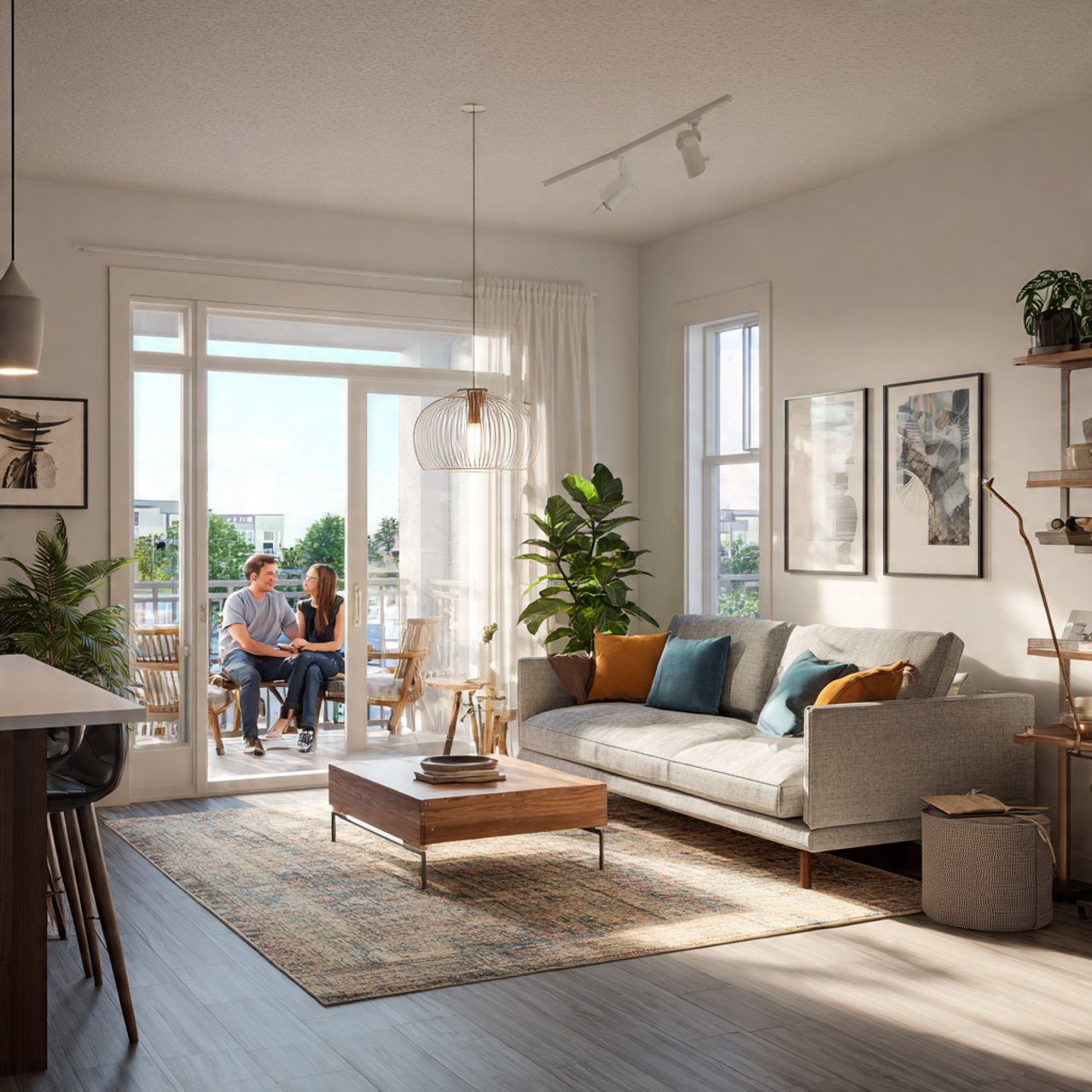
Open concept zoning is an essential strategy for small homes where the living area must share space with a dining nook or an entryway. By using rugs, lighting, or furniture placement to define distinct “zones,” you give each area its own identity without the need for restrictive physical walls. This maintains the flow of the entire floor plan while providing a structured feel to the daily functions of the home.
For instance, placing a sofa with its back to the dining area acts as a subtle room divider that keeps the lounging zone feeling private and cozy. This layout ensures that the different activities of the household can coexist beautifully in a single large area. It promotes a feeling of organized chaos where every item has its place and every activity has its dedicated corner for maximum enjoyment.
Mirror Reflection Expansion Idea
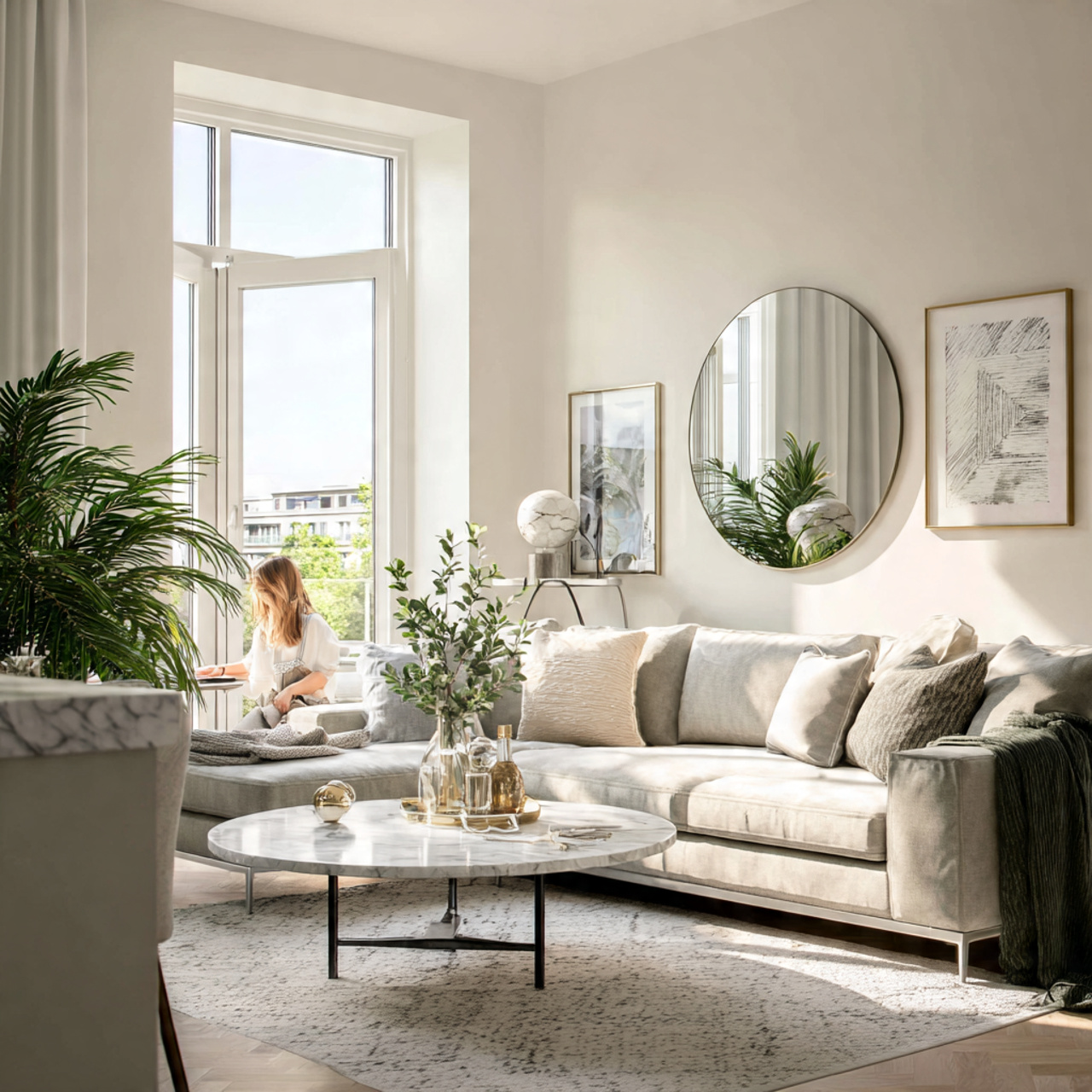
The mirror reflection expansion idea is a classic design move that uses large-scale mirrors to double the perceived depth of a small living area. By placing a substantial mirror opposite a window or behind a main seating piece, you bounce natural light deep into the room and create a “window” into a reflected space. This visual trickery is one of the most effective ways to make a compact room feel twice its actual size.
Beyond the functional benefits of light and space, a beautifully framed mirror serves as a major decorative focal point that adds elegance and shine. It reflects the textures and colors of the rest of the room, creating a layered and complex visual field that keeps the eye moving. This is a perfect example of how a single well-placed item can completely transform the atmosphere and scale of a small layout.
Multi Functional Corner Idea
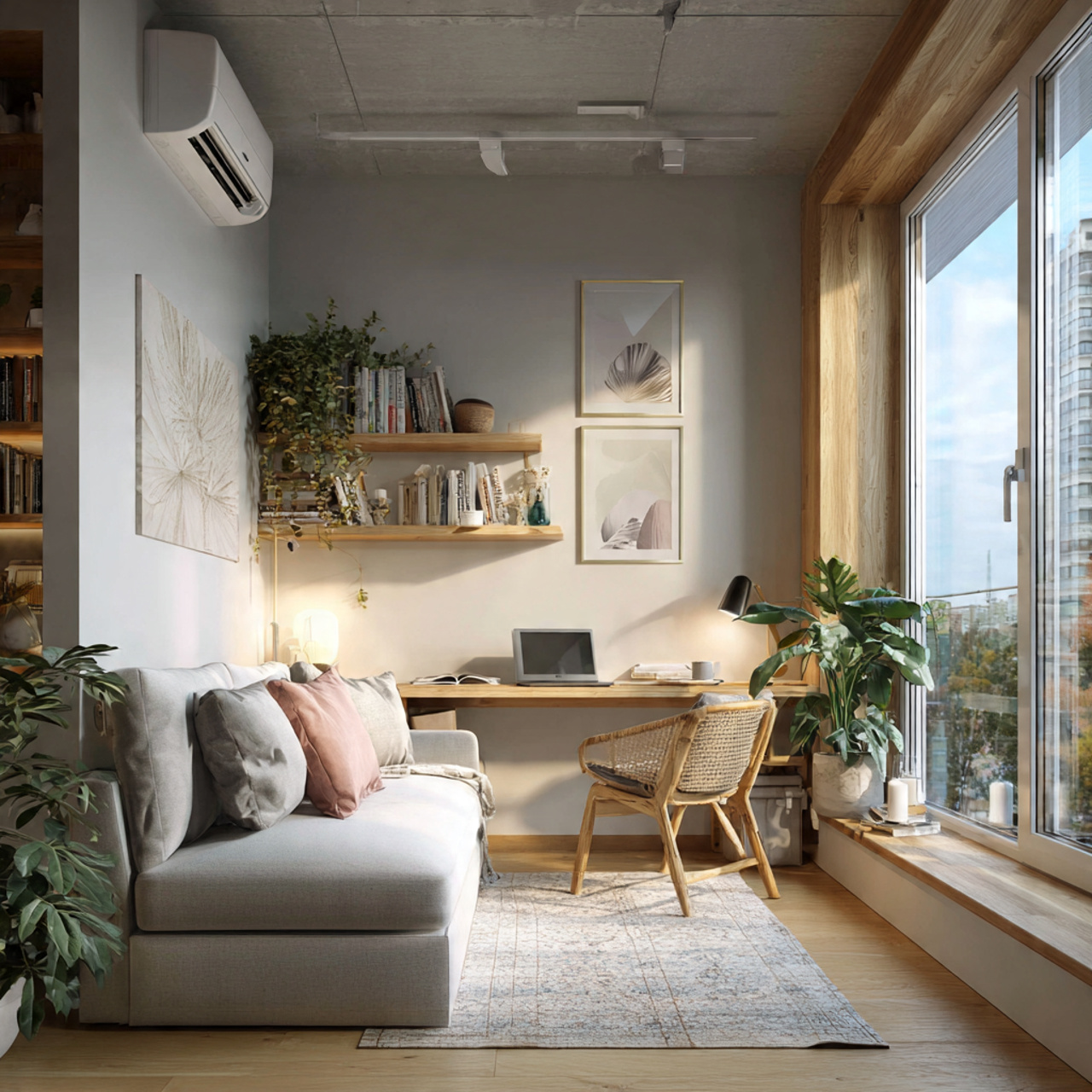
The multi functional corner idea focuses on utilizing those often-ignored nooks and crannies to add extra utility to your living space. A corner can be transformed into a tiny library, a cocktail bar, or a compact workstation with the addition of a small accent chair and a wall-mounted surface. This ensures that no part of the room goes to waste and that the layout serves multiple aspects of your lifestyle.
By treating a corner as a miniature room within a room, you add layers of interest and functionality that make the space feel more substantial. It encourages you to think about how you actually use your home and to tailor the environment to those specific needs. This approach is all about being resourceful and finding beauty in the smaller details of your interior architecture.
Minimalist Walkway Flow Idea
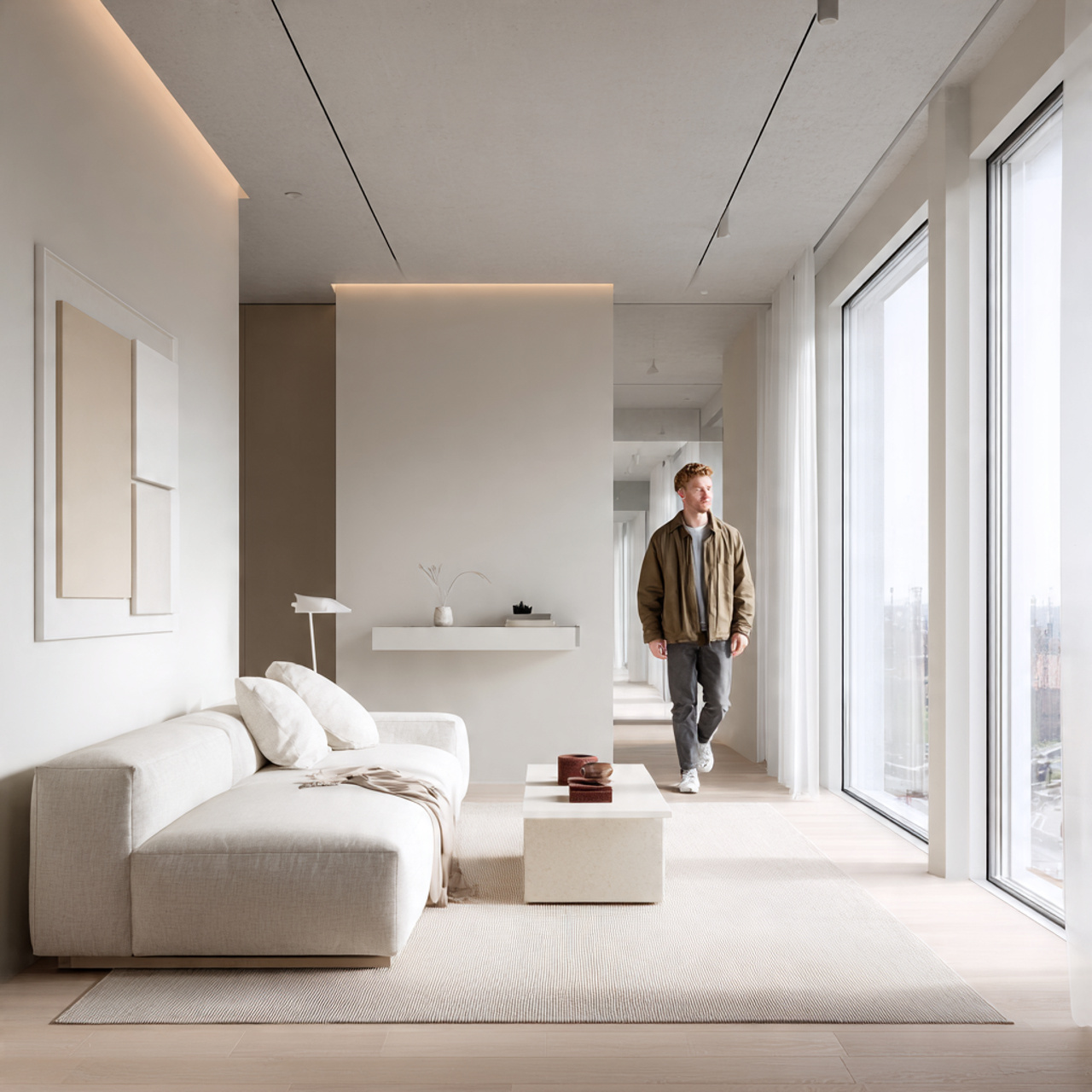
The minimalist walkway flow idea is about prioritizing the paths people take as they move through the room to ensure nothing feels blocked or cramped. By keeping the main transit lines clear of furniture and decor, you create a sense of effortless movement that makes the entire home feel more professional and organized. This layout is particularly important in small spaces where a single misplaced ottoman can feel like a major obstacle.
Using smaller-scale furniture and ensuring there are at least two feet of clearance in major walkways will keep the energy of the room feeling light and easy. This doesn’t mean the room has to be empty; rather, it means every piece is positioned with precision to respect the natural movement of the human body. A clear path is the secret to a living room that feels peaceful and purposefully designed.
Symmetry Based Balance Idea
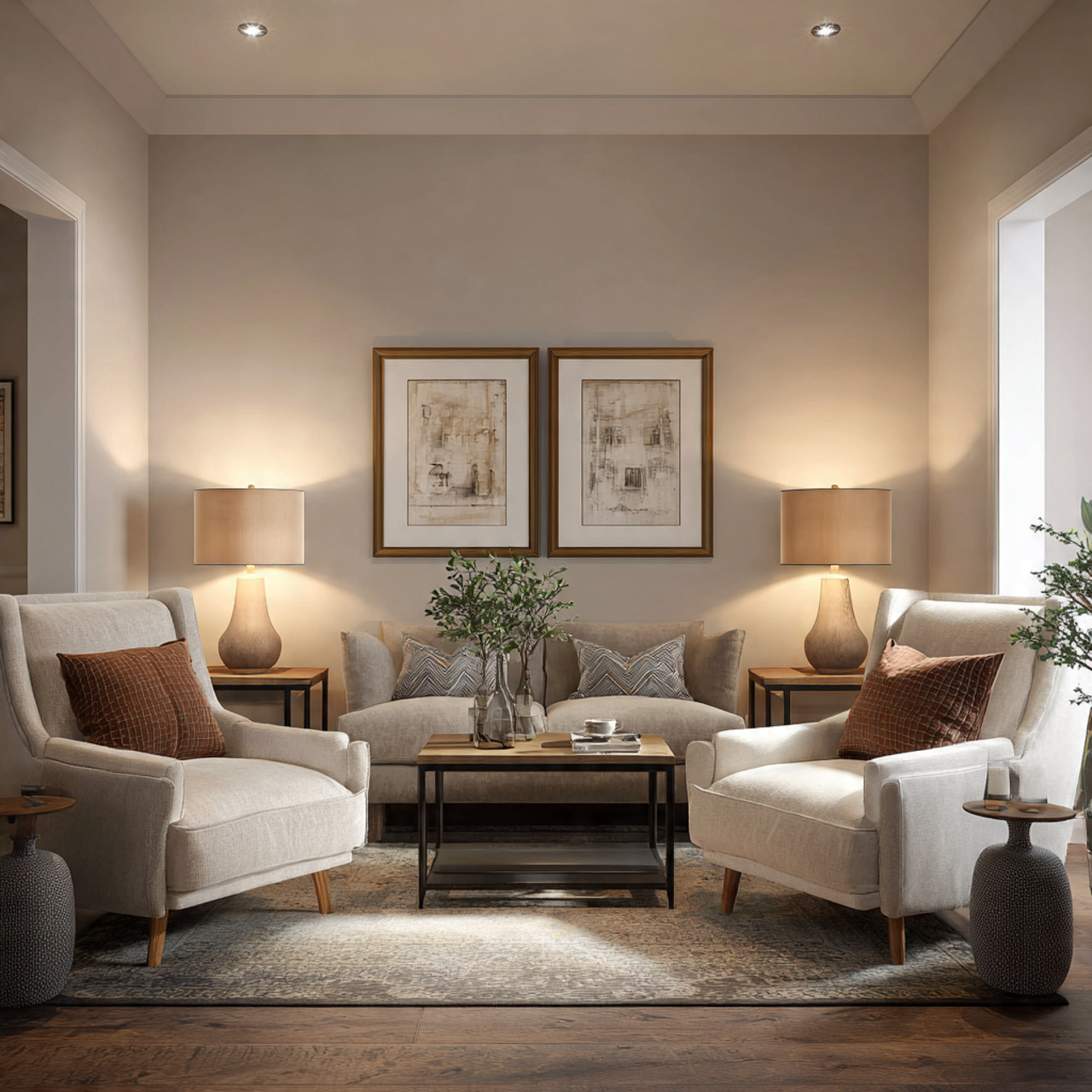
The symmetry based balance idea uses pairs of identical items—like matching armchairs or twin side tables—to create a sense of order and calm. Symmetry is naturally pleasing to the human eye and can make a small, cluttered area feel instantly more composed and high-end. By centering the room around a fireplace or a large piece of art and mirroring the furniture on either side, you establish a strong structural foundation.
This layout works exceptionally well for formal seating areas where the goal is to create a polished and inviting environment. Even in a very small room, a symmetrical arrangement provides a clear focal point that grounds the space and prevents it from feeling chaotic. It is a timeless design principle that brings a sense of traditional elegance to any modern home regardless of its physical dimensions.
Window Centered Seating Idea
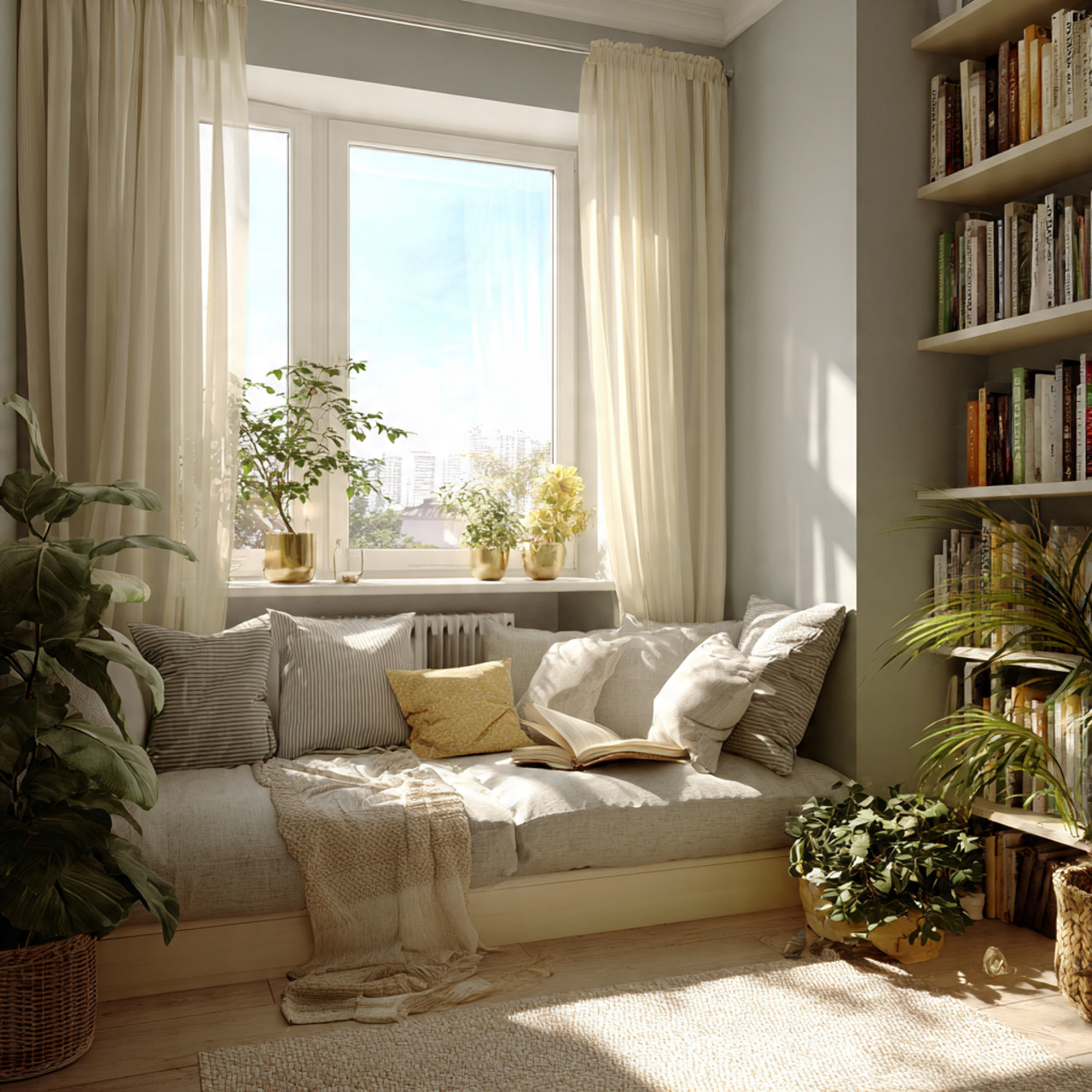
A window centered seating idea involves placing your primary sofa or a pair of chairs directly in front of your largest source of natural light. This invites the outdoors in and turns the view outside into a living piece of artwork for your interior. By framing the window with your furniture, you capitalize on the brightest part of the room, making the seating area feel cheerful and expansive throughout the day.
This layout also helps to maximize floor space by utilizing the area against the exterior wall, which is often left empty in larger homes. If your window has a deep sill, you can even incorporate it as a built-in side table for plants or books. It is a wonderful way to connect your indoor living experience with the rhythm of the natural world outside your door.
Diagonal Furniture Placement Idea
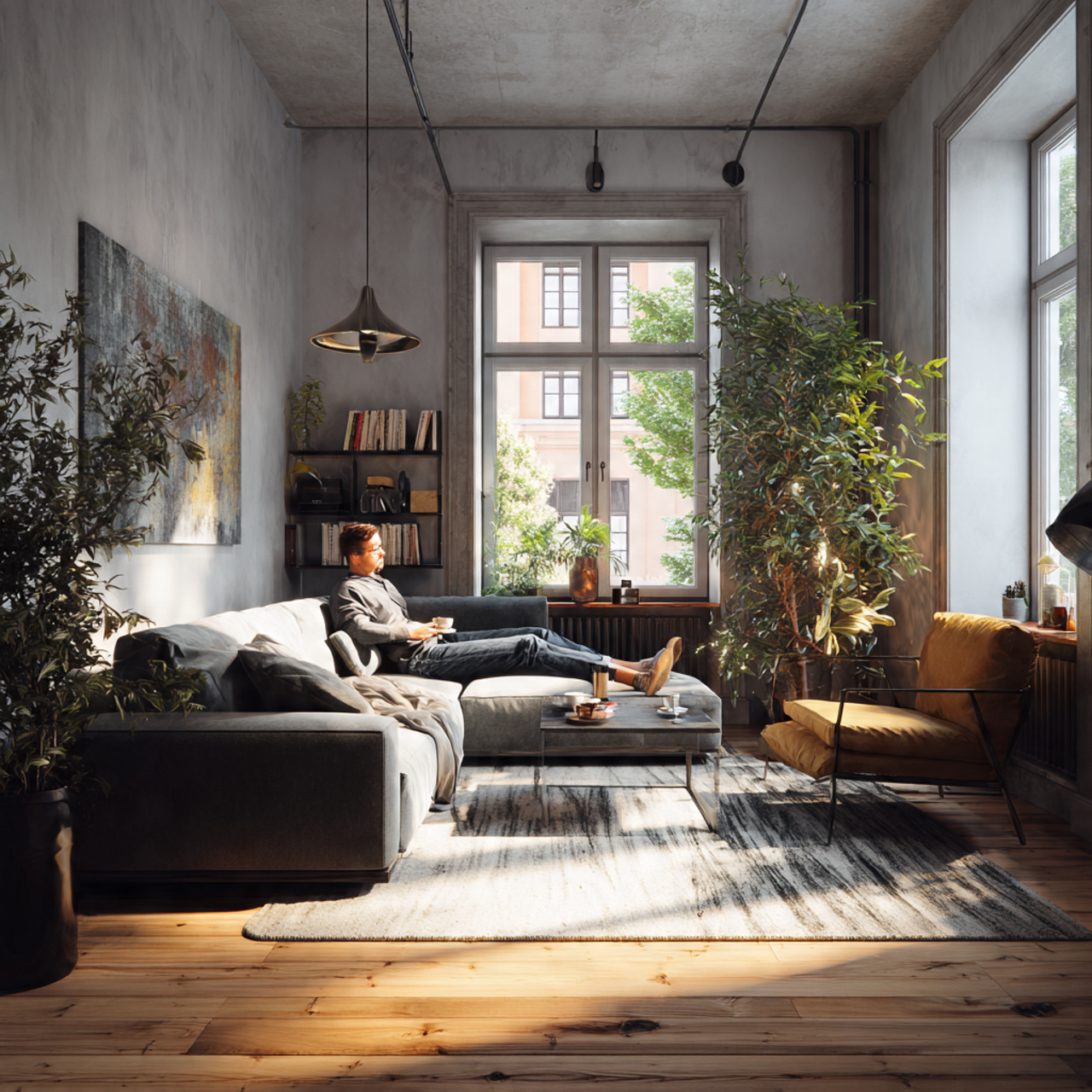
The diagonal furniture placement idea is a creative way to break up the “boxy” feel of a square or rectangular room. By angling your main pieces at a 45-degree angle to the walls, you create longer sightlines across the room, which can make the space feel much wider than it actually is. It adds a dynamic sense of movement and energy to the layout that traditional straight-line arrangements often lack.
This approach creates interesting triangular pockets of space behind the furniture that are perfect for tall floor lamps or large indoor trees. It is a slightly unconventional choice that pays off by making the room feel custom-designed and architecturally interesting. If you feel stuck with a layout that seems too rigid, shifting things to a diagonal can provide an immediate breath of fresh air.
Nesting Table Versatility Idea
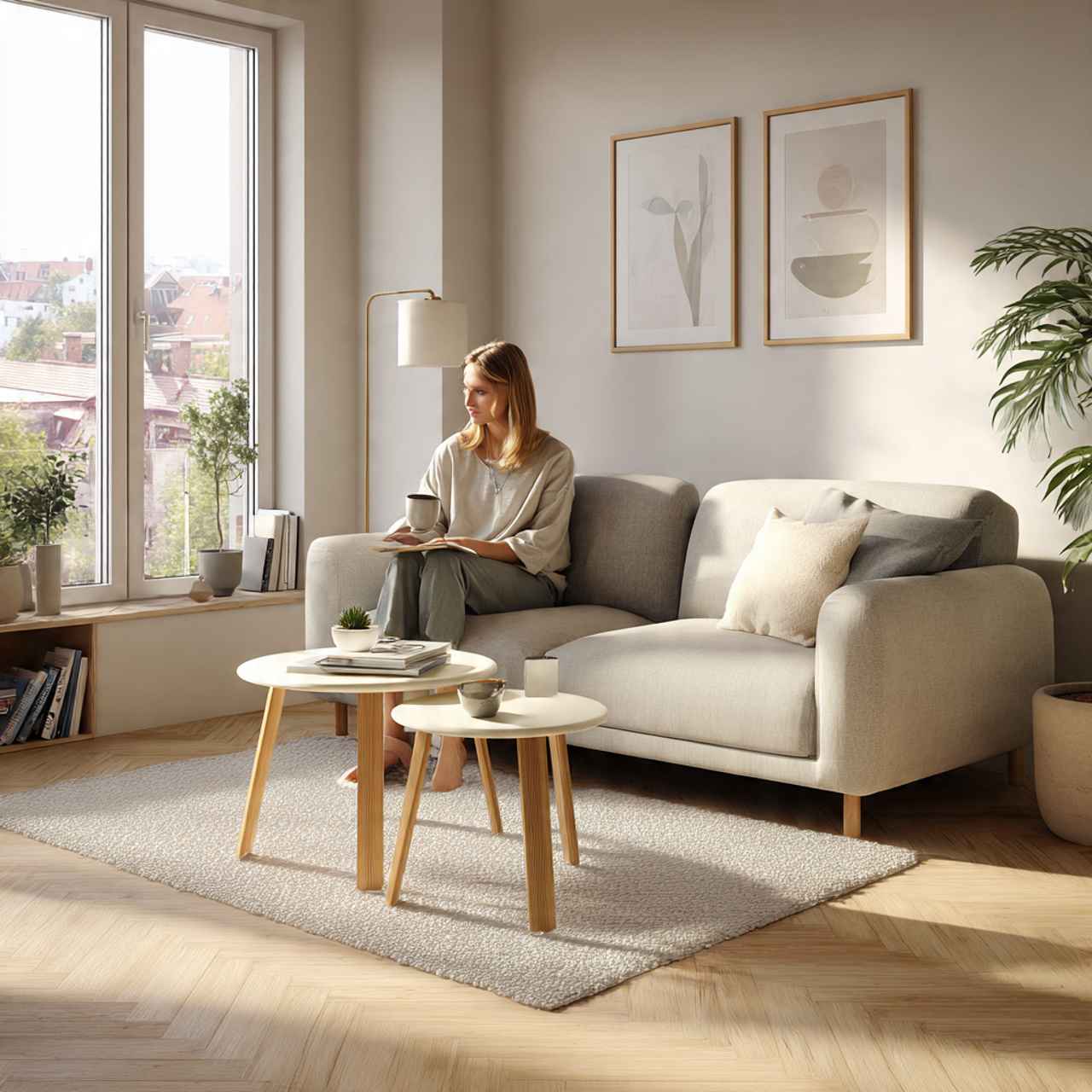
Nesting table versatility is a fantastic solution for small living rooms that need to adapt to different social situations at a moment’s notice. These tables stack neatly together when not in use to save floor space, but they can be pulled apart to provide extra surfaces for drinks or snacks when guests arrive. This adaptability is the hallmark of a truly smart small-space furniture selection.
Choosing nesting tables with metallic finishes or glass tops can also add a touch of glamour without adding visual bulk. They offer the functionality of several pieces of furniture while only taking up the footprint of one. This idea is perfect for those who love to entertain but don’t want their living room to feel cluttered with permanent, heavy surfaces during the rest of the week.
Low Profile Furniture Aesthetic Idea
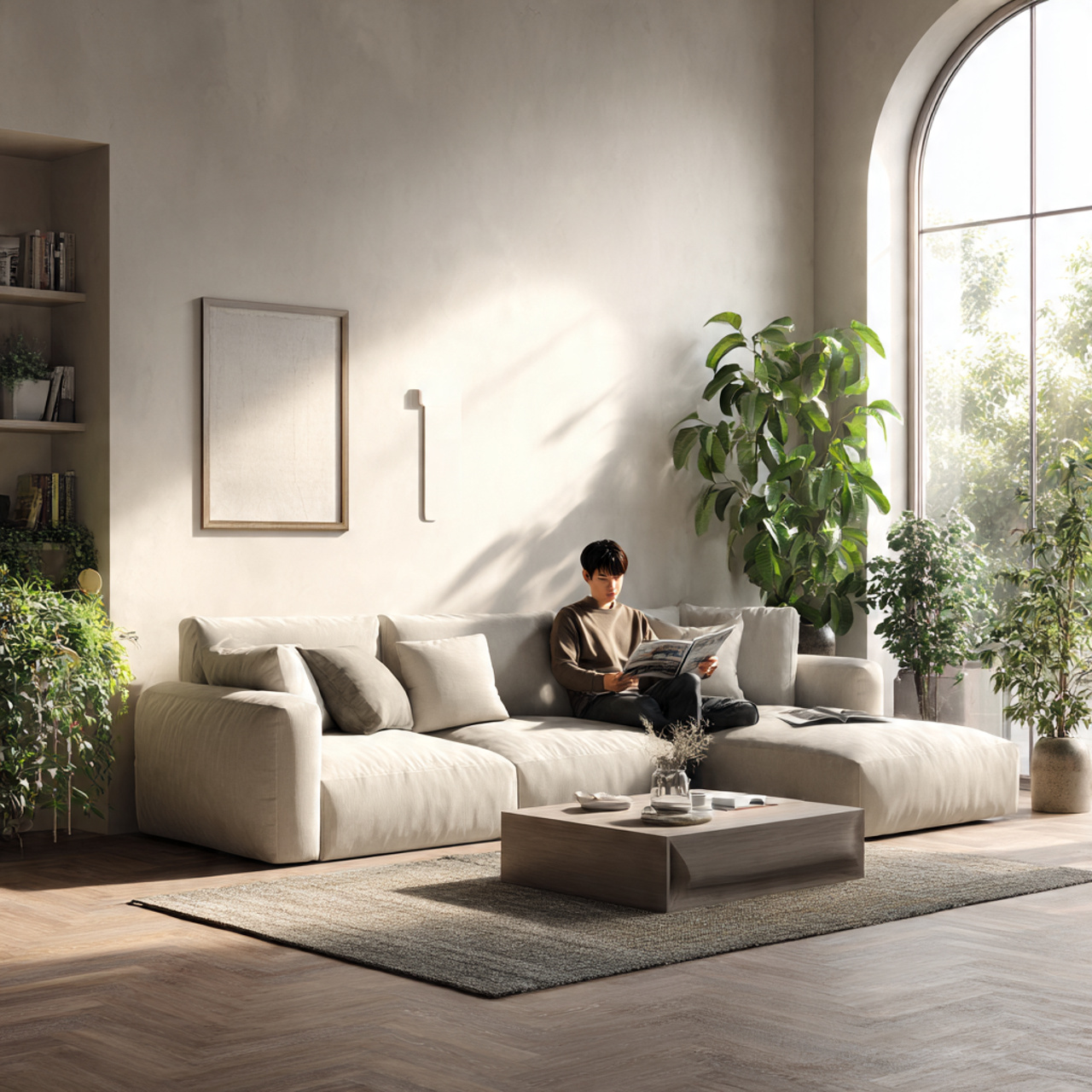
The low profile furniture aesthetic idea suggests using sofas and chairs that sit closer to the ground to create an unobstructed view across the room. When furniture is low, it leaves more wall space visible above the pieces, which gives the illusion of much higher ceilings. This makes the entire atmosphere feel more relaxed, modern, and grounded, echoing mid-century or Japanese design styles.
By keeping the horizon line of your furniture low, you prevent the room from feeling “stuffed” or top-heavy. This works especially well in attic apartments or homes with smaller windows where preserving every bit of light and air is essential. It encourages a lounge-like vibe that is perfect for unwinding after a long day in a space that feels cozy rather than confining.
Built In Seating Alcove Idea
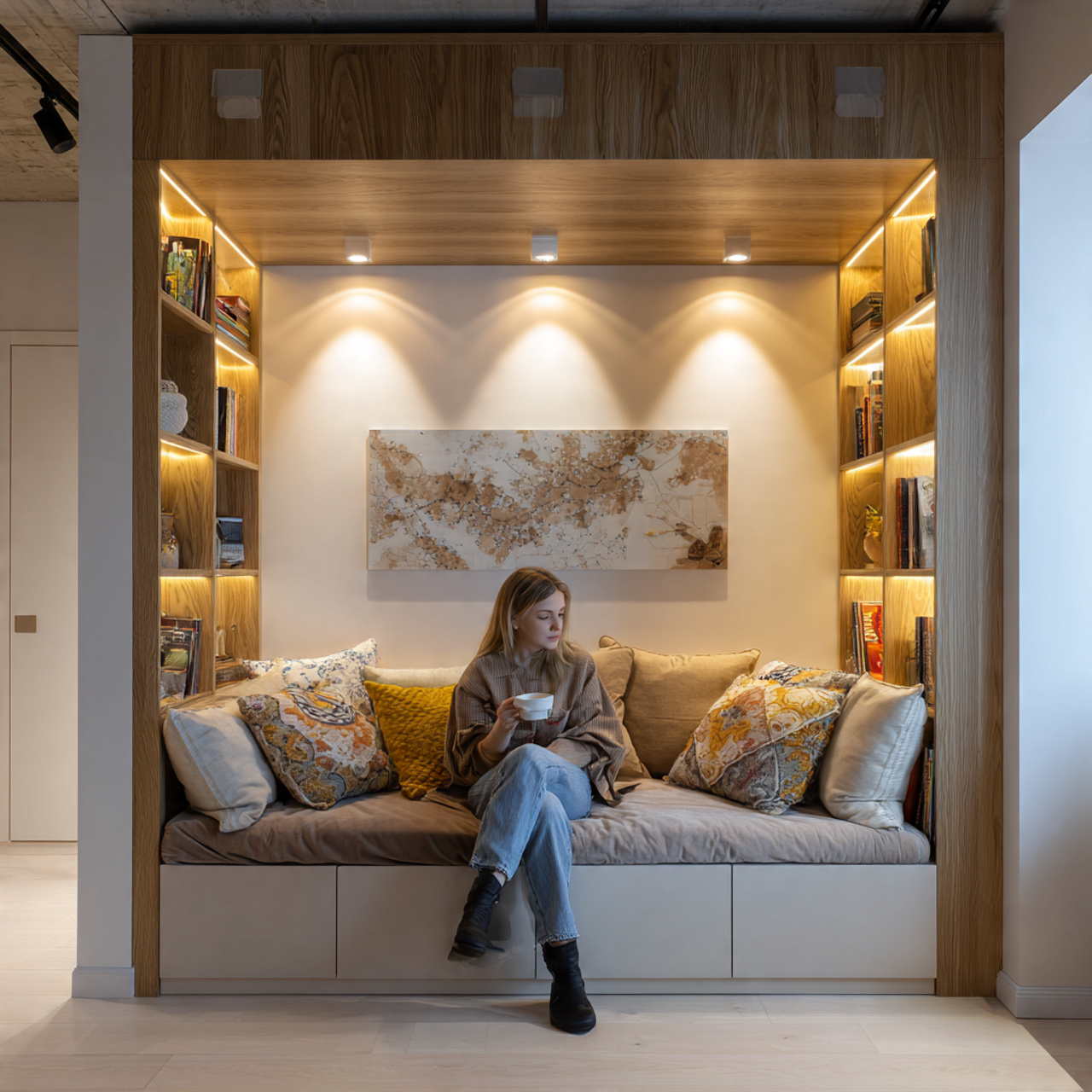
A built in seating alcove idea is a great way to turn a structural challenge into a beautiful design feature. If your room has a recessed wall or an awkward corner, installing a custom bench or banquette can save significant space compared to a freestanding sofa. These built-ins often include hidden storage underneath the seat, providing a double-duty solution for blankets, games, or seasonal decor.
Because the seating is flush with the wall, it frees up the center of the floor for other activities or a larger rug. You can dress up the alcove with plenty of plush cushions and soft lighting to create the ultimate reading nook. It is a high-impact way to make a small living room feel expensive and tailored to the specific dimensions of your home.
Area Rug Definition Idea
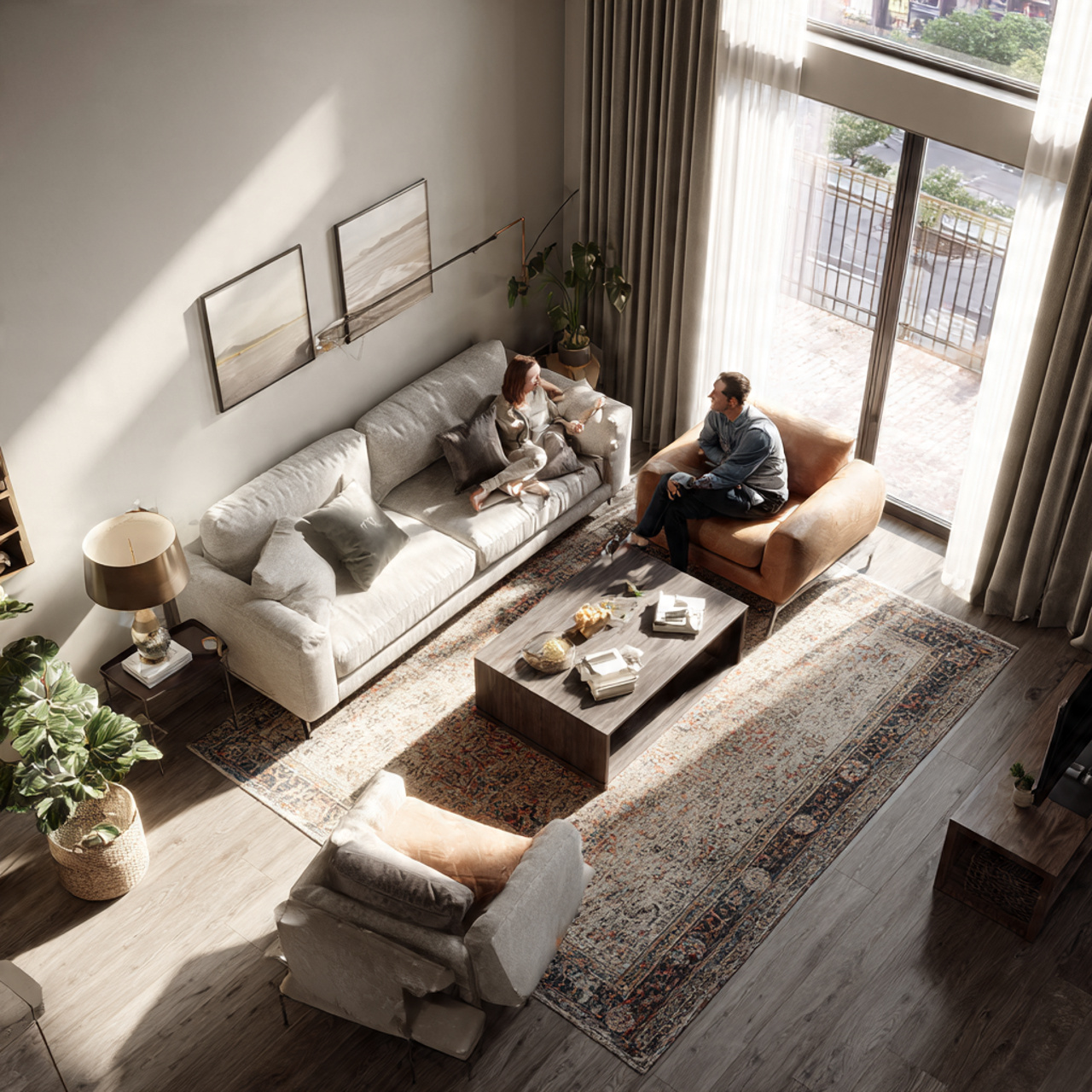
The area rug definition idea is about using a large, high-quality rug to tie all the disparate elements of your living room together. In a small space, a rug that is too small can make the room look fragmented and tiny, whereas a large rug that sits under all the furniture legs makes the floor area appear expansive and unified. The rug acts as a “stage” for your furniture, clearly marking out the lounging zone.
Choosing a rug with a subtle pattern or a rich texture can add depth to the room without overwhelming the senses. It provides a soft foundation that makes the room feel warmer and more inviting, which is crucial for smaller areas that might otherwise feel cold. This simple change in the layout can completely shift the perceived scale and luxury of your entire living environment.
Visit Also: living room sofa design
Transparent Acrylic Accent Idea
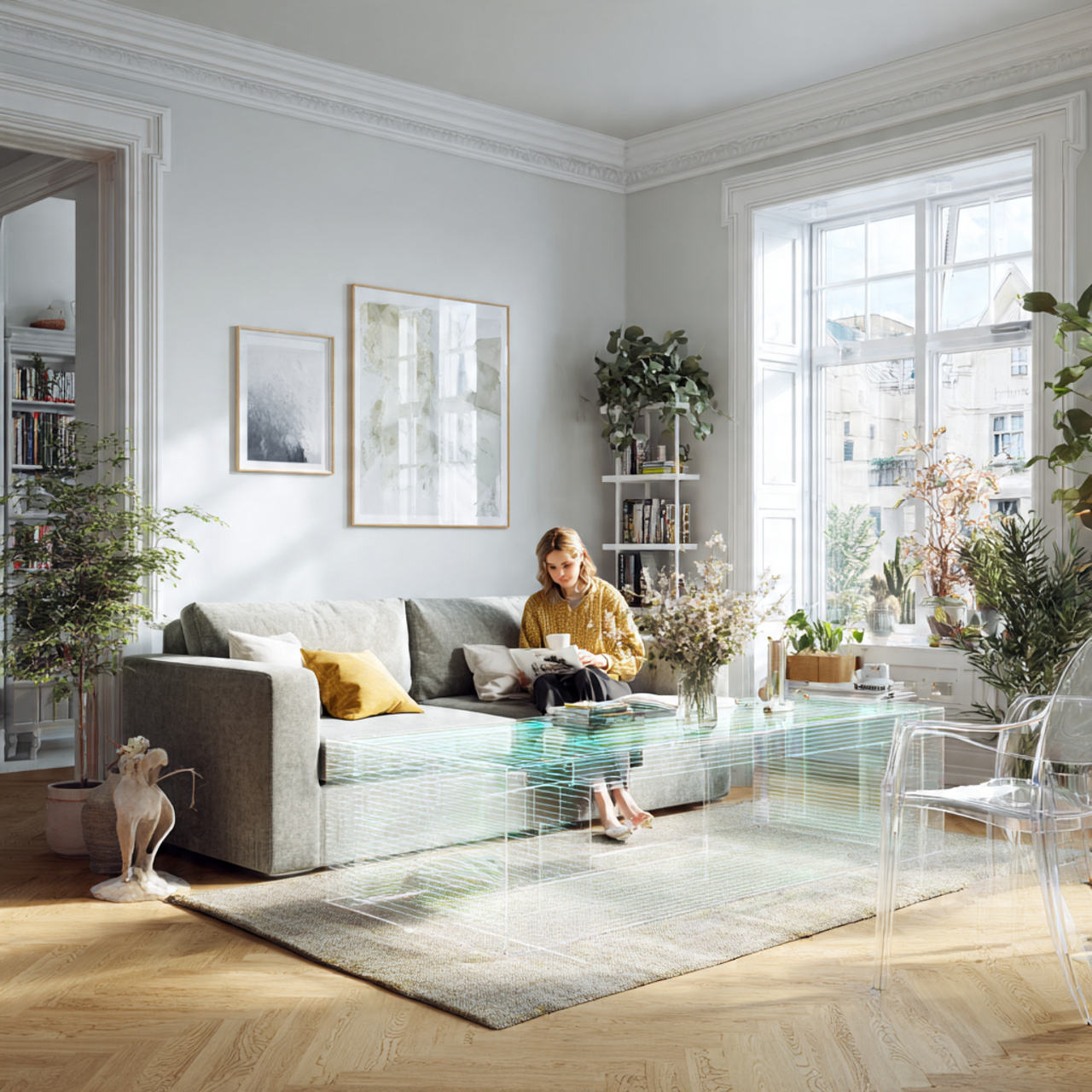
Using a transparent acrylic accent idea is a clever way to add functional surfaces to a room without adding any visual weight. Pieces like “ghost” chairs or clear coffee tables provide all the utility you need while remaining almost invisible to the eye. This allows the floor and the rest of your decor to shine through, maintaining a sense of openness and light that solid furniture would block.
These pieces are incredibly versatile and can fit into almost any design style, from ultra-modern to eclectic. They are especially effective in very tight layouts where every inch of visibility counts toward making the room feel breathable. Incorporating at least one transparent element can give your small living room a sophisticated, airy quality that feels very contemporary and fresh.
Tall Greenery Focal Point Idea
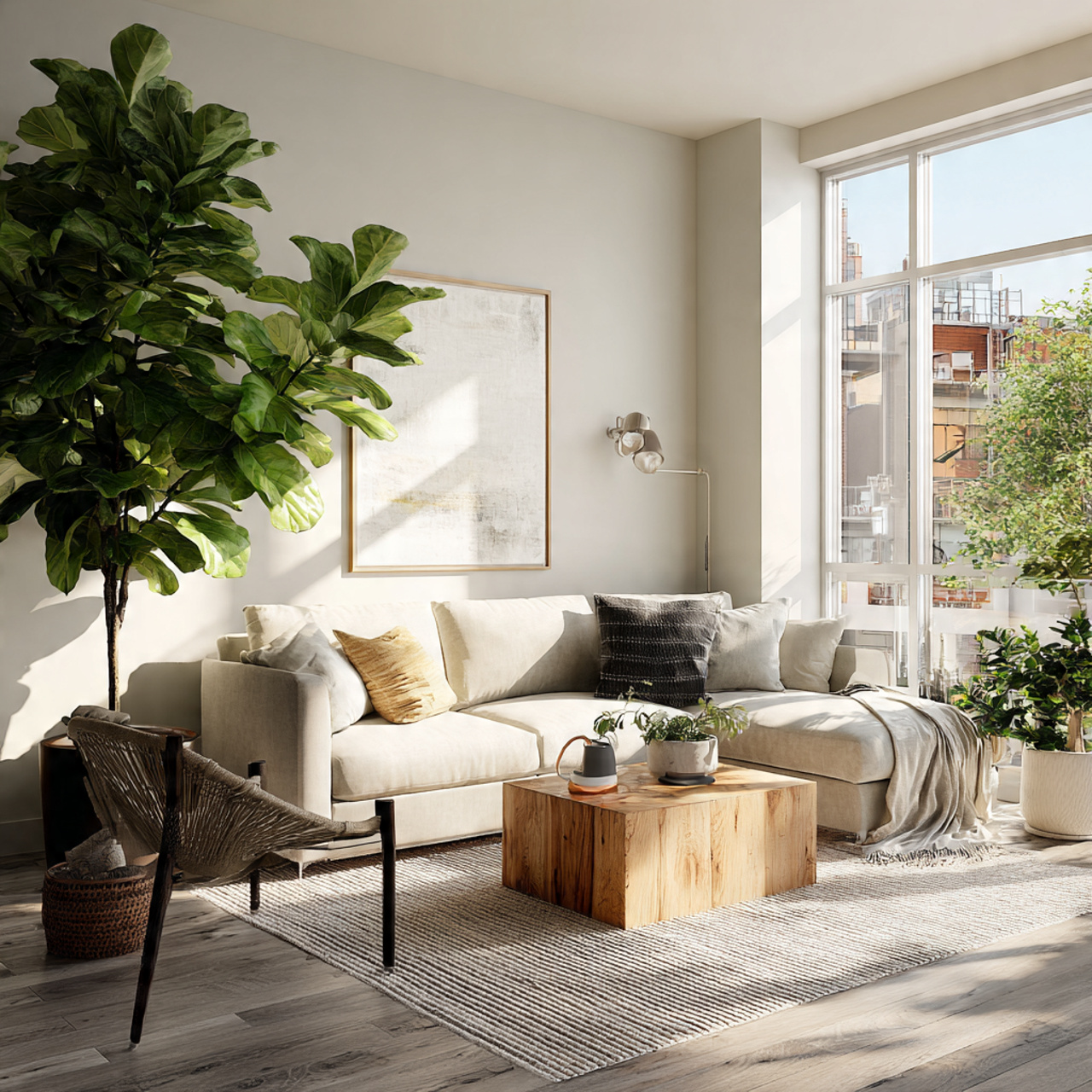
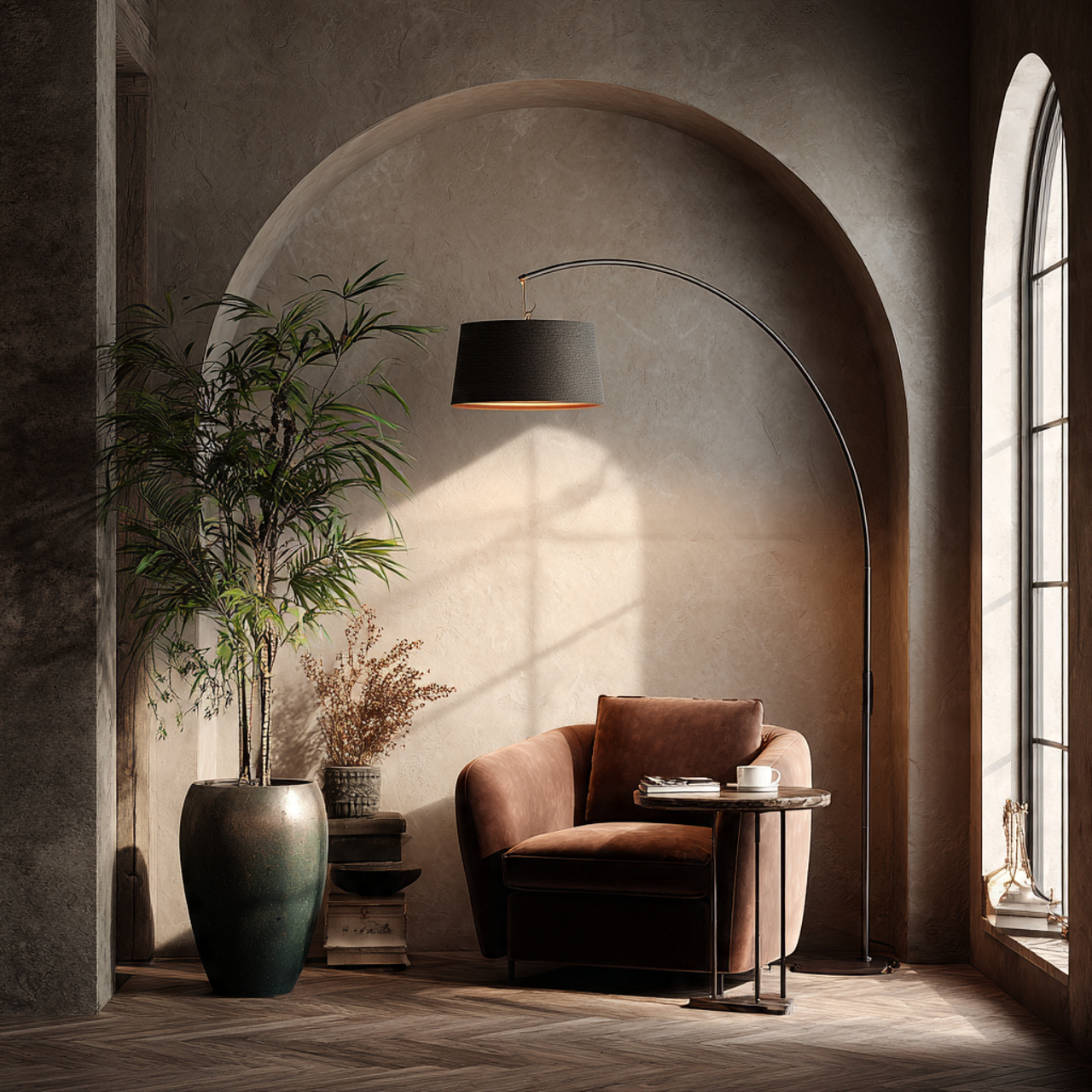
A tall greenery focal point idea involves placing a large, vertical plant like a Fiddle Leaf Fig or a Bird of Paradise in a corner to bring life and height to the room. Plants add a vibrant organic element that softens the hard lines of furniture and walls, making the space feel more relaxed and lived-in. Their height draws the eye upward, similar to vertical shelving, emphasizing the volume of the space.
Beyond the aesthetic benefits, plants improve air quality and add a sense of peace to the home. In a small layout, a single large plant is often more effective than many small ones, as it provides a clear focal point without cluttering up surfaces. It is an affordable and beautiful way to introduce color and natural energy into your interior design scheme.
Statement Lighting Centered Idea
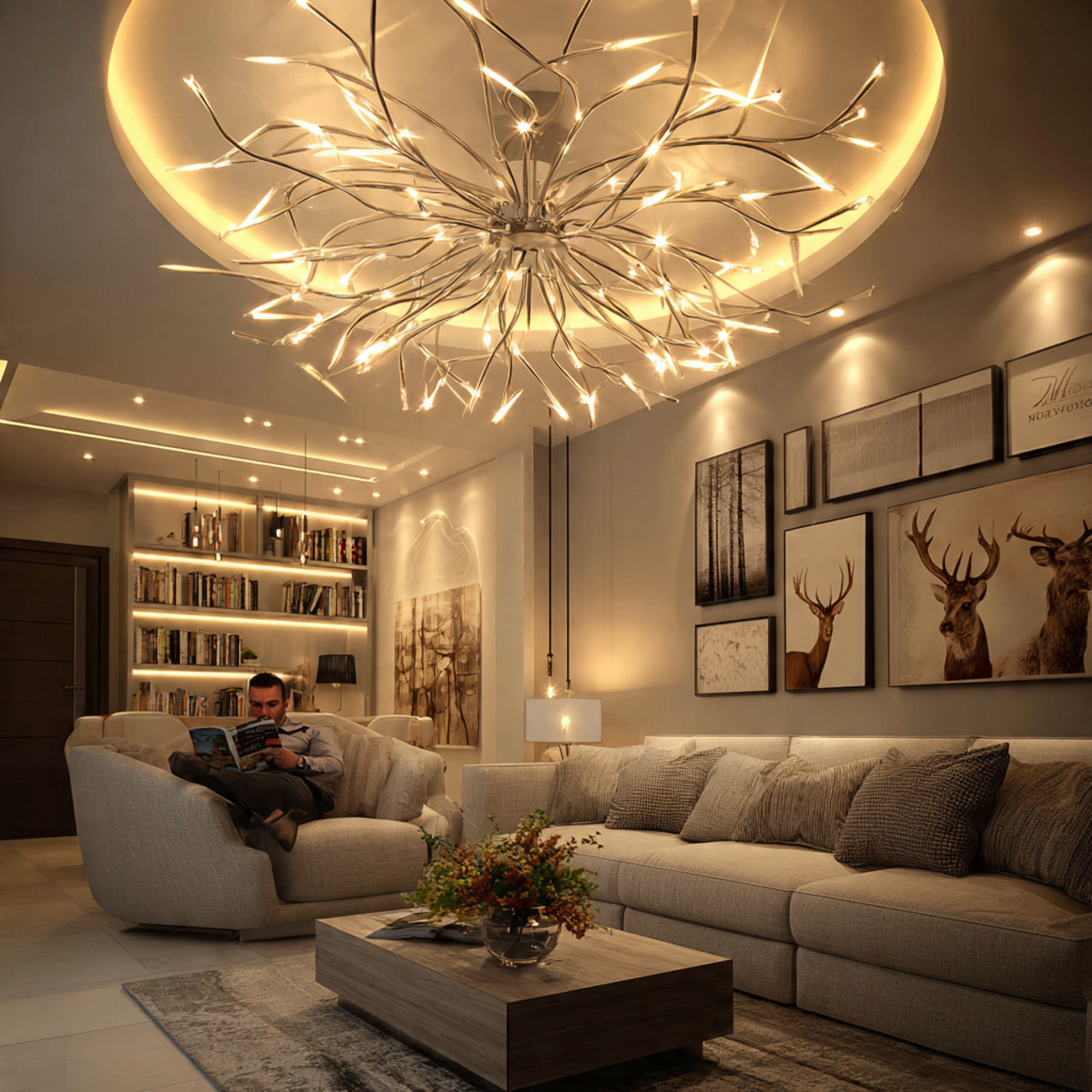
The statement lighting centered idea focuses on using a bold chandelier or a large pendant light to anchor the entire room from above. When you have a striking light fixture in the center of the ceiling, it draws the eye up and creates a sense of drama that makes the room feel more significant. Lighting is often called the “jewelry” of a room, and in a small space, it can truly be the star of the show.
Ensure the scale of the light is appropriate; sometimes a slightly oversized fixture can actually make a room feel larger by asserting its presence. Coupled with layered lighting like floor lamps and sconces, a central statement piece ensures the room is well-lit and full of character. This layout strategy proves that you don’t need a lot of square footage to make a massive design statement.
Sectional Sofa Corner Idea
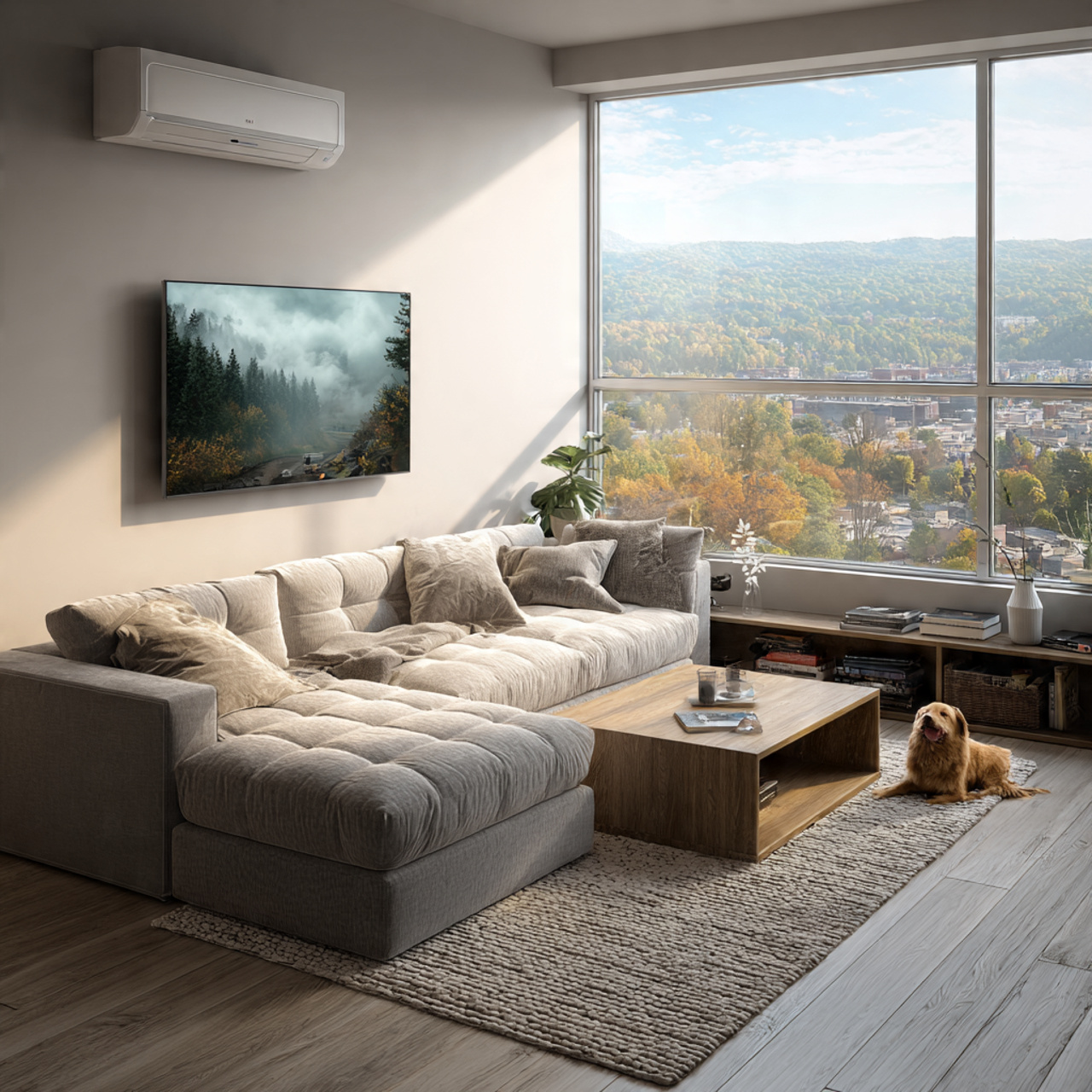
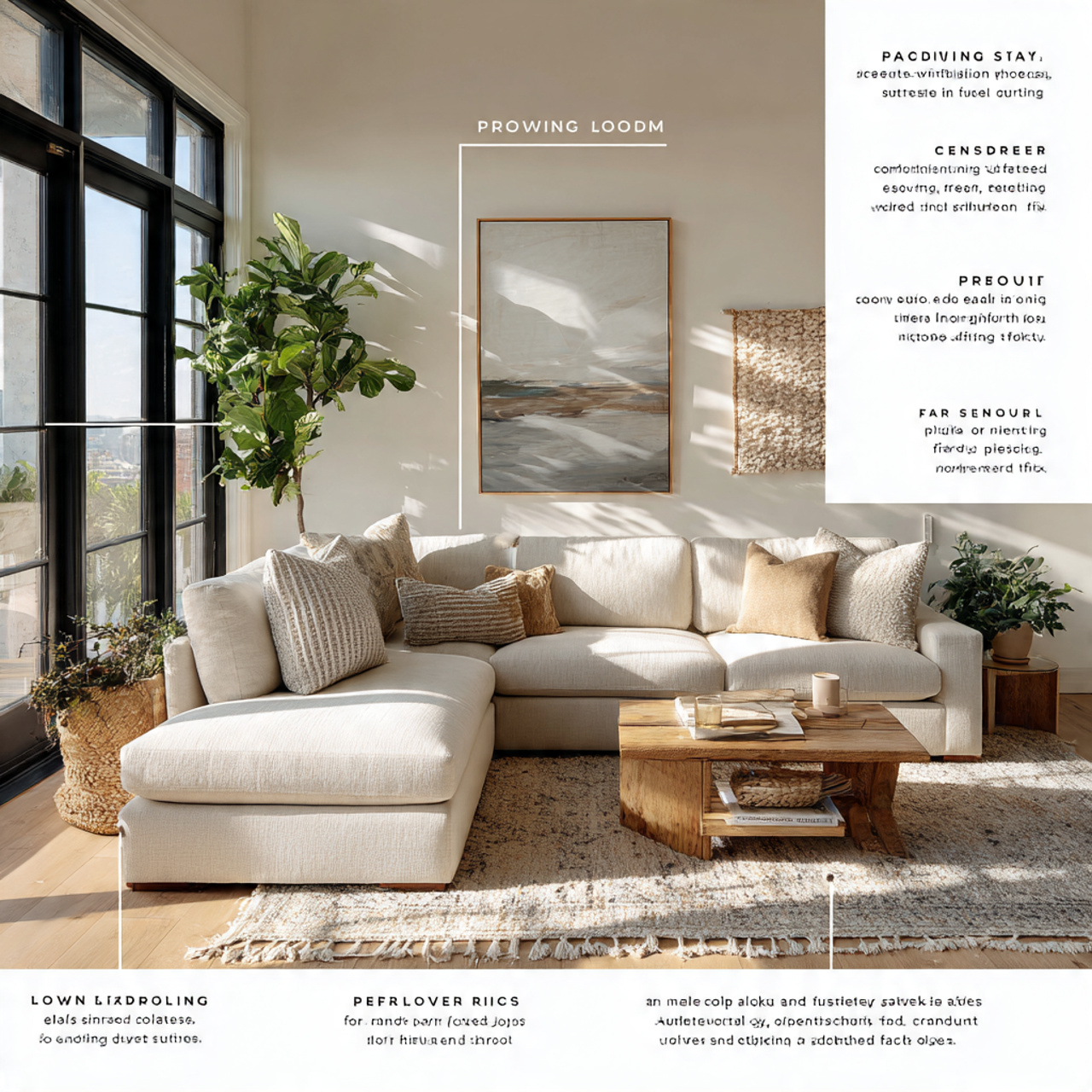
The sectional sofa corner idea is a popular choice for small families who want to maximize seating without cluttering the room with multiple chairs. An L-shaped sectional tucked into a corner provides a large, continuous lounging area that keeps the center of the room open. This configuration is incredibly efficient and creates a cozy “nest” feeling that is perfect for movie nights or relaxing.
When choosing a sectional for a small room, look for one with slim arms and exposed legs to keep it from looking too heavy. By consolidating your seating into one main piece, you simplify the layout and make the room feel much more organized. It is a practical and comfortable solution that prioritizes relaxation and togetherness in a compact environment.
Wall Mounted Entertainment Idea
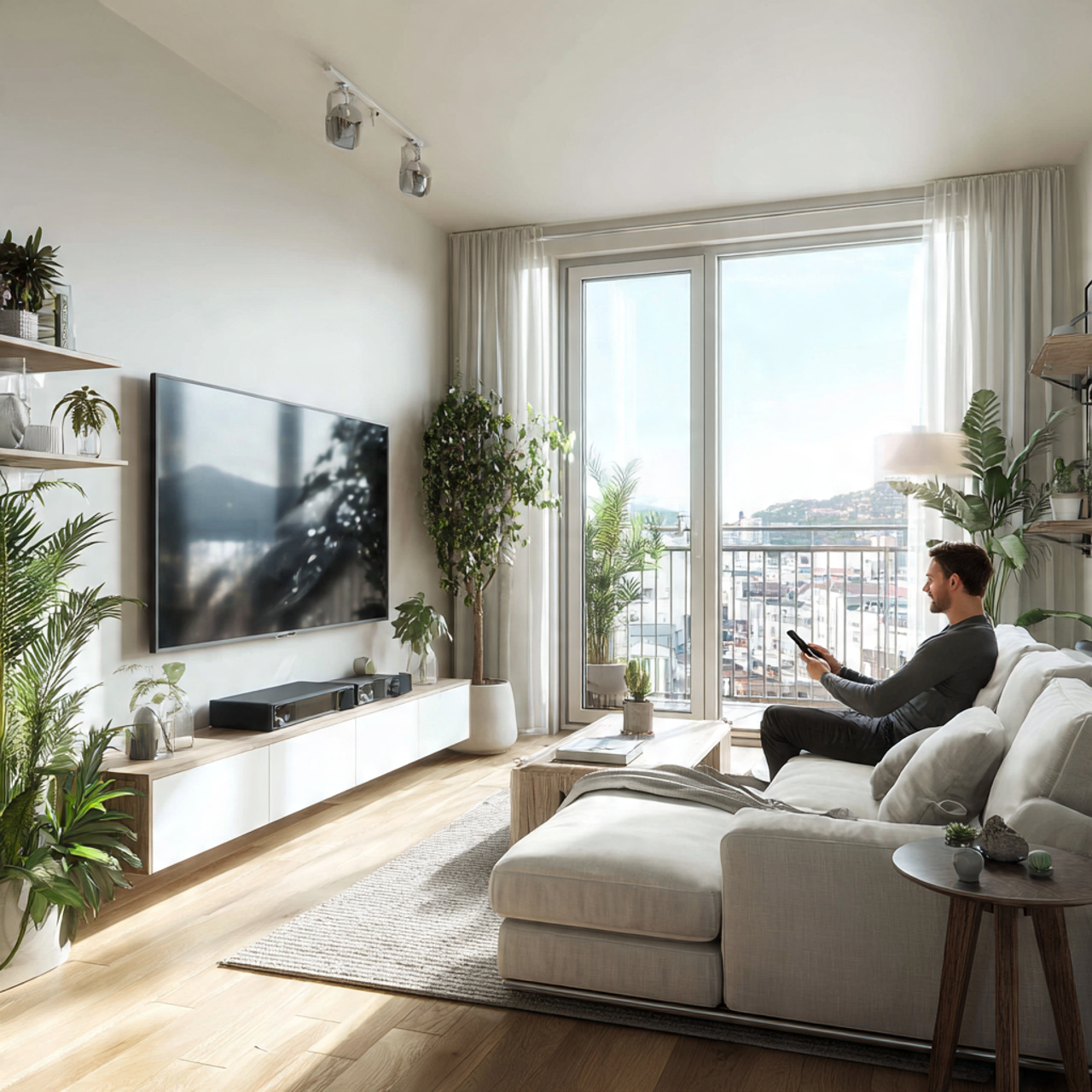
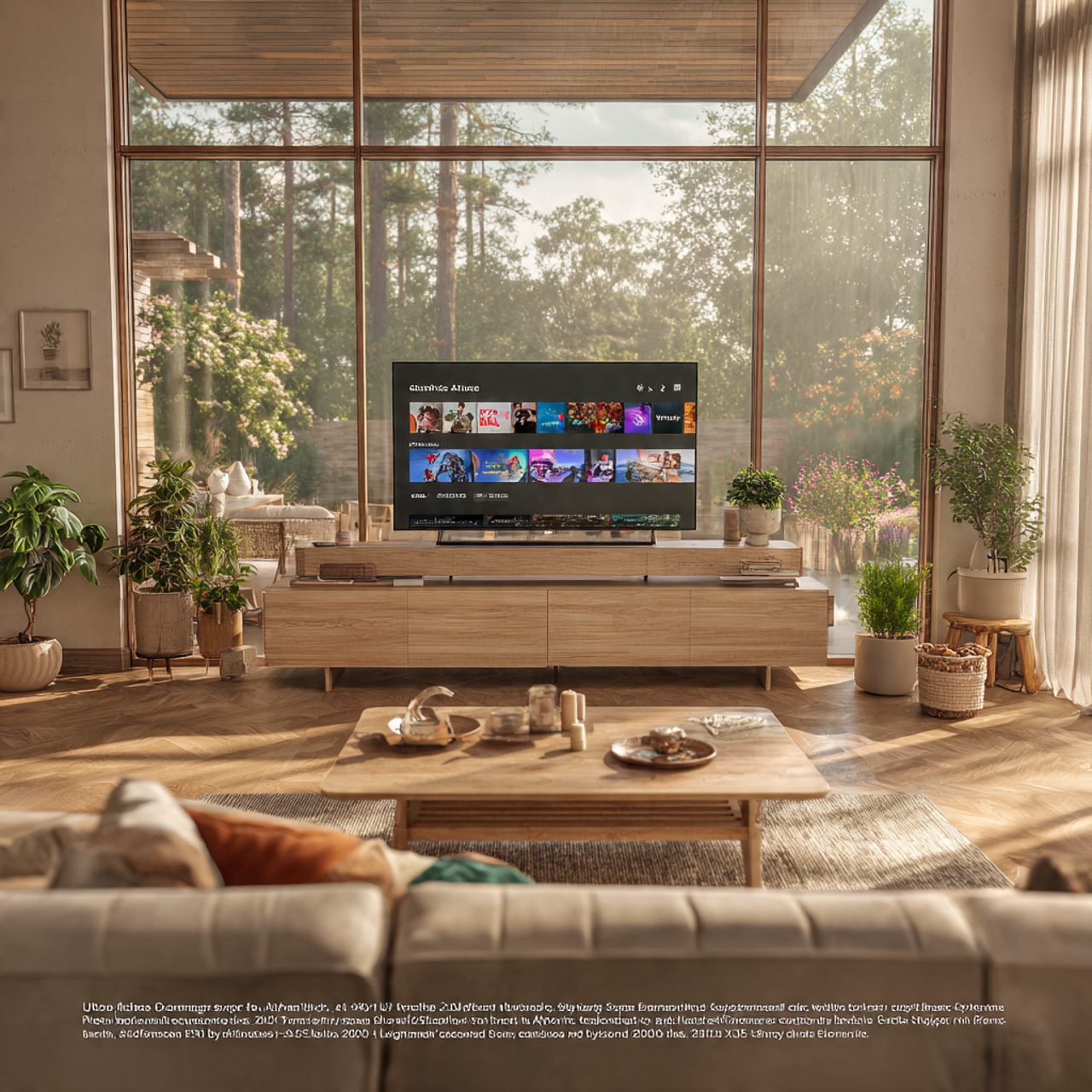
A wall mounted entertainment idea is essential for saving precious floor space in a small living area. By mounting your television and any media consoles directly to the wall, you eliminate the need for a bulky TV stand that would otherwise eat up several square feet of room. This creates a clean, streamlined look that feels modern and keeps the floor area completely clear.
You can surround the wall-mounted screen with art or floating shelves to integrate it into the room’s decor rather than having it stand out as a black rectangle. This approach allows you to place other small items, like stools or plants, underneath the mounted units if needed. It is a sleek way to handle technology in a home while maintaining a focus on style and spatial efficiency.
Back To Back Seating Idea
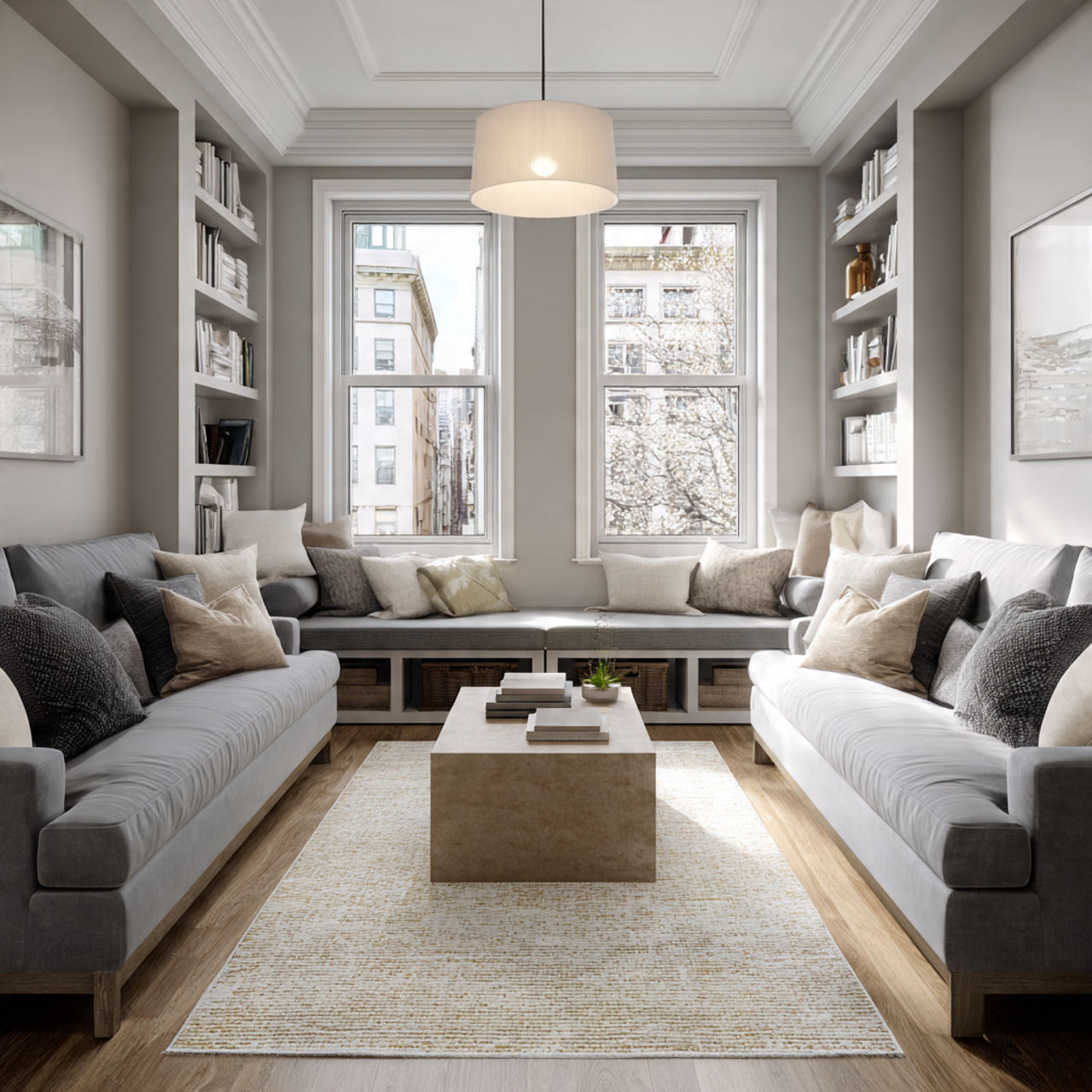
The back to back seating idea is a unique layout for long, narrow living rooms where you need to create two separate functional areas. By placing two small sofas or a sofa and a bench back-to-back in the middle of the room, you can create a TV zone on one side and a reading or fireplace zone on the other. This maximizes the utility of a “bowling alley” style room without making it feel like a hallway.
This layout encourages different activities to happen simultaneously in the same room without people getting in each other’s way. It uses the furniture itself as a partition, which is much more flexible and light-filled than using a bookshelf or a screen. It is a clever way to handle tricky architectural dimensions while adding a layer of sophistication to your floor plan.
Entryway Transition Zone Idea
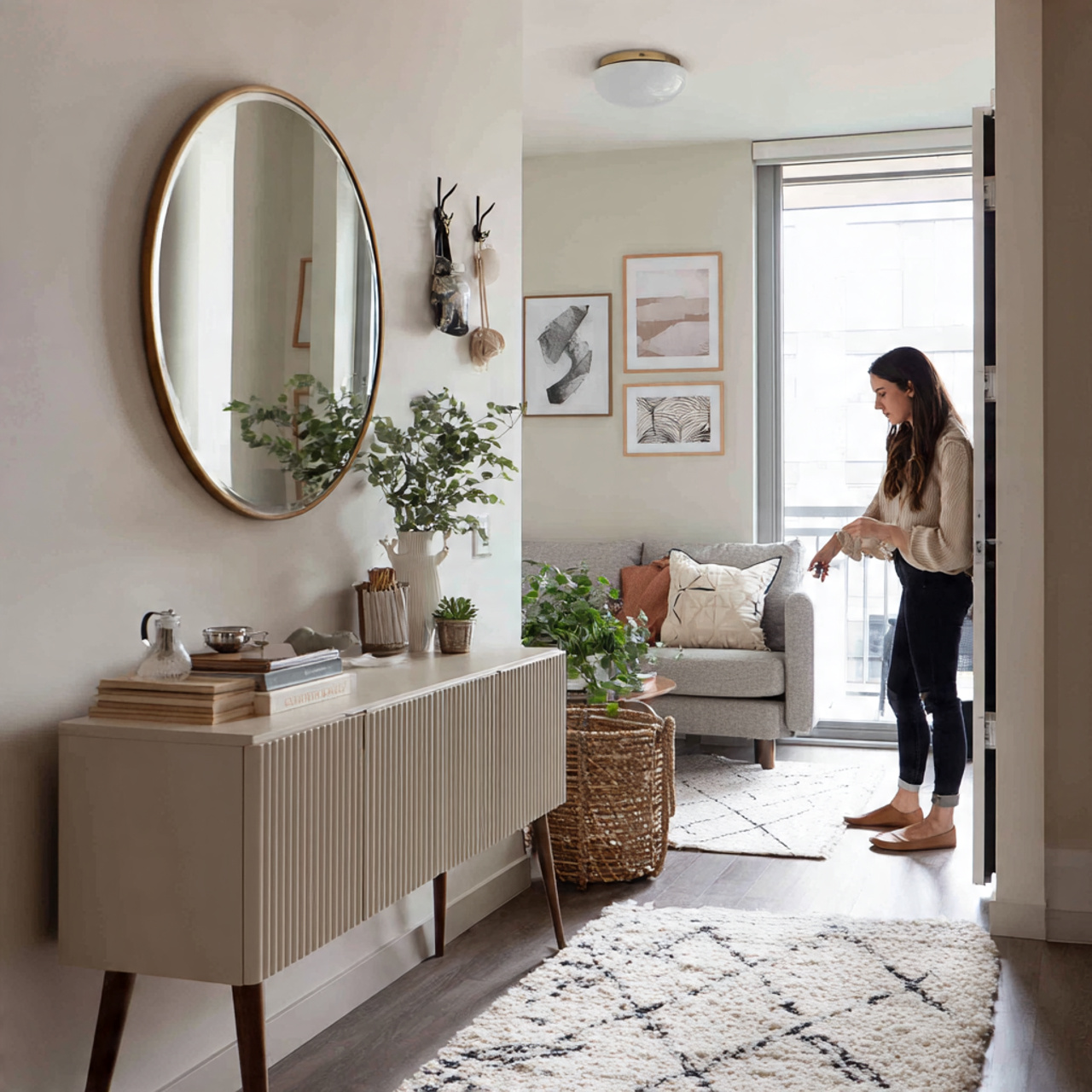
An entryway transition zone idea is vital for small living rooms that open directly from the front door. By using a small console table, a row of hooks, or a change in flooring texture, you can create a mental and physical “hallway” within the larger room. This prevents the living area from feeling like it’s being intruded upon by the outside world and provides a dedicated spot for keys and coats.
Even a very slim bench placed near the door can serve as this transition point, providing a place to sit and take off shoes. Keeping this area organized ensures that clutter doesn’t spill over into the main lounging space, which is essential for maintaining a sense of calm in a small home. It’s all about creating a sense of arrival and order from the moment you step inside.
Layered Texture Depth Idea
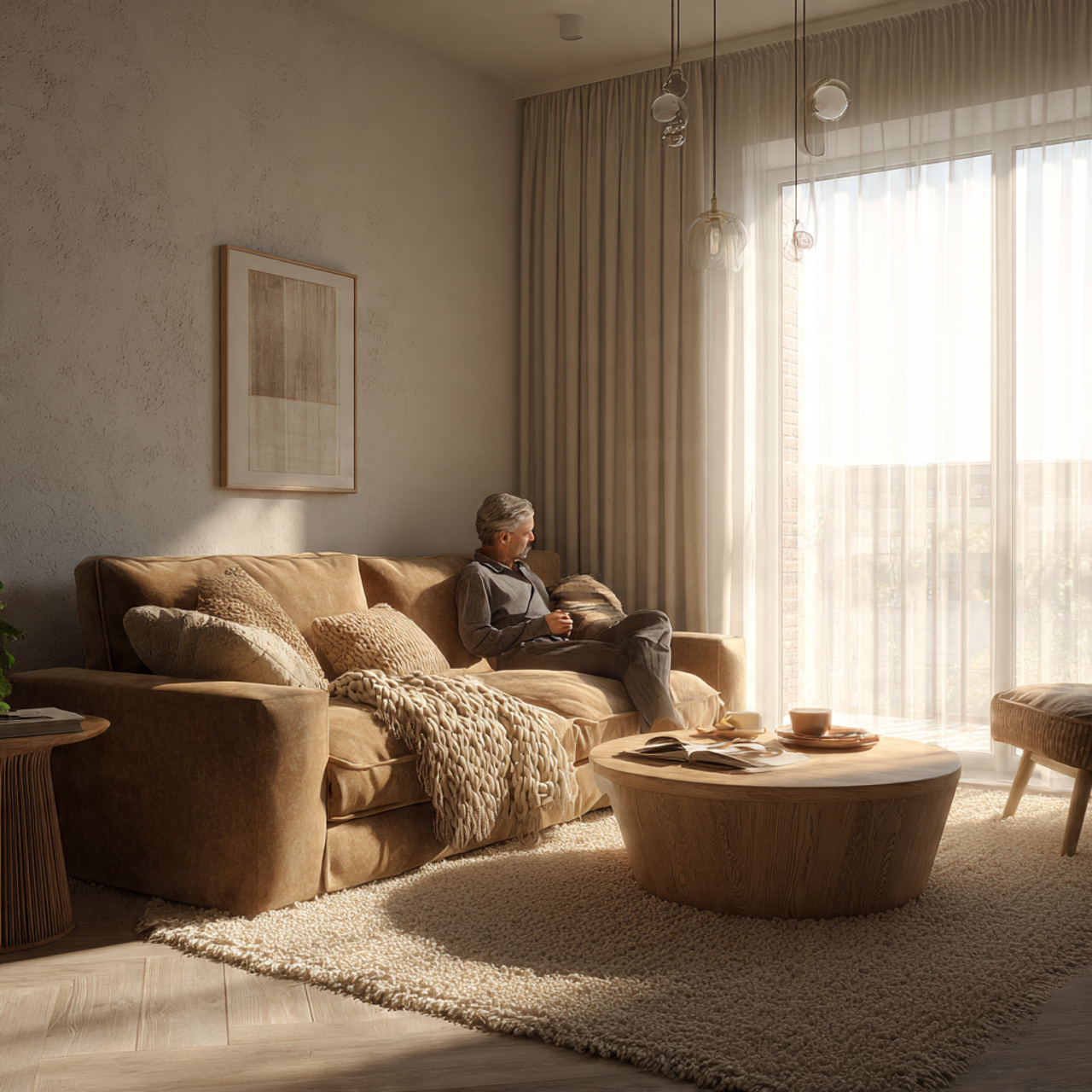
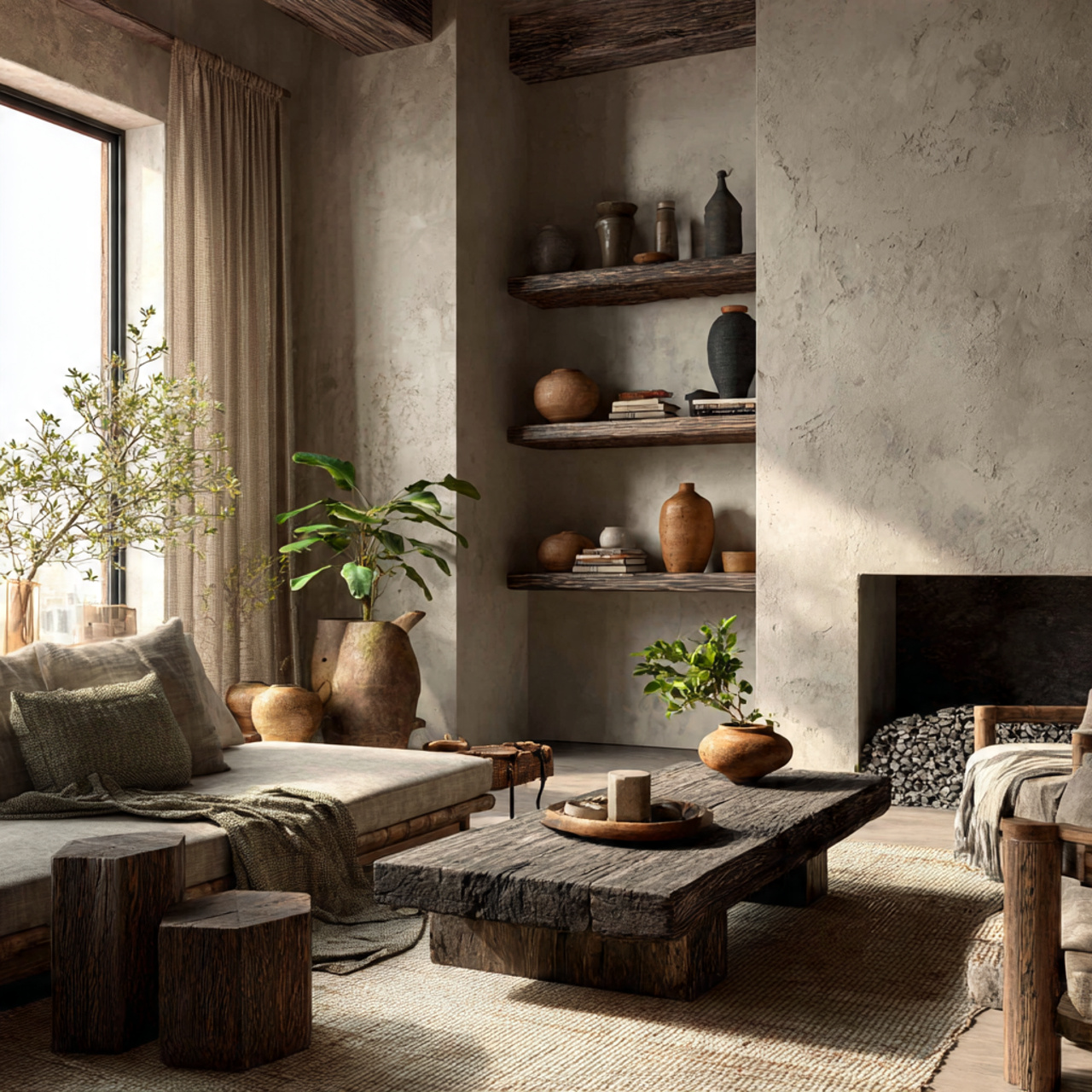
The layered texture depth idea focuses on using different materials—like wool, linen, velvet, and wood—to create visual interest without needing a lot of extra items. In a small room, a monochromatic color scheme can sometimes feel flat, but when you mix textures, the space gains a sense of richness and complexity. This makes the layout feel “full” and luxurious in a way that is purely tactile and visual.
You might pair a sleek leather sofa with a chunky knit throw and a jute rug to create a sensory experience that feels incredibly high-end. This approach allows you to keep the furniture arrangement simple while still achieving a look that feels deeply curated and intentional. Texture is the secret weapon of small-space designers who want to create maximum impact with a minimal number of pieces.
Monochromatic Color Palette Idea
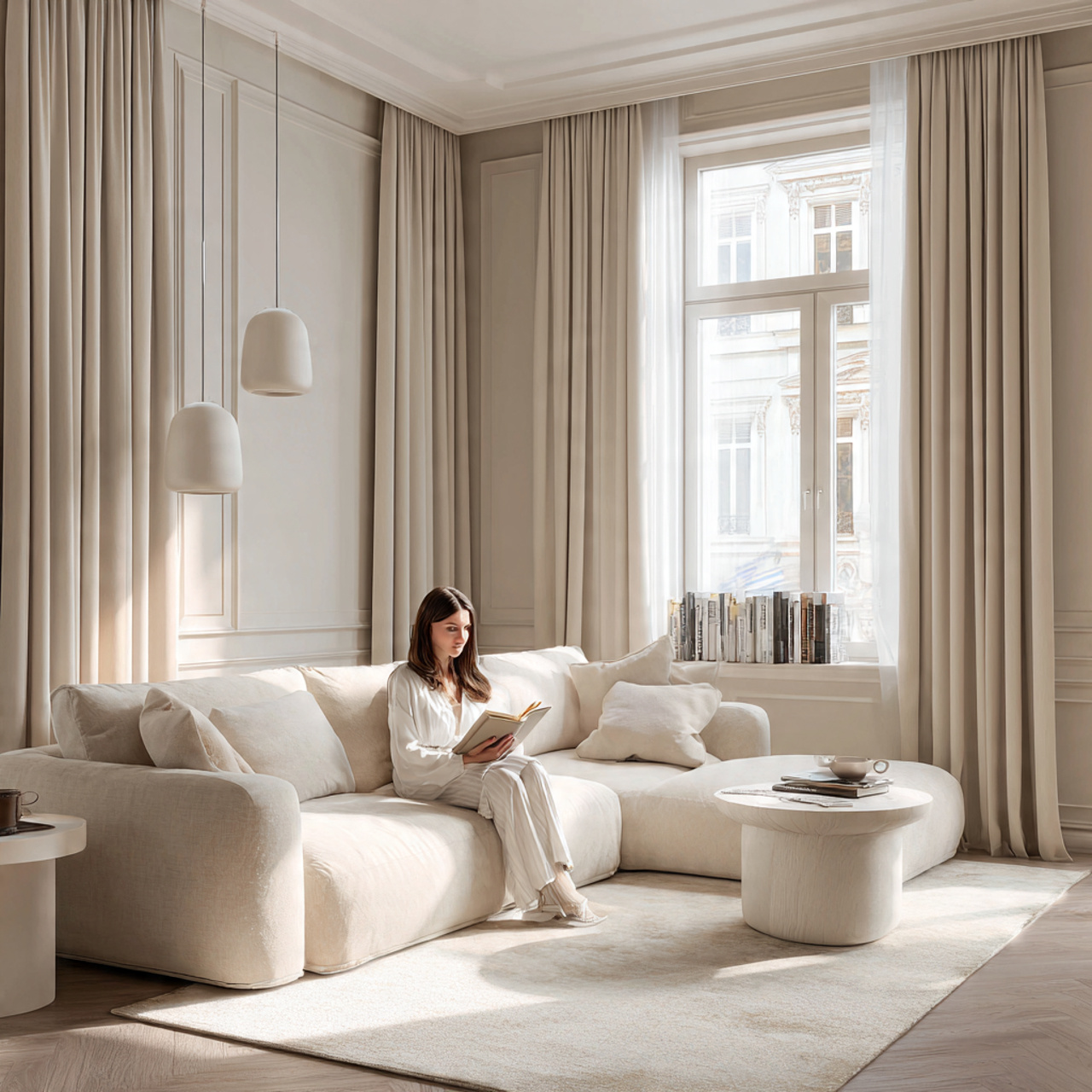
A monochromatic color palette idea involves using various shades and tones of a single color to unify the entire room. When the walls, furniture, and curtains are all within the same color family, the visual boundaries of the room seem to disappear, making the space feel vast and continuous. Soft whites, warm beiges, or cool grays are popular choices for this expansive effect.
This layout strategy reduces “visual noise,” allowing the eye to sweep across the room without being interrupted by high-contrast colors. It creates a serene and peaceful atmosphere that is perfect for a small sanctuary. You can always add interest through different finishes, such as a matte wall paired with a glossy side table, to keep the monochrome look from feeling stagnant.
Floating Shelf Display Idea
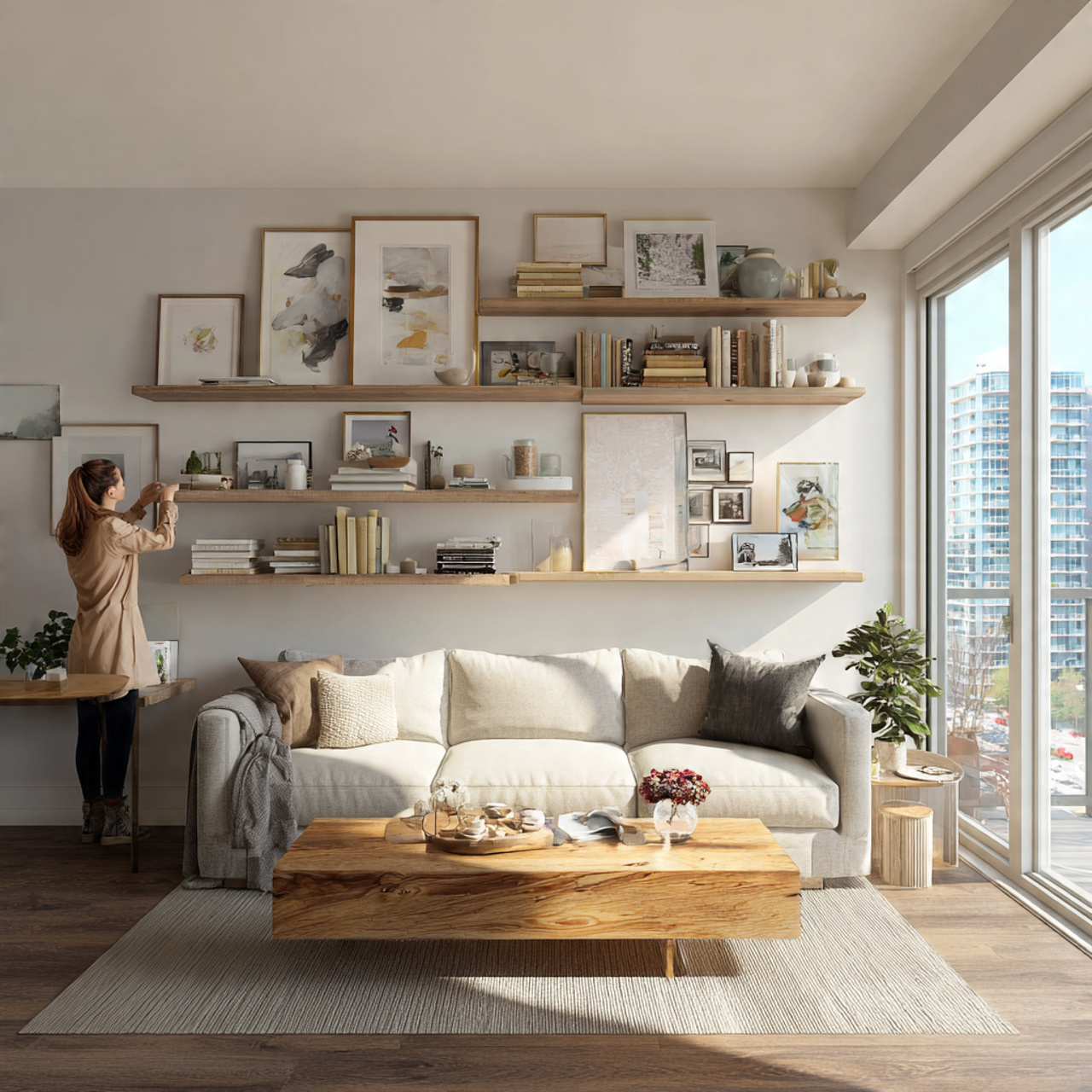
The floating shelf display idea is a beautiful way to show off your personality without taking up any footprint on the floor. By installing shelves at varying heights on a main wall, you create a dynamic gallery for books, art, and travel souvenirs. This draws the attention away from the size of the floor and toward the curated stories you are telling on your walls.
Floating shelves feel much lighter and more modern than traditional heavy bookcases, making them ideal for small living rooms. They allow you to utilize the “dead space” above furniture, such as the area over a sofa or a radiator. This approach ensures your home feels personalized and warm while keeping the overall layout feeling open, airy, and uncluttered.
Armless Chair Selection Idea
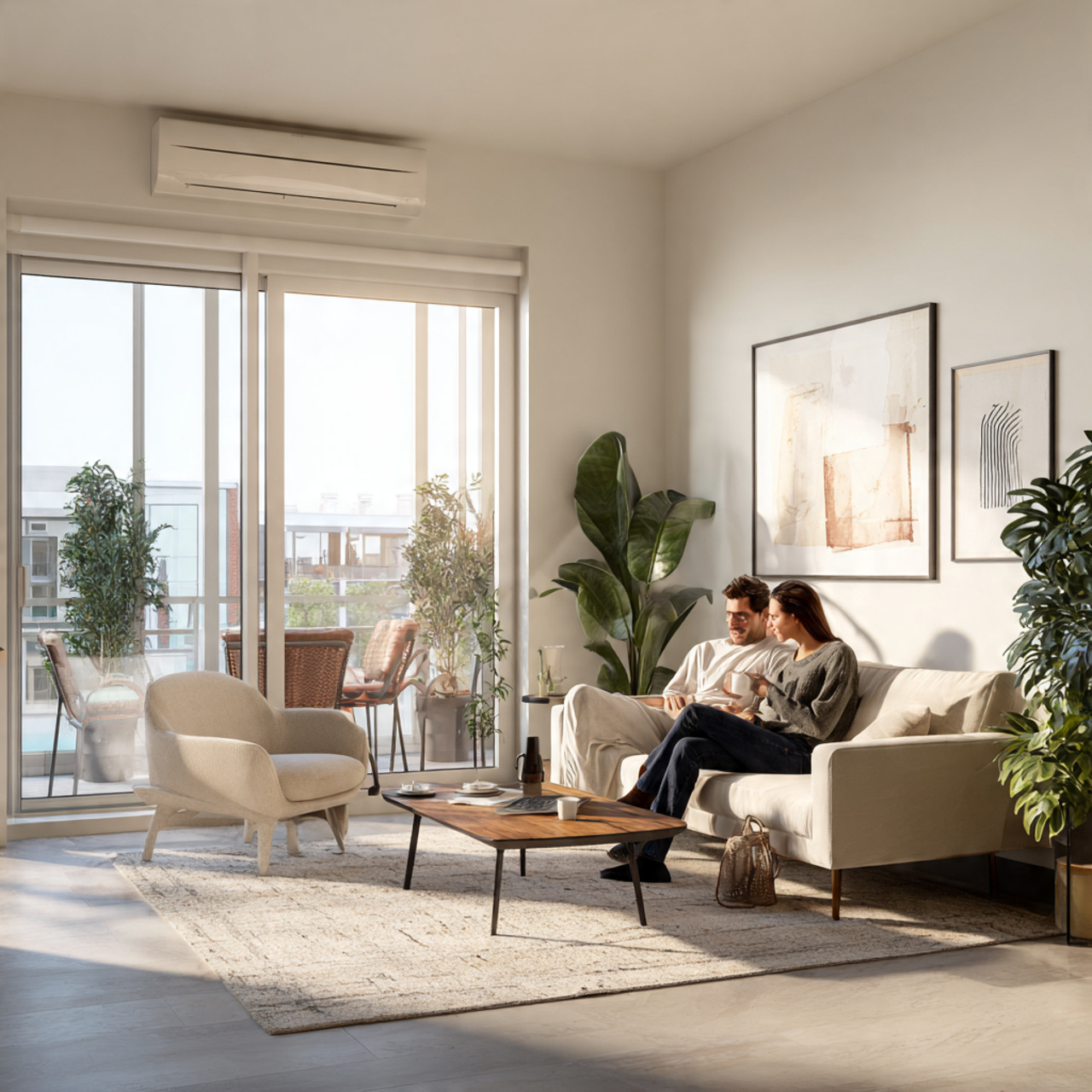
An armless chair selection idea is a smart trick for adding extra seating to a small layout without the physical or visual bulk of traditional armchairs. Because these chairs have a smaller profile, they can be tucked into tight corners or placed side-by-side without making the room feel crowded. They offer a sleek, “slipper chair” aesthetic that is both chic and incredibly space-efficient.
These chairs are also easier to move around the room when you have guests, providing flexible seating that doesn’t dominate the floor plan. Choosing armless chairs with interesting patterns or bold colors can add a pop of personality to your layout. They are the perfect finishing touch for a small living room that needs to be as functional as it is fashionable.
FAQs About Small Living Room Layout Ideas
What are the most effective small living room layout ideas for narrow spaces?
For long and narrow rooms, the most effective approach is to create distinct zones using furniture like a sofa placed perpendicular to the walls. Utilizing back-to-back seating or a small bistro-style nook at one end can also help break up the length of the room. Keeping walkways clear on one side of the space ensures that the room feels like a functional living area rather than a cramped corridor.
How can small living room layout ideas incorporate a home office area?
Incorporating a workspace is easily done by using a multi functional corner idea where a small desk or a wall-mounted floating surface is tucked into an unused nook. You can also place a slim console table behind a “floating” sofa to serve as a desk that faces into the room. Choosing a stylish chair that can double as extra guest seating ensures the office area blends seamlessly with the rest of your decor.
Which small living room layout ideas help make a low ceiling feel higher?
To combat low ceilings, the low profile furniture aesthetic is your best friend because it leaves more open wall space above your seating. Additionally, vertical storage integration and tall greenery help draw the eye upward, emphasizing the height of the room. Using full-length curtains hung slightly above the window frame can also create a powerful vertical line that tricks the eye into seeing more height.
Are there small living room layout ideas that work well for rental apartments?
Renters can benefit greatly from ideas like mirror reflection expansion using leaning floor mirrors and area rug definition to hide unattractive floors. Floating furniture and the use of multi-functional pieces like nesting tables are also perfect because they don’t require any permanent changes to the structure. These “plug-and-play” strategies allow you to create a high-end look that you can easily take with you when you move.
How do small living room layout ideas prioritize traffic flow in high-use areas?
Prioritizing traffic flow involves identifying the natural paths between doors and other rooms and keeping them entirely unobstructed. The minimalist walkway flow idea suggests leaving at least thirty inches of space for major thoroughfares to prevent the room from feeling like an obstacle course. Using rounded furniture edges and smaller-scale pieces can also help people navigate a tight layout more comfortably and safely.
Conclusion
The exploration of diverse small living room layout ideas proves that a home’s square footage is simply a starting point for greatness. By focusing on the harmony between furniture, light, and movement, you can create a sanctuary that feels intentionally designed and wonderfully spacious. Each choice you make is an opportunity to showcase your unique vision and to transform a small area into a masterpiece of residential aesthetics.
Embracing these creative small living room layout ideas allows you to celebrate the art of living well, no matter the size of your floor plan. Let your imagination lead the way as you mix and match these concepts to find the perfect arrangement for your lifestyle. In the world of interior design, inspiration is the most valuable tool you have to turn a modest room into an extraordinary place of comfort and joy.