25 Luxury Living Room Designs Small Spaces Ideas
Living room designs small spaces ideas are the gateway to transforming a cramped quarters into a curated sanctuary that reflects your personal aesthetic. When you shift the focus from what a room lacks in square footage to what it offers in character, you unlock a world of artistic potential where every corner becomes a canvas for innovation.
The magic of reimagining a compact footprint lies in the discovery of diverse styles and unexpected layouts that breathe life into your home. This collection celebrates the beauty of imaginative interiors, offering a wide spectrum of visual concepts that prove elegance is never limited by dimensions.
Best Living Room Designs Small Spaces Ideas to Try
Living room designs small spaces ideas offer a wealth of inspiration for those looking to blend high-end aesthetics with functional living. These concepts explore how textures, colors, and furniture arrangements can work in harmony to create an atmosphere that feels both expansive and intimately curated.
The following gallery of concepts highlights a variety of moods, from the ultra-modern and sleek to the cozy and eclectic. Each selection is designed to spark your imagination and help you visualize a living area that feels like a deliberate masterpiece rather than a compromise.
Monochromatic Minimalist Concept
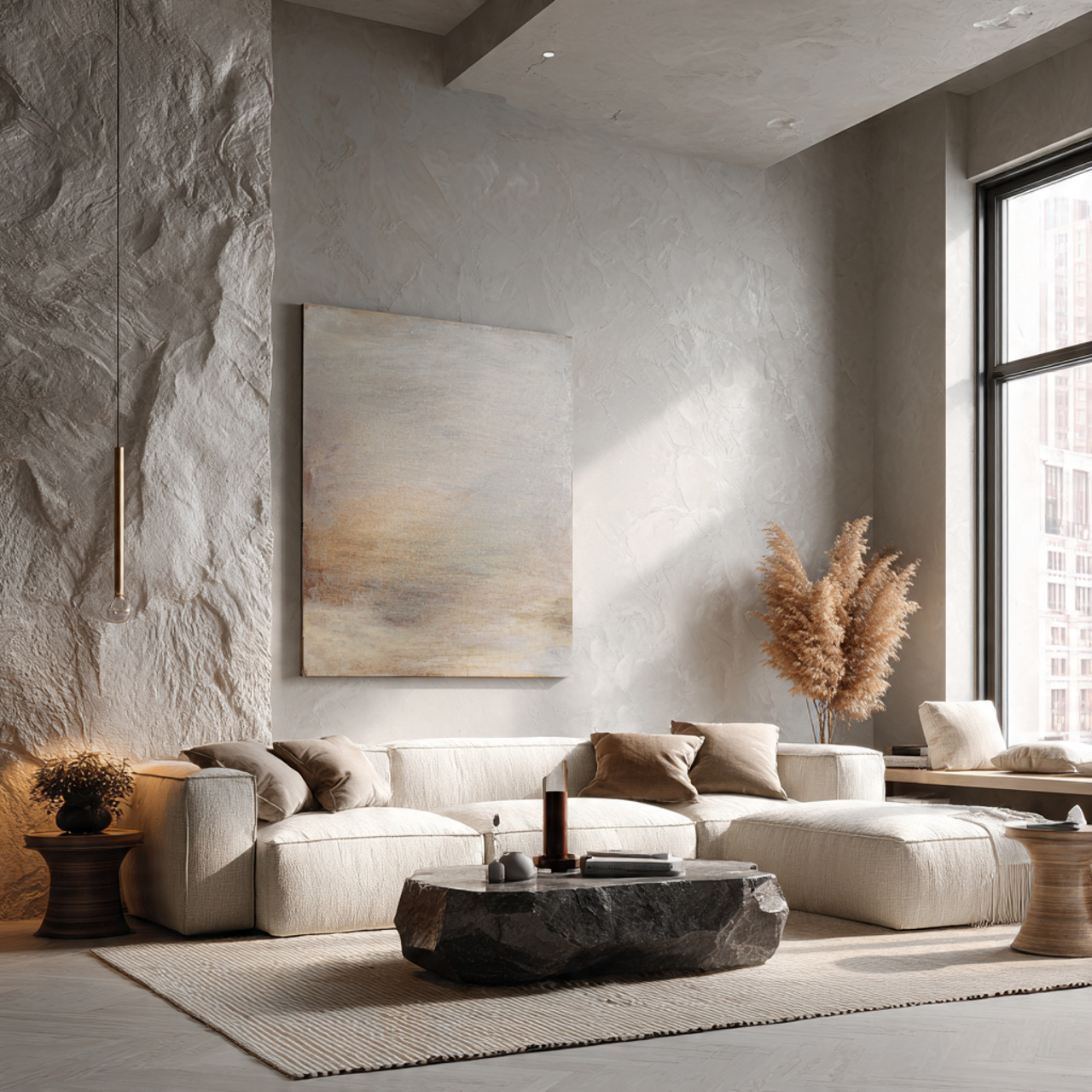
A monochromatic approach relies on the sophisticated layering of a single hue to create a sense of infinite depth. By using various shades of a neutral tone like dove gray or warm oatmeal, the eye moves across the room without being interrupted by jarring color breaks, making the boundaries of the walls seem to recede.
This specific design aesthetic prioritizes high-quality fabrics and subtle variations in sheen to keep the environment from feeling flat. Polished stone surfaces paired with matte wool rugs provide enough tactile interest to make the simplicity feel intentional and luxurious rather than empty.
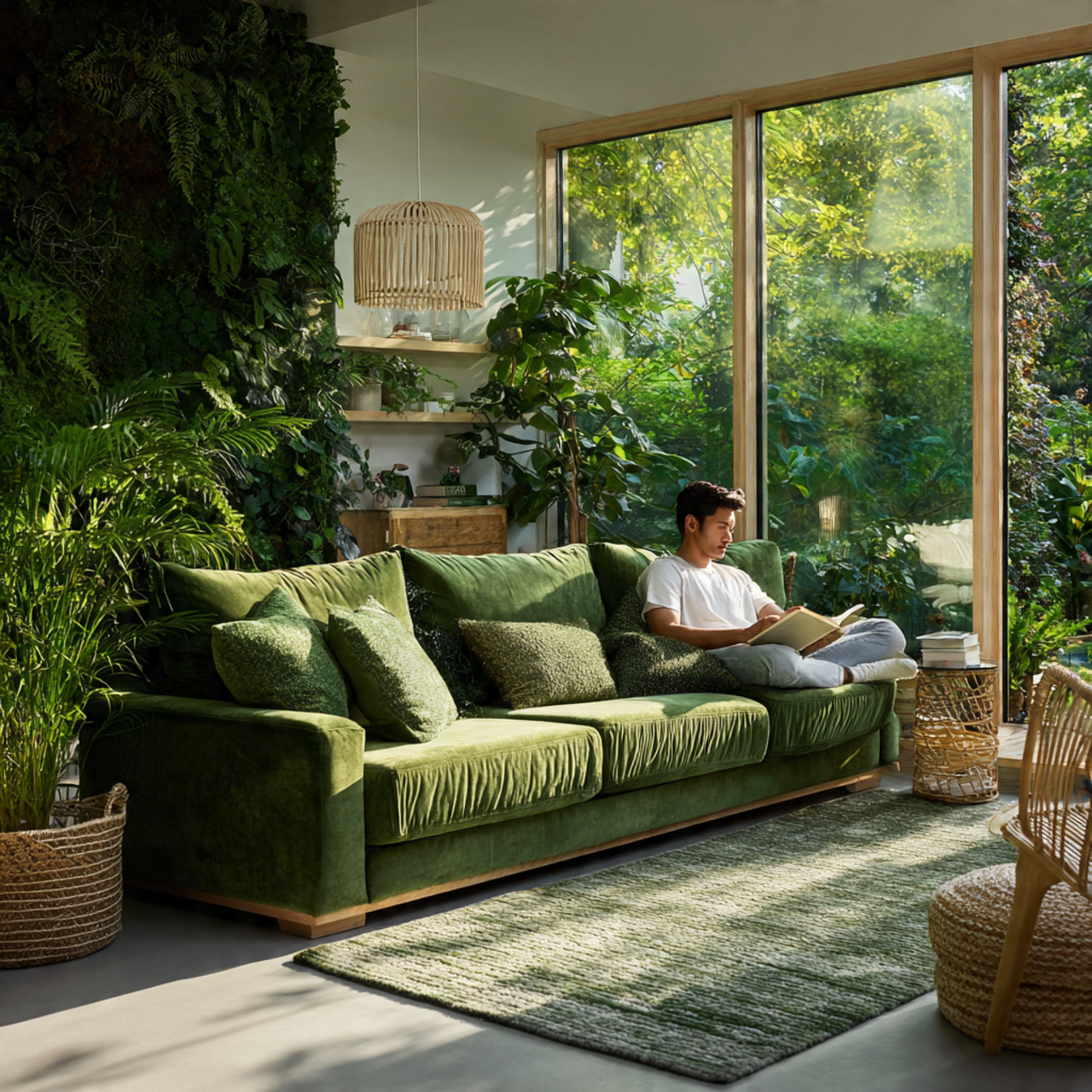
Vertical Garden Wall Feature
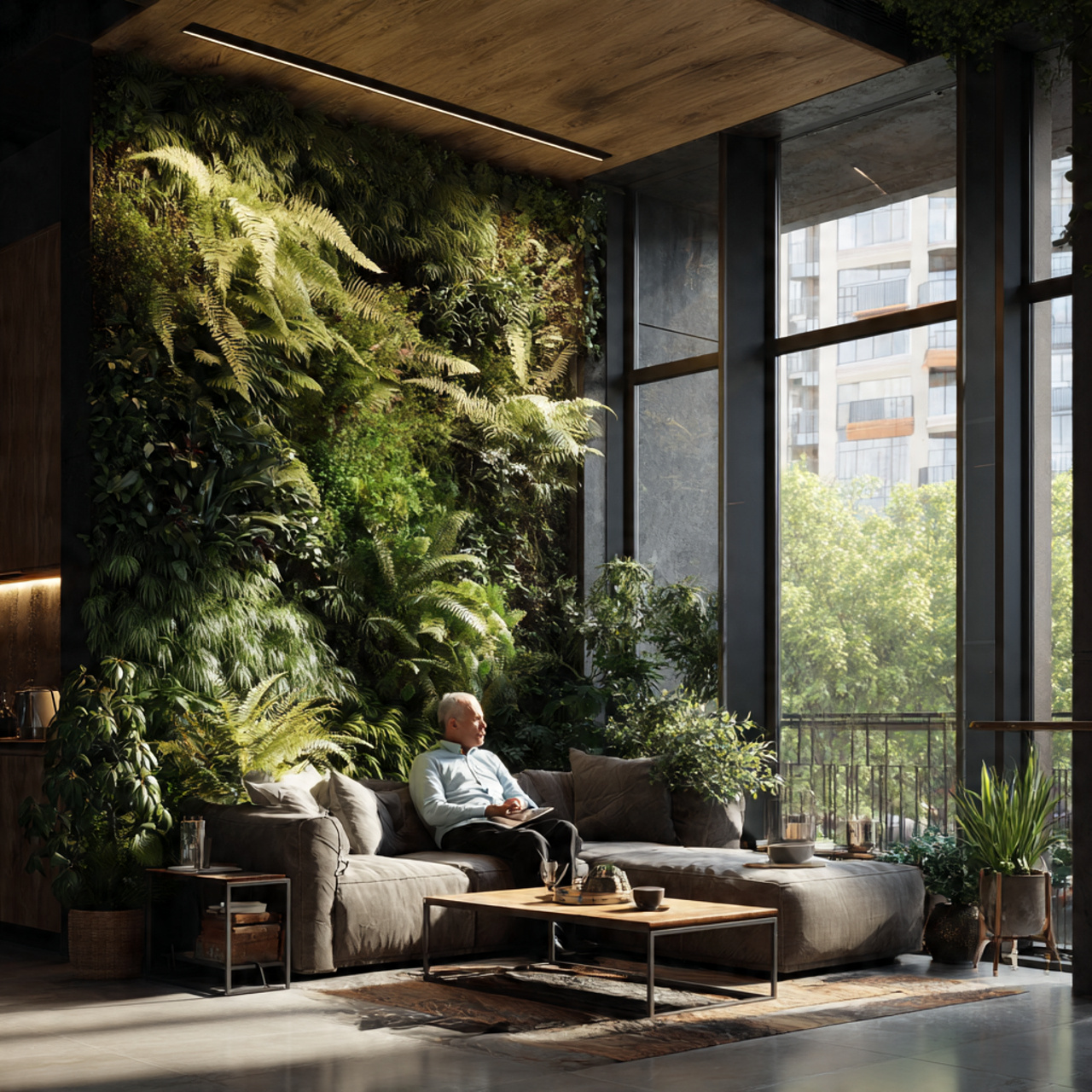
Integrating a vertical garden into a compact floor plan introduces a vibrant organic energy that draws the gaze upward. Living green walls serve as a breathing piece of art, utilizing the often-ignored vertical plane to provide a lush backdrop that does not infringe upon precious walking space or seating areas.
The presence of foliage creates a natural softness that contrasts beautifully against the hard lines of modern furniture and architecture. Selecting a variety of trailing vines and architectural ferns ensures that the wall remains a dynamic focal point that evolves with the seasons and adds life to the room.
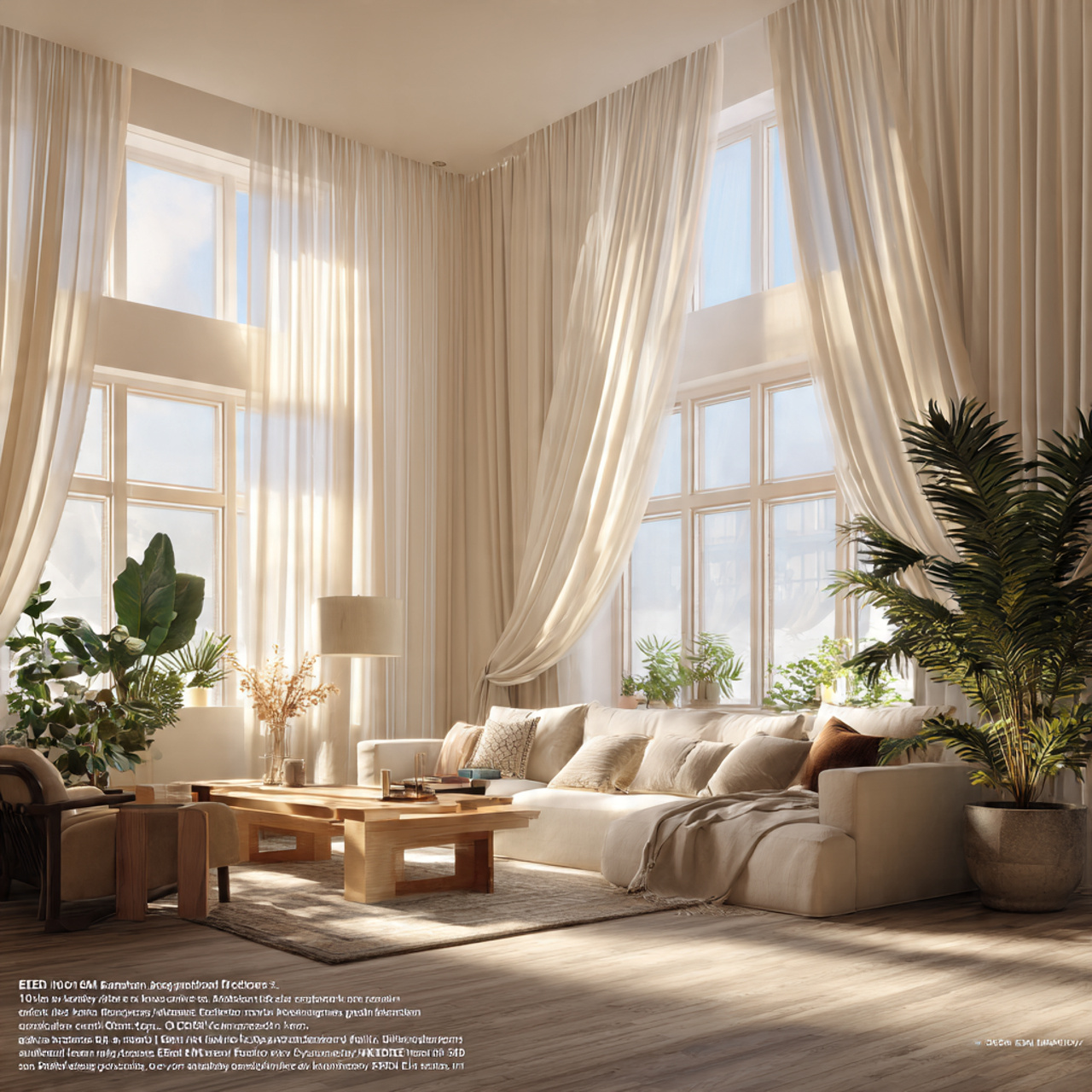
Sun Drenched Scandi Aesthetic
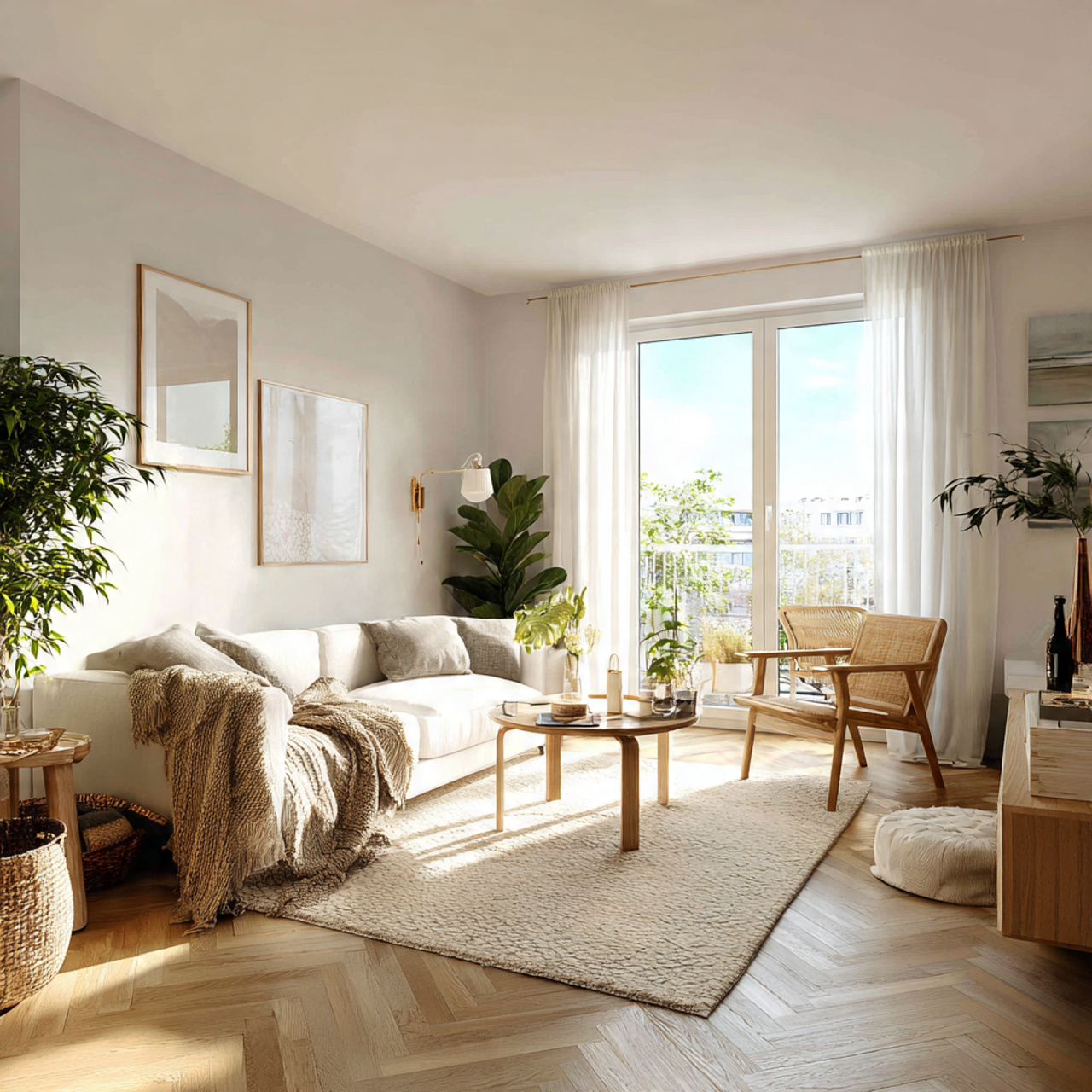
The Scandinavian design philosophy thrives on the maximization of natural light to foster a bright and inviting atmosphere. Pale wood floors, white walls, and sheer window treatments allow sunlight to bounce freely, instantly making a modest footprint feel like an airy and expansive retreat.
Warmth is introduced through the use of natural materials like blonde oak, woven rattan, and chunky knit throws. This balance of light and texture ensures that the minimalist structure remains cozy and grounded, providing a serene environment that feels physically larger than its actual measurements.
Industrial Loft Style Arrangement
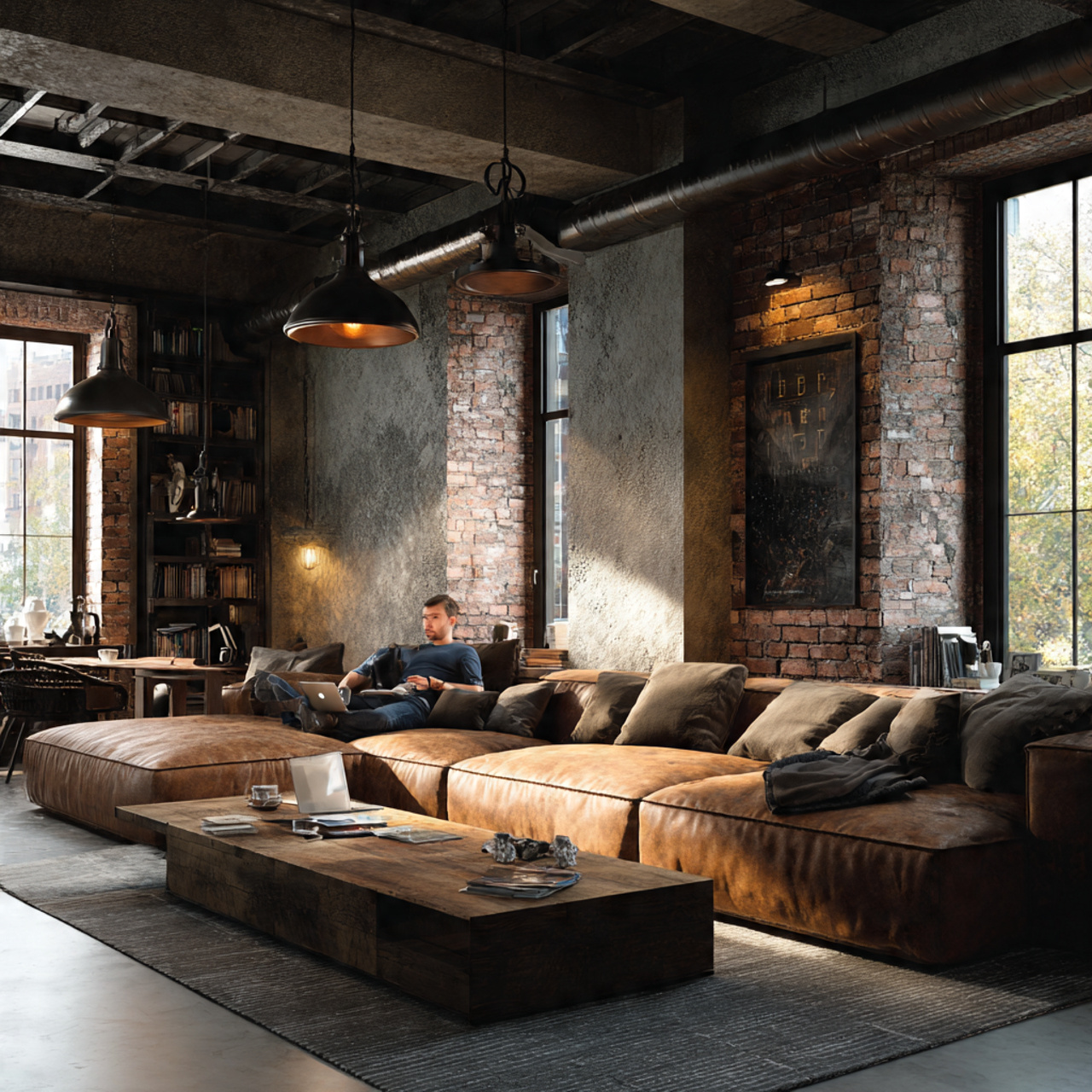
An industrial loft concept utilizes raw materials and exposed structural elements to create a rugged yet sophisticated urban vibe. By showcasing brick walls, metal beams, and weathered wood, you can lean into the unique architectural quirks of a space to create a room that feels storied and substantial.
Low-profile leather seating and oversized factory-style lighting fixtures help anchor the room without cluttering the visual field. This style relies on a “less is more” philosophy where each piece of furniture is chosen for its strong silhouette and functional durability, lending an air of permanence to the design.
Jewel Toned Velvet Surroundings
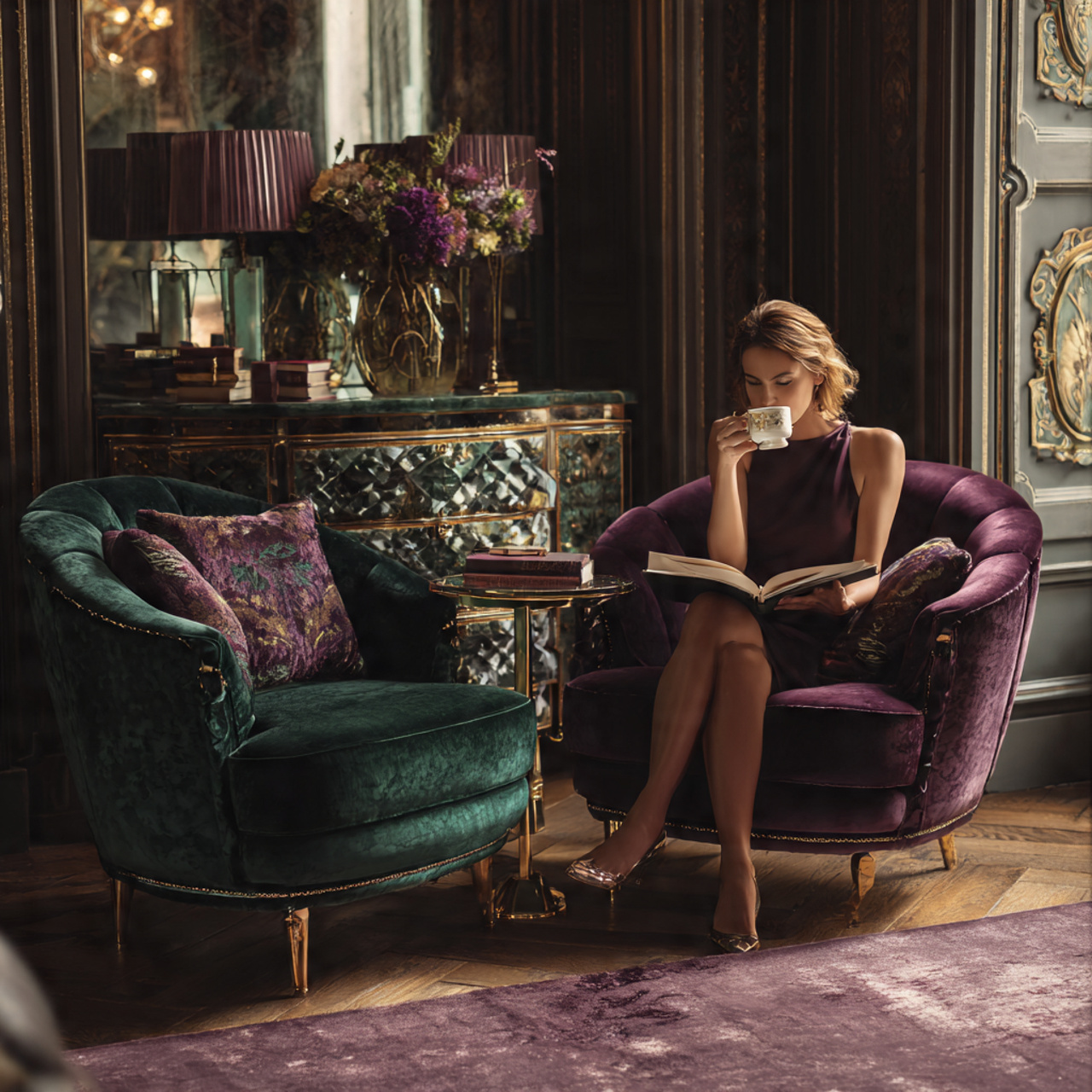
Embracing deep jewel tones like emerald, sapphire, and amethyst can turn a smaller area into a jewel box of comfort and style. Velvet upholstery adds a shimmering dimension to the furniture, catching the light in ways that add richness and a sense of high-end drama to the overall composition.
The secret to this look is maintaining a sense of cohesion through the use of brass or gold accents that punctuate the dark colors. These reflective highlights provide a necessary brightness that keeps the deep colors from feeling heavy, resulting in an opulent and intimate sanctuary.
Floating Furniture Layout
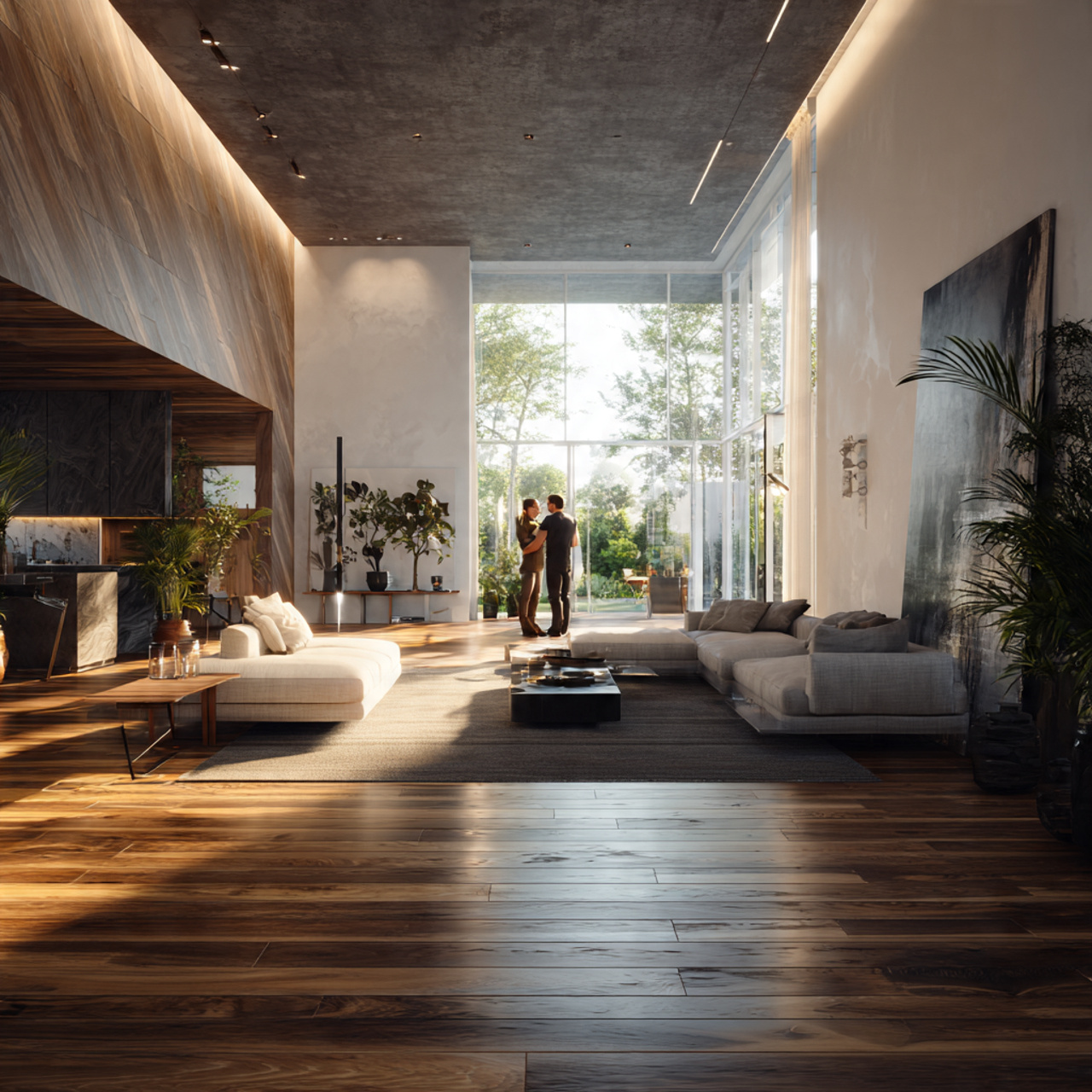
A floating furniture layout involves pulling seating away from the walls to create a central island of activity. This technique creates a pathway around the perimeter of the room, which paradoxically makes the floor area appear much more generous and less restricted by the architecture.
Using furniture with slender legs allows you to see more of the floor, which tricks the brain into perceiving more open space. This arrangement fosters better conversation flow and gives the room a professional, designer-curated feel that moves away from the traditional “pushed back” furniture look.
Mirrored Accent Wall Composition
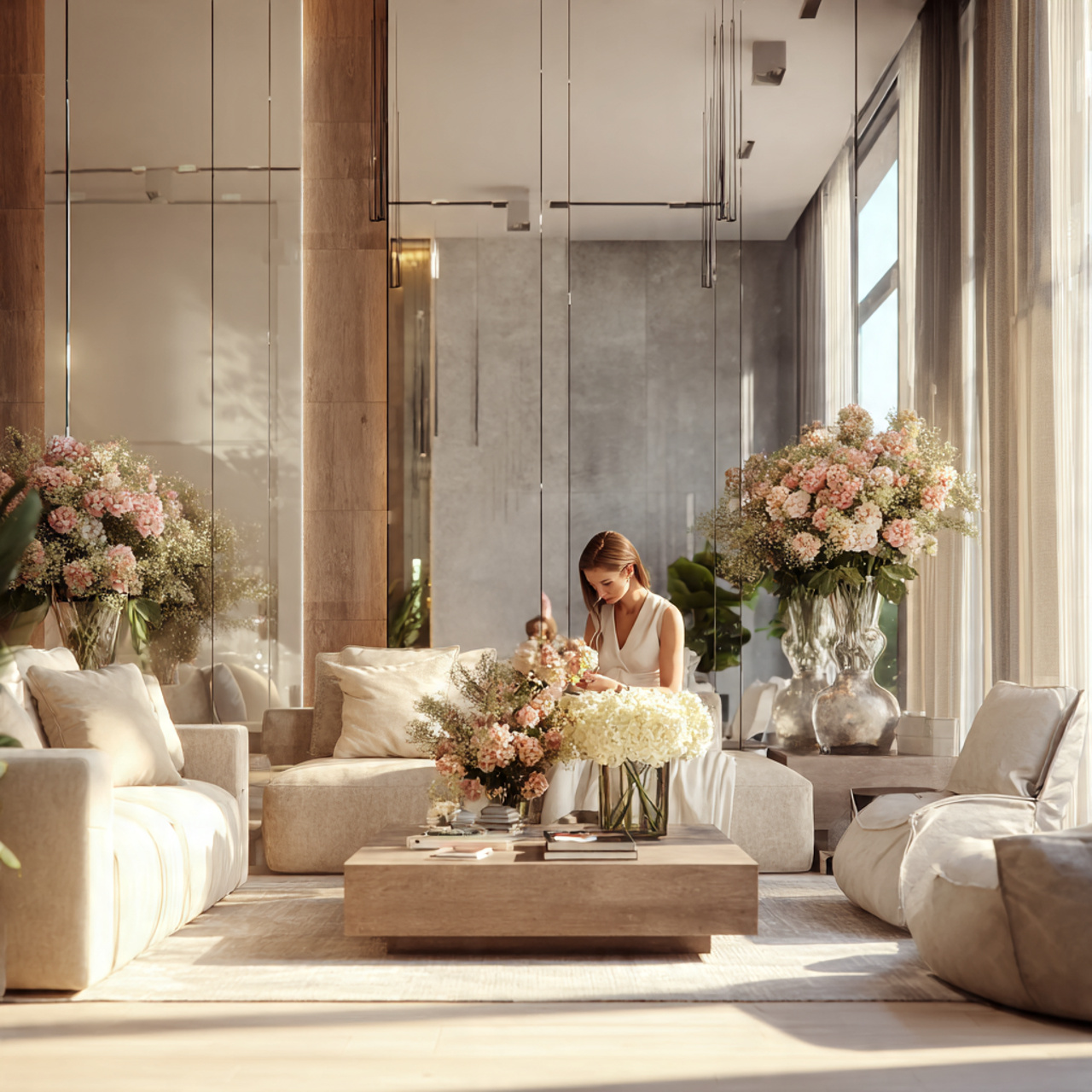
Mirrors are a classic tool for doubling the perceived size of a room by reflecting both light and the interior landscape. A floor-to-ceiling mirrored wall or a curated gallery of vintage mirrors can act as a secondary window, bringing depth and a sense of mystery to a compact living area.
Beyond the functional benefit of brightness, mirrors add a layer of crystalline elegance that elevates the room’s aesthetic. When placed opposite a window, they pull the outdoors inside, blurring the lines between the interior and the world beyond the glass.
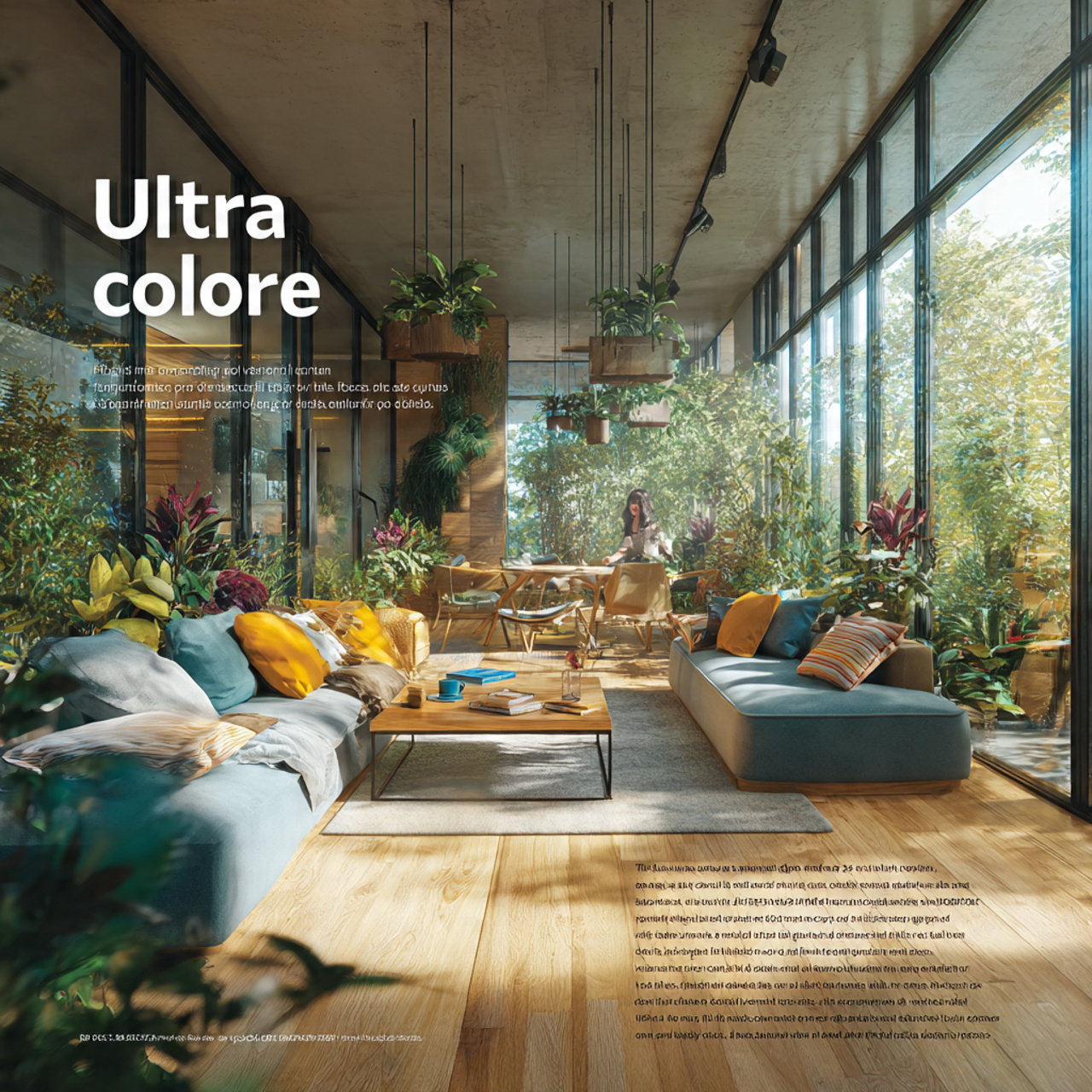
Mid Century Modern Capsule
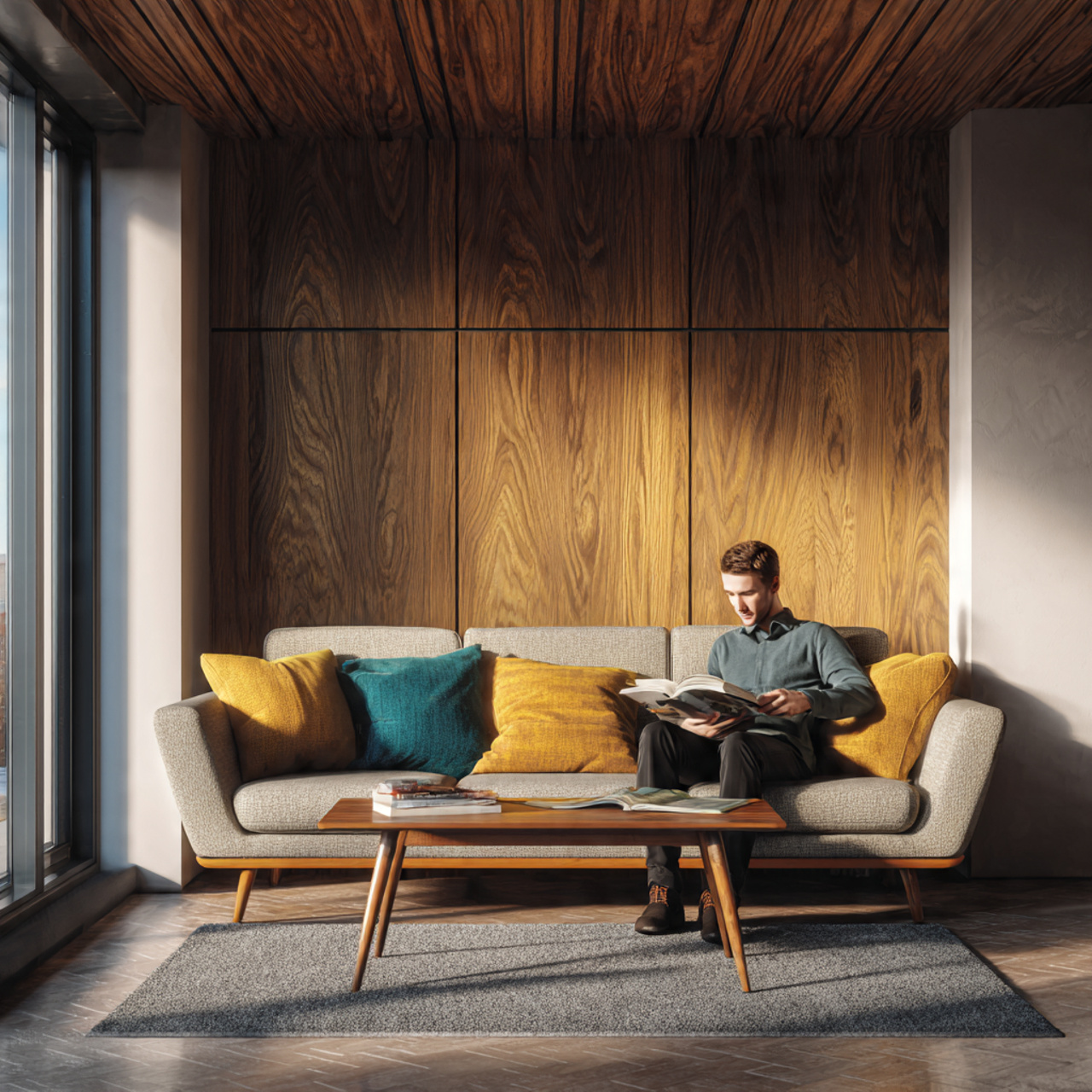
Mid-century modern designs are perfectly suited for smaller environments due to their emphasis on tapered legs and clean, horizontal lines. These iconic furniture pieces provide a nostalgic yet timeless look that keeps the visual weight of the room low and the sightlines clear.
The use of warm walnut wood and pops of mustard or teal adds a playful energy to the space without requiring excessive decor. This capsule approach focuses on high-impact silhouettes that stand alone as works of art, ensuring the room feels curated rather than crowded.
Bohemian Textural Retreat
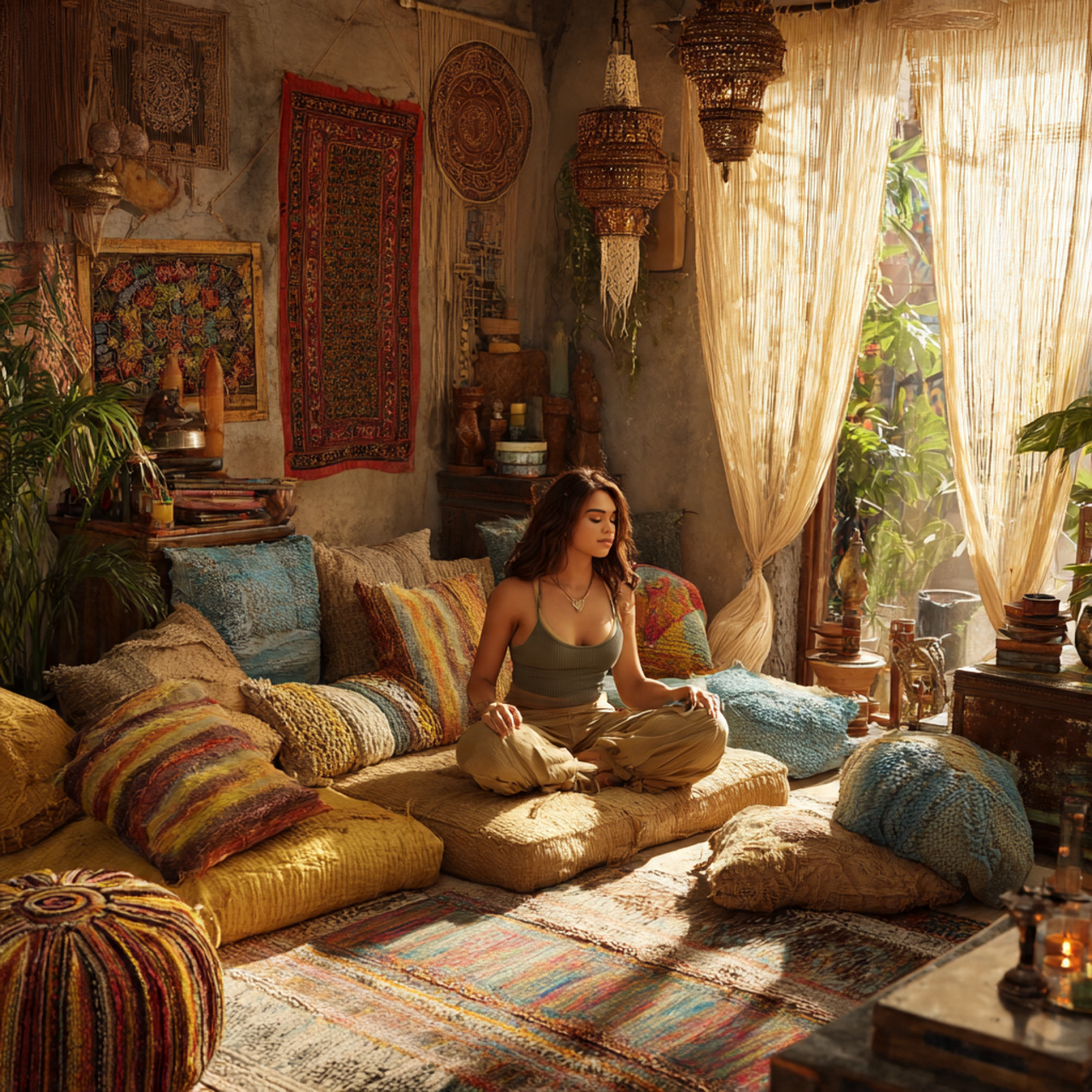
A bohemian retreat focuses on a curated “more is more” approach that prioritizes comfort and global inspiration. By layering rugs, floor cushions, and tapestry-style hangings, you create a soft and immersive environment where the size of the room becomes irrelevant to its immense charm.
Macramé details and fringe accents add a tactile variety that invites guests to sit back and relax. This design style is perfect for those who want their living area to tell a story of travel and artistic passion, emphasizing a lived-in feel that is both cozy and vibrant.
Neutral Tonal Layering
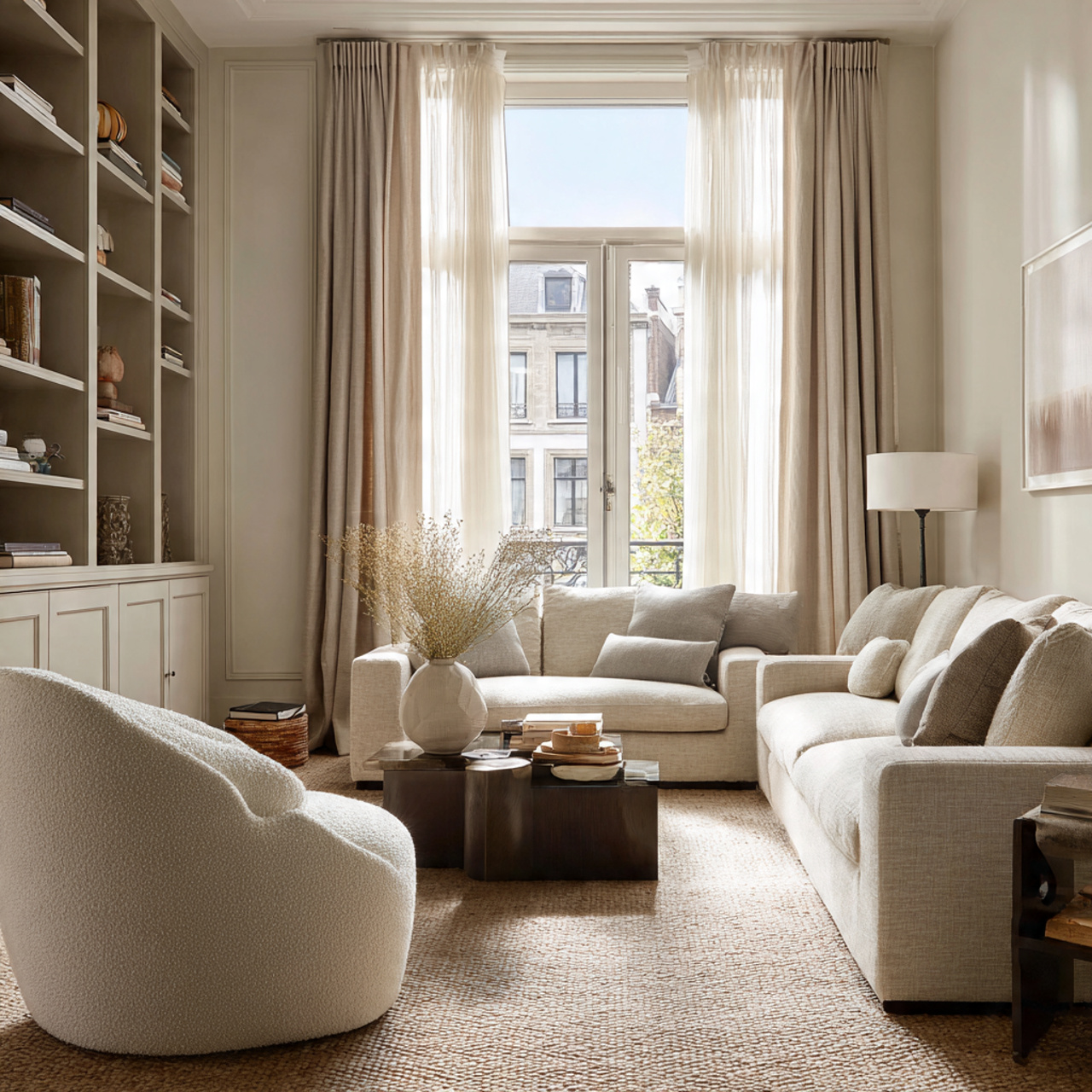
Neutral tonal layering is the art of using cream, beige, sand, and taupe to build a sophisticated and calming sanctuary. By varying the materials—such as a linen sofa, a sisal rug, and a bouclé armchair—you create visual interest through texture rather than through jarring color changes.
This approach creates a seamless visual flow that makes the walls appear to melt away. The result is a high-end, gallery-like space that feels incredibly expensive and peaceful, proving that a limited palette can yield the most profound and expansive results.
Glass and Acrylic Clarity Theme
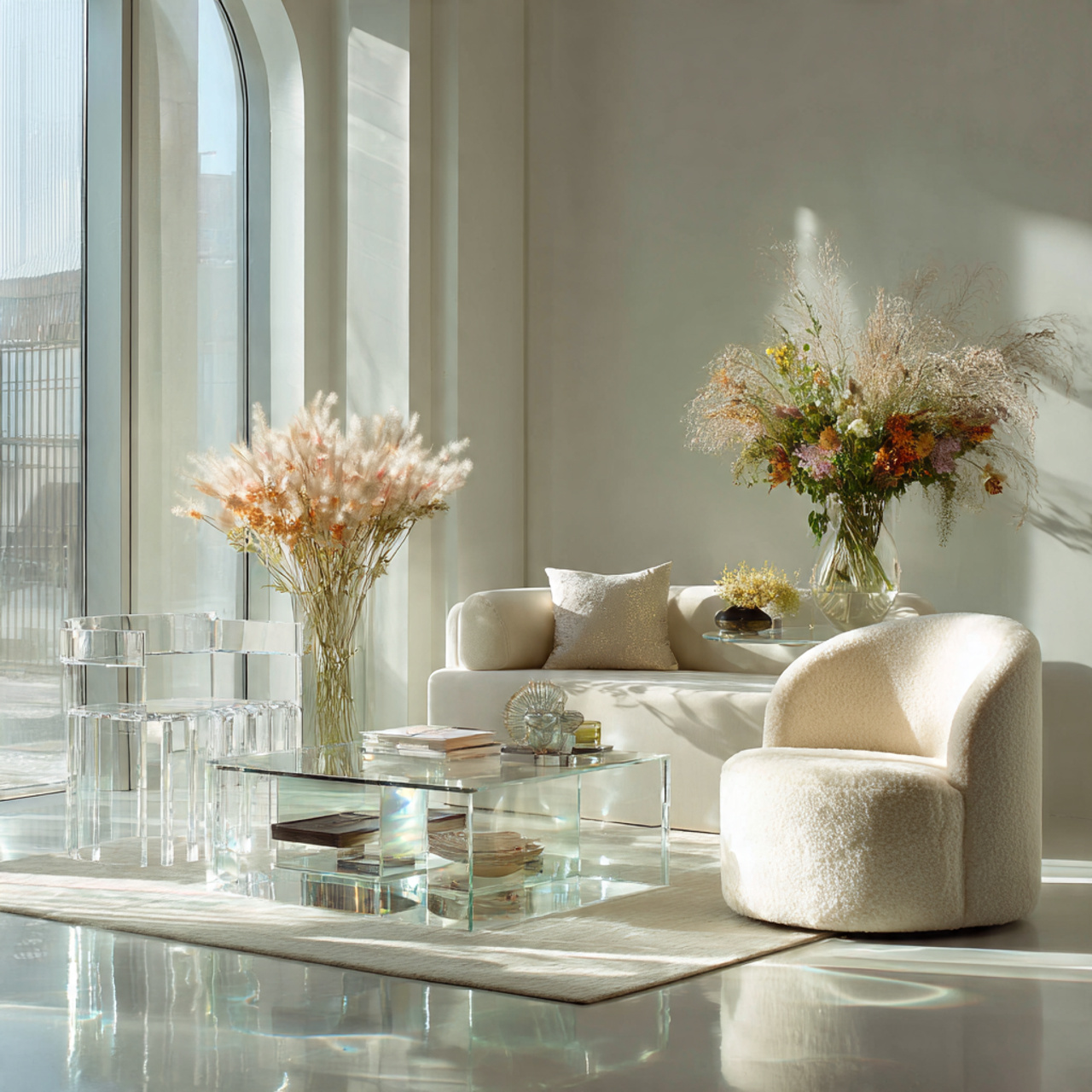
Using transparent materials like glass and acrylic for coffee tables and side chairs creates a “ghostly” effect that keeps the room looking uncluttered. These pieces provide the necessary surface area for daily life while remaining visually weightless, allowing the eye to see right through them to the rest of the decor.
This theme is particularly effective in spaces where you want to highlight a beautiful rug or an intricate floor pattern. The clarity of the furniture adds a modern, sophisticated edge that makes the room feel cutting-edge and incredibly spacious.
Wrap Around Built In Library
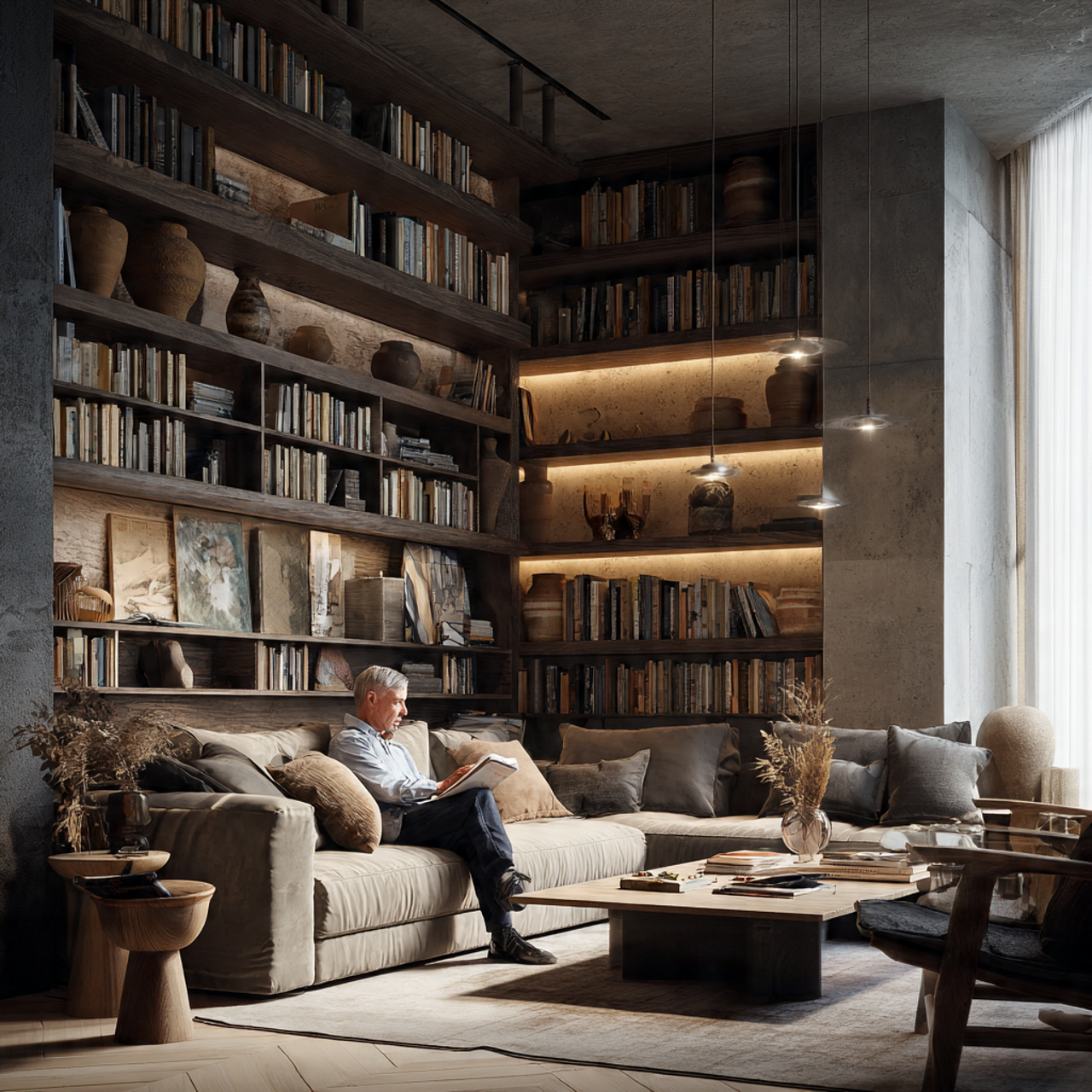
A wrap-around library utilizes the full height of the walls to provide immense storage and a cozy, academic atmosphere. By building shelves around doorways and windows, you turn the architecture itself into a functional piece of furniture that frames the room beautifully.
Color-coding the books or mixing in curated pottery can turn these shelves into a massive art installation. This design choice provides a sense of enclosure that feels like a warm embrace, making the small space feel like a deliberate and high-end personal sanctuary.
Circular Seating Conversation Zone
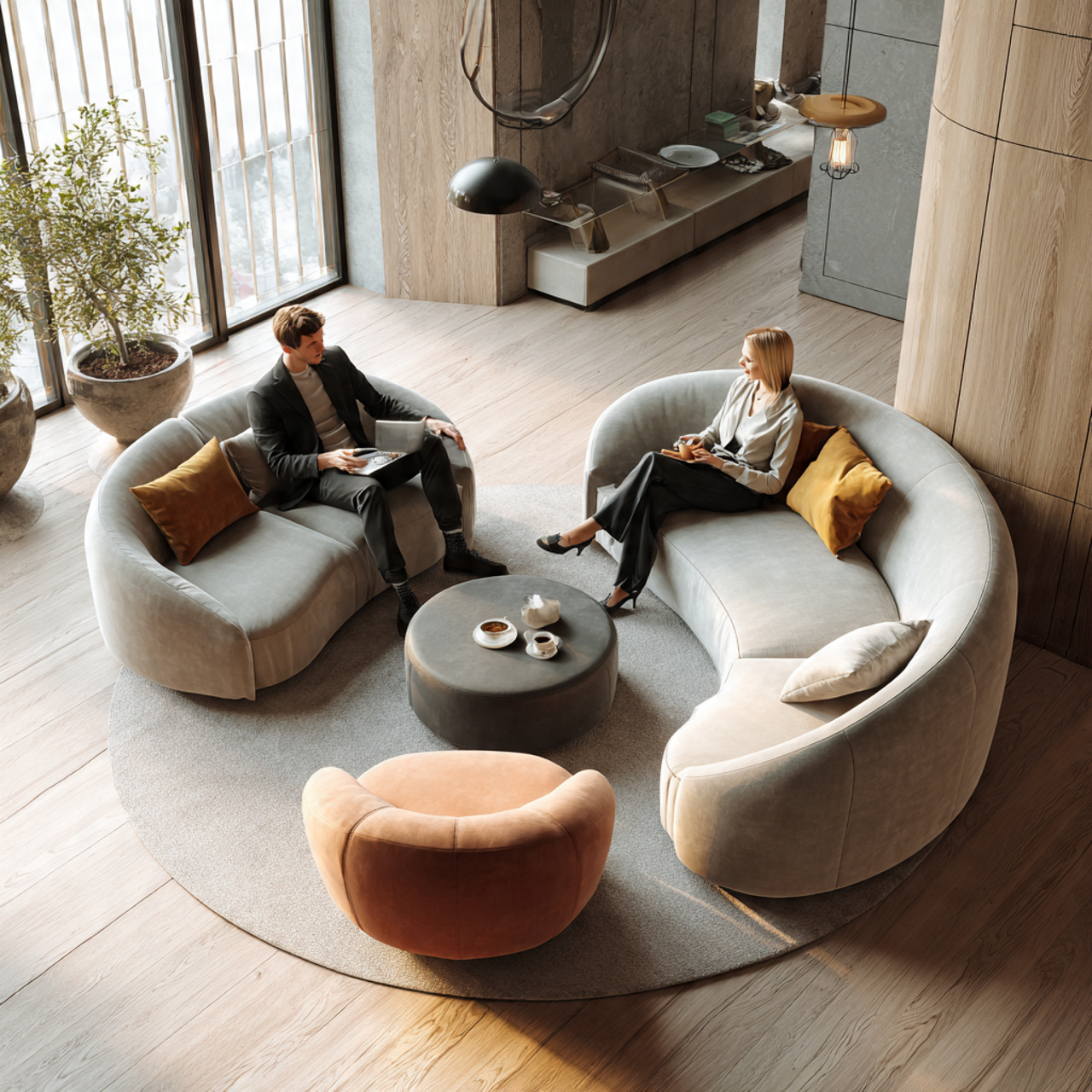
A circular seating arrangement breaks the traditional rectangular grid of most rooms, introducing a softer and more fluid flow. Curved sofas or a grouping of four swivel chairs around a central ottoman encourage social interaction and make the room feel much more dynamic.
The absence of sharp corners allows for easier movement in tight quarters, reducing the “bump-into” factor that often plagues small rooms. This layout feels custom-designed for hosting, giving the living area a sophisticated and welcoming lounge-like quality.
Moody Dark Academia Corner
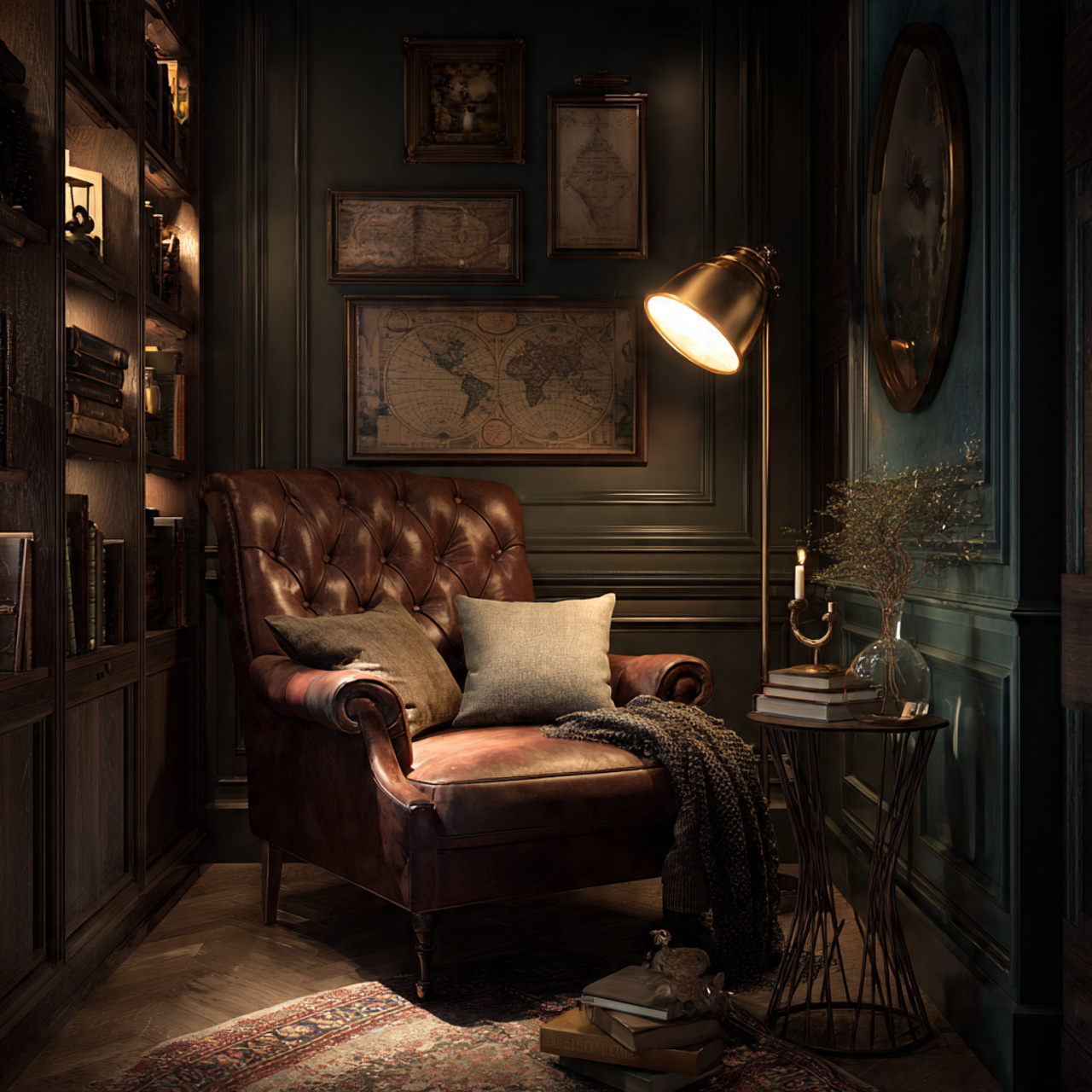
The dark academia aesthetic leans into the intimacy of a small room by using deep browns, forest greens, and charcoal tones. Instead of trying to make the room look bigger, this design choice celebrates the “nook” quality of the space, turning it into a rich and intellectual retreat.
Traditional leather armchairs and brass floor lamps complete the look, providing a perfect spot for reading or quiet contemplation. This style proves that a dark room can be incredibly inviting and high-end when the lighting is warm and the textures are plush.
High Contrast Graphic Interior
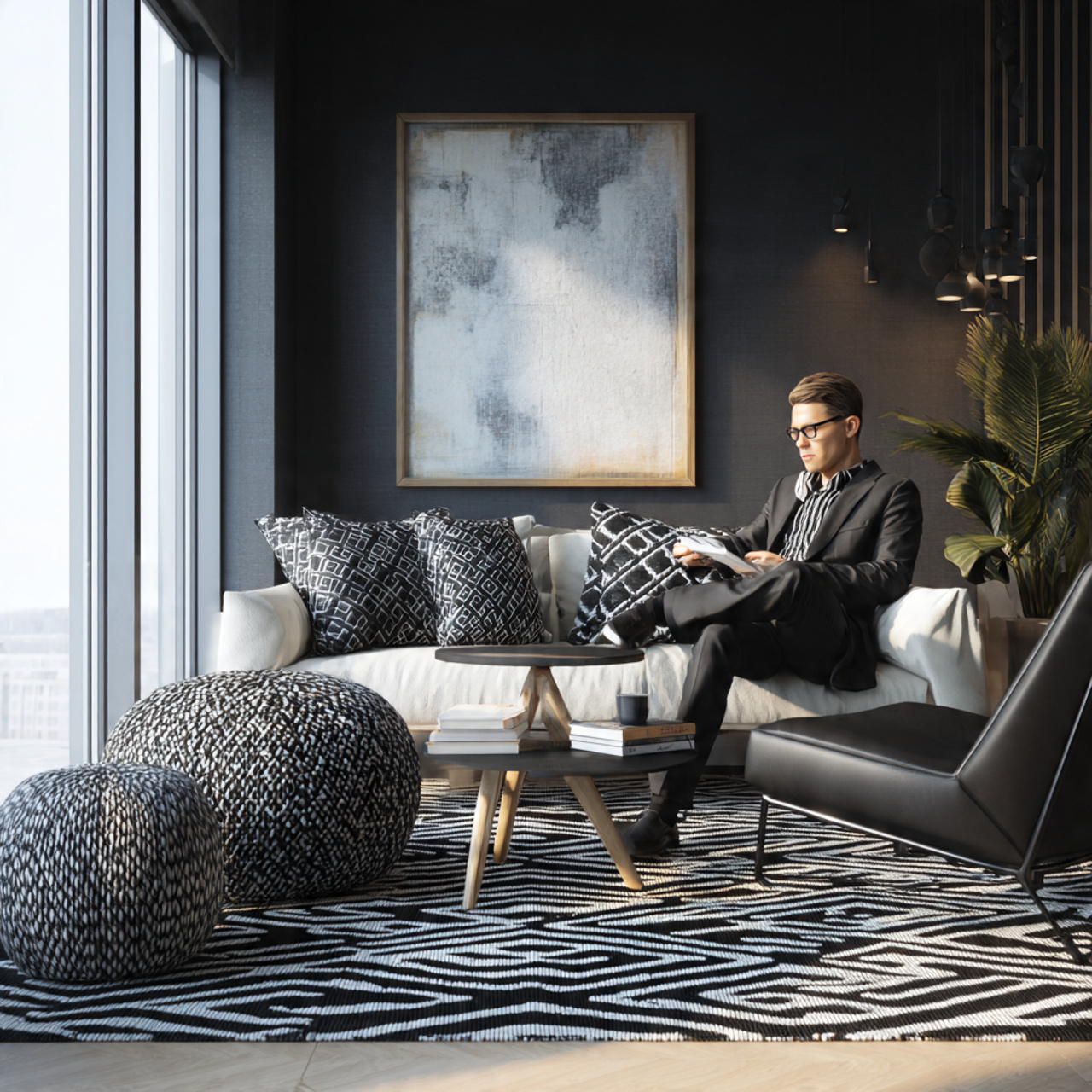
A high-contrast theme using black and white creates a bold and energetic environment that feels sharp and well-defined. By using crisp lines and graphic patterns, you can direct the eye to specific architectural features, making the room feel organized and intentional.
This look is easily softened with the addition of a single accent color or a few indoor plants. The stark difference between the light and dark elements creates a sense of depth and architectural interest that distracts from the physical dimensions of the space.
Coastal Breezy Open Plan
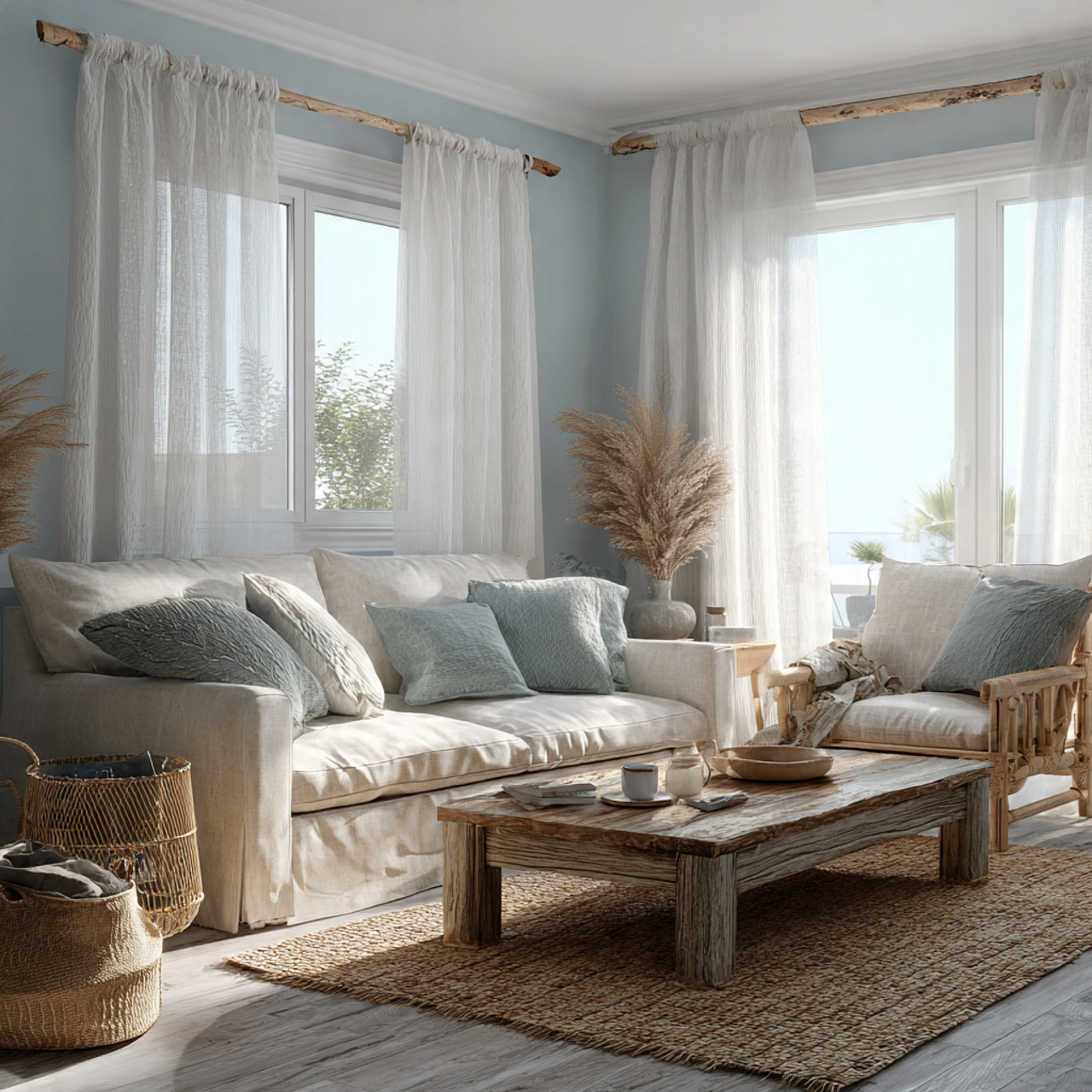
The coastal design style brings the relaxed feeling of a seaside holiday into the home through the use of whites, soft blues, and weathered wood. Natural fibers like seagrass and jute provide a grounded texture that complements the light and airy color palette.
Using lightweight fabrics like linen for curtains and upholstery keeps the room feeling “breezy” and unburdened. This aesthetic is all about creating a sense of openness and tranquility, making it one of the most effective ways to treat a compact living area.
Visit Also: living room wall decor ideas
Multi Functional Ottoman Centerpiece
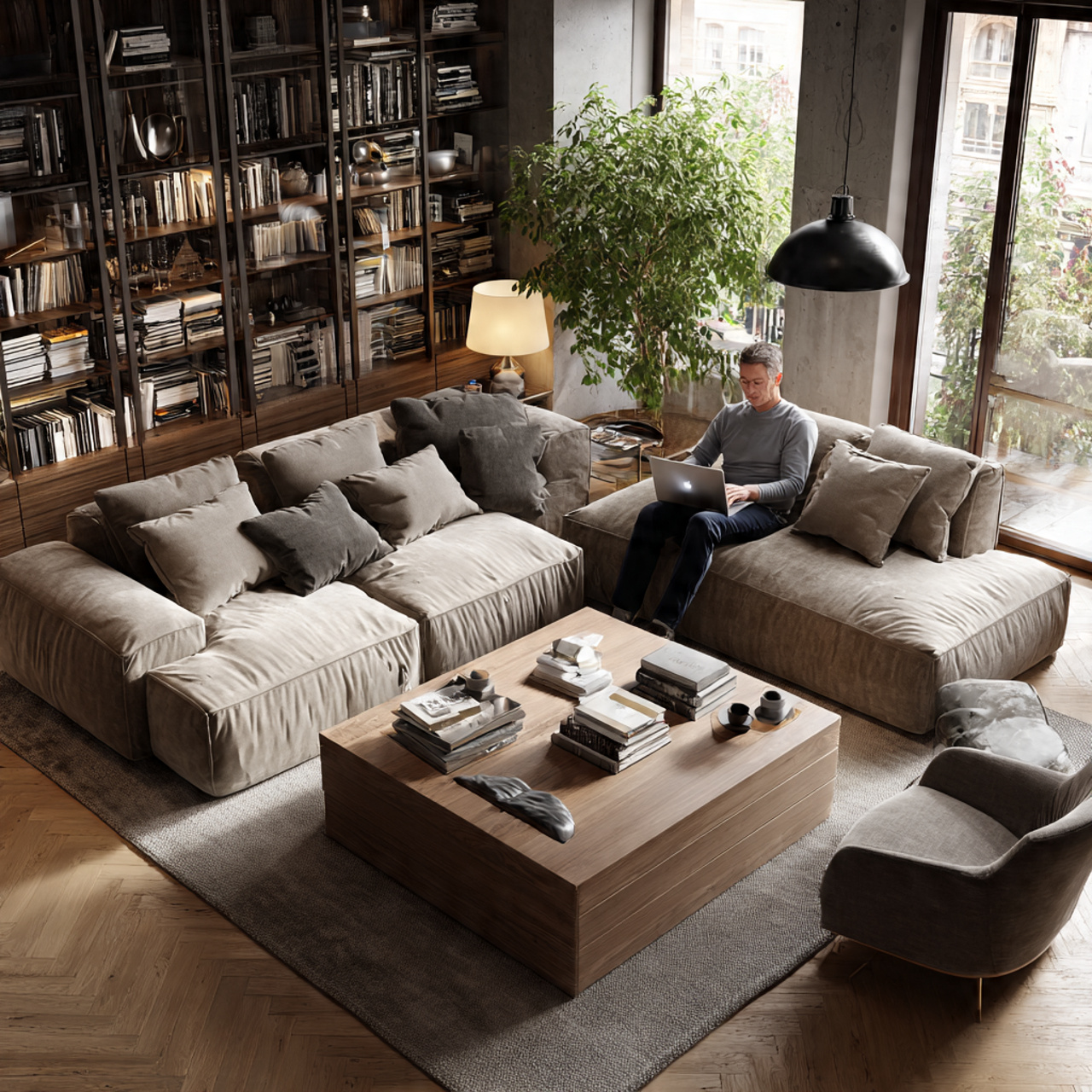
Replacing a traditional coffee table with a large, plush ottoman provides a versatile centerpiece that serves as a table, a footrest, and extra seating. This single piece of furniture reduces clutter by performing multiple roles, which is essential for maintaining an organized small space.
Choosing an ottoman in a bold fabric or a tufted leather can make it the undeniable star of the room. It adds a layer of softness to the center of the space, making the entire environment feel more comfortable and adaptable to various social needs.
Geometric Patterned Flooring Focus
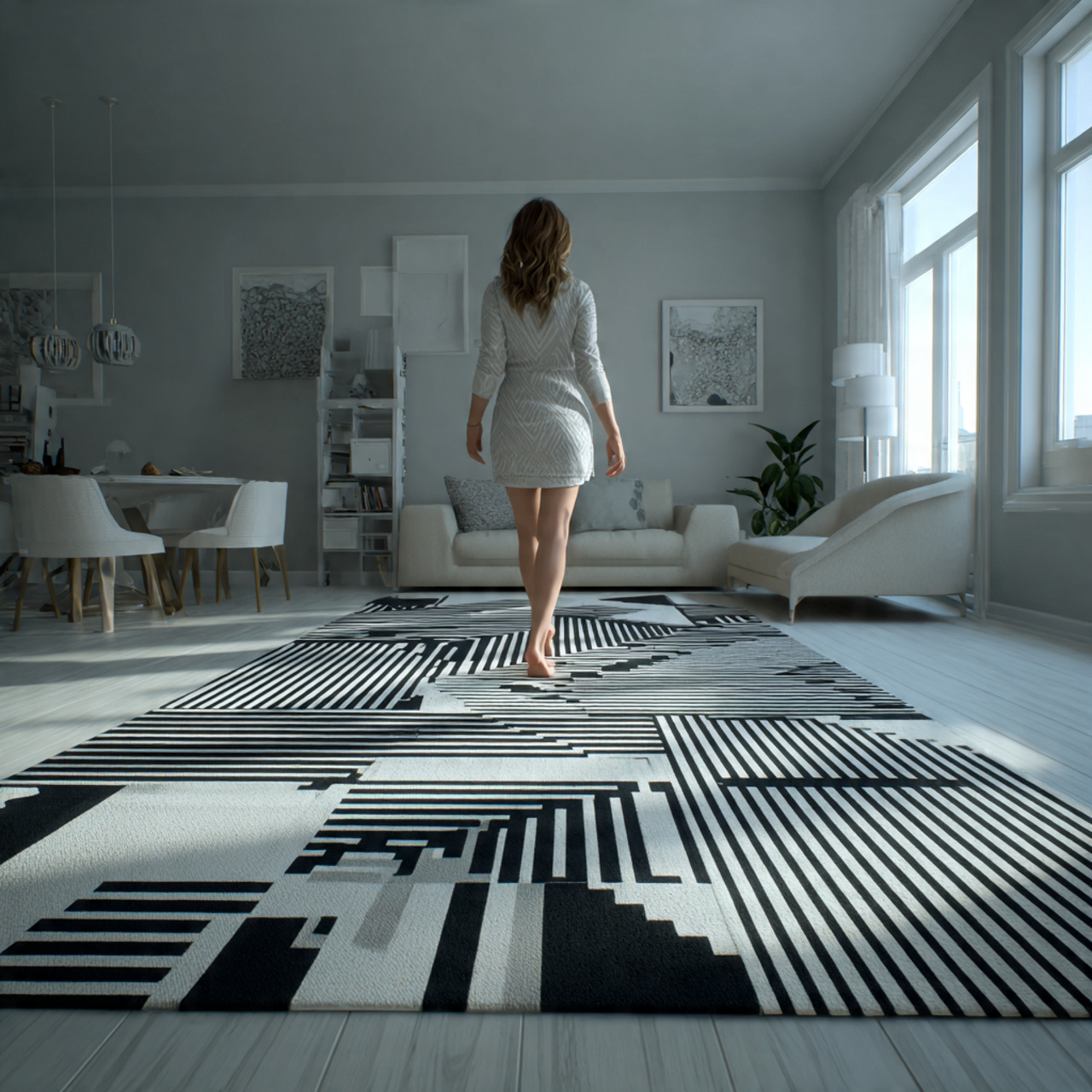
When wall space is limited, the floor becomes the primary canvas for design. A bold geometric rug or intricately tiled floor can act as a massive piece of art that anchors the entire room and provides a strong sense of direction and style.
The repeating patterns can actually lead the eye across the floor, making the horizontal plane seem much longer or wider than it is. This approach allows you to keep the walls simple and clean while still infusing the room with high-energy design and personality.
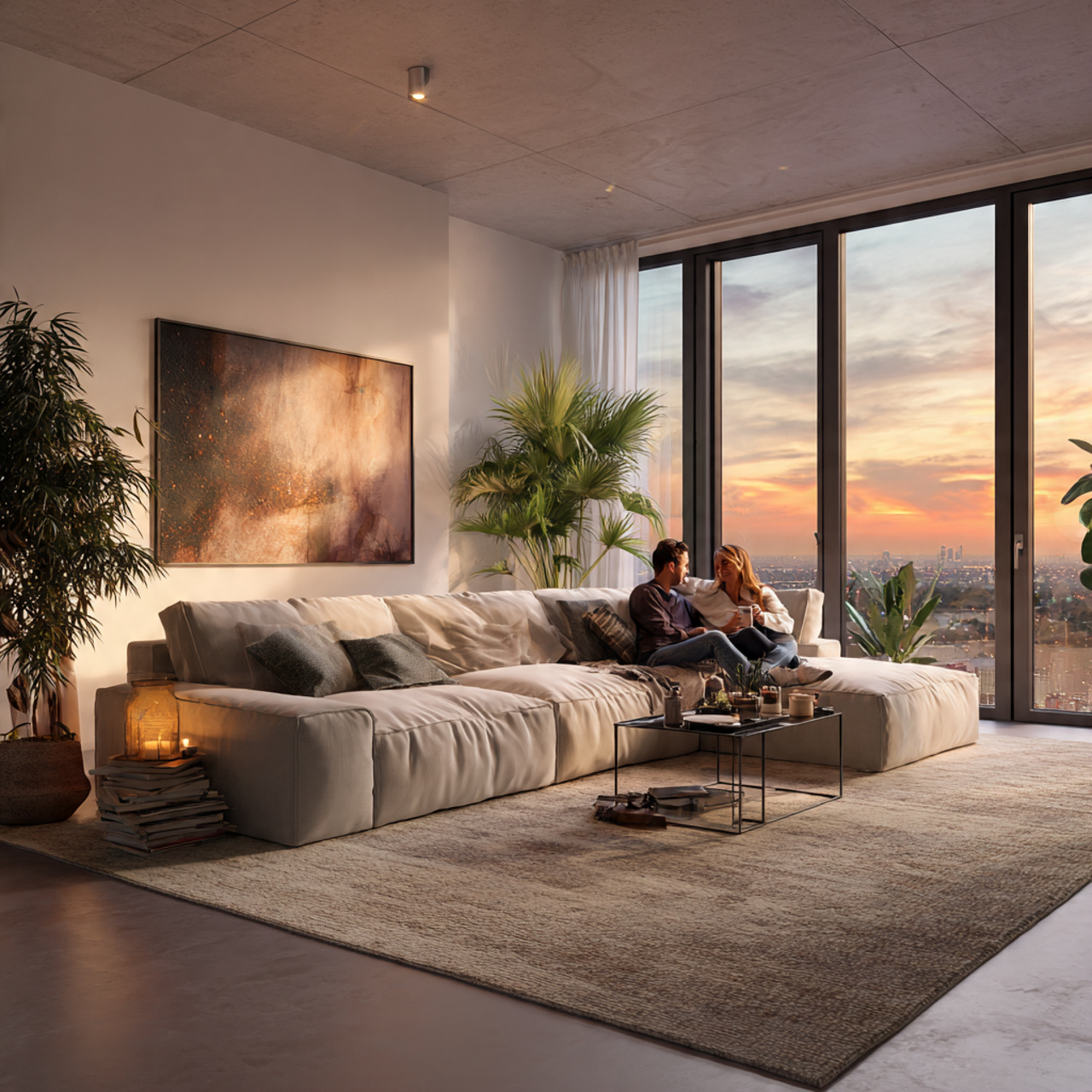
Oversized Art Statement Backdrop
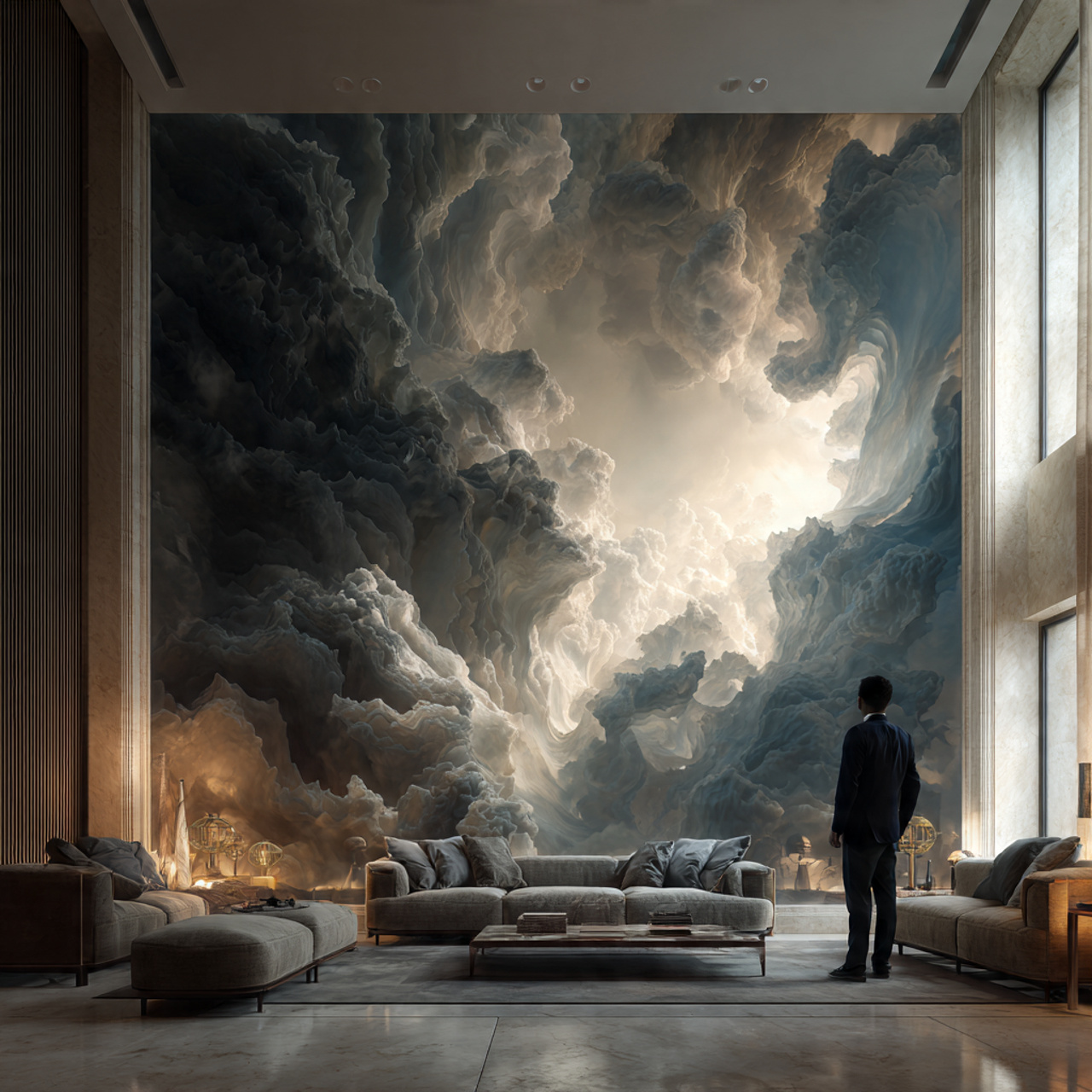
Hanging one massive piece of art instead of a gallery wall can actually make a small room feel much larger. A single, large-scale canvas creates a singular focal point that commands the room, giving the space a sense of grandeur and professional curation.
The scale of the art tricks the brain into thinking the wall is larger than it is to accommodate such a significant piece. This bold move eliminates visual clutter and provides a sophisticated, high-end feel that makes the room feel like a private gallery.
Sky Blue Airy Atmosphere
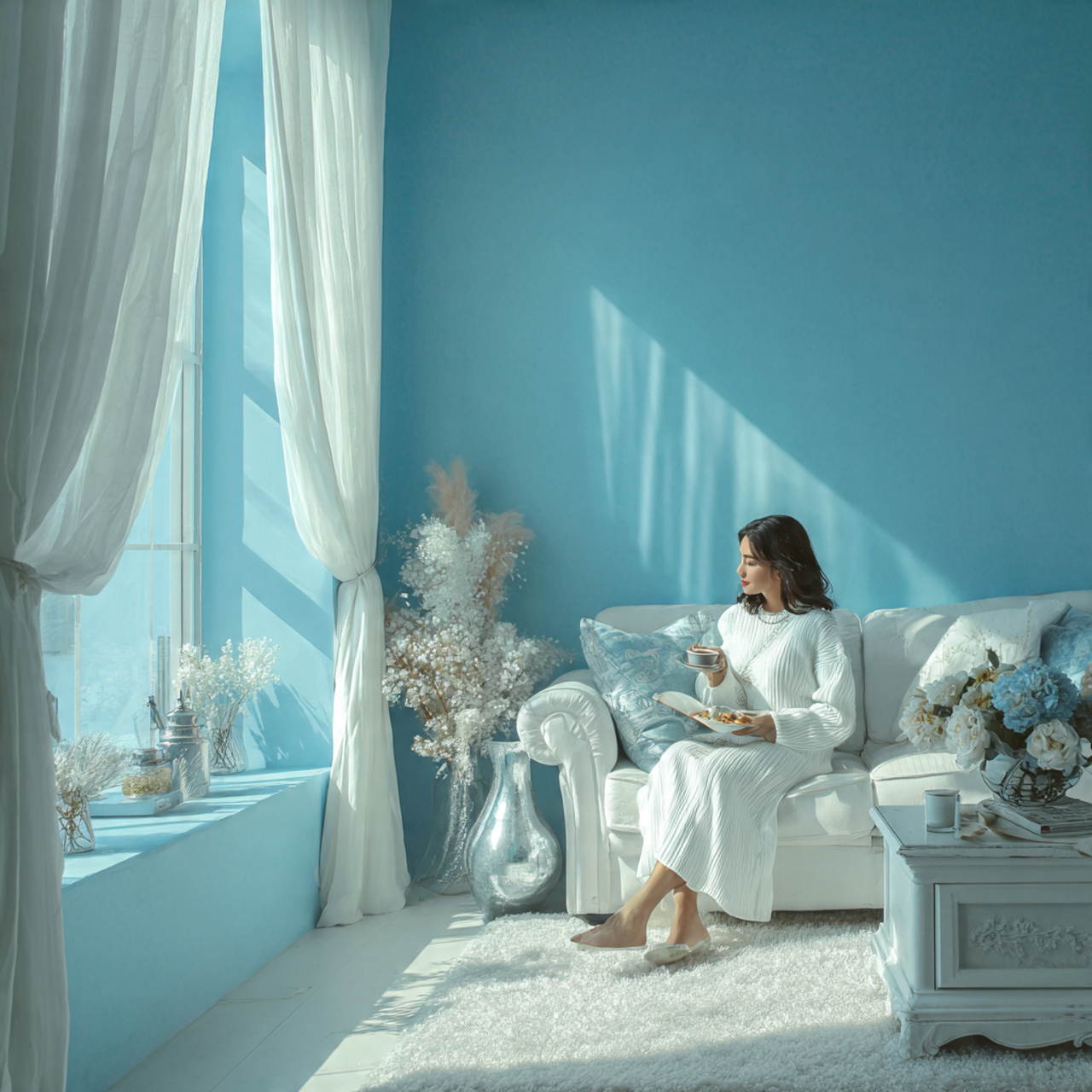
Using various shades of soft sky blue can mimic the vastness of the horizon, creating a ceiling and wall transition that feels limitless. This color is psychologically associated with openness and calm, making it an ideal choice for rooms that feel a bit too enclosed.
Pairing these cool tones with white furniture and silver accents enhances the ethereal quality of the design. The result is a room that feels like a breath of fresh air, providing a serene escape from the hustle and bustle of daily life.
Japanese Zen Fusion Space
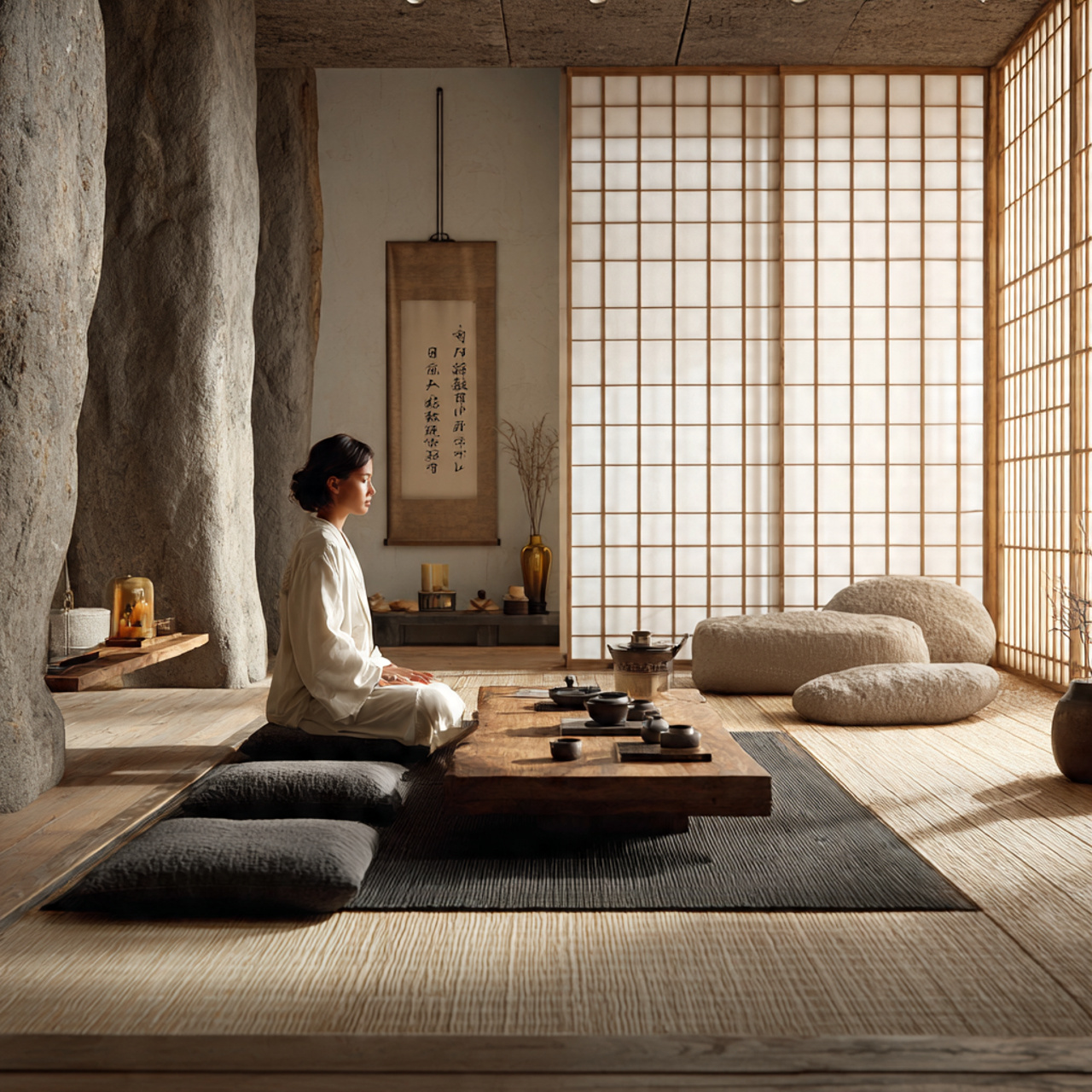
The Zen fusion style focuses on the balance between nature and minimalism, utilizing low-to-the-ground furniture and clean architectural lines. This downward shift in the room’s center of gravity makes the ceilings appear much higher and the overall volume of the room feel more significant.
Natural materials like bamboo, paper, and stone are used to create a tactile environment that feels grounded and peaceful. This design philosophy encourages a clutter-free lifestyle, which is the most effective way to maintain the integrity of a small living space.
Metallic Gold Glamour Details
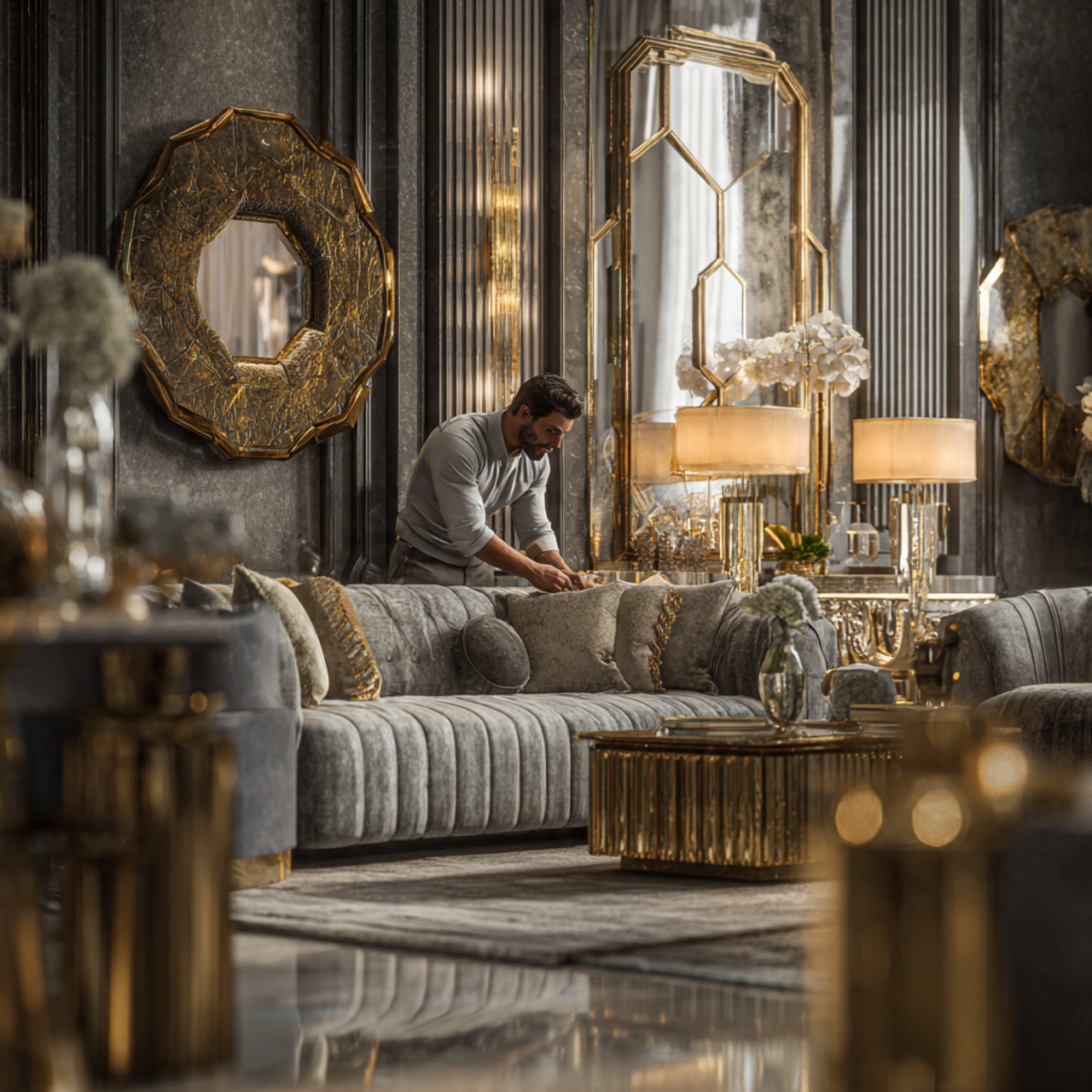
Infusing a room with metallic gold or brass details adds a layer of sophisticated glamour that bounces light into every corner. From thin-framed coffee tables to delicate wall sconces, these shimmering accents act like jewelry for the room, providing a high-end finish.
The reflective nature of metal helps to brighten shadows and add a sense of luxury to even the simplest furniture pieces. When used sparingly, gold can tie a whole room together and make the design feel cohesive and purposefully expensive.
Rustic Farmhouse Reimagined
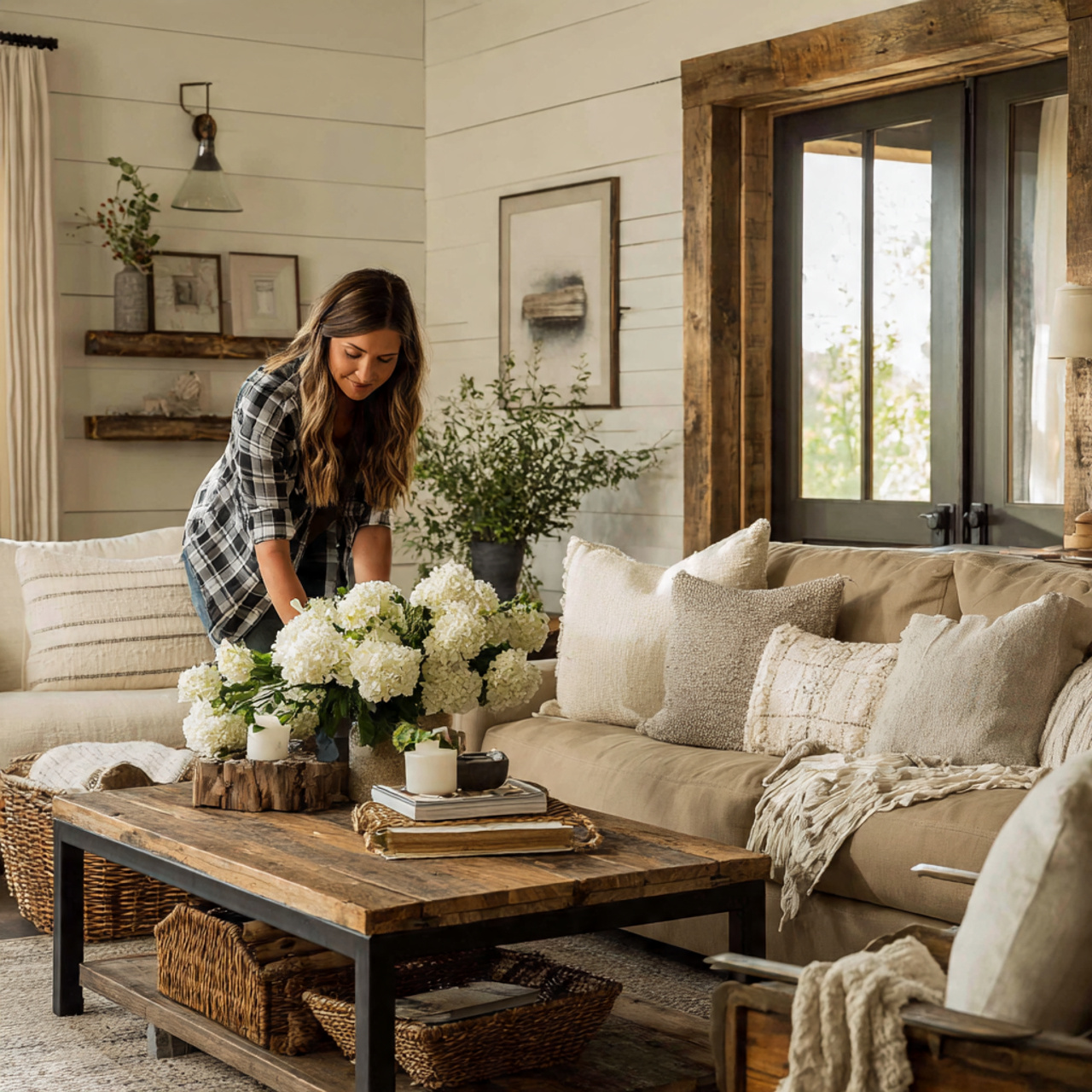
A reimagined farmhouse look uses reclaimed wood, shiplap walls, and cozy textiles to create a sense of history and warmth. By focusing on the “hearth” feel of the room, the small dimensions are used to enhance the feeling of safety and domestic comfort.
Modernizing this look with black metal accents and clean-lined sofas prevents it from feeling too cluttered or kitschy. This style is all about the beauty of imperfection and the creation of a space that feels deeply personal and incredibly welcoming.
Soft Pastel Dreamscape
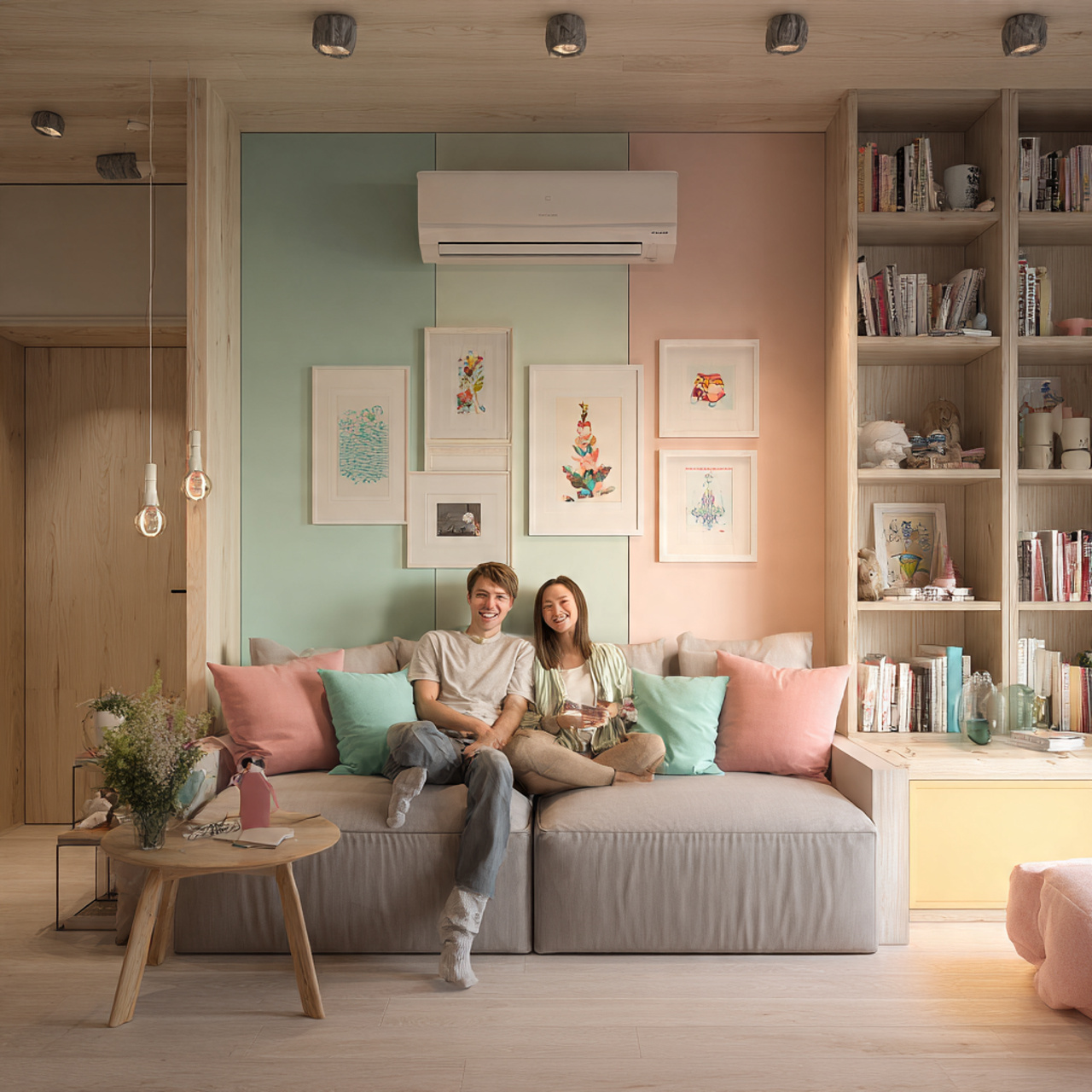
A pastel-themed room uses mint, peach, and lavender to create a whimsical and light-hearted environment. These colors provide enough visual interest to be engaging without being overwhelming, allowing the room to feel bright and full of personality.
This dreamscape aesthetic works best when combined with light-colored woods and plenty of soft lighting. It creates a cheerful and inviting atmosphere that feels youthful and fresh, perfect for a modern living area that needs a boost of energy.
Abstract Expressionist Color Pop
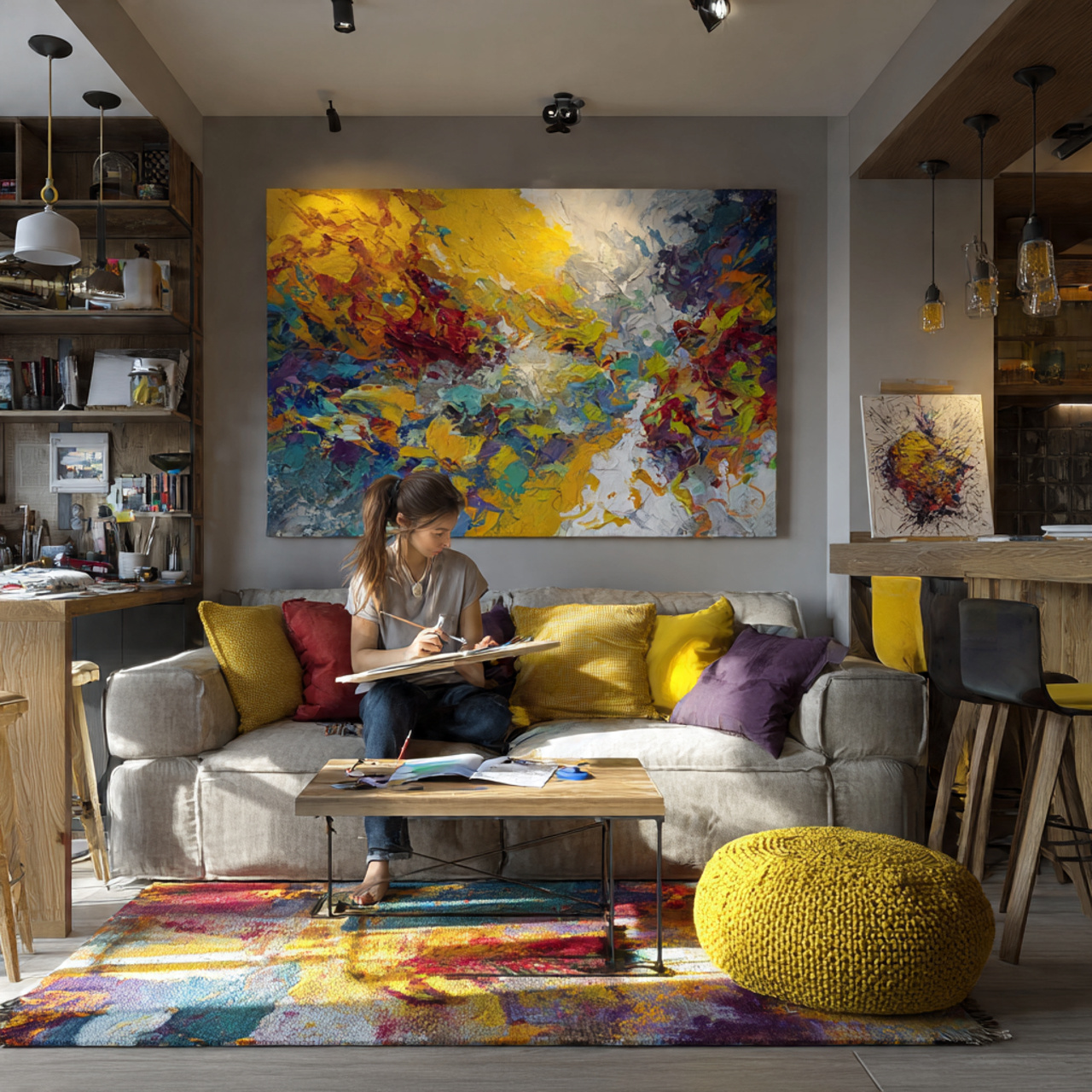
For those who love vibrant energy, an abstract expressionist approach uses bold pops of primary colors against a neutral background. This creates a high-contrast environment where the eye is constantly moving, making the space feel dynamic and full of life.
Using colorful throw pillows, vibrant rugs, or a single painted accent wall allows you to experiment with bold hues without shrinking the room. This style is about the joy of color and the power of art to transform a small space into a high-energy creative hub.
FAQs About Living Room Designs Small Spaces Ideas
How can monochromatic color palettes enhance small room concepts?
A monochromatic palette works by removing visual obstacles and sharp contrasts that can make a room feel chopped up. By using different textures and shades of the same color, you create a seamless flow that allows the eye to glide across the room, creating an illusion of continuous space.
What role does natural light play in expansive feeling interiors?
Natural light is the most effective tool for making any interior feel larger and more inviting. It illuminates corners that would otherwise be lost in shadow and connects the indoor environment with the outdoors, which naturally expands the perceived boundaries of the living area.
Why are reflective surfaces popular in compact aesthetic plans?
Reflective surfaces like mirrors, polished metals, and glass act as secondary light sources and visual extensions of the room. They trick the brain by showing more of the floor and walls, effectively doubling the visual depth and adding a layer of sophisticated brightness to the design.
How do various furniture heights influence the perception of room volume?
Mixing furniture heights prevents the room from feeling like it has a “lid” on it. Using low-profile sofas paired with tall, slender floor lamps or high shelving encourages the eye to move vertically and horizontally, which emphasizes the total volume of the room rather than just the floor space.
What defines a successful focal point in a limited area layout?
A successful focal point is a single, strong element—like a large piece of art or a fireplace—that draws the attention and anchors the room’s design. By giving the eye a specific place to land, you prevent the room from feeling cluttered and give the entire space a sense of purpose and order.
Conclusion
Living room designs small spaces ideas are not just about fitting furniture into a room; they are about expanding the horizons of what is possible within your home. By focusing on creativity and embracing bold aesthetic choices, you can turn a modest area into a high-end masterpiece that feels both spacious and deeply personal.
As you explore these various concepts, remember that the most successful interiors are those that prioritize inspiration over limitation. Let your imagination lead the way, and you will find that living room designs small spaces ideas provide an endless playground for developing a home that is as beautiful as it is unique.