25 Color Schemes and Color Palettes Ideas to Inspire Stunning Designs
Color Schemes and Color Palettes Ideas are the foundation of any captivating visual project, transforming a simple concept into a professional and emotionally resonant experience. They serve as the secret language of design, dictating mood, guiding the user’s eye, and establishing a cohesive brand identity, making the selection process paramount to creative success.
This journey is about unlocking your inner artist and finding fresh, diverse sources of inspiration, moving beyond the obvious primary and secondary combinations. We will explore a wide variety of approaches, from nature-inspired hues to structured design principles, giving you endless options to bring unique vibrancy to your next website, art piece, or interior space.
Best Color Schemes and Color Palettes Ideas to Ignite Your Creativity
The following section curates a collection of inventive and diverse ideas designed to push your artistic boundaries. Instead of rote application, think of these as prompts—starting points for entirely new visual conversations that challenge traditional color theory and lead to unique aesthetic breakthroughs.
We’ll delve into palettes inspired by unexpected sources like historical epochs and cinematic moods, as well as fundamental principles like complimentary and monochromatic structures. Each idea presented is intended to give you a distinct angle for generating visual excitement and impact in any medium. Exploring diverse Color Schemes and Color Palettes Ideas is essential for achieving visual mastery.
Natural Landscape Palette Ideas

One powerful technique involves drawing inspiration directly from specific, localized natural environments, like a high-altitude meadow or a volcanic beach. Rather than simply using “green” and “blue,” designers should extract the subtle tonal variations, such as the dusty lavender of alpine rocks or the deep, saturated teal found in glacial meltwater. This approach results in Color Schemes and Color Palettes Ideas that feel authentic, balanced, and immediately calming because the hues have naturally evolved together.
These ideas work particularly well for brands focused on sustainability, wellness, or travel, as they instantly evoke a sense of grounding and quality. A palette derived from a rainy forest floor, for instance, might combine deep mossy greens, muted earthen browns, and a hint of soft, foggy gray, creating an atmosphere of quiet sophistication and organic texture.
Historical Art Movement Color Ideas
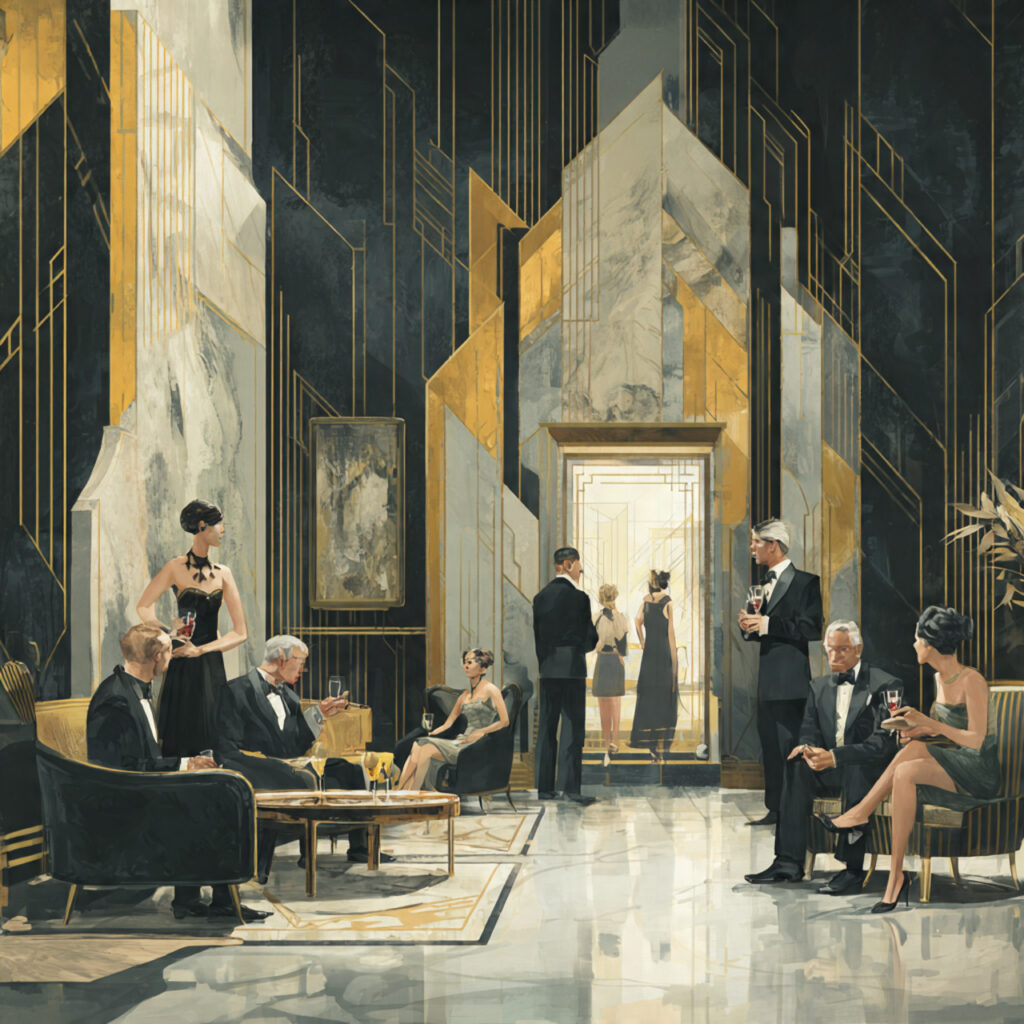
Look to major artistic movements to find pre-vetted, high-impact Color Schemes and Color Palettes Ideas that define an era. For example, palettes inspired by the Art Deco period rely on a luxurious foundation of black, gold, and cream, accented by rich, geometric tones like emerald green or sapphire blue.
Alternatively, consider the Post-Impressionist period, which offers bold, saturated, and often slightly unsettling combinations, emphasizing emotional impact over realism. Applying these schemes, such as the yellows and deep blues associated with Van Gogh, can infuse a design with dramatic energy and a sense of timeless creative depth.
Monochromatic Depth Combination Ideas
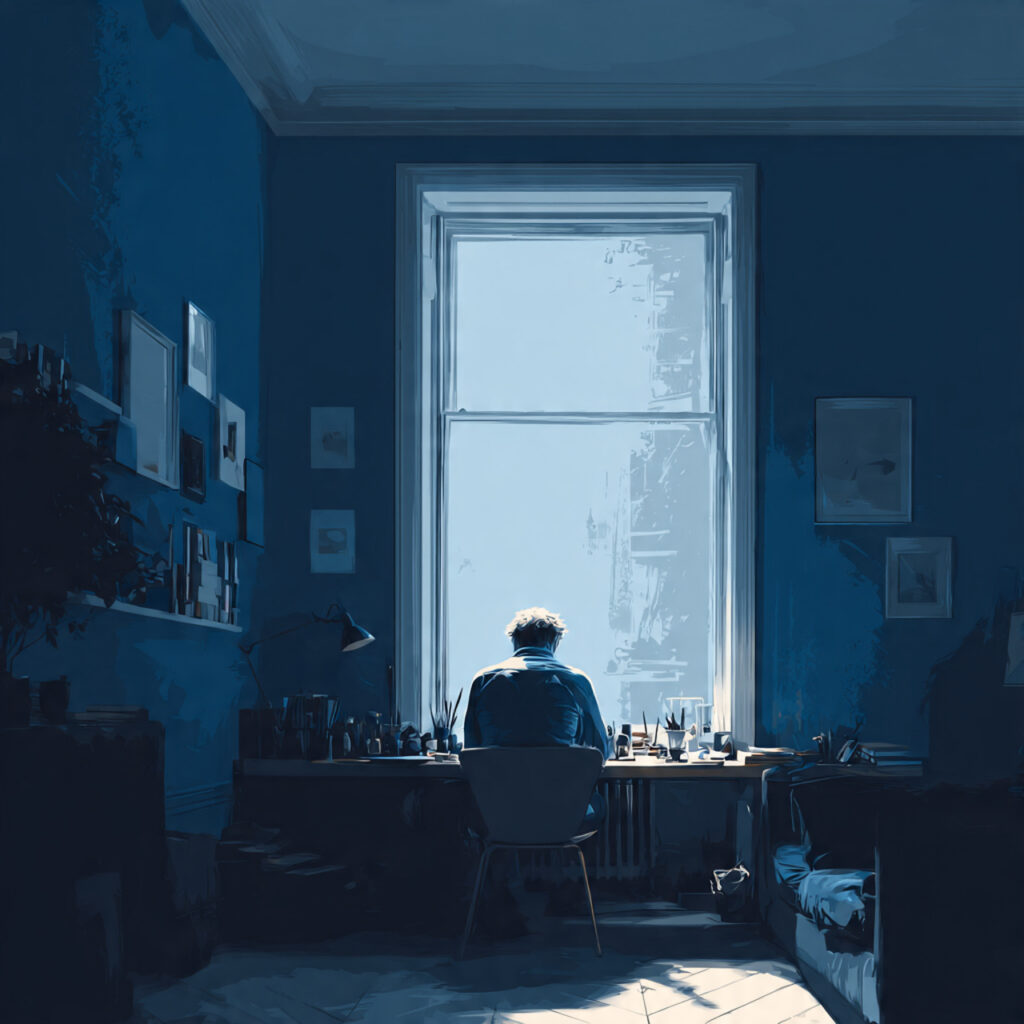
The core principle of monochromatic Color Schemes and Color Palettes Ideas is achieving complexity using only one base hue. This requires exceptional control over value (lightness) and saturation (intensity) to avoid boredom. By utilizing various tints (adding white), tones (adding gray), and shades (adding black) of a single color, a design can achieve sophisticated depth.
For instance, a deep navy base can be accented with soft sky blue and punctuated by a dark, near-black shade of indigo. This approach guarantees harmony and is often chosen for minimalist, modern branding where clarity and focus are paramount, ensuring a clean yet visually rich aesthetic.
Complementary Contrast Application Ideas
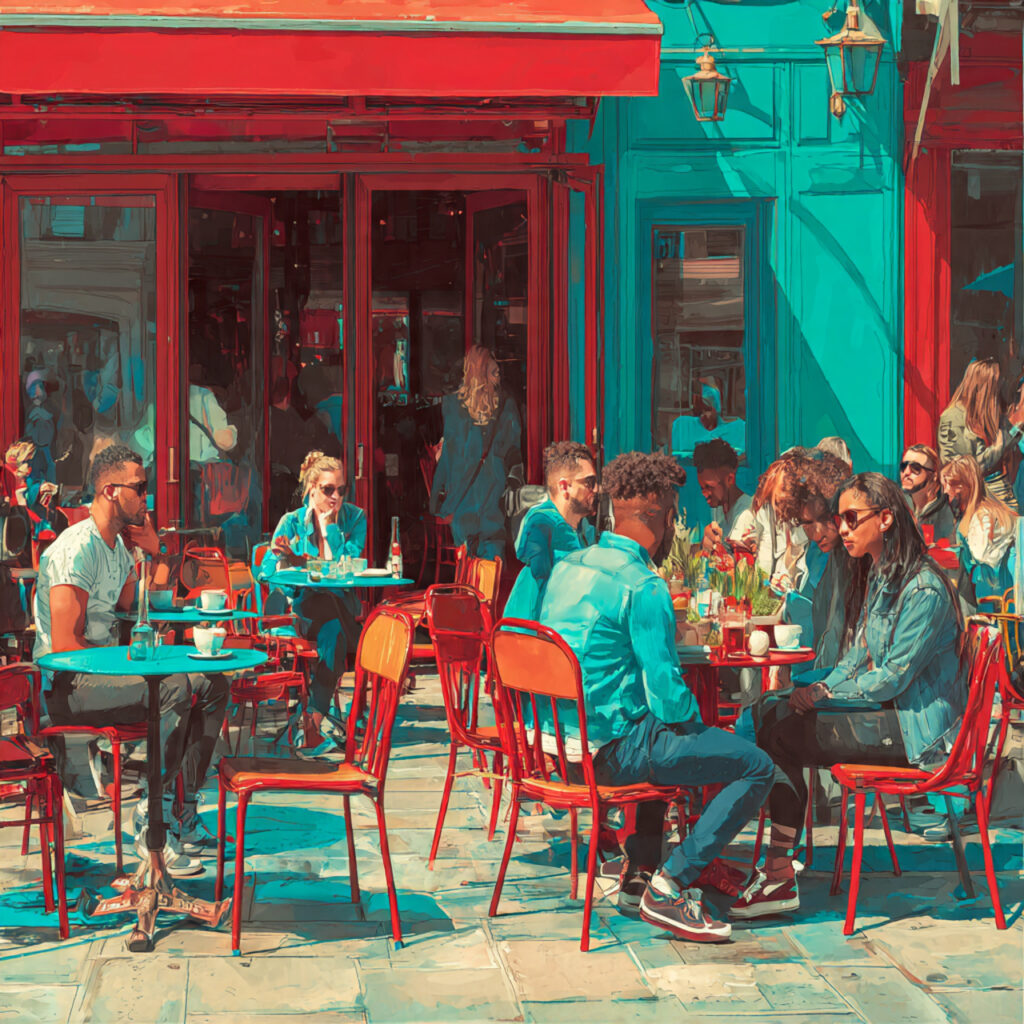
Complementary color pairs, such as red and cyan or yellow and purple, sit directly opposite each other on the color wheel and offer the highest possible visual contrast. This dynamic opposition is ideal for creating excitement and demanding attention, making them great Color Schemes and Color Palettes Ideas for action-oriented interfaces.
When using this approach, adopt the 60-30-10 rule: use one color as the dominant base (60%), its complement for vibrant accents (10%), and a neutral tone for separation and balance (30%). This prevents the two opposing colors from clashing too aggressively, harnessing their energy for maximum effect without causing visual fatigue.
Triadic Harmony Exploration Ideas

Triadic Color Schemes and Color Palettes Ideas involve three colors that are equally spaced around the color wheel, such as the classic primary combination of red, yellow, and blue. This scheme is inherently vibrant and festive, providing high contrast while maintaining an appealing visual balance and complexity.
To make a triadic palette professional rather than childish, focus on desaturating two of the hues or shifting their value dramatically. For example, use a vibrant, deep jewel tone for the main color, and choose muted, earthy variations of the other two for supporting roles. This controls the energy and elevates the combination’s perceived sophistication.
Split-Complementary Theme Ideas
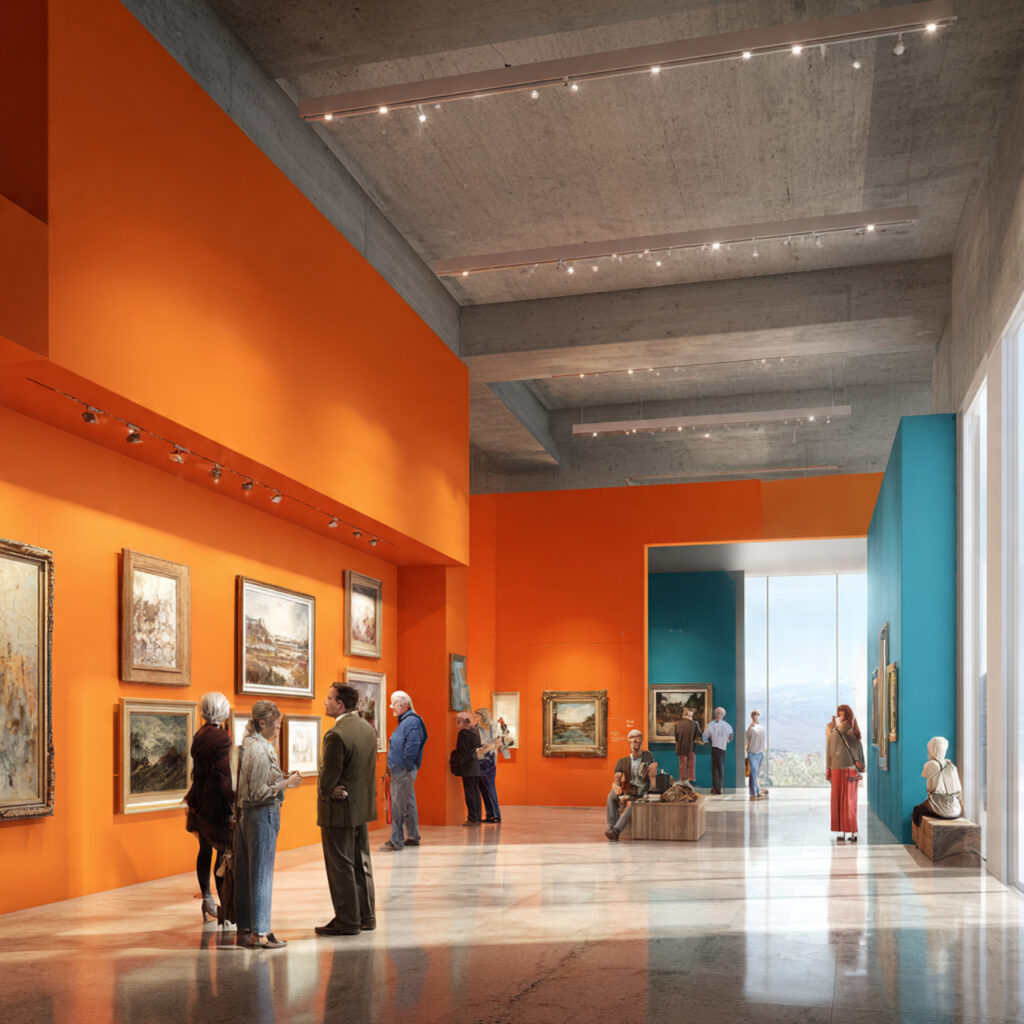
Split-complementary schemes offer the vibrance of a complementary pair but with reduced tension, making them more versatile Color Schemes and Color Palettes Ideas. This is achieved by selecting a base color and then using the two colors adjacent to its direct complement, rather than the complement itself.
The resulting palette provides a strong visual anchor with varied accent opportunities, ensuring a harmonious composition that still pops. If the base color is a vibrant orange, instead of using pure blue (its complement), the scheme would incorporate a light blue-green and a deep blue-violet, resulting in richer, more nuanced contrast.
Analogous Gradient Blend Ideas
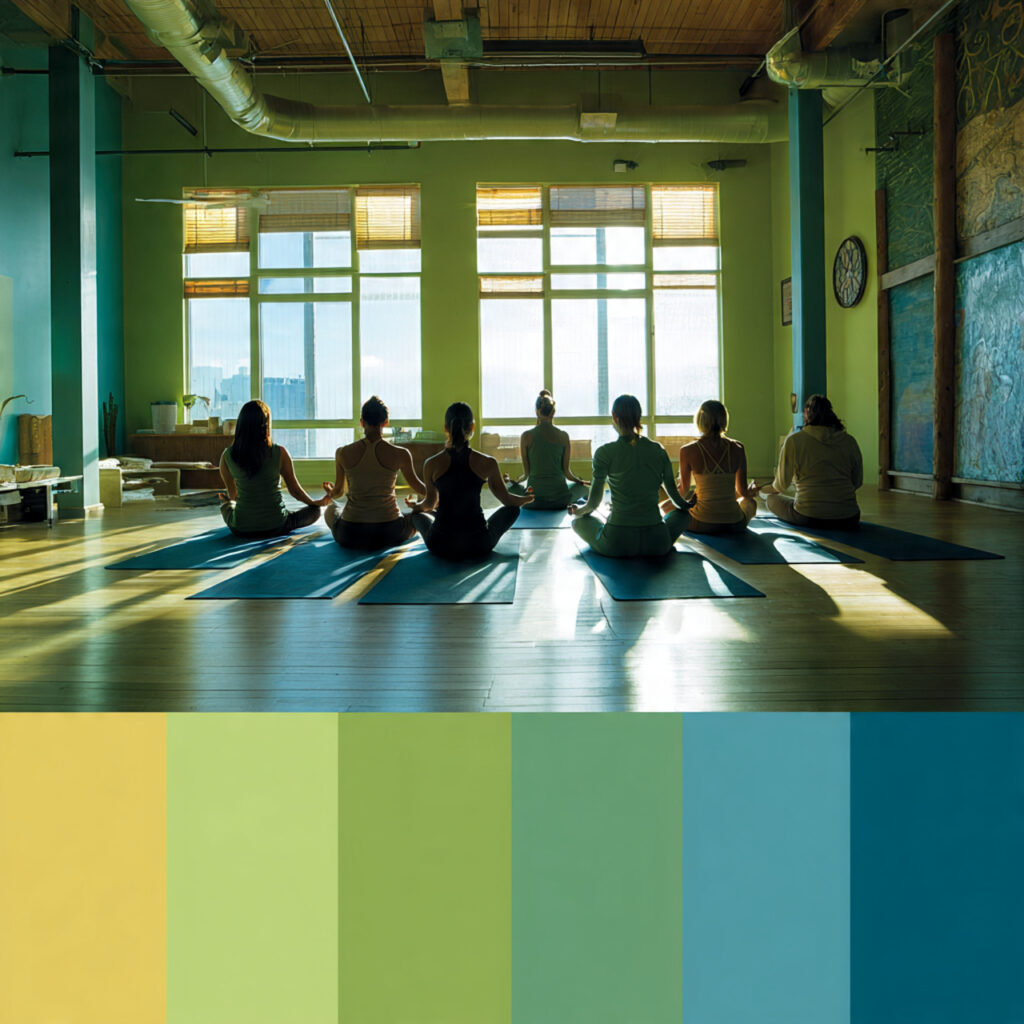
Analogous Color Schemes and Color Palettes Ideas are built from hues located next to each other on the color wheel, creating a naturally restful and coherent visual flow. They are excellent for designs that require seamless transitions and a unified, harmonious mood, such as lifestyle or wellness websites.
To bring depth to this scheme, incorporate subtle gradients and slight shifts in temperature. For instance, moving from a warm yellow-green through a pure green to a cool blue-green allows the eye to travel smoothly across the composition, making these schemes feel organic and incredibly sophisticated.
Cinematic Mood Palette Ideas
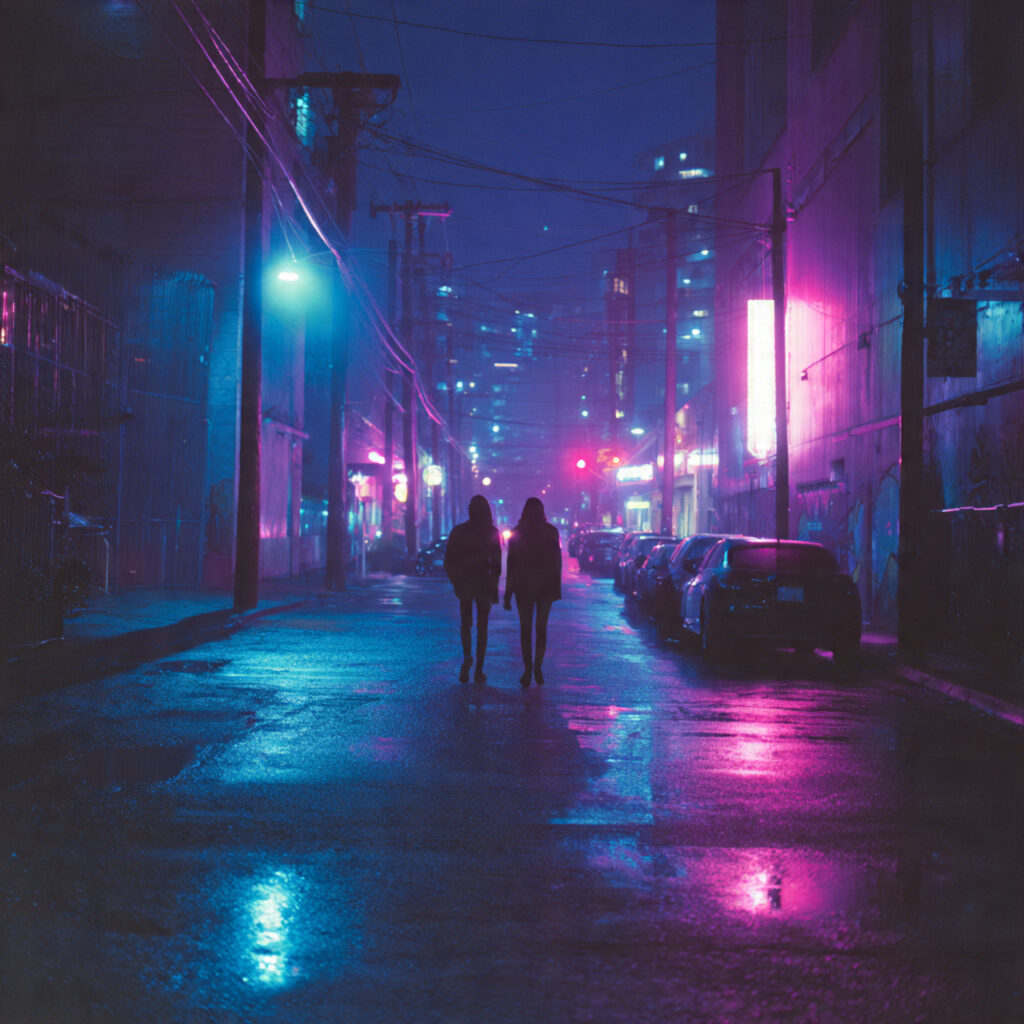
Drawing inspiration from cinematography provides pre-packaged, emotionally loaded Color Schemes and Color Palettes Ideas. Consider the high-key, sun-drenched palette of a California indie film (soft yellows, hazy blues) versus the dark, saturated cyberpunk feel of a dystopian thriller (deep violets, electric magenta, neon cyan).
The key is to define a specific emotional narrative and select colors that support it universally. For a vintage romance mood, you might choose faded rose, deep burgundy, and soft slate gray, where the colors themselves tell a story of wistful longing and memory.
Vintage Poster Color Ideas
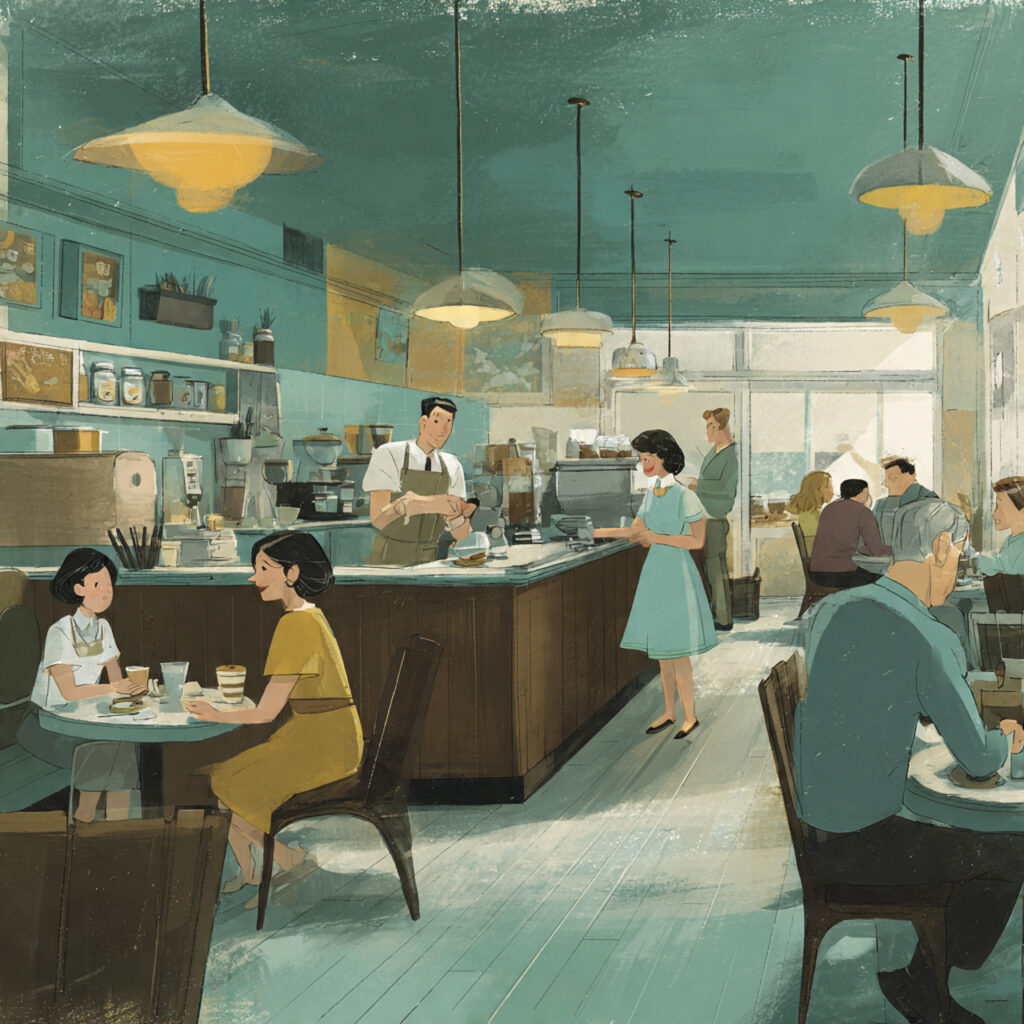
Vintage advertising often utilized a limited palette due to early printing technology, resulting in iconic and highly effective Color Schemes and Color Palettes Ideas. These typically feature slightly desaturated, yet bold, primary and secondary colors set against a cream or beige background instead of stark white.
Think of deep maroons, olive greens, mustard yellows, and muted teals. These colors possess a certain “dusty” charm that makes them perfect for any design seeking a retro, handcrafted, or nostalgic feel, and they convey reliability and heritage.
Jewel Tone Accent Ideas
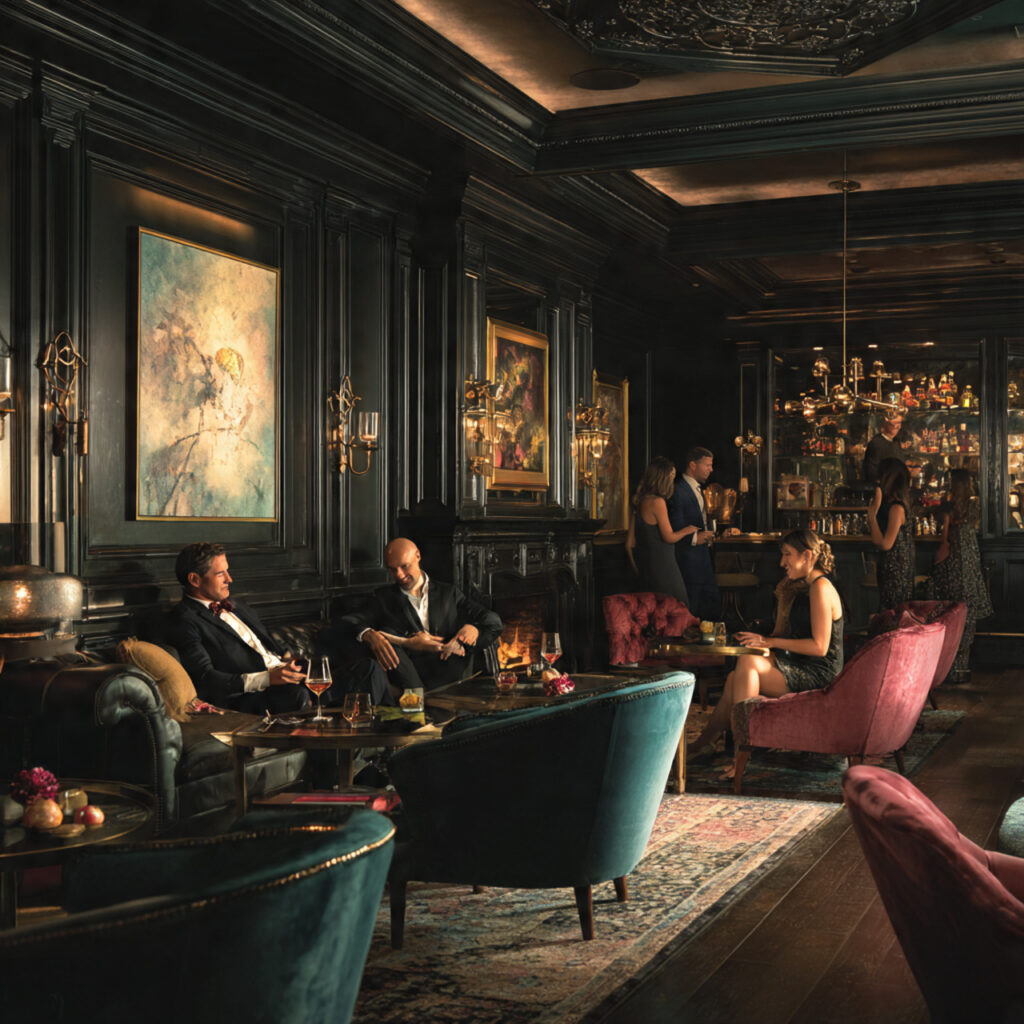
Jewel tone Color Schemes and Color Palettes Ideas—like amethyst, ruby, sapphire, and emerald—are rich, deep, and highly saturated, exuding luxury and sophistication. They are most impactful when used as powerful accents against a dark, dramatic neutral backdrop, such as deep charcoal, black, or velvet midnight blue.
This combination immediately elevates a design, making it suitable for high-end fashion, upscale interior design, or premium branding. The richness of the tones adds a tactile quality, suggesting texture and expense simply through the chromatic choice.
Neon and Pastel Fusion Ideas
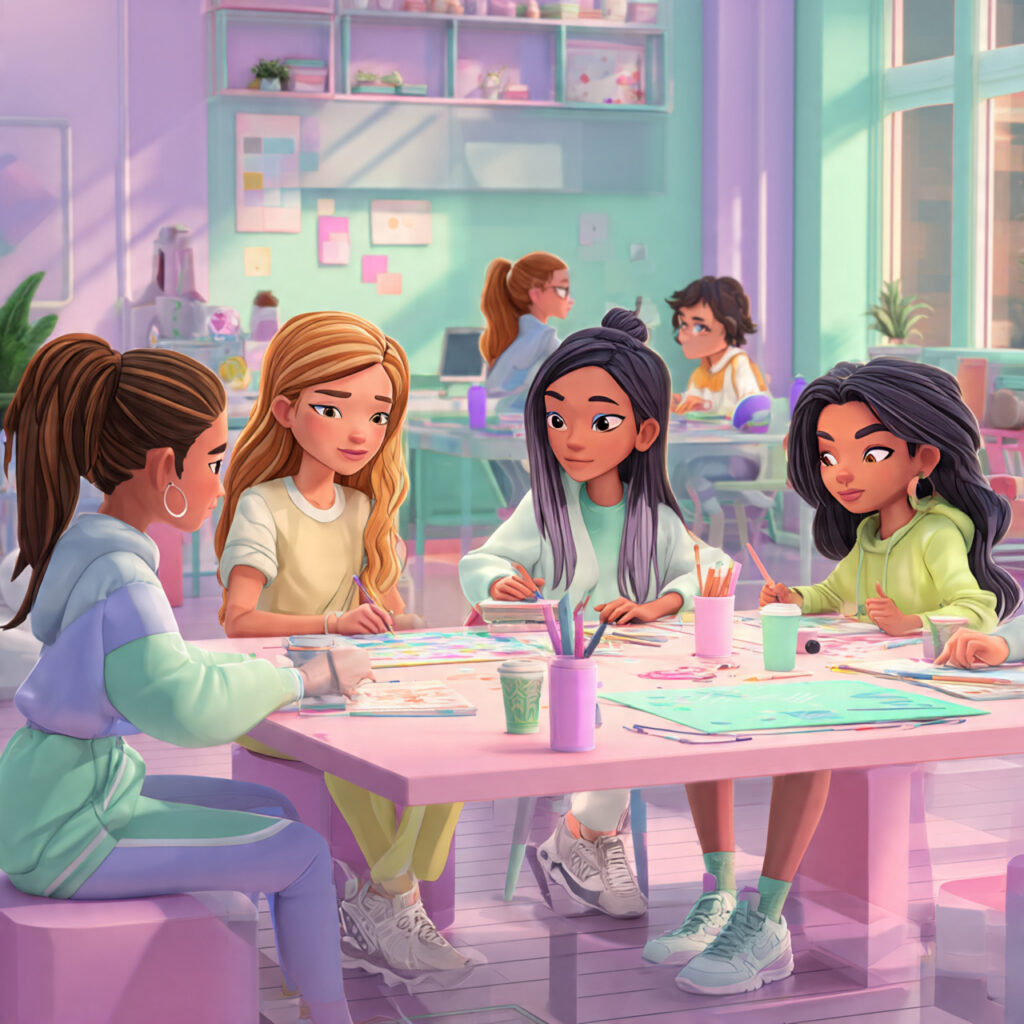
For a contemporary and playful aesthetic, consider fusing the high-energy impact of neon colors with the soothing calm of pastels. This combination creates unique Color Schemes and Color Palettes Ideas that are dynamic yet balanced, perfectly capturing the spirit of modern digital art and vaporwave culture.
Use soft, dusty lavender and mint green for the majority of the background and interface elements, then reserve an electric neon pink or lime green for interactive buttons, hover states, or crucial calls to action. The juxtaposition creates an immediate visual pop that feels fresh and youthful.
Earthy Minimalist Scheme Ideas
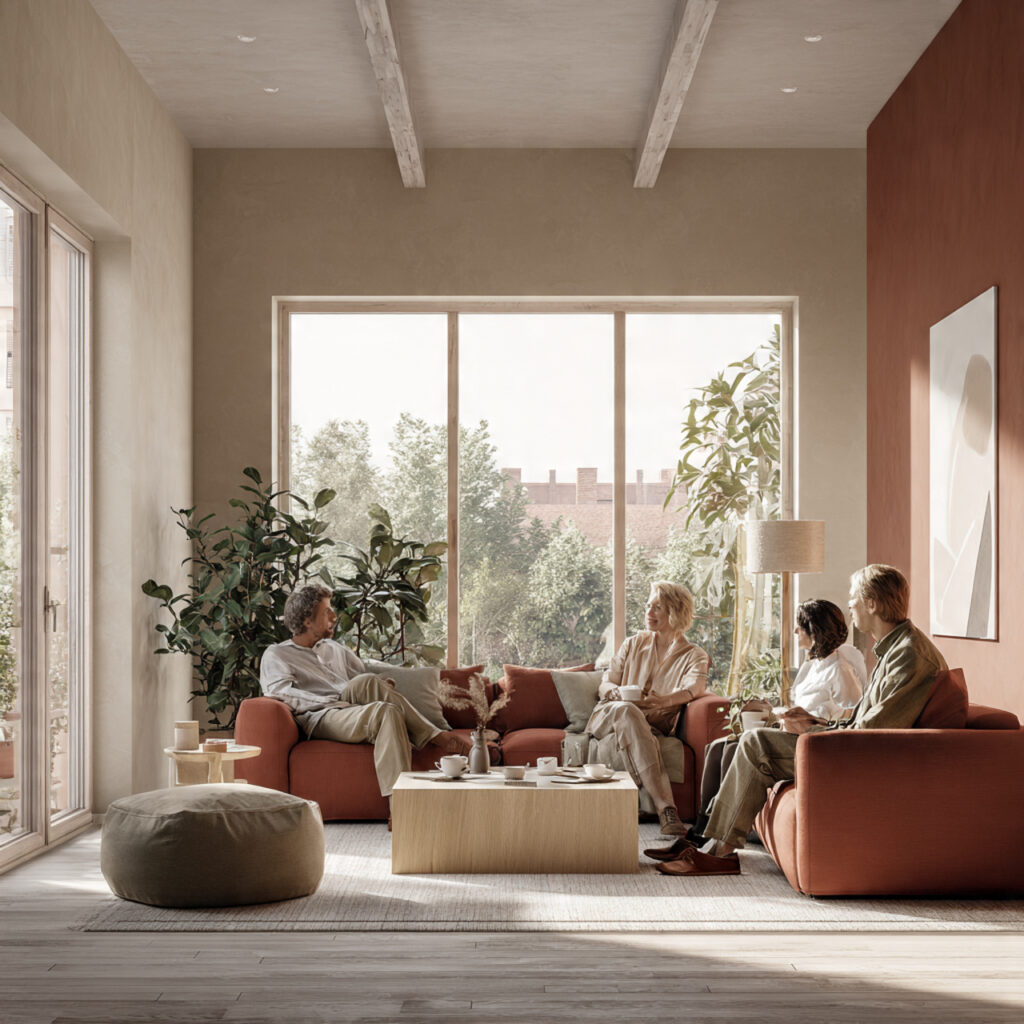
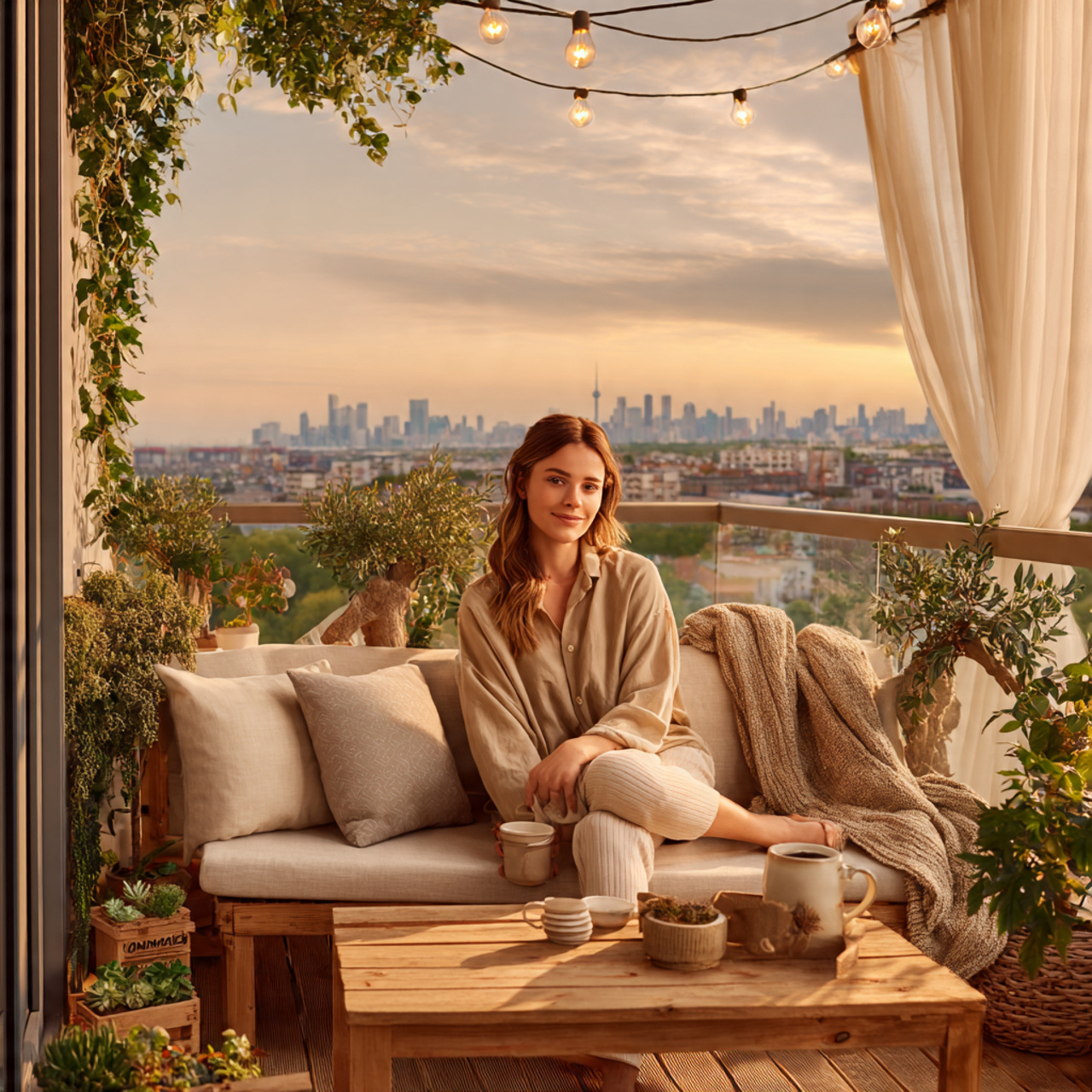
Earthy, minimalist Color Schemes and Color Palettes Ideas prioritize warmth, texture, and natural subtlety over high contrast. The palette focuses on shades derived from the earth: terracotta, sage green, warm taupe, clay, and bone white.
These schemes are inherently soothing, welcoming, and grounded, making them ideal for lifestyle brands, eco-conscious businesses, or home goods. The colors feel organic and pair exceptionally well with photographic elements that feature wood, linen, or natural stone, emphasizing a sense of quiet quality.
Four-Season Transition Ideas
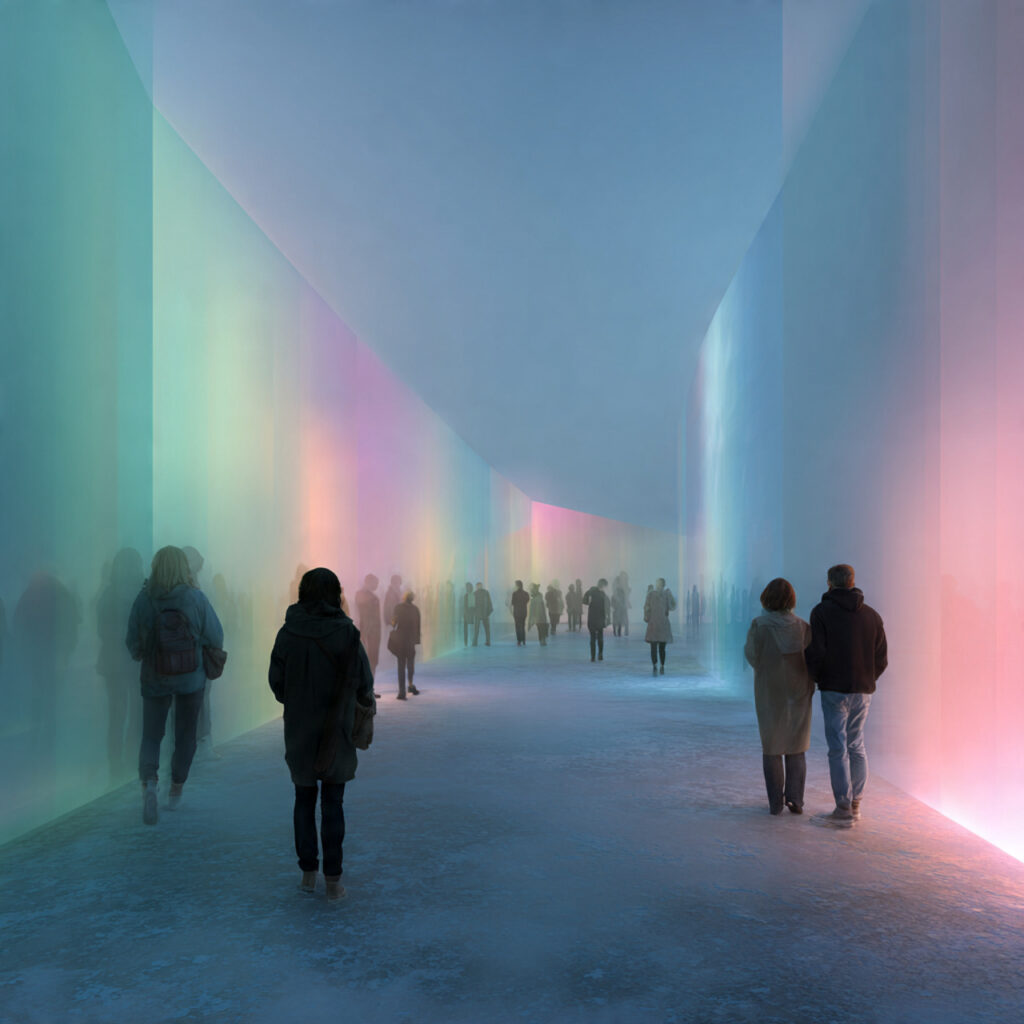
Creating a sequential palette that mirrors the change across the four seasons offers a powerful set of Color Schemes and Color Palettes Ideas for data visualization or brands that emphasize cycles and growth. This method involves building four distinct, yet related, sub-palettes.
For instance, the Spring palette might feature light greens and pinks, while the Winter palette uses deep blues and crisp whites. Ensuring a smooth transition—like using the warm gold of late Autumn to introduce the rich reds of early Winter—helps maintain visual cohesion across the entire spectrum of use.
Urban Graffiti Palette Ideas
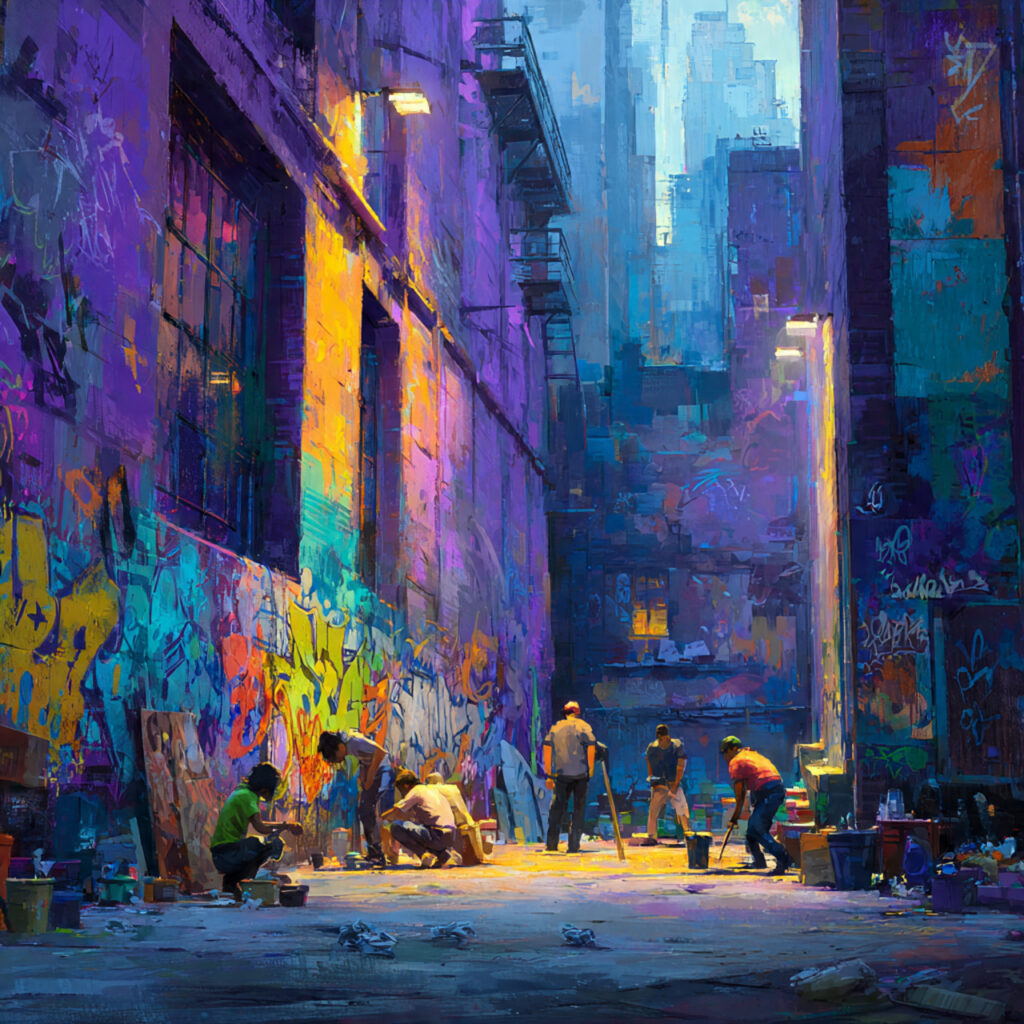
Urban graffiti is a masterclass in bold, unrestrained color usage, offering incredibly energetic Color Schemes and Color Palettes Ideas. This approach is characterized by high saturation, deliberate clashing, and often unexpected juxtapositions, such as vibrant purple next to electric yellow.
This style is perfect for brands targeting a youth demographic, streetwear, or high-energy artistic projects. The key is to embrace the boldness and use the vibrant energy to communicate rebellion, creativity, and unapologetic self-expression, often against a dark, contrasting background.
Abstract Emotion Representation Ideas

Instead of following formal color theory, this concept suggests selecting Color Schemes and Color Palettes Ideas based purely on subjective emotional representation. The goal is to define the core feeling you want the viewer to experience and choose colors that embody that emotion, regardless of their position on the color wheel.
For a feeling of “melancholy contemplation,” you might combine slate gray, deep olive green, and a washed-out rose color. This provides a personal, unique aesthetic that connects with the audience on a deeper, more visceral level, ensuring the visual experience aligns perfectly with the content’s tone.
Two-Tone Brand Identity Ideas
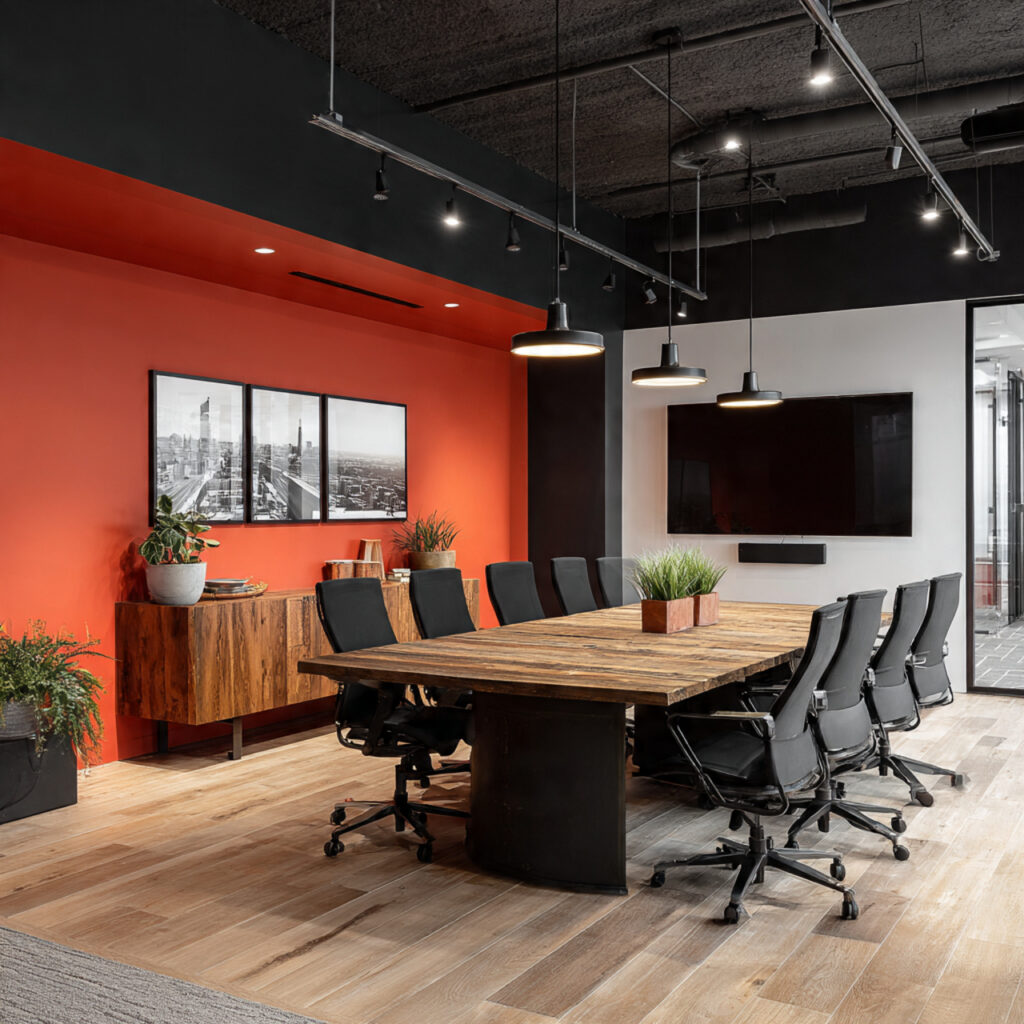
The two-tone approach is one of the clearest and most enduring Color Schemes and Color Palettes Ideas for strong brand identity. It involves selecting one dominant, vibrant color and pairing it with a simple, high-contrast neutral, usually black or white.
This choice guarantees maximum clarity, reproducibility across all media, and an instantly recognizable visual signature. The simplicity forces the designer to focus on form and function, ensuring the color choice communicates directly without distraction, making the brand memorable and visually sharp.
Interior Design Trend Color Ideas

Design trends constantly evolve, and tapping into current interior design Color Schemes and Color Palettes Ideas can ensure your digital or print work feels contemporary and relevant. Currently, muted, natural tones with deep, grounding anchors are popular.
Consider the popular “Japandi” style, which merges Japanese and Scandinavian aesthetics by utilizing light wood tones, warm off-whites, black accents, and deep indigo or forest green features. Applying this reserved yet tactile palette can give digital interfaces a calming, sophisticated, and modern edge.
Architectural Material Palette Ideas
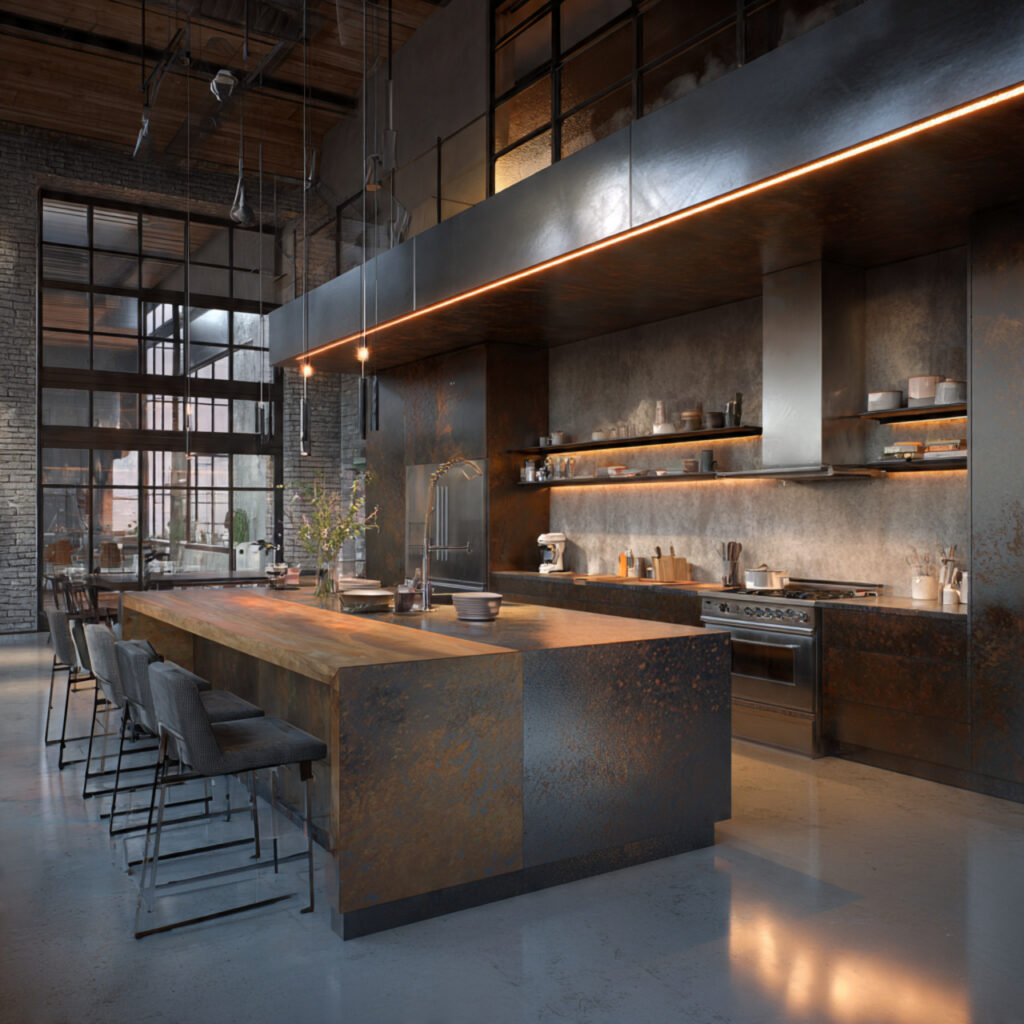
Deriving Color Schemes and Color Palettes Ideas from building materials offers a unique form of grounded inspiration. Think about the textures and colors of aged concrete, oxidized copper, polished steel, and smoky glass. These colors are inherently industrial and sophisticated.
A palette built around these materials might feature deep charcoal grays (concrete), subtle rust oranges (oxidized metal), and cool, reflective silver-blues (steel). This imparts a sense of structure, permanence, and modern austerity, often used in professional or luxury tech branding.
Digital Glitch Effect Color Ideas

The glitch effect is a visually striking idea that utilizes specific, often clashing, colors to suggest digital error or deconstruction. The classic example involves the high-contrast pairing of deep cyan and vibrant red, mimicking the look of 3D anaglyph glasses or signal interference.
These chaotic, high-energy Color Schemes and Color Palettes Ideas are perfect for projects related to digital security, abstract art, music, or high-tech fashion. They communicate a sense of disruption and boundary-pushing energy, demanding immediate attention from the viewer.
Childhood Nostalgia Color Ideas
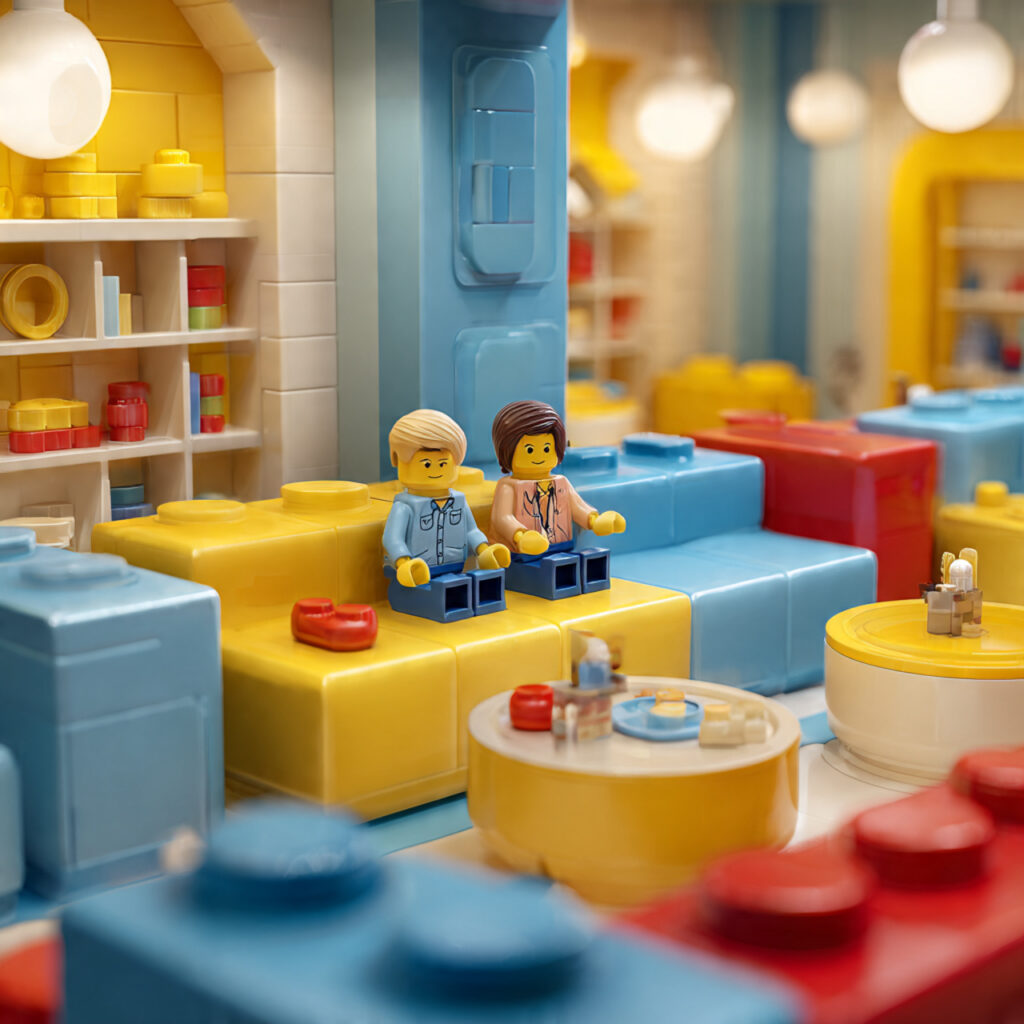
For projects requiring a playful, friendly, or sentimental mood, explore Color Schemes and Color Palettes Ideas drawn from childhood memories. This often involves highly saturated, primary and secondary colors, but with a slight adjustment to their brightness to avoid looking too raw.
Think about the specific, vibrant hues found in building blocks, 8-bit video games, or classic Saturday morning cartoons. A palette featuring a clear, optimistic yellow, a playful sky blue, and a cheerful candy apple red can instantly evoke warmth and approachability.
Scientific Data Visualization Ideas

When color is used to communicate quantitative data, the palette choice is critical for clarity and accuracy. Scientific visualization requires logical, sequential, or diverging Color Schemes and Color Palettes Ideas that reflect the underlying data structure.
Sequential palettes use increasing darkness or saturation to represent increasing magnitude, moving from light yellow to dark blue, for instance. Diverging palettes use two different hues that branch out from a neutral center (e.g., green-to-white-to-red) to show deviations from an average or zero point, ensuring the colors tell an honest story.
Primary Color Dominance Ideas
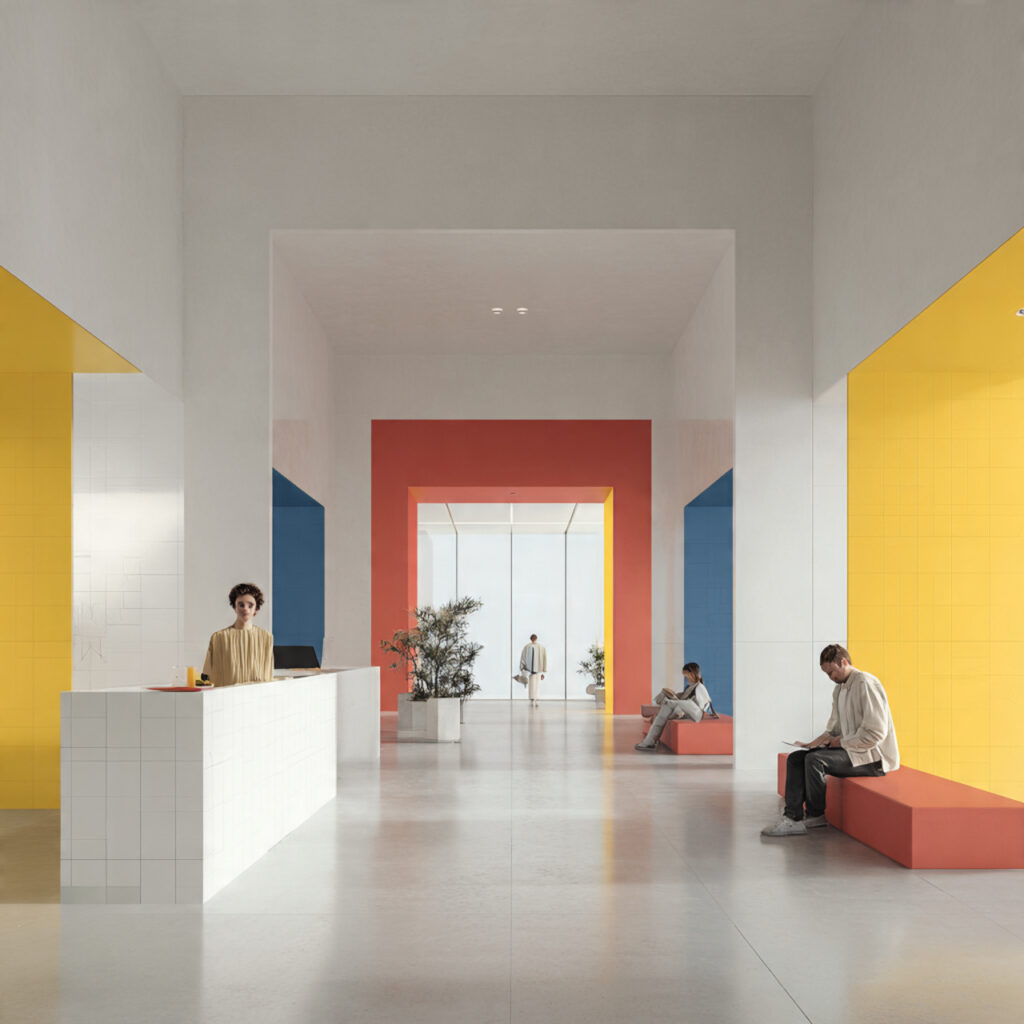
While simple, primary Color Schemes and Color Palettes Ideas (Red, Yellow, Blue) remain effective when used with strategic negative space. This approach relies on the high energy and immediate recognition of the core colors to communicate boldness, simplicity, and core values.
To ensure professionalism, limit the saturation of one or two primaries and let only one truly “pop” against a massive amount of white space. This maximizes the energy of the dominant color while retaining a clean, sophisticated structure, perfect for impactful, direct messaging.
Metallic Finish Integration Ideas
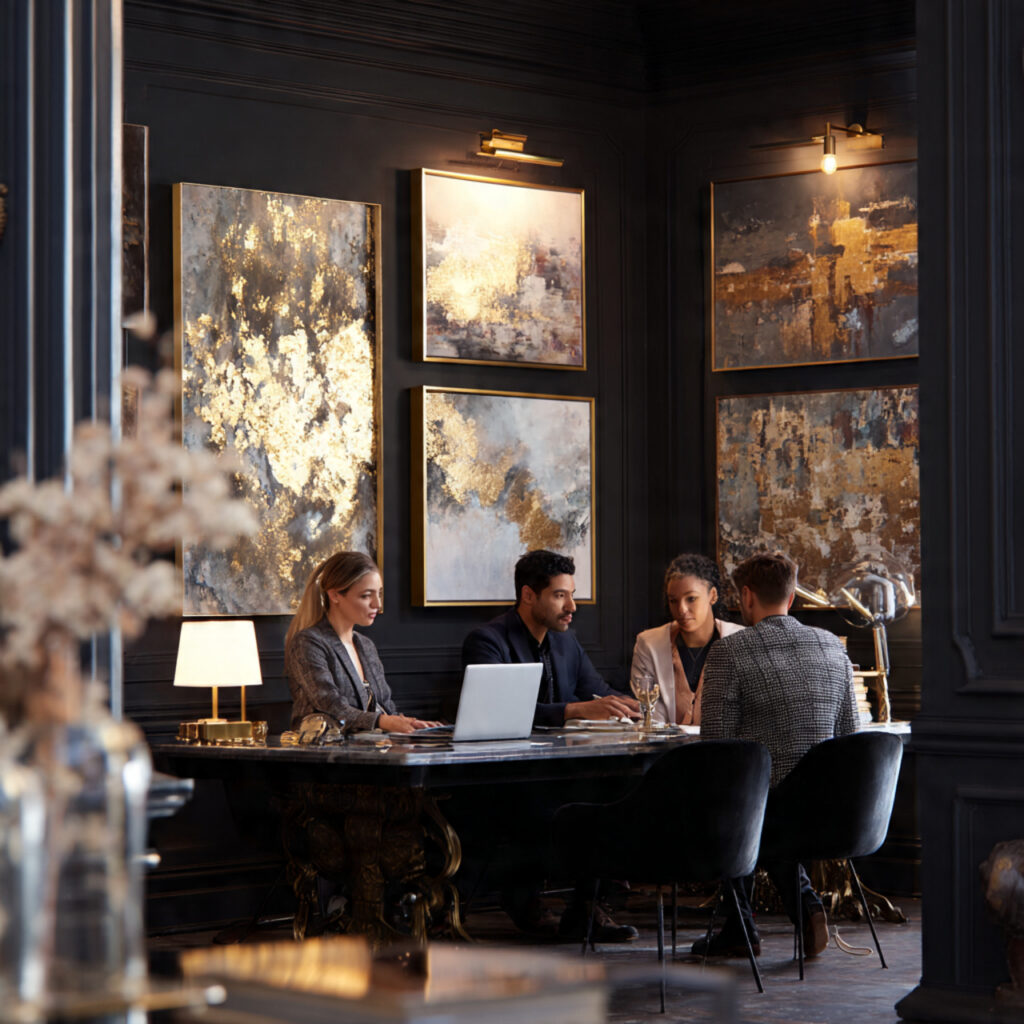
Integrating the suggestion of metallic finishes into your Color Schemes and Color Palettes Ideas can add a feeling of richness and depth. While true metallic finishes are difficult to replicate digitally, they can be evoked using specific gradients and textures.
A gold effect, for example, combines deep ochre, warm yellow, and pure white highlights in a subtle gradient. Pairing these mock-metallic accents with a matte, deep background (like velvet black or forest green) immediately suggests luxury and expense in any design or branding work.
Visit Also: Modern Living Room
Desert Sunset Hue Ideas
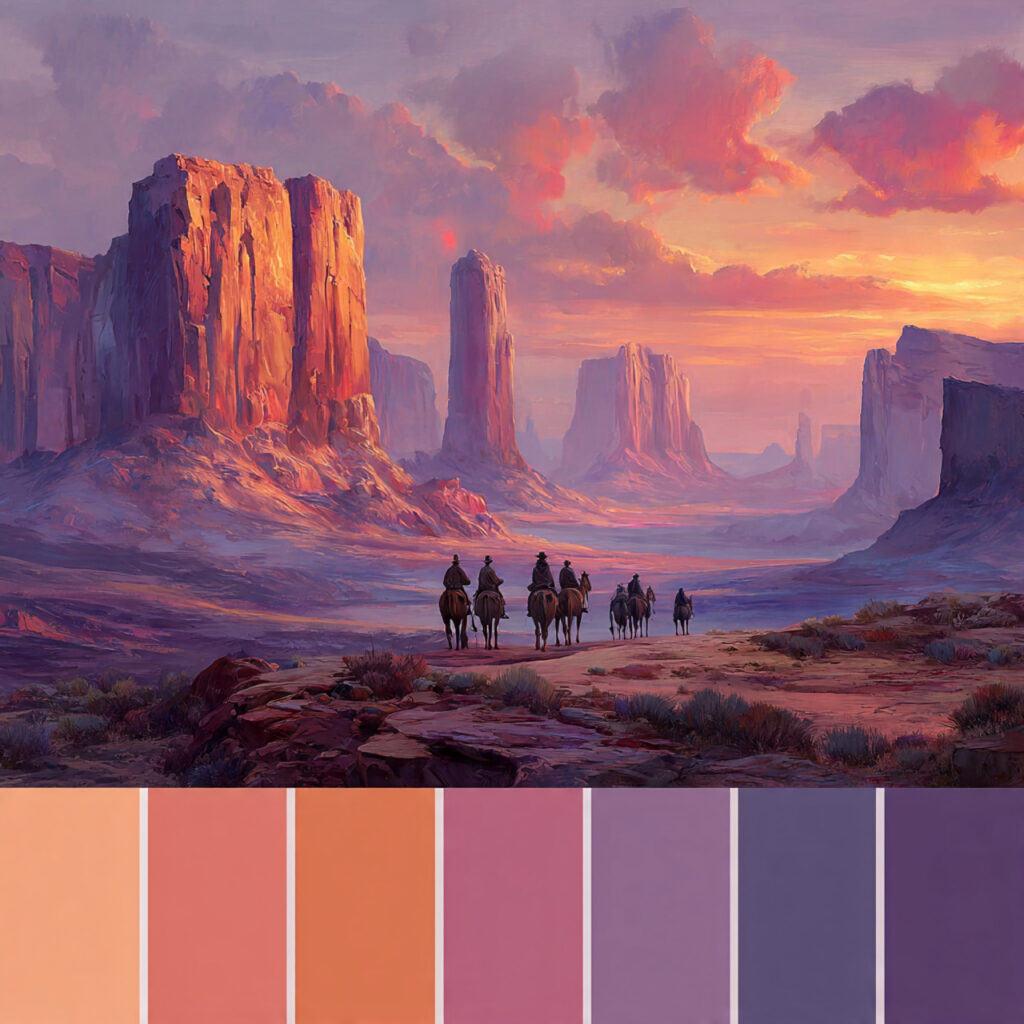
Few natural events offer a more emotionally rich color spectrum than a desert sunset, making it a fantastic source for warming, intense Color Schemes and Color Palettes Ideas. This palette is characterized by soft pinks and dusty rose melting into deep violet, bright tangerine, and a lingering amber glow.
These hues create an immediate sense of warmth, mystery, and drama, ideal for travel, luxury products, or art. The combination of warm and cool tones (orange and violet) provides inherent contrast that still feels harmonious and naturally balanced.
Deep Sea Luminescence Ideas

For a palette that evokes mystery, depth, and the unknown, look to the deep sea. Deep Sea Luminescence Color Schemes and Color Palettes Ideas rely on a vast, dark foundation—inky black, midnight blue, and deep sapphire.
This darkness is then dramatically interrupted by small, electric pops of color that mimic bioluminescence: vivid cyan, electric yellow-green, and bright turquoise. This scheme is dramatic, focused, and perfect for projects related to technology, science fiction, or premium night-time products.
FAQs About Color Schemes and Color Palettes Ideas
What is the main difference between a color scheme idea and a color palette idea?
A color scheme idea refers to the overall structure and theory used (e.g., complementary or analogous), whereas a color palette idea is the specific collection of chosen colors (e.g., five specific hex codes). The scheme is the rule, and the palette is the application of that rule using specific hues, values, and saturations.
How can I generate unique color palette ideas without relying solely on a generator tool?
Move away from digital tools and seek inspiration in the real world by analyzing tangible objects. Try taking photos of interesting natural scenes, street art, or vintage textiles, and then use a color picker tool to extract the exact hues and tones directly from the images. This provides Color Schemes and Color Palettes Ideas that are naturally occurring and inherently unique.
What are some effective color ideas for making a website feel trustworthy and professional?
The most reliable Color Schemes and Color Palettes Ideas for professionalism typically involve deep, subdued blues and greens paired with strong neutrals like gray or white. Blue conveys trust and stability, while deep green suggests growth and reliability. Avoid overly bright or chaotic combinations, prioritizing clarity and reserved contrast.
Should the number of colors in a palette idea always be limited to three or five?
While three or five colors is a common best practice for simplicity (often following the 60-30-10 or 70-20-10 rule), this is not a strict requirement. Complex projects like detailed illustrations or data visualizations may require ten or more colors. The key is ensuring that every color serves a distinct, functional purpose and maintains a clear hierarchy.
Where should I look for unexpected inspiration for new color combination ideas?
Unexpected Color Schemes and Color Palettes Ideas can be found in non-traditional sources like food photography, foreign currency, scientific maps, or industrial machinery. Often, the most interesting and fresh combinations arise when you extract hues from something not intended to be visually harmonious, forcing a new creative interpretation.
Conclusion
The pursuit of perfect Color Schemes and Color Palettes Ideas is an ongoing artistic exploration, blending technical understanding with pure, unbridled intuition. Every color choice is an opportunity to shape perception, communicate mood, and establish a memorable visual connection with your audience.
We’ve moved beyond simple color wheels to explore sources from deep-sea life to architectural materials, demonstrating that true inspiration is limitless. Continue to refine your eye for tone and contrast, trust your creative vision, and remember that the best color schemes and color palettes ideas are often the ones you invent yourself.