25 Beautiful Flower Bed Ideas for Colorful, Creative & Low-Maintenance Gardens
Flower Bed Ideas provide homeowners with an endless canvas to express their unique personality and artistic vision through the natural world. By selecting a diverse array of blooms and foliage, you can transform a standard lawn into a breathtaking sanctuary that captivates the senses and invites peaceful contemplation.
The most successful landscapes are those that prioritize visual inspiration and the creative use of space rather than sticking to rigid rules. Exploring a variety of aesthetic concepts ensures that your outdoor environment remains a vibrant, ever-evolving showcase of color and texture that enhances your home’s character.
Best Flower Bed Ideas to Try
Flower Bed Ideas serve as the foundation for any beautiful landscape, offering a structured yet fluid way to organize your favorite plants and flowers. These concepts are curated to help you envision how different botanical elements can work together to create a cohesive and striking visual narrative across your property.
Whether you are drawn to the structured elegance of formal gardens or the untamed beauty of a naturalistic meadow, these concepts provide a starting point for your next outdoor project. Every arrangement is an opportunity to experiment with depth, contrast, and harmony to achieve a look that feels both professional and personal.
Perennial Border Concepts
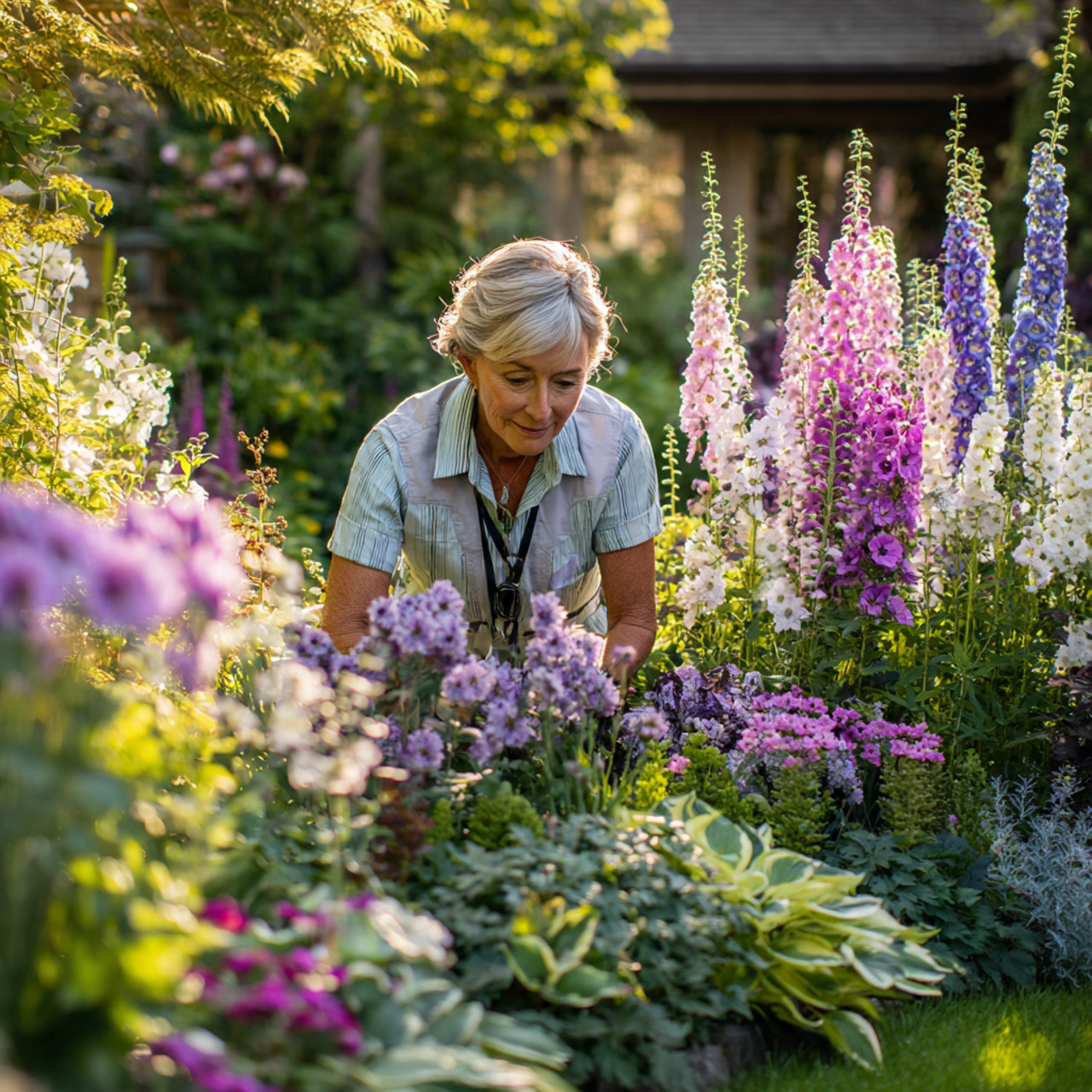
Perennial border concepts are a staple for those who appreciate a garden that returns with renewed vigor every single year. These arrangements rely on long-lived plants that provide a reliable structure and a changing sequence of blooms from early spring through late autumn. By layering different species, you create a sense of permanence and architectural depth that serves as a permanent frame for your entire property.
Visual interest in a perennial border comes from the careful selection of varying heights and foliage types. Taller species like delphiniums or hollyhocks provide a dramatic backdrop, while mounding plants like hostas or peonies fill the middle ground with lush greenery. This approach ensures that your garden remains lush and full, offering a rich tapestry of colors that evolve beautifully as the seasons progress.
Raised Stone Garden Layouts
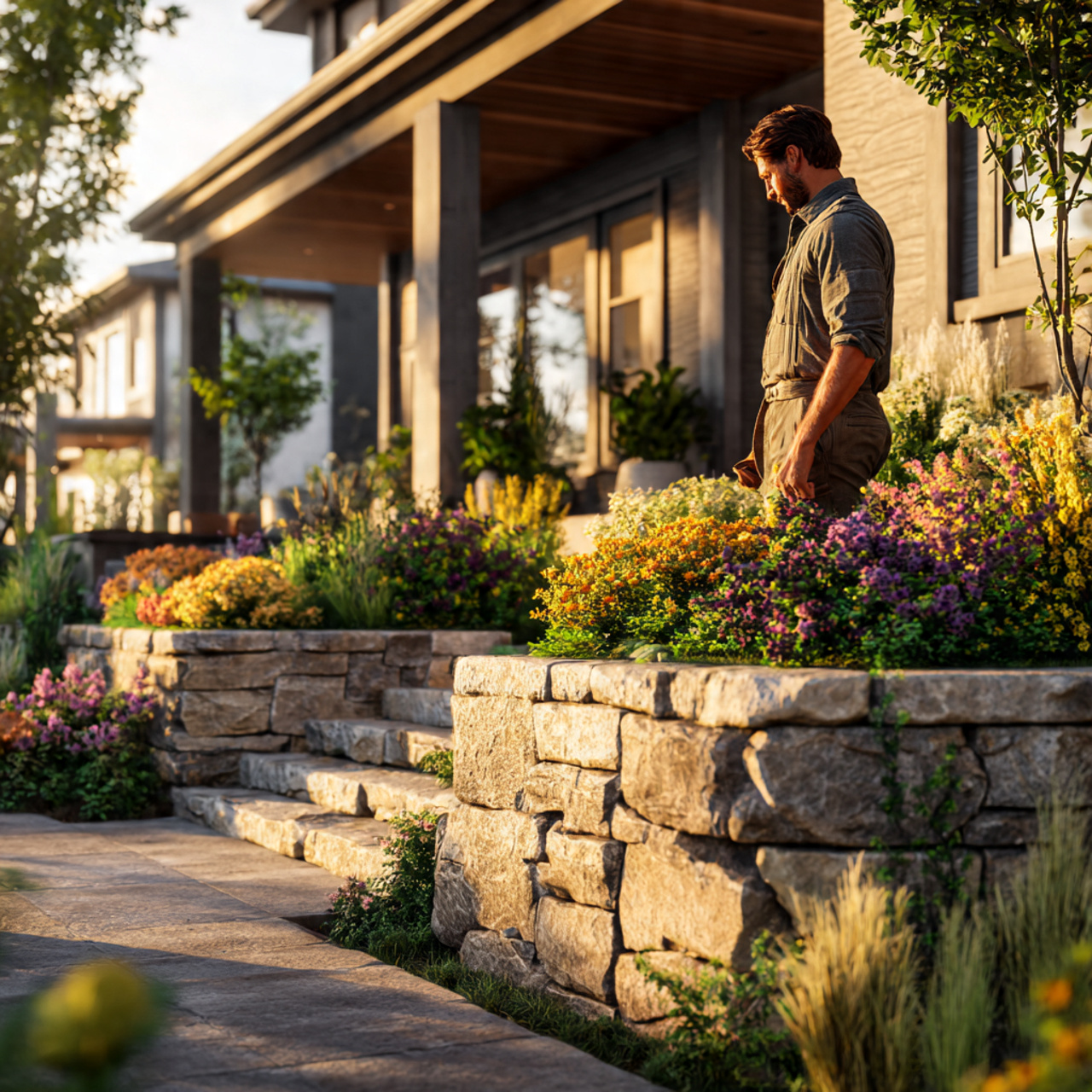
Raised stone garden layouts offer a sophisticated way to introduce multi-dimensional elements into your landscape while creating clear boundaries for your floral displays. Using natural fieldstone or stackable pavers adds an earthy, grounded feel to the garden that complements both traditional and contemporary home styles. These elevated areas naturally draw the eye upward, making them perfect focal points for entryways or patio borders.
The use of stone provides a rugged contrast to the soft delicacy of flower petals, highlighting the unique textures of each plant. Beyond the aesthetic appeal, these layouts allow for creative drainage solutions and can be used to terrace a sloped yard, turning a difficult terrain into a tiered masterpiece. The permanence of the stone ensures that your garden structure remains beautiful even during the quiet winter months.
Minimalist Modern Plantings
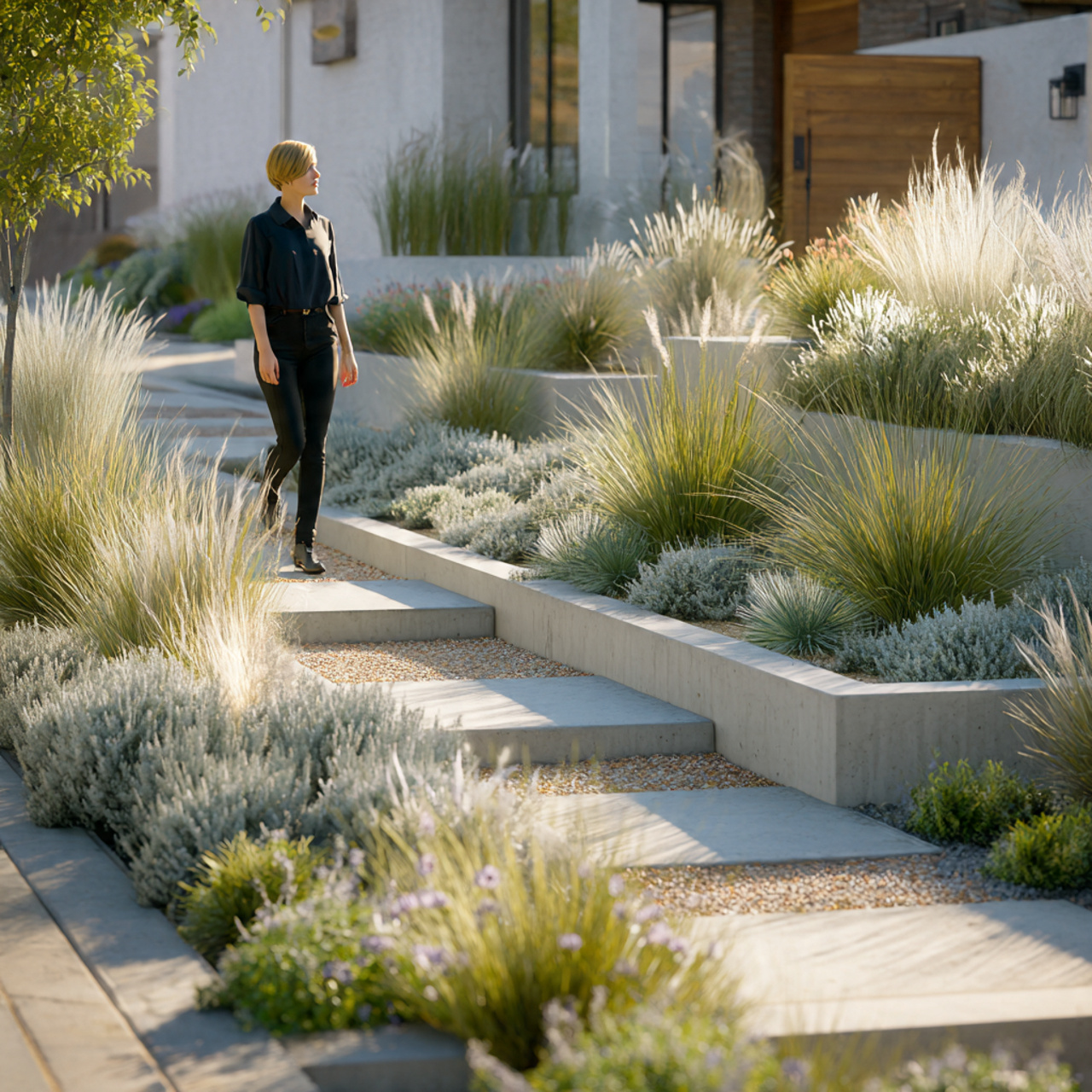
Minimalist modern plantings focus on the “less is more” philosophy, emphasizing clean lines, limited color palettes, and intentional spacing. This style often utilizes high-contrast pairings, such as dark green ornamental grasses against white gravel or sleek concrete edges. The goal is to create a serene, uncluttered environment where each individual plant is appreciated for its unique form and silhouette.
In a modern setting, the choice of plants is often architectural, featuring species with bold leaves or striking growth patterns. Agaves, ornamental grasses, and structural shrubs are frequently used to maintain a sense of order and sophistication. This aesthetic is ideal for urban dwellings or contemporary homes where the landscape needs to mirror the streamlined interior design of the building.
Wildflower Meadow Clusters

Wildflower meadow clusters bring a sense of untamed, whimsical beauty to the backyard by mimicking the effortless grace of a natural field. These arrangements often feature a mix of local species that bloom in a riot of colors, creating a soft and romantic atmosphere. The lack of rigid lines allows the flowers to sway gently in the breeze, providing a dynamic and living element to your outdoor space.
Choosing a wildflower aesthetic encourages a more relaxed approach to gardening where the focus is on diversity and ecological harmony. These clusters are particularly effective in larger open areas where they can spread and mingle, creating a sea of color that shifts throughout the summer. The result is a charming, low-profile look that feels deeply connected to the local environment and the cycles of nature.
Layered Height Arrangements
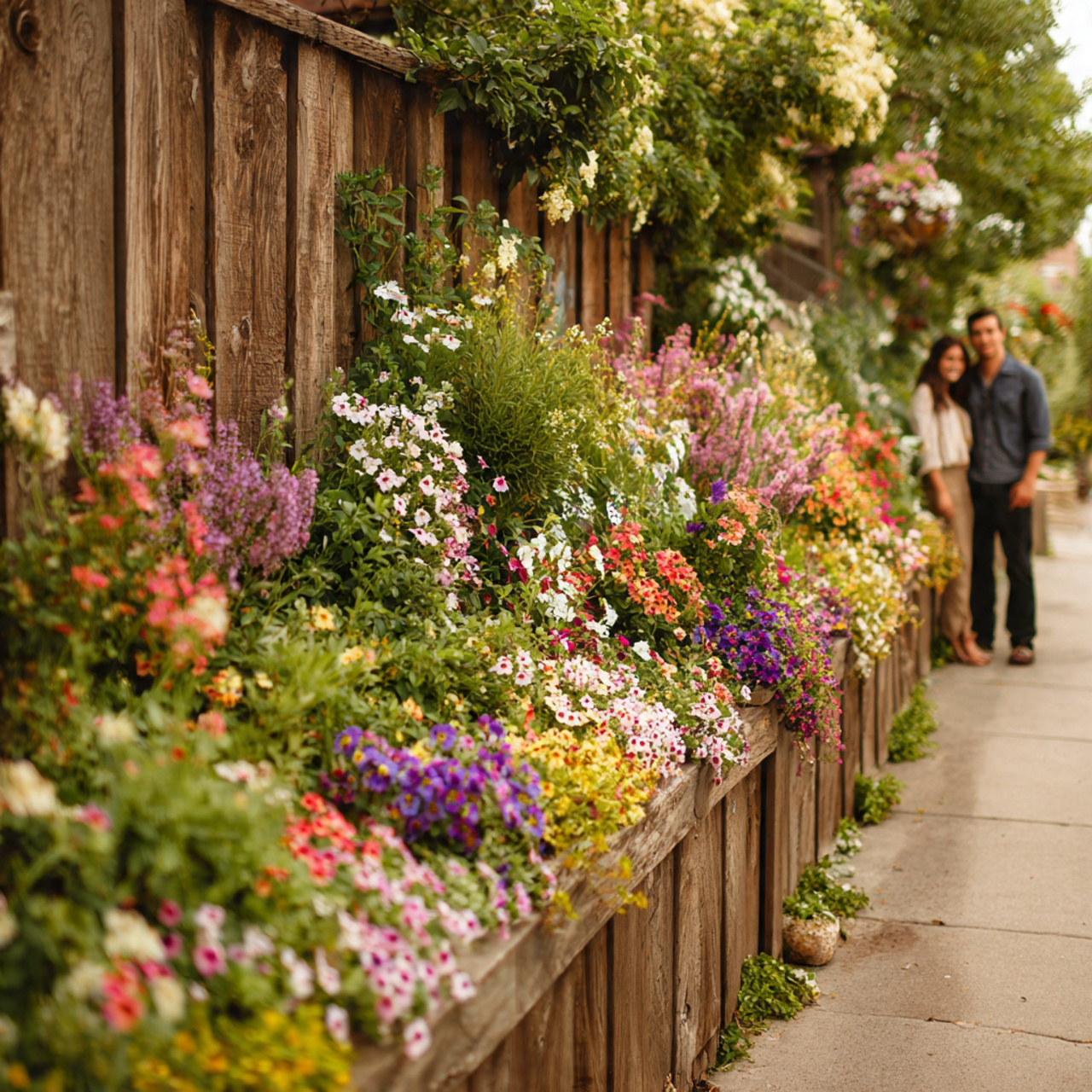
Layered height arrangements use the vertical dimension to create a sense of abundance and complexity within a confined space. By placing the tallest plants at the rear and cascading down to the shortest groundcovers at the front, you ensure that every single bloom is visible from a distance. This “stadium seating” for plants maximizes visual impact and makes the flower bed appear much deeper than it actually is.
This concept works exceptionally well for fence lines or against the walls of a house where the vertical surface provides a natural backdrop. Using a mix of spires, mounds, and trailing vines creates a rich, three-dimensional effect that feels lush and professionally designed. The variation in height also allows for better air circulation and light exposure for all the different species involved in the display.
Monochromatic Color Schemes
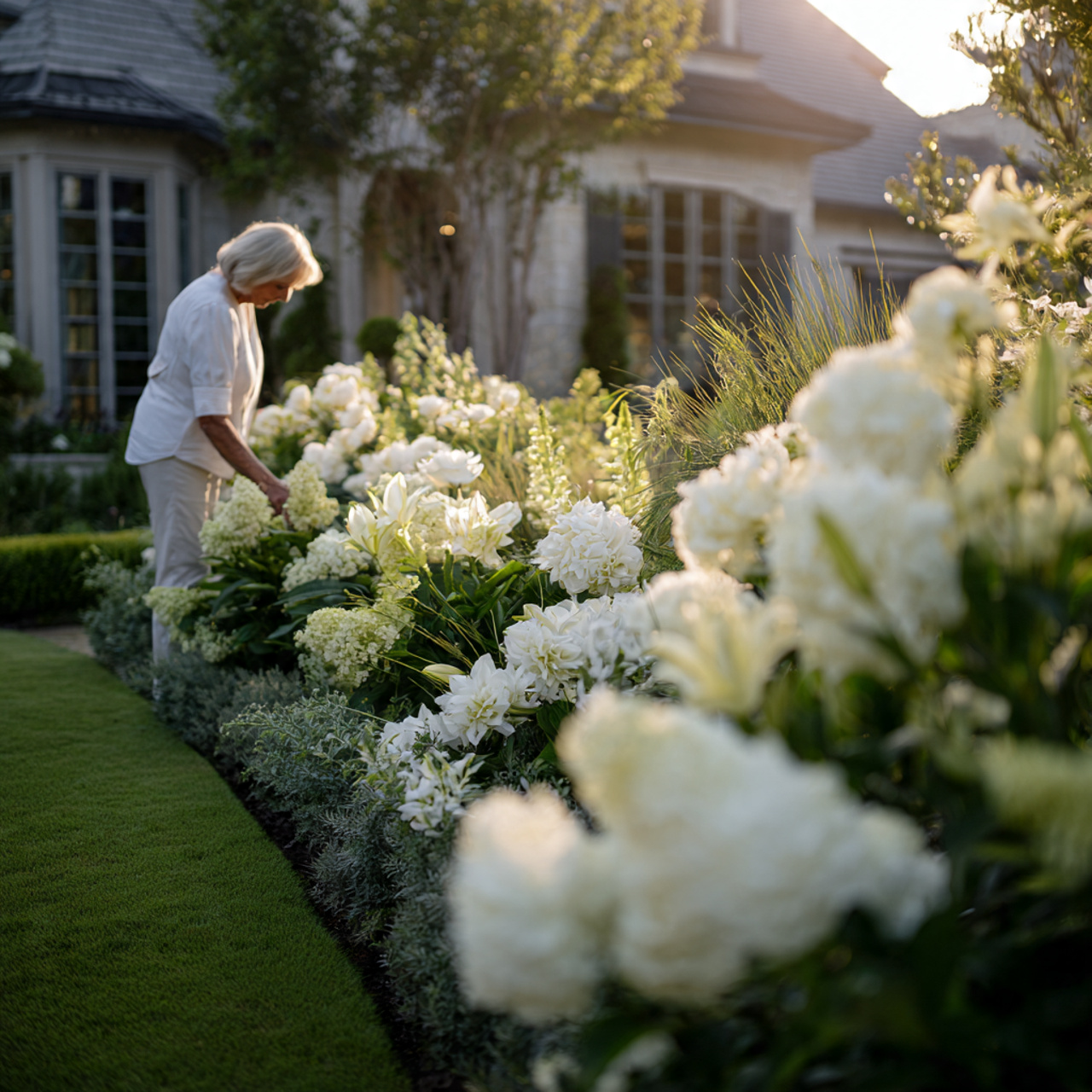
Monochromatic color schemes focus on the power of a single hue to create a sophisticated and high-impact visual statement. Whether you choose an all-white “moon garden” or a vibrant sea of various purple shades, the consistency of color brings a sense of calm and intentionality to the landscape. This approach allows the eye to focus on the subtle differences in petal shape, leaf texture, and plant height.
Working within a single color family requires a creative look at different shades and saturations to prevent the bed from looking flat. For example, a blue-themed garden might incorporate silvery-blue succulents, deep indigo salvia, and pale azure hydrangeas. This level of coordination results in a polished, designer look that feels curated and luxurious, regardless of the size of the garden bed.
Curved Edge Walkway Displays
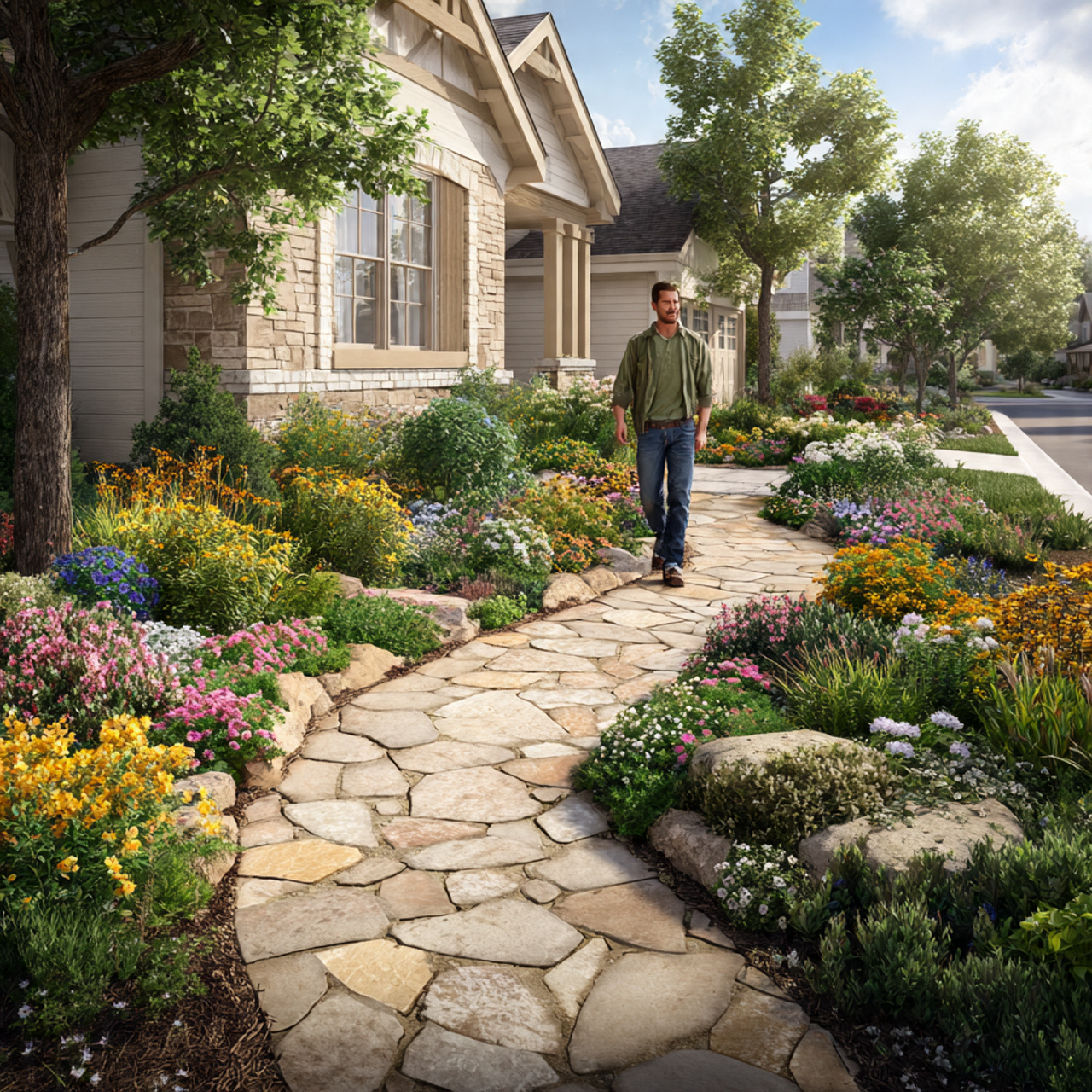
Curved edge walkway displays soften the hard lines of your home and driveway, guiding visitors through the landscape with a sense of flow and movement. Unlike straight borders, soft curves mimic the organic shapes found in nature and can make a small yard feel much larger and more intriguing. These beds “hug” the path, creating an immersive experience as you walk from one area of the property to another.
The beauty of a curved bed lies in the surprises found around each bend, where different plant groupings can be showcased. Low-growing border plants like alyssum or creeping thyme can spill over the edges, blurring the line between the hardscape and the garden. This style of planting feels welcoming and gentle, turning a simple transition space into a scenic journey through your favorite floral selections.
Drought Tolerant Succulent Beds
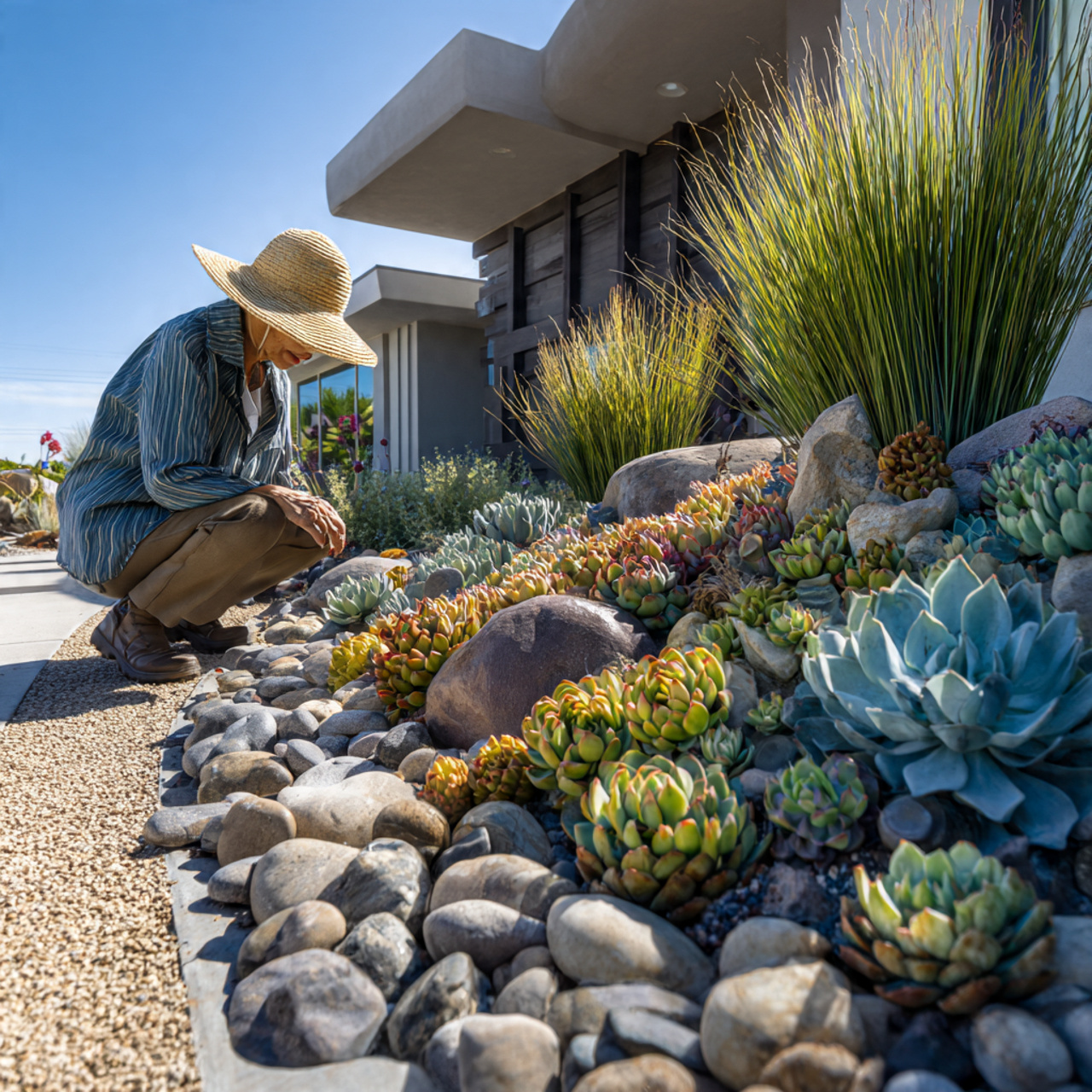
Drought tolerant succulent beds are perfect for creating a striking, low-water landscape that doesn’t sacrifice visual interest. These plants offer an incredible variety of shapes, from rosettes and spires to trailing chains, often in surprising shades of teal, copper, and dusty rose. When arranged in a dedicated bed, they create a desert-inspired oasis that looks sculptural and exotic throughout the entire year.
Succulents are particularly effective when paired with decorative mulches like crushed sea glass, lava rock, or smooth river stones. These materials highlight the fleshy leaves and geometric patterns of the plants while keeping the overall look clean and organized. This style of garden is ideal for sun-drenched areas where traditional flowers might struggle, providing a resilient and stylish alternative to water-intensive plantings.
Vertical Wall Floral Patterns
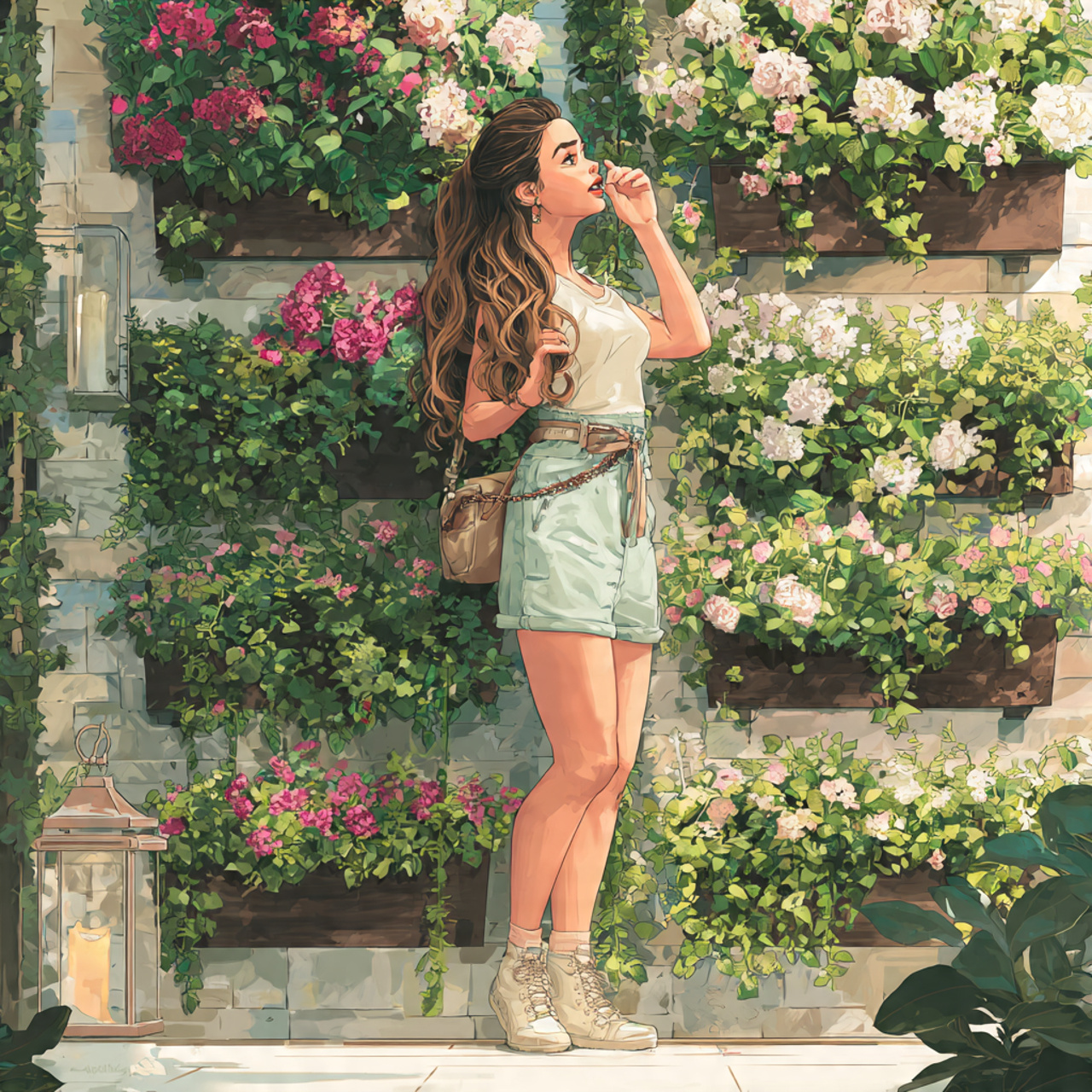
Vertical wall floral patterns take the garden off the ground and onto fences, exterior walls, or freestanding trellises. This approach is a game-changer for small urban patios or courtyards where ground space is at a premium. By using climbing vines, hanging pouches, or wall-mounted planters, you can create a “living wallpaper” that brings lush greenery and bright colors to eye level.
Designing vertically allows for creative patterns and textures that are not possible in traditional horizontal beds. You might choose to mix trailing ivy with pops of bright petunias or create a grid of succulents for a more modern, moss-wall effect. This style adds a layer of privacy and sound insulation to your outdoor space, making it feel like a secluded, enchanted grotto hidden away from the world.
Cottage Core Garden Designs
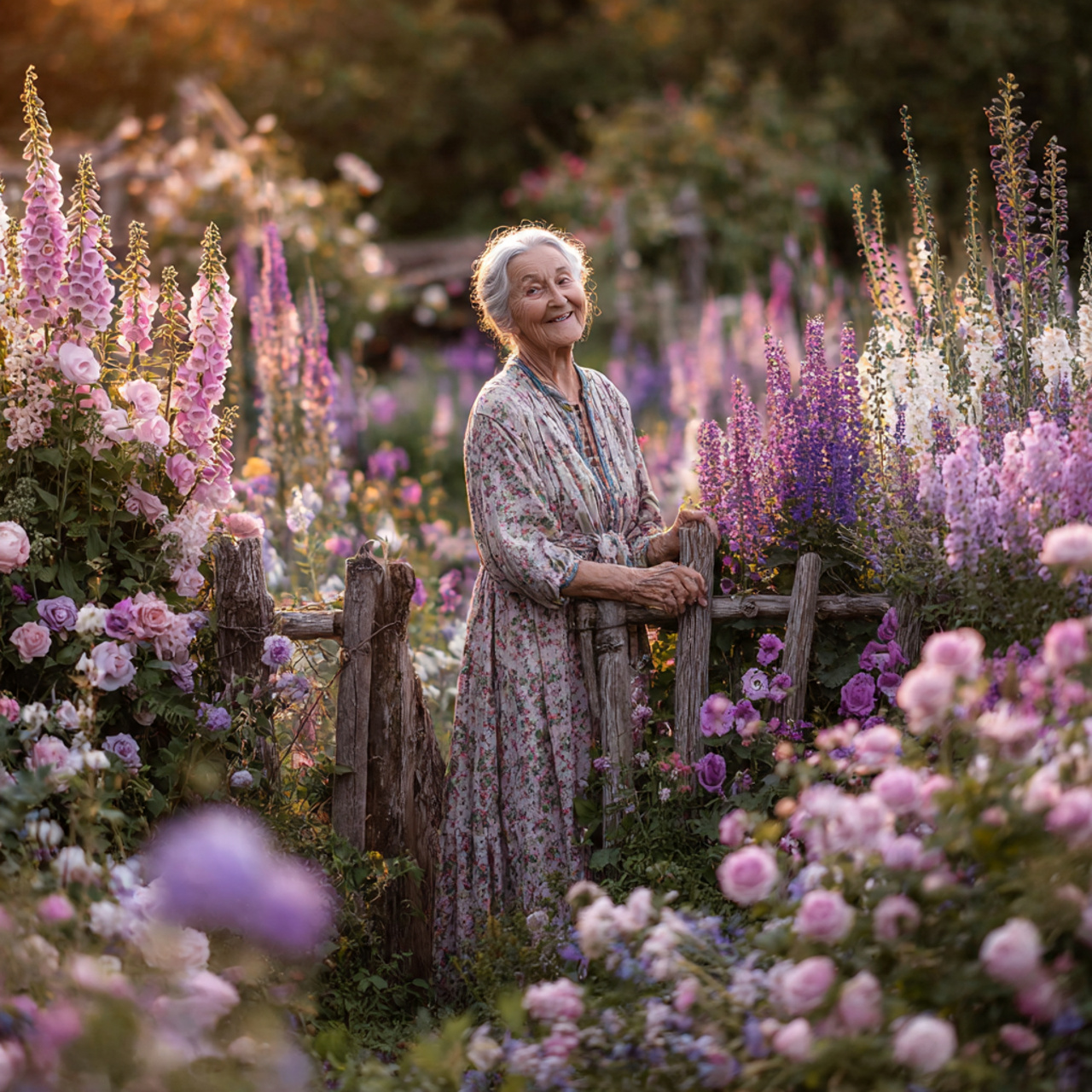
Cottage core garden designs celebrate the cozy, romantic, and slightly overgrown aesthetic of a traditional English countryside home. These beds are characterized by a dense packing of classic favorites like roses, foxgloves, and lavender, often spilling over rustic wooden fences or stone paths. The goal is to create a sense of abundance and nostalgic charm that feels both timeless and lived-in.
In a cottage-style bed, the boundaries are often blurred, and self-seeding plants are encouraged to find their own place in the sun. This results in a soft, informal look where colors and scents mingle freely in the air. The inclusion of decorative elements like birdbaths, sundials, or weathered wooden benches enhances the story-book feel, making the garden a place of pure whimsy and relaxation.
Tropical Foliage Installations
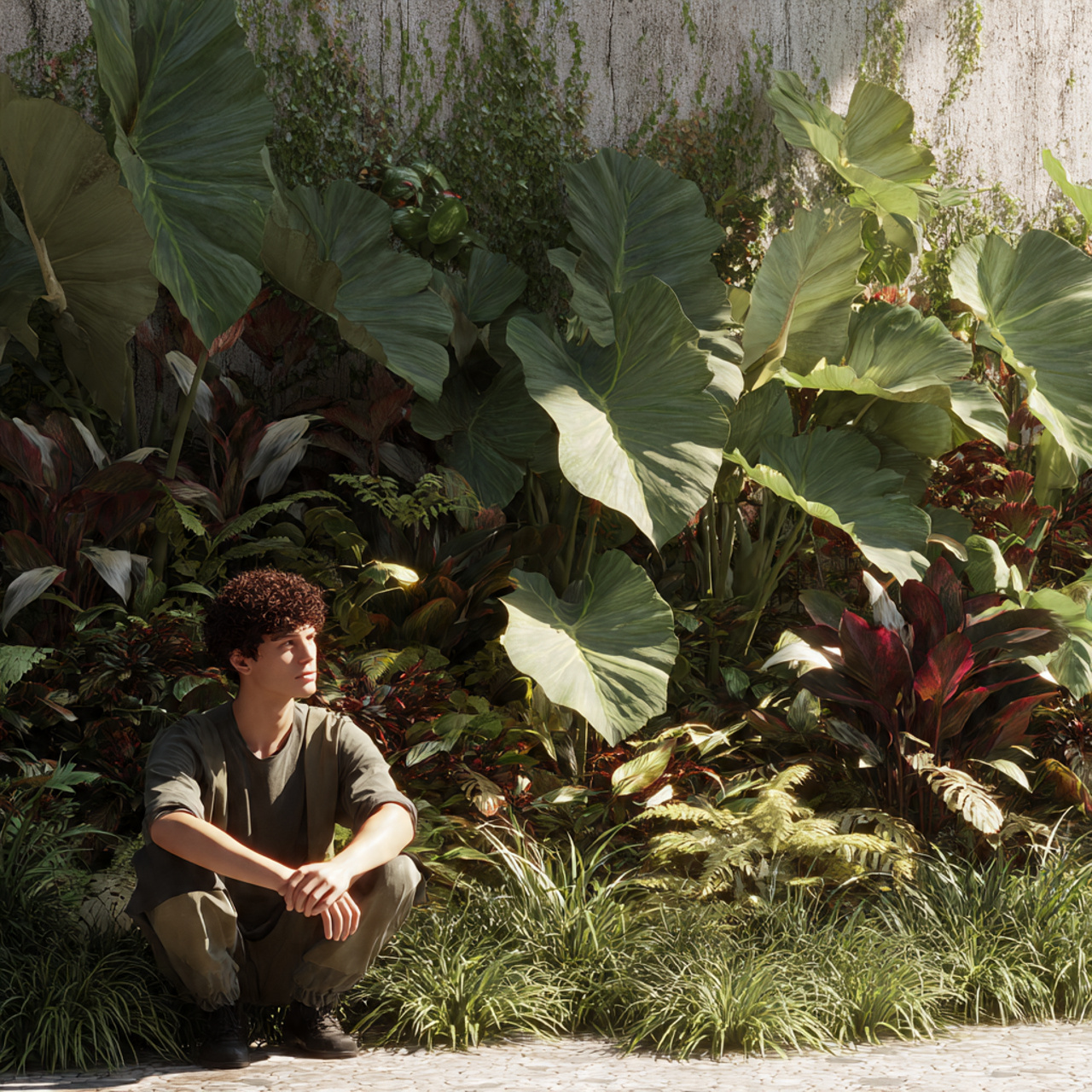
Tropical foliage installations use oversized leaves, bold patterns, and saturated colors to bring a sense of the exotic to your backyard. Even in temperate climates, you can achieve this look by using “cannas,” elephant ears, and hardy palms that create a lush, jungle-like atmosphere. The focus here is often on the greenery itself, with dramatic leaf shapes providing more visual weight than the actual flowers.
The key to a successful tropical bed is density and layering, creating a canopy effect that feels immersive and private. Bright pops of orange, red, and hot pink from hibiscus or bromeliads can be used to accent the deep greens and variegated yellows of the foliage. This style of garden creates a vacation-like retreat just steps from your back door, perfect for those who love bold, high-energy landscapes.
Shadow Box Tiered Planting
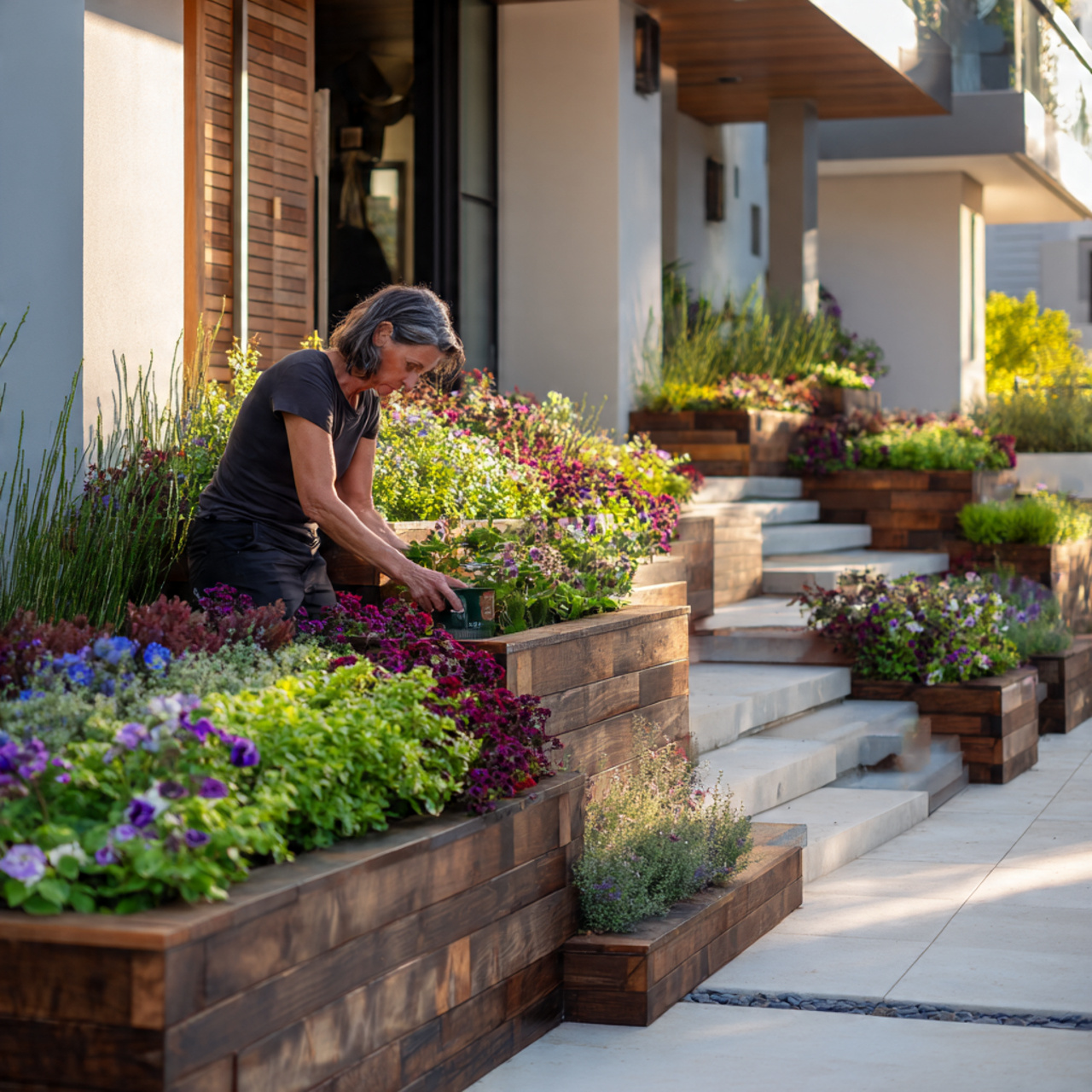
Shadow box tiered planting involves creating distinct “rooms” or levels within a single garden bed, often using timber or metal frames to separate the sections. This highly organized approach allows you to showcase different themes or plant varieties side-by-side without them blending together. It provides a clean, architectural look that works exceptionally well in modern or transitional landscapes.
Each tier can be treated as an individual canvas, allowing for experiments with different soil types or moisture levels within the same footprint. You might have a tier dedicated to aromatic herbs, another for vibrant annuals, and a third for delicate ferns. This structured variety keeps the eye moving and makes the garden feel like a curated collection of botanical treasures.
Native Species Habitats
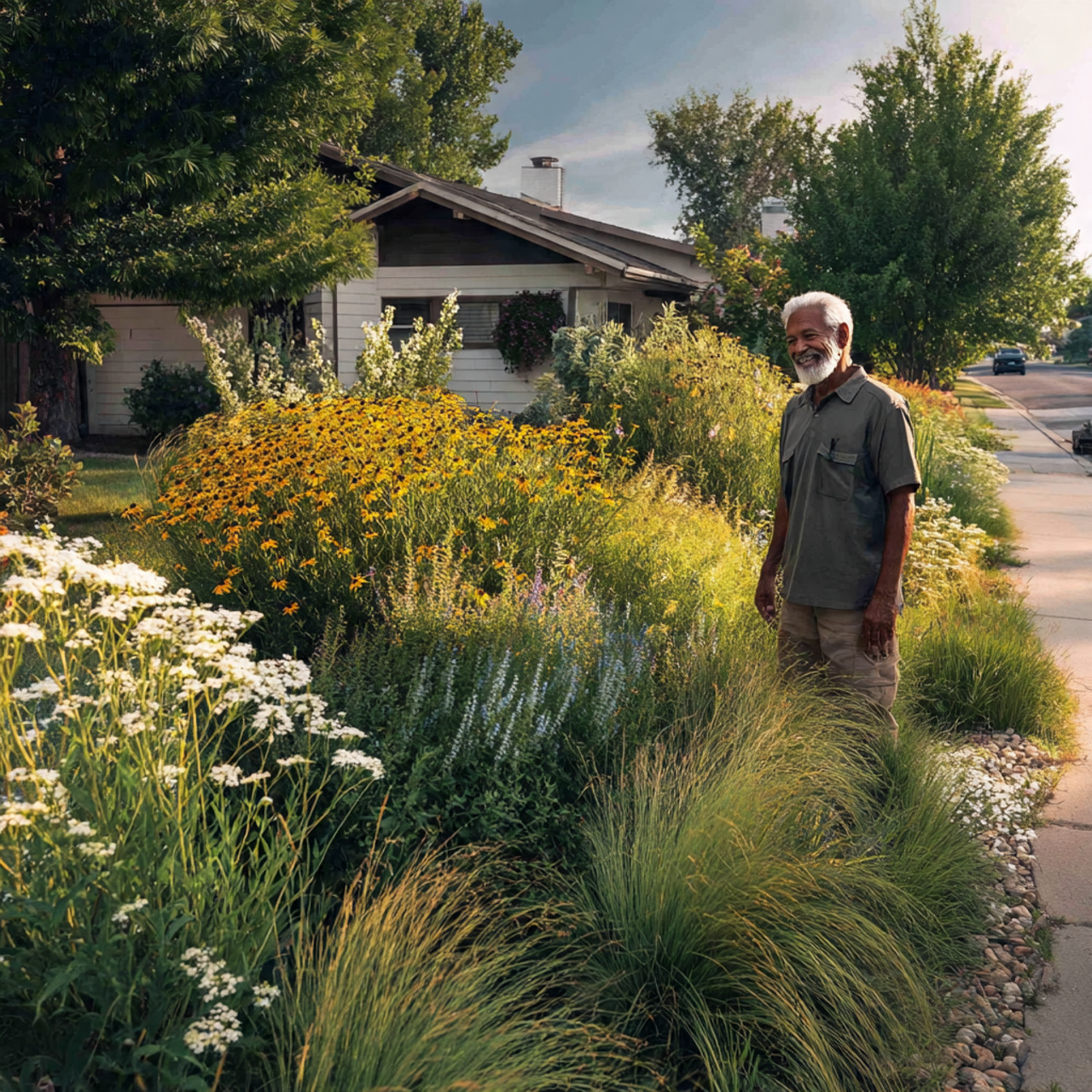
Native species habitats focus on the beautiful plants that are naturally adapted to your specific region’s climate and soil. These flower beds celebrate the local landscape, featuring hardy grasses, wildflowers, and shrubs that have thrived in the area for centuries. The aesthetic is often earthy and harmonious, blending seamlessly with the surrounding natural environment.
Choosing native plants creates a sense of place and belonging that exotic imports often cannot match. These beds tend to have a rugged, authentic beauty that changes with the local seasons, from the bright greens of spring to the golden hues of late autumn. By highlighting the flora of your region, you create a garden that is both beautiful and deeply connected to the heritage of the land.
Circular Centerpiece Arrangements
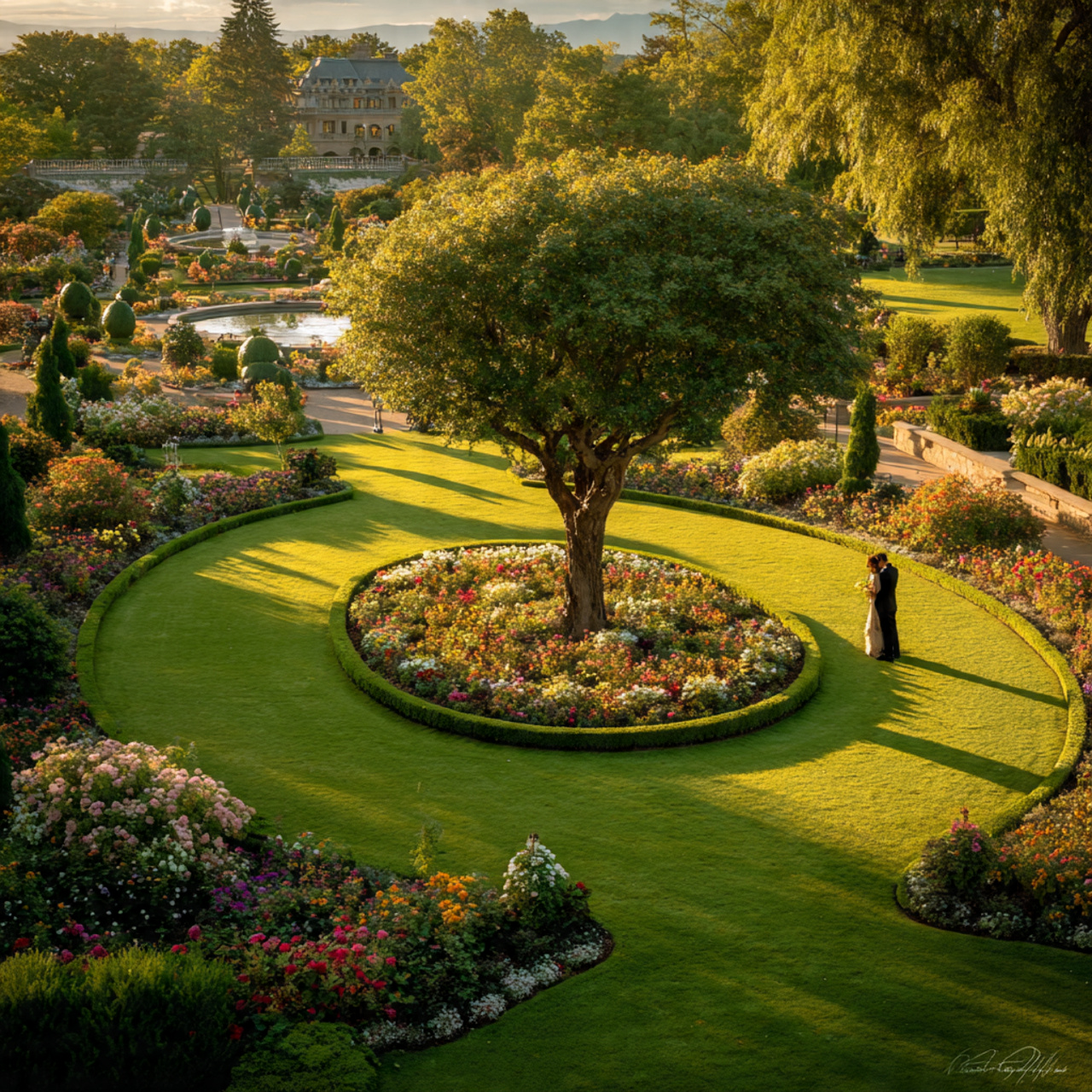
Circular centerpiece arrangements are designed to be viewed from all sides, making them perfect for the middle of a lawn or the center of a driveway turnaround. These beds often feature a tall focal point in the middle—such as a large urn, a flowering tree, or a dramatic ornamental grass—with concentric rings of plants radiating outward. This symmetry creates a sense of balance and formal elegance.
Designing in the round requires careful thought about how the colors and heights will look from every possible angle. Using repeating patterns of low-growing flowers around the perimeter creates a “frame” that draws the eye toward the more complex center. This style of garden bed acts as a visual anchor for the yard, providing a sophisticated point of interest that organizes the surrounding open space.
Geometric Boxwood Framing
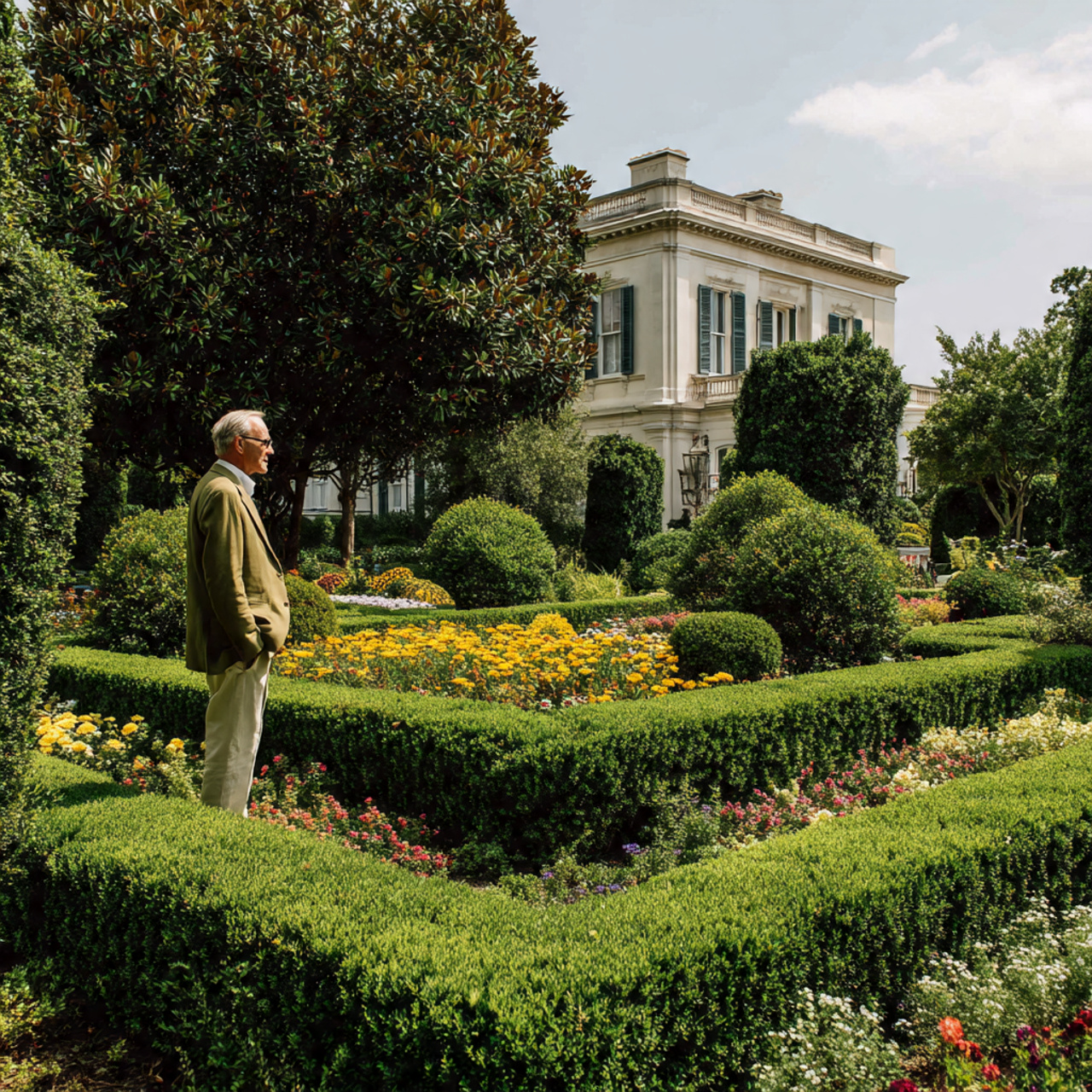
Geometric boxwood framing uses tightly clipped evergreen shrubs to create “walls” or borders for colorful flowering plants. This classic French-inspired look provides a year-round structure that remains crisp and green even when the interior flowers have faded. The contrast between the rigid, dark green boxwood and the soft, colorful blooms inside creates a high-end, estate-like feeling.
You can use these frames to create squares, diamonds, or intricate knot patterns on your lawn. Inside the geometric shapes, you can rotate seasonal annuals to keep the garden looking fresh and vibrant throughout the year. This approach is perfect for homeowners who want a garden that feels tidy and well-maintained while still enjoying the exuberant colors of traditional flower beds.
Fragrant Night Blooming Zones
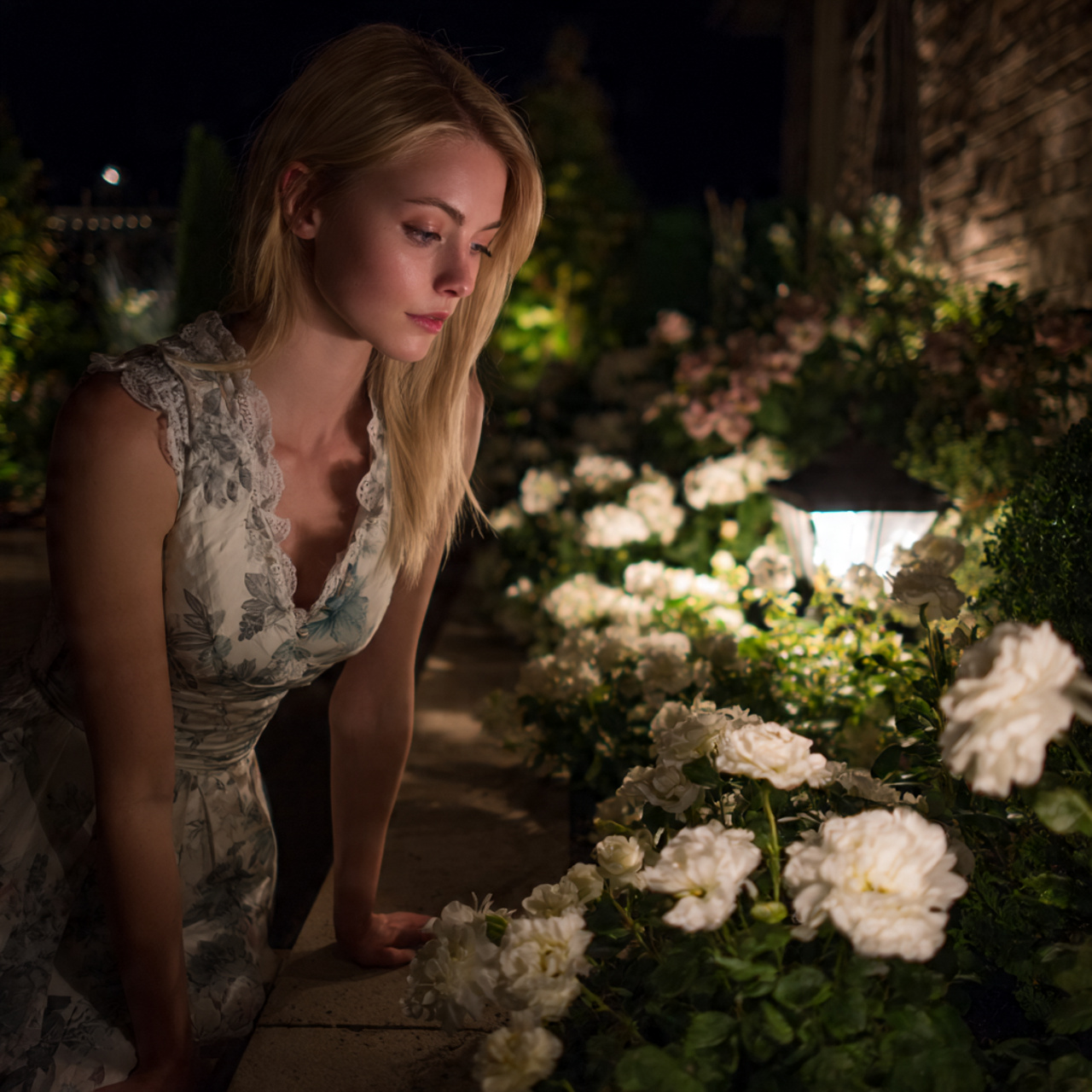
Fragrant night blooming zones are designed to be enjoyed after the sun goes down, featuring plants that release their scent or open their petals in the evening. White and silver flowers are often the stars of these beds, as they “glow” under the light of the moon or garden lamps. Species like jasmine, moonflowers, and evening primrose transform the garden into a sensory sanctuary during the twilight hours.
Placing these beds near a patio or bedroom window allows you to fully experience the intoxicating perfumes and the cooling evening air. The visual palette is often soft and ethereal, relying on the reflection of light rather than bold daytime colors. This creates a peaceful, meditative space that extends the enjoyment of your garden well into the night.
Pollinator Friendly Clusters

Pollinator friendly clusters are designed to attract and support the local wildlife that helps our ecosystems thrive. These beds feature a wide variety of flower shapes and colors specifically chosen to provide nectar and habitat for bees, butterflies, and hummingbirds. The result is a garden that is literally humming with life, adding a layer of movement and sound to the visual beauty.
These clusters often have a cheerful, diverse appearance, with plenty of open-faced blooms like zinnias, sunflowers, and coneflowers. By grouping these plants together, you create a “target” for pollinators, making your garden a popular destination for winged visitors. This approach to gardening is rewarding and educational, offering a front-row seat to the fascinating interactions of the natural world.
Coastal Themed Sandy Beds
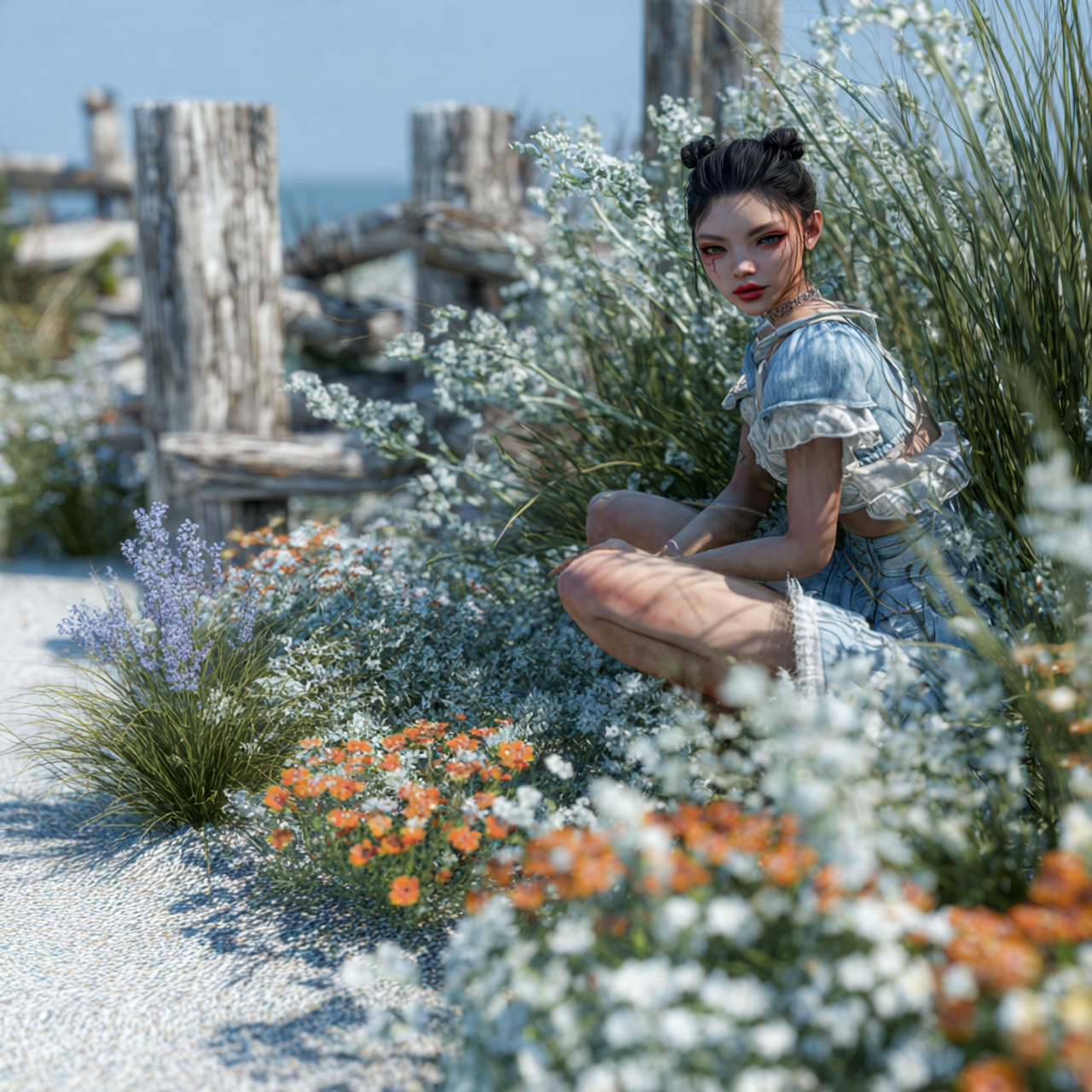
Coastal themed sandy beds capture the breezy, relaxed vibe of the seaside, even if you live miles away from the ocean. These arrangements often use light-colored sand or crushed shells as mulch, paired with salt-tolerant plants that feature silvery foliage and airy textures. Sea lavender, ornamental grasses, and rugosa roses are excellent choices for creating this weathered, sun-drenched look.
The color palette for a coastal bed usually stays within the realm of soft blues, sandy tans, and pale pinks. This creates a calming, atmospheric effect that mimics the horizon where the sea meets the sky. Incorporating pieces of driftwood or large smooth boulders can further enhance the maritime theme, making your garden feel like a private beach escape.
Ornamental Grass Textures
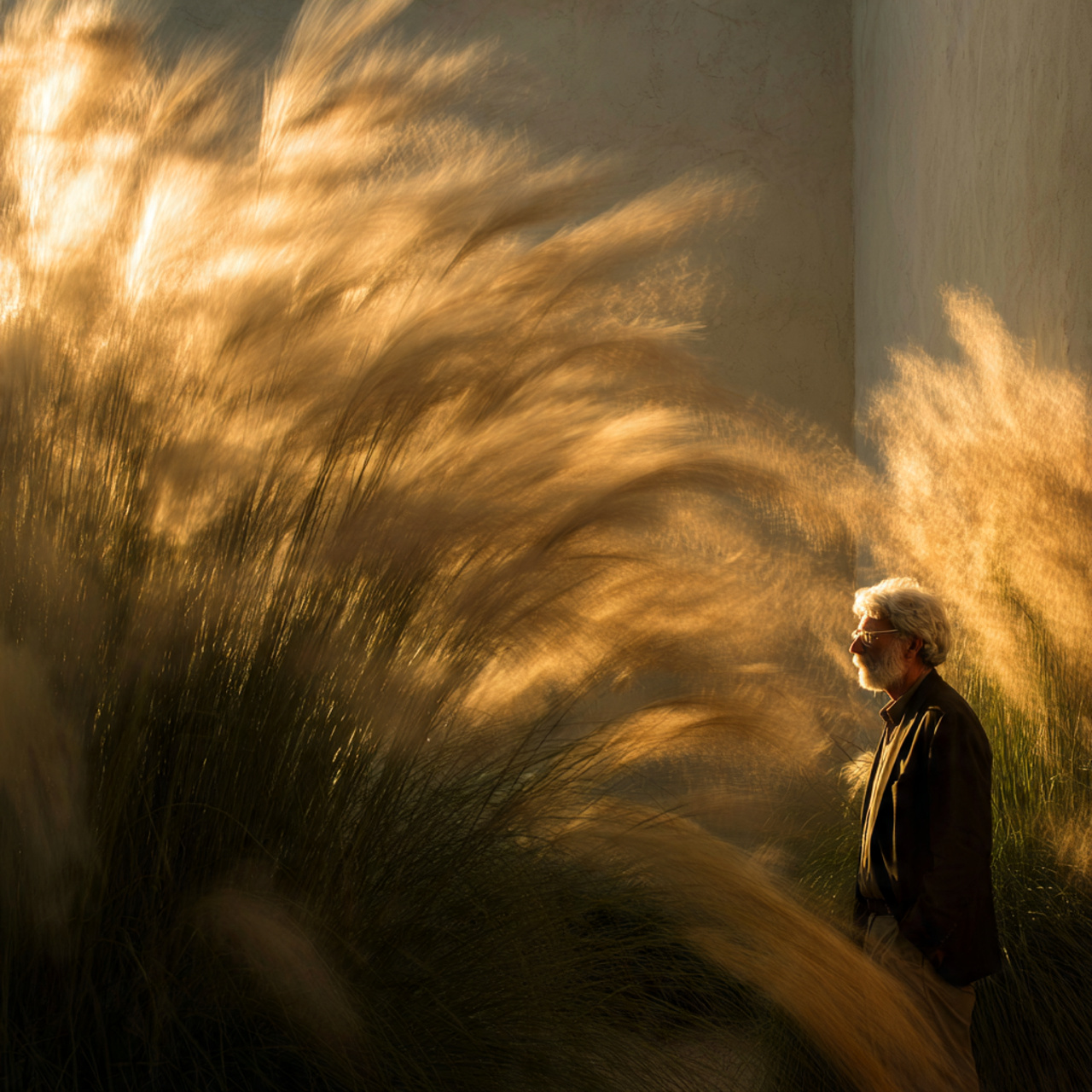
Ornamental grass textures offer a different kind of beauty that focuses on movement, sound, and architectural form rather than just bright petals. When used as the primary element in a flower bed, grasses create a soft, swaying screen that catches the light beautifully in the early morning and late afternoon. From the tiny tufts of blue fescue to the towering plumes of pampas grass, these plants add a sophisticated, modern edge to any yard.
Grasses are particularly valuable for their winter interest, as their dried stalks and seed heads provide structure and golden color during the coldest months. They pair exceptionally well with late-season bloomers like sedum or black-eyed Susans, creating a rustic and textured look. This style of garden is perfect for those who appreciate the subtle, rhythmic beauty of nature’s more understated elements.
Visit Also: bedroom decor
Woodland Shade Garden Styles
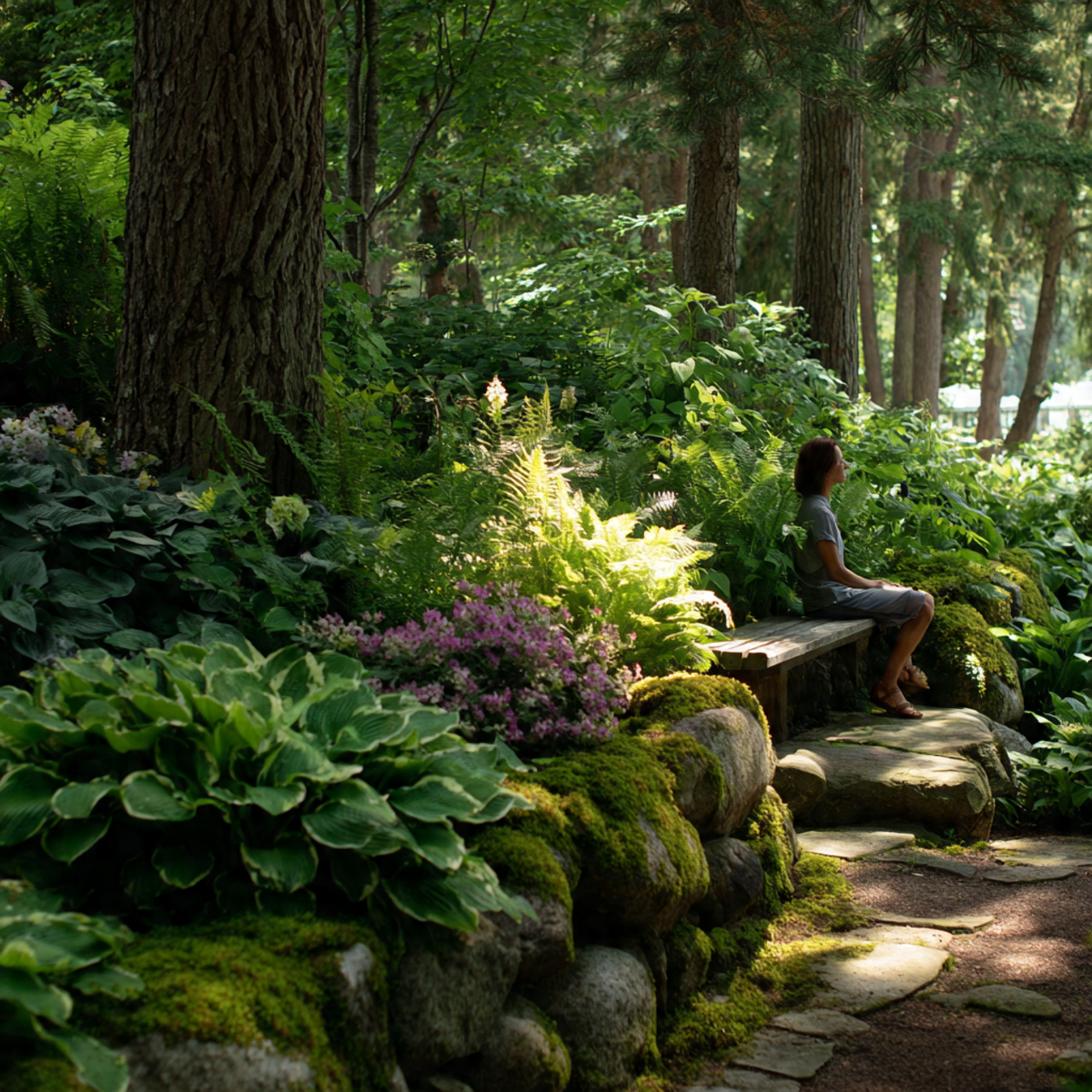
Woodland shade garden styles transform the often-neglected areas under large trees into lush, cool retreats filled with interesting textures. These beds rely on plants that thrive in dappled light, such as ferns, hostas, bleeding hearts, and astilbes. The aesthetic is deep, green, and quiet, mimicking the peaceful floor of an ancient forest where shadows and light play across the leaves.
In a shade garden, the variety comes from leaf shape and variegation rather than bold flower colors. Mixing broad-leaved plants with feathery ferns creates a rich, layered look that feels incredibly refreshing on a hot summer day. Adding a simple stone path or a small moss-covered bench can turn these shaded corners into the most popular “cool spots” in your entire landscape.
Repurposed Antique Planter Themes
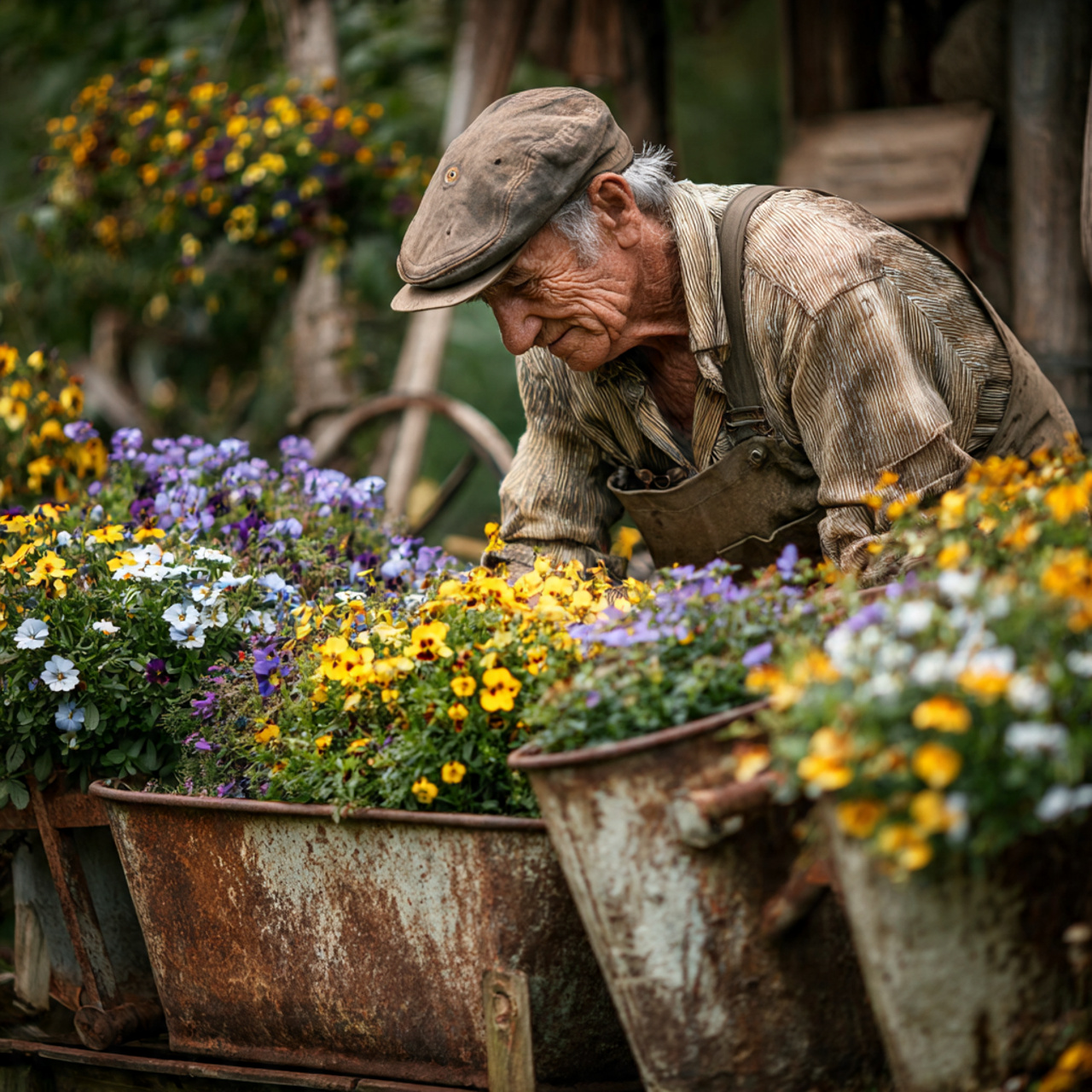
Repurposed antique planter themes add a layer of history and storytelling to your flower beds by using vintage objects as containers. Old galvanized tubs, wooden wheelbarrows, or even rusted bicycle baskets can be tucked into a traditional bed to create a charming focal point. This approach allows you to showcase small, delicate plants that might otherwise be lost in a large garden.
Using “found objects” as part of your garden design creates a sense of personality and creative wit. These elements act as conversation starters and give the garden a lived-in, curated feel that is entirely unique to your home. By blending these man-made artifacts with the softness of living flowers, you create a beautiful tension between the industrial and the organic.
Symmetrical Entryway Accents

Symmetrical entryway accents create an immediate sense of order and welcome as guests approach your front door. By mirroring the plant selection and bed shape on both sides of a walkway or porch, you create a formal frame that highlights the architecture of your home. This balanced look is universally appealing and gives the property an instantly “finished” and professional appearance.
For the best impact, choose plants that maintain their shape well, such as globe-shaped shrubs or upright flowering stalks. This ensures that the symmetry remains intact throughout the growing season. While the design is structured, you can still play with color and texture to ensure the entryway feels inviting and warm rather than overly stiff or cold.
Alpine Rock Garden Features

Alpine rock garden features use rugged stones and small, resilient plants to recreate the look of a high-altitude mountain slope. These beds are perfect for areas with poor soil or for homeowners who want a low-profile garden with immense detail. Small succulents, creeping phlox, and tiny bulbs are tucked into the crevices between rocks, creating a miniature landscape that demands a closer look.
The beauty of a rock garden is in the contrast between the immovable, heavy stones and the delicate, jewel-like flowers that grow amongst them. This style of planting is very tactile and encourages visitors to lean in and appreciate the small-scale wonders of the botanical world. It’s a sophisticated way to add “hard” texture to the yard while still maintaining a connection to organic life.
Victorian Style Rose Displays
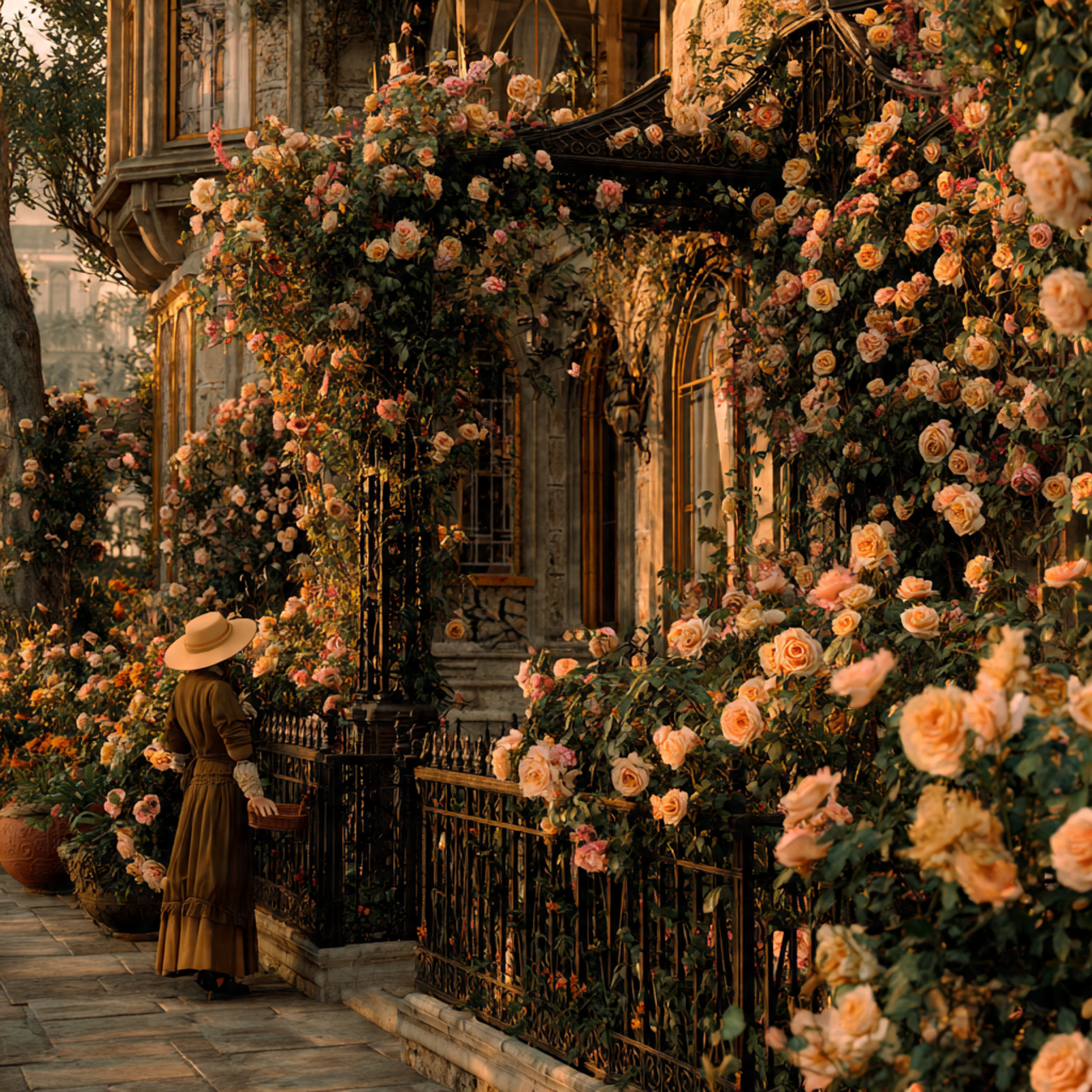
Victorian style rose displays are the height of classic garden romance, featuring climbing roses, tea roses, and shrub roses in a dense, fragrant arrangement. This aesthetic is all about opulence and sensory overload, with heavy blooms draped over wrought iron trellises or wooden arbors. The deep greens of the rose foliage provide a perfect backdrop for the soft pastels and rich crimsons of the flowers.
A Victorian rose bed often feels like a secret garden, especially if it is enclosed by a low hedge or a decorative fence. The scent alone is enough to transform the atmosphere of your backyard into something elegant and timeless. While roses require a bit more attention than some other ideas, the visual and aromatic rewards are unmatched in the world of gardening.
Seasonal Bulb Rotation Schemes
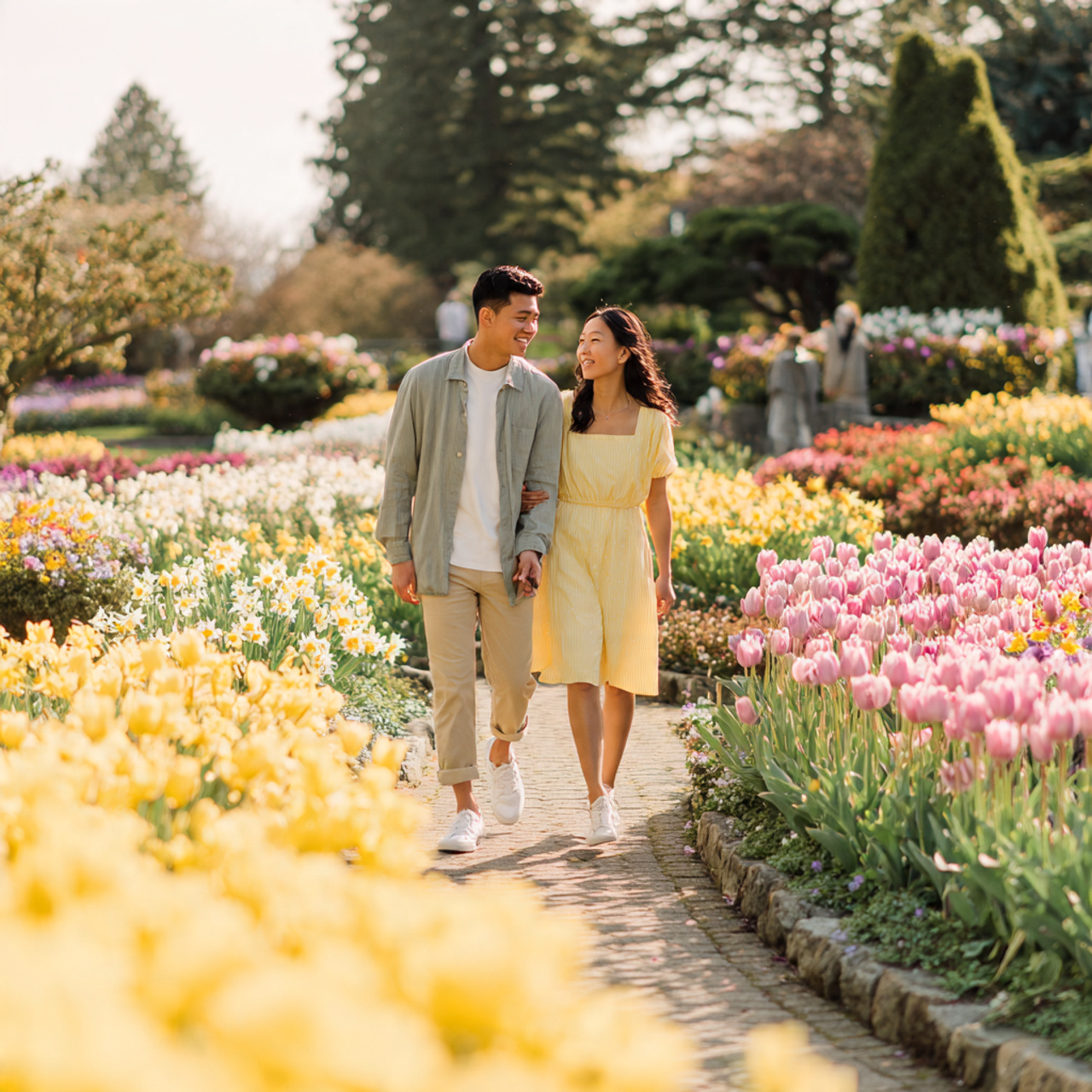
Seasonal bulb rotation schemes ensure that your flower beds are the first to wake up in the spring and the last to fade in the fall. By planting layers of bulbs that bloom at different times—from early snowdrops and crocuses to mid-summer lilies and late-autumn dahlias—you create a garden that is constantly reinventing itself. This “succession planting” means there is always something new and exciting to see every few weeks.
This approach allows for a high-intensity burst of color that can be easily updated or changed each year. When the spring bulbs finish blooming, they can be over-planted with summer annuals, keeping the bed full and vibrant. It is a dynamic way to garden that celebrates the passing of time and the unique beauty that each specific month has to offer.
FAQs About Flower Bed Ideas
What are the best flower bed ideas for small front yards?
In smaller spaces, the best concepts focus on verticality and clean borders to prevent the area from feeling cluttered. Utilizing tiered stone planters or a symmetrical entryway accent can create a sense of organized beauty without overwhelming the limited square footage. Choosing a monochromatic color scheme also helps a small yard feel more cohesive and spacious.
Which flower bed ideas work best for low maintenance landscapes?
For those who want beauty without constant work, drought-tolerant succulent beds and native species habitats are excellent choices. These arrangements rely on plants that are naturally adapted to their environment and require less water and pruning. Additionally, using ornamental grasses provides year-round interest with very little seasonal upkeep required.
How can I incorporate flower bed ideas into a sloped backyard?
Slopes provide a great opportunity for raised stone garden layouts or terraced “shadow box” designs. These structures help hold the soil in place and prevent erosion while turning a difficult incline into a series of beautiful, flat planting surfaces. Cascading plants like creeping phlox or trailing vines are especially effective for softening the edges of these levels.
What are some unique flower bed ideas for shady areas under trees?
Woodland shade garden styles are specifically designed to flourish in low-light environments by using plants with varied foliage textures and colors. Incorporating hostas, ferns, and white-flowered “moon garden” plants can brighten up dark corners and create a cool, inviting retreat. Using light-colored mulch or gravel can also help reflect what little light is available.
How do I choose between formal and informal flower bed ideas?
The choice usually depends on the architectural style of your home and your personal aesthetic preference. Formal designs, like geometric boxwood framing or symmetrical accents, complement traditional and modern homes with clean lines. Informal ideas, such as cottage core designs or wildflower clusters, are better suited for rustic or relaxed properties where a natural look is desired.
Conclusion
Exploring different Flower Bed Ideas is an invitation to view your outdoor space as a living gallery of your own creation. By moving beyond basic landscaping and embracing concepts that prioritize artistic expression and natural harmony, you can build an environment that inspires you every time you step outside.
The beauty of a well-planned garden lies in its ability to grow and change alongside your home. Whether you choose the structured elegance of a stone-edged border or the wild freedom of a meadow-style cluster, these Flower Bed Ideas provide the spark needed to cultivate a landscape that is truly one of a kind.