25 Living Room Minimalist Ideas: Transform Your Space into a Calm, Stylish Haven
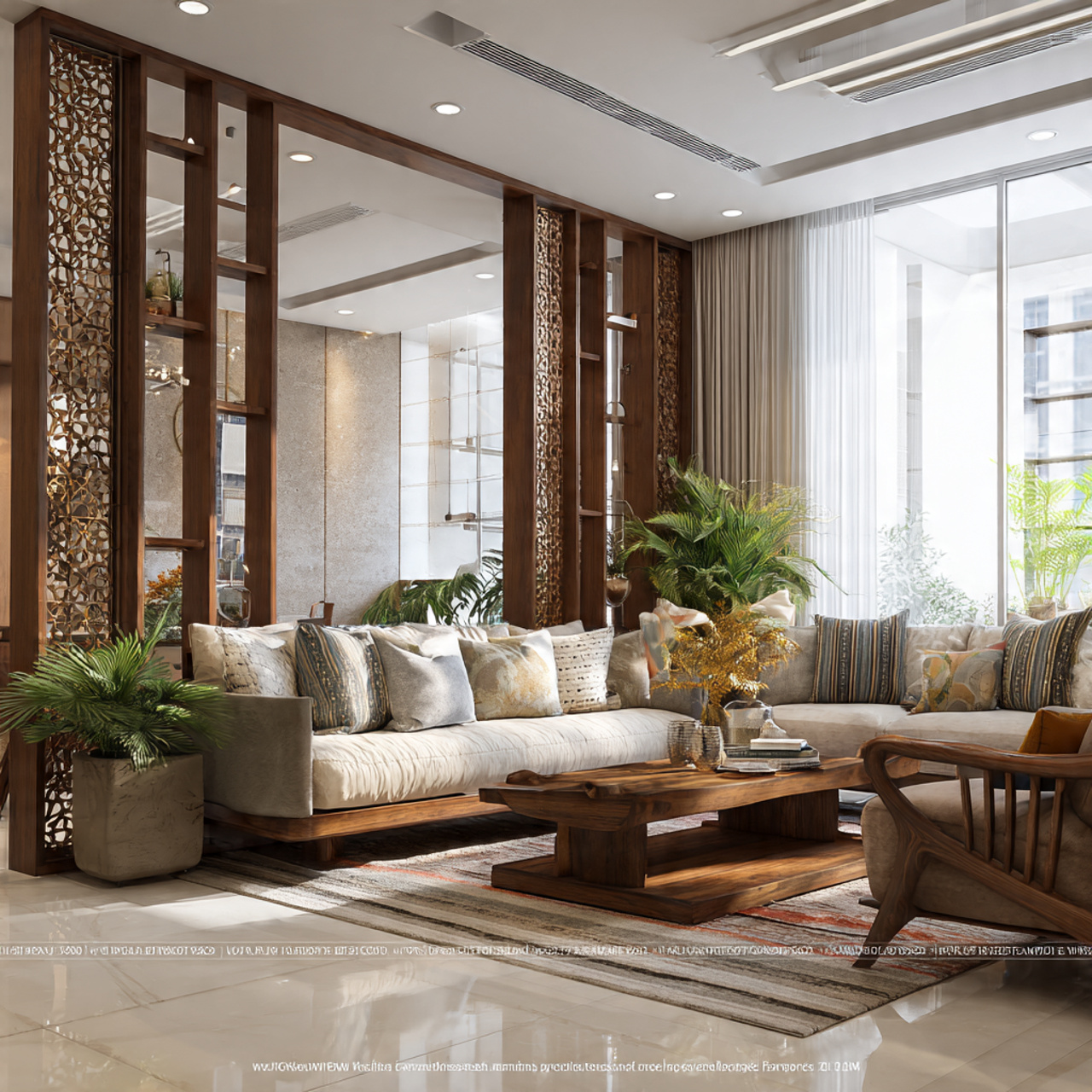
Living room minimalist ideas are the perfect starting point for anyone looking to transform their home into a serene sanctuary of modern design. This approach focuses on the beauty of open space and the intentional selection of furniture to create an environment that feels both expansive and deeply personal.
By prioritizing curated aesthetics over cluttered surfaces, these concepts help you rediscover the inherent charm of your living area. Exploring various textures and palettes allows for a creative journey where every choice serves to enhance the overall harmony and visual flow of your favorite room.
Best Living Room Minimalist Ideas to Try
Living room minimalist ideas offer a diverse range of styles that cater to different tastes, from warm organic textures to sharp contemporary lines. This section explores how to balance functional needs with artistic expression to achieve a look that feels complete without being overcrowded.
The following concepts are designed to inspire a sense of calm and sophistication in your home by focusing on essential elements. Each suggestion provides a unique perspective on how to utilize light, space, and materials to craft a cohesive and inviting living environment.
Monochromatic Palette Concept
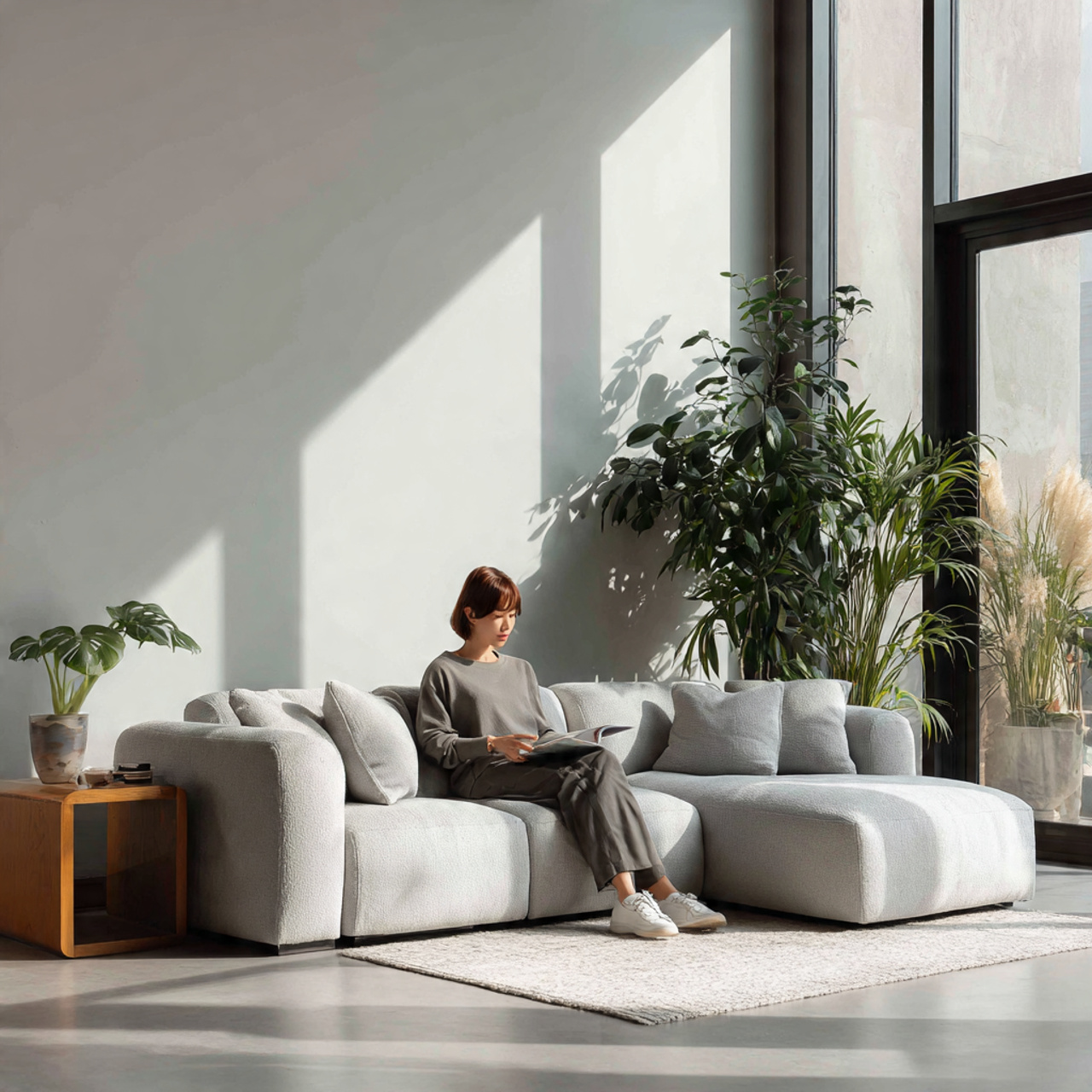
Utilizing a monochromatic palette involves selecting a single base hue and layering different shades, tones, and tints of that color throughout the space. This approach creates a seamless visual flow that prevents the eye from being overwhelmed by clashing colors or busy patterns.
By sticking to a unified color story, you can emphasize the architectural lines of your furniture and the natural light within the room. This concept promotes a sense of tranquility and order, making the entire living area feel more expansive and intentionally designed.
Floating Shelf Display
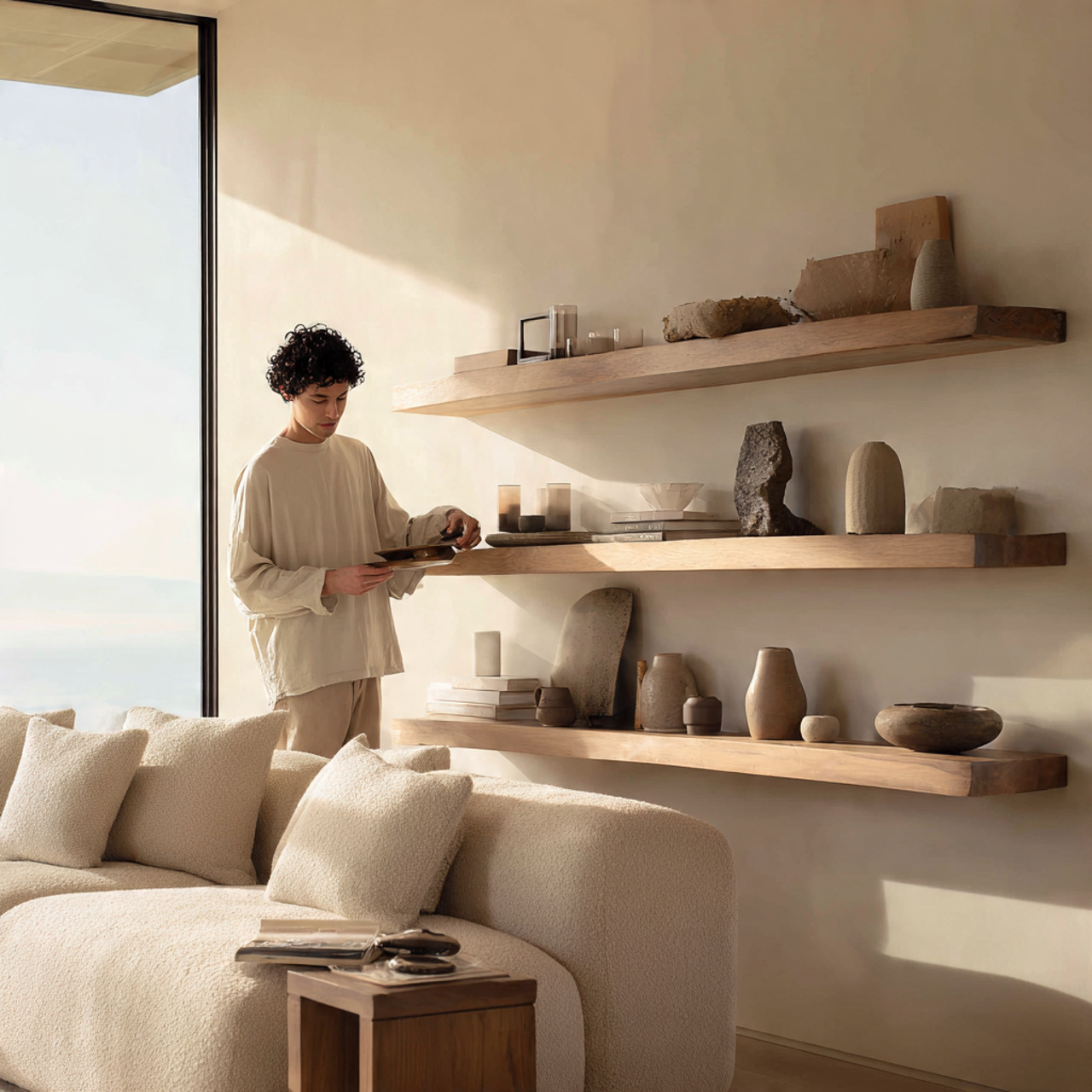
Floating shelves offer a sleek way to showcase a few meaningful items without the bulk of traditional bookcases or heavy cabinets. By eliminating visible brackets and heavy frames, these shelves appear to grow directly out of the wall, maintaining a light and airy atmosphere.
When selecting items for these shelves, focusing on a few high-quality pieces ensures the look remains sophisticated and uncluttered. This idea allows you to rotate your favorite decor seasonally, keeping the room feeling fresh while adhering to a clean aesthetic.
Negative Space Focal Point
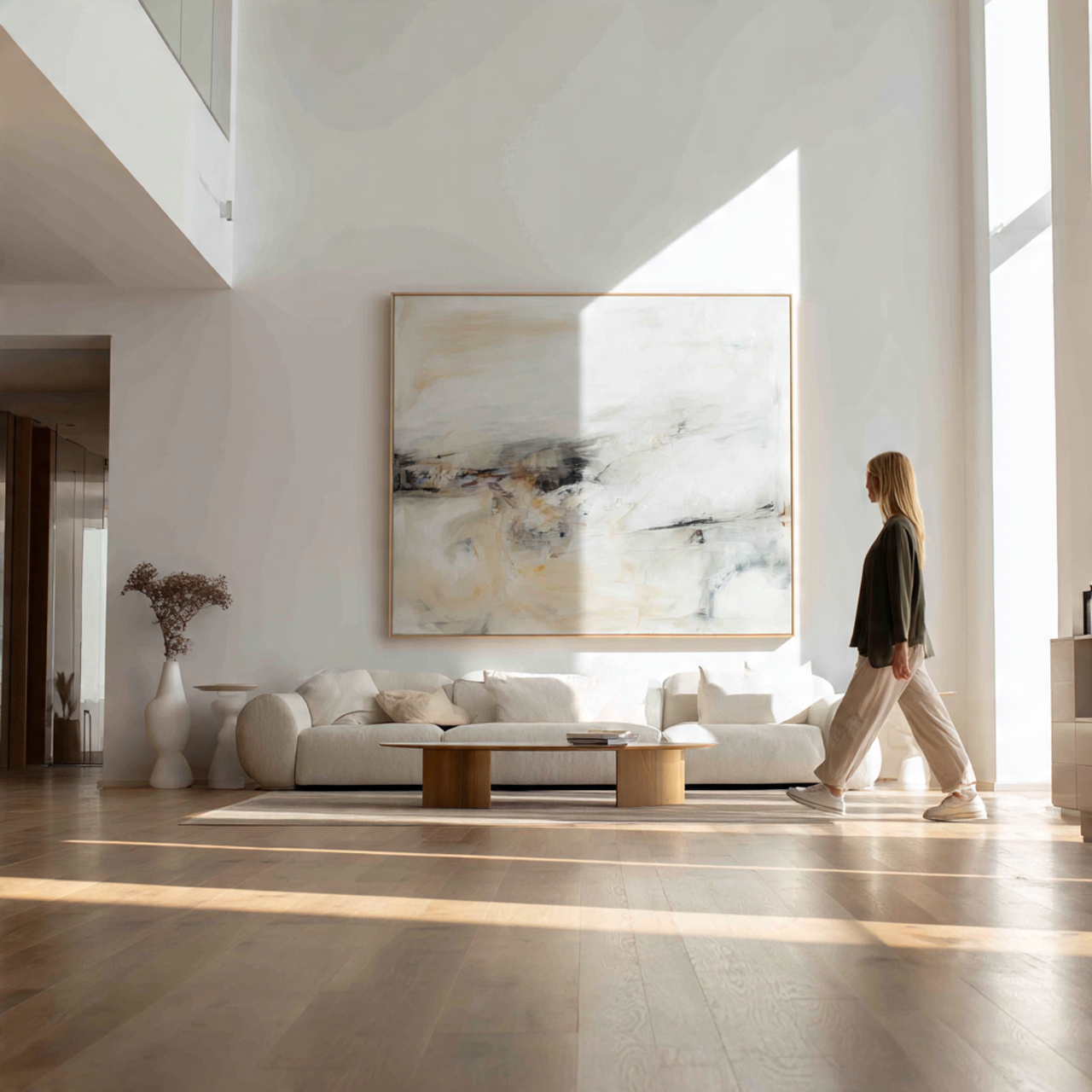
The use of negative space is a powerful tool that emphasizes the areas where there is nothing at all, allowing the remaining elements to breathe. By leaving a large portion of a wall or floor empty, you draw significant attention to a singular piece of furniture or a specific view.
This design choice challenges the instinct to fill every corner, instead celebrating the quiet beauty of an open floor plan. It fosters an environment where the mind can rest, free from the visual noise that often accompanies more traditional decorating styles.
Industrial Raw Texture Look
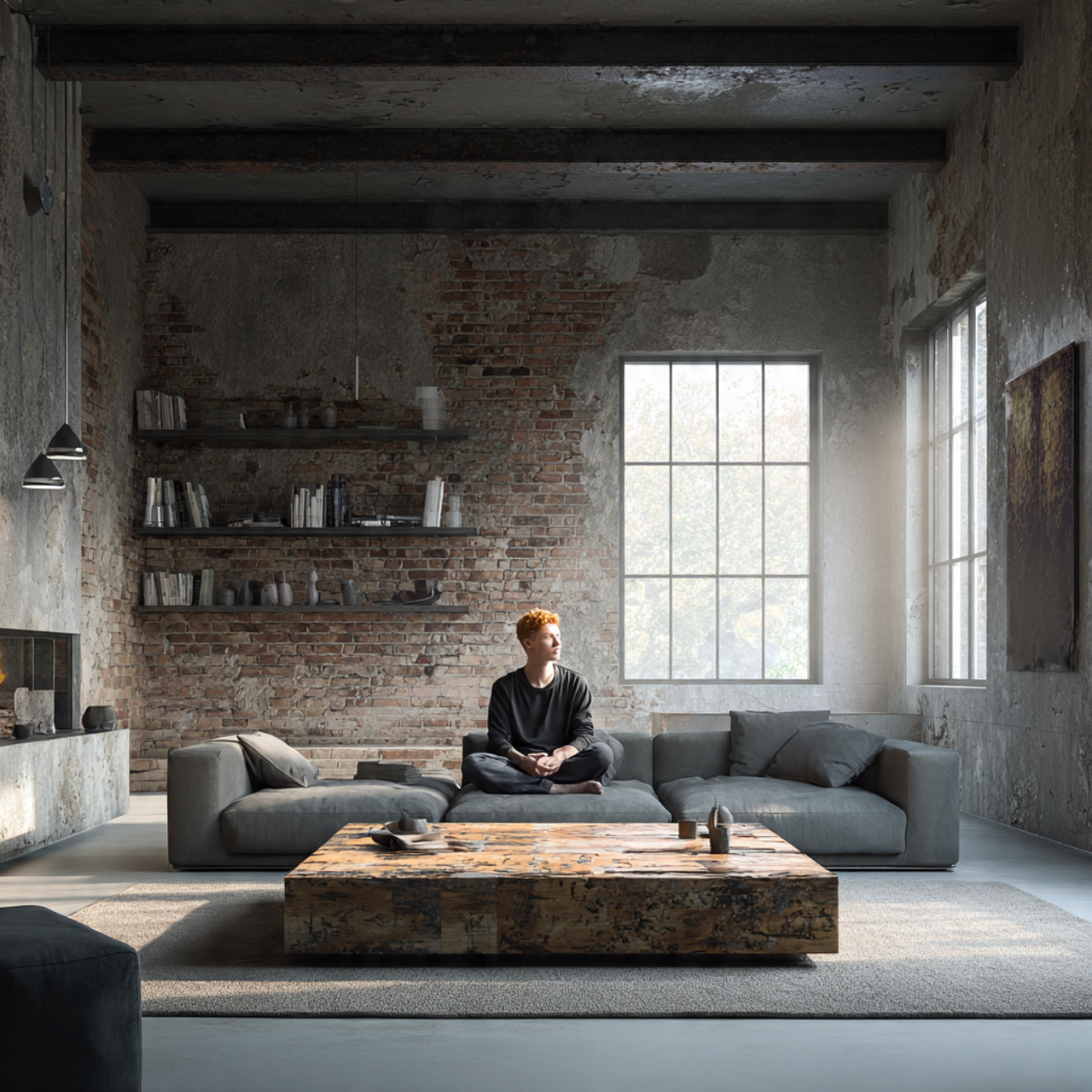
Incorporating raw textures like exposed brick, unpolished metal, or distressed wood brings an edgy and authentic feel to a modern home. These materials provide a tactile contrast to the smooth surfaces often found in contemporary designs, adding depth and character.
The industrial influence works beautifully when kept simple, allowing the natural imperfections of the materials to serve as the primary decoration. It creates an atmosphere that feels grounded and honest, stripping away unnecessary polish to reveal the structural beauty beneath.
Statement Single Art Piece
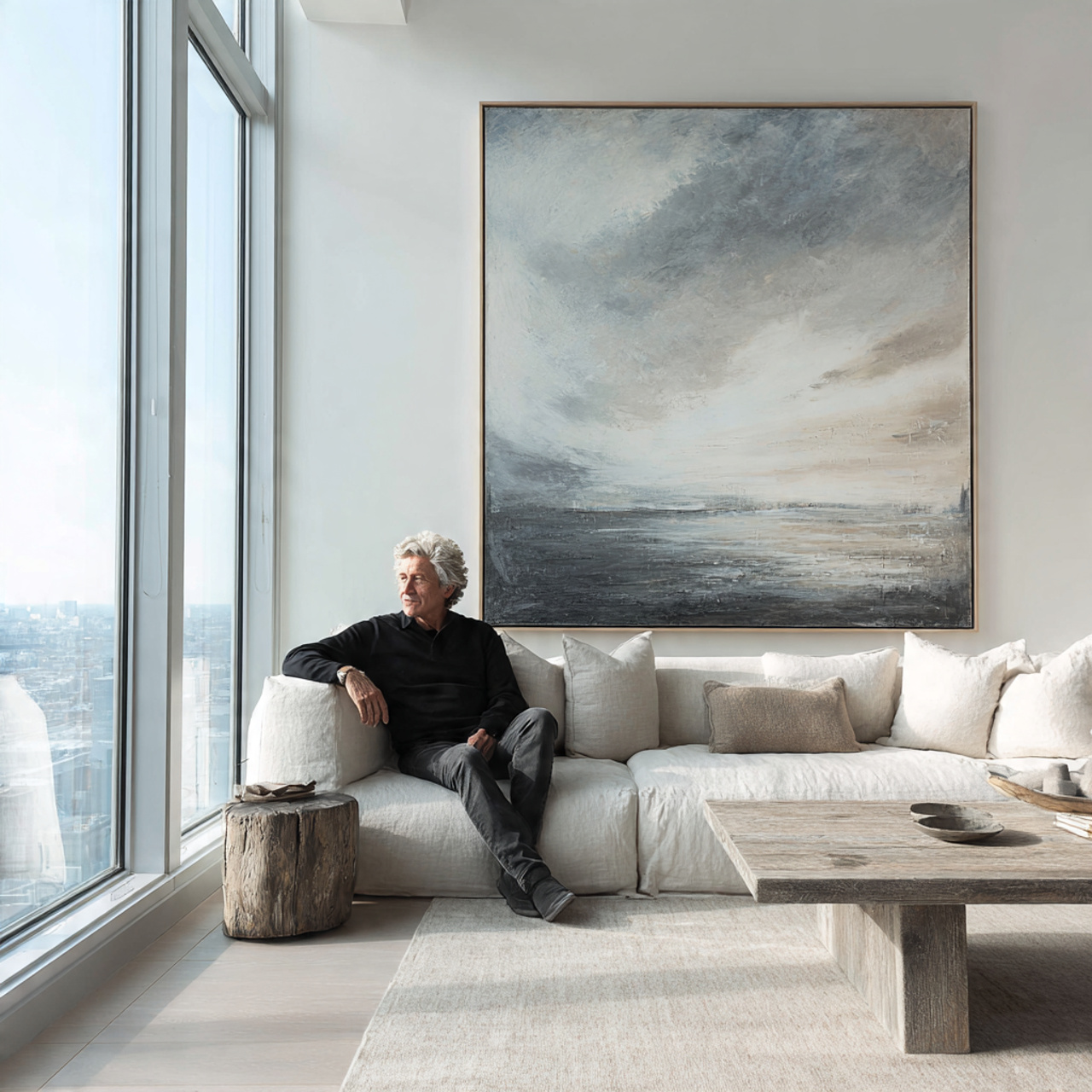
Rather than creating a gallery wall with dozens of small frames, choosing one large statement art piece serves as a sophisticated anchor for the room. This singular focus creates a clear narrative for the space and prevents the walls from feeling fragmented or busy.
The scale of a large piece can actually make a small room feel bigger by providing a grand visual destination for the eyes. Selecting a work that resonates with your personal style ensures that the room feels curated and intentional rather than just empty.
Organic Wood Accents
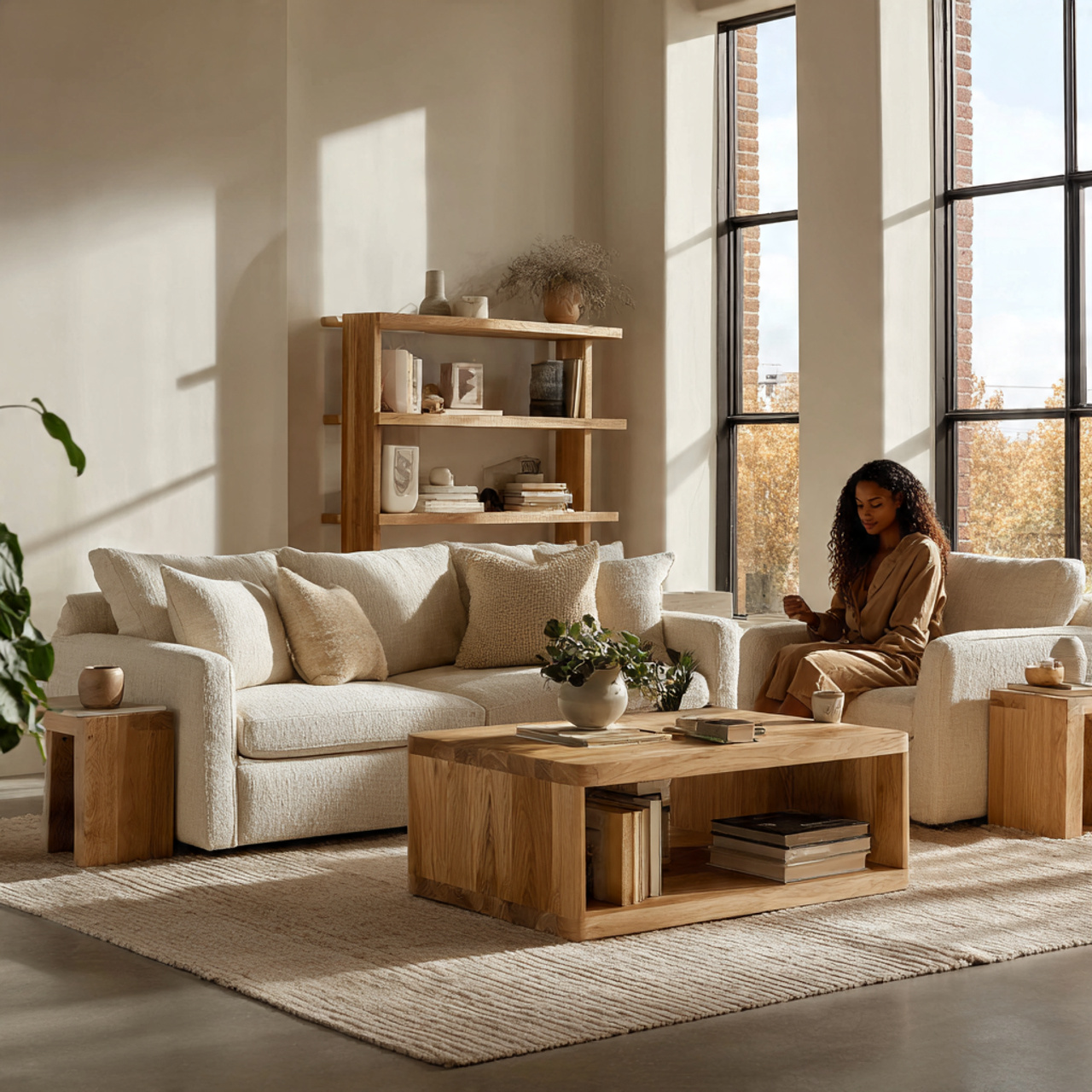
Bringing in natural wood elements introduces warmth and a sense of vitality to a room that might otherwise feel too clinical or cold. The grain and texture of light oak, walnut, or birch provide a connection to the outdoors, grounding the interior design in nature.
Whether it is a simple coffee table or a set of wooden coasters, these organic touches soften the sharp lines of modern furniture. This balance is crucial for creating a living space that feels welcoming and lived-in while maintaining a strict commitment to simplicity.
Hidden Storage Solutions
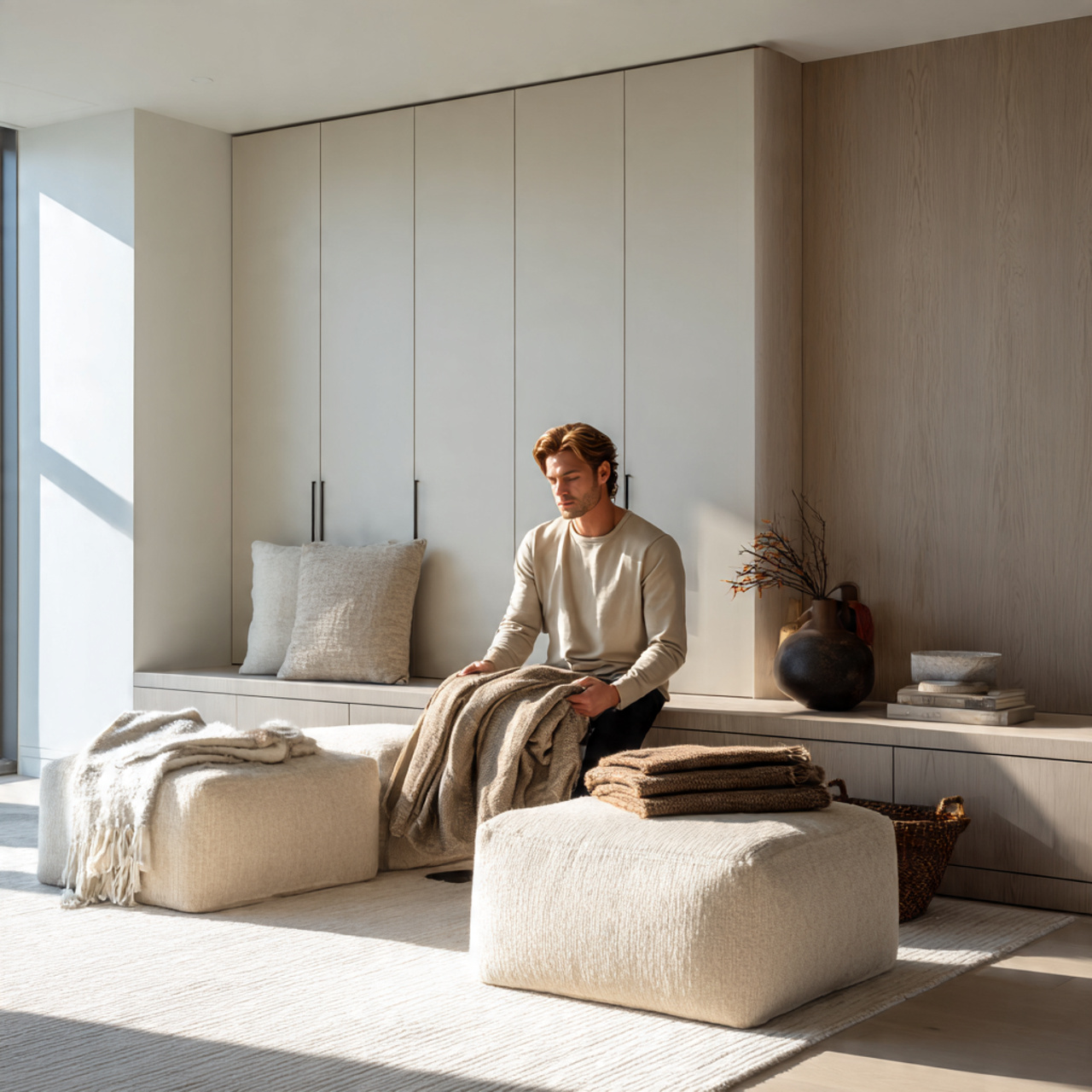
Effective storage is the secret foundation of any successful design, as it allows you to tuck away the necessities of daily life. Built-in cabinets that blend into the walls or ottomans with internal compartments ensure that clutter never has a chance to accumulate.
By keeping surfaces clear of remotes, magazines, and chargers, the room maintains its pristine and peaceful appearance. These solutions prioritize functionality without sacrificing the visual integrity of the space, proving that a home can be both practical and beautiful.
Floor to Ceiling Window Integration
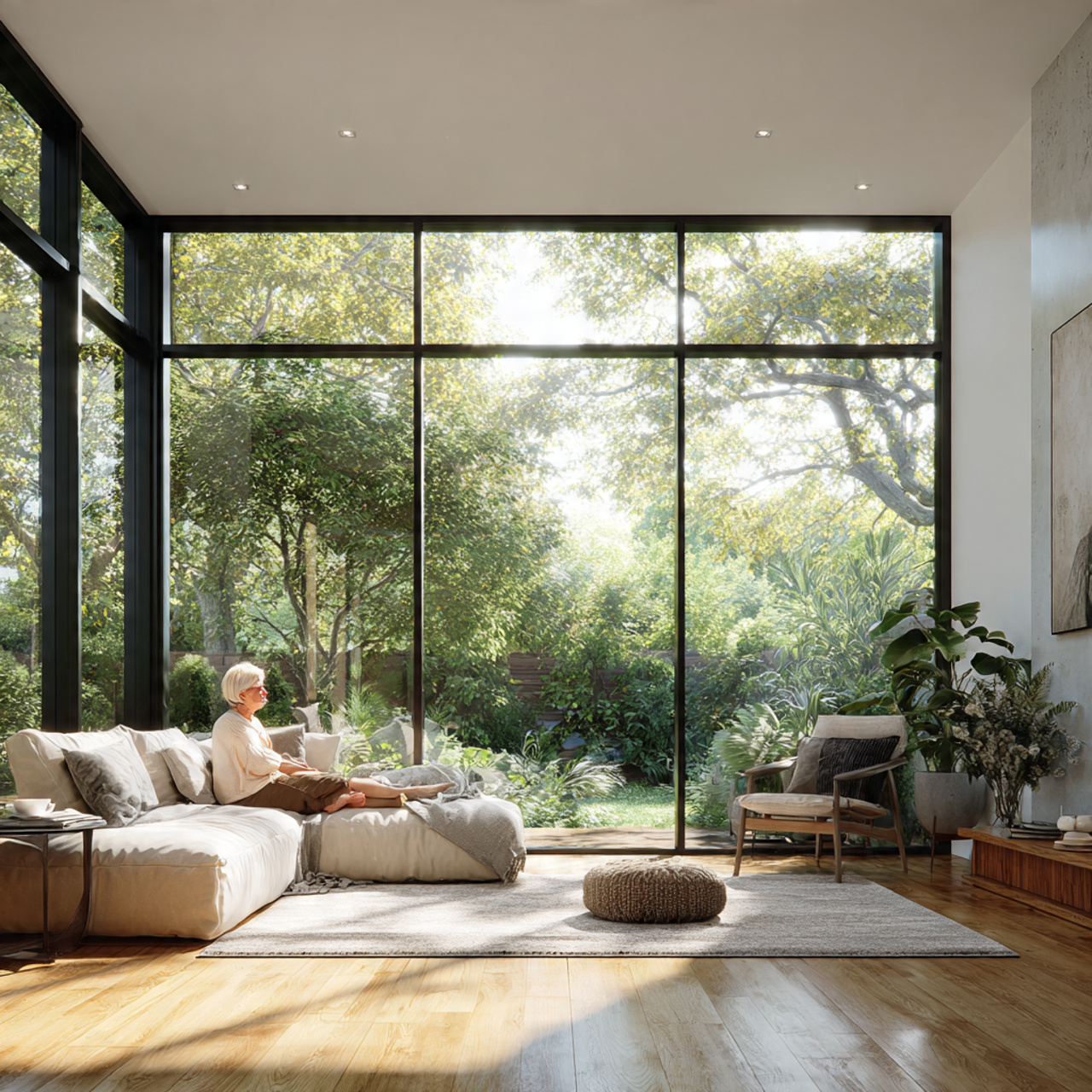
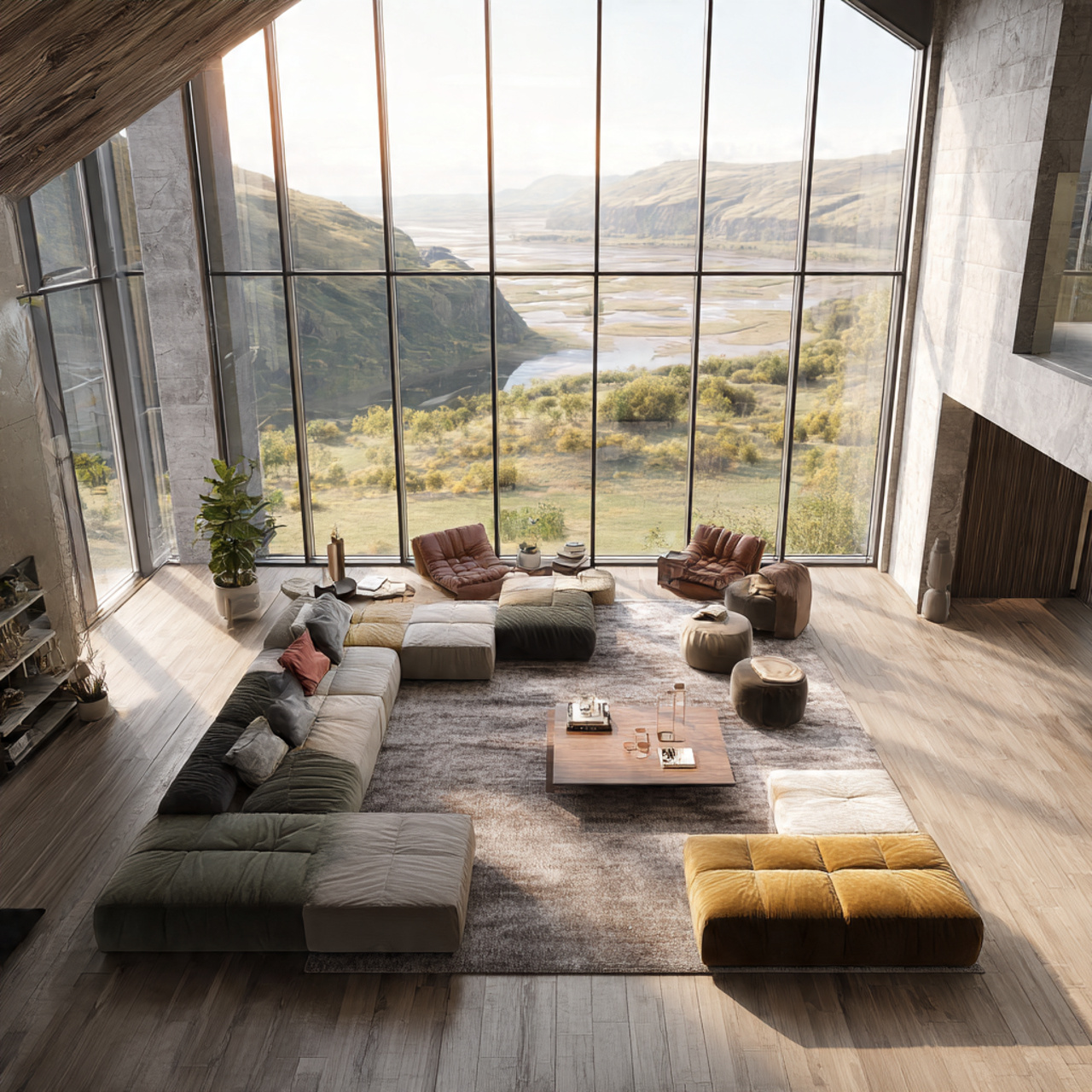
Large windows that stretch from the floor to the ceiling act as living paintings, constantly changing with the light and the seasons. This integration blurs the boundary between the interior and the exterior, making the landscape an essential part of the room’s decor.
Minimal window treatments or even entirely bare panes allow the maximum amount of natural light to flood the space. This abundance of light enhances the feeling of openness and highlights the subtle textures and colors chosen for the interior.
Low Profile Seating Arrangement
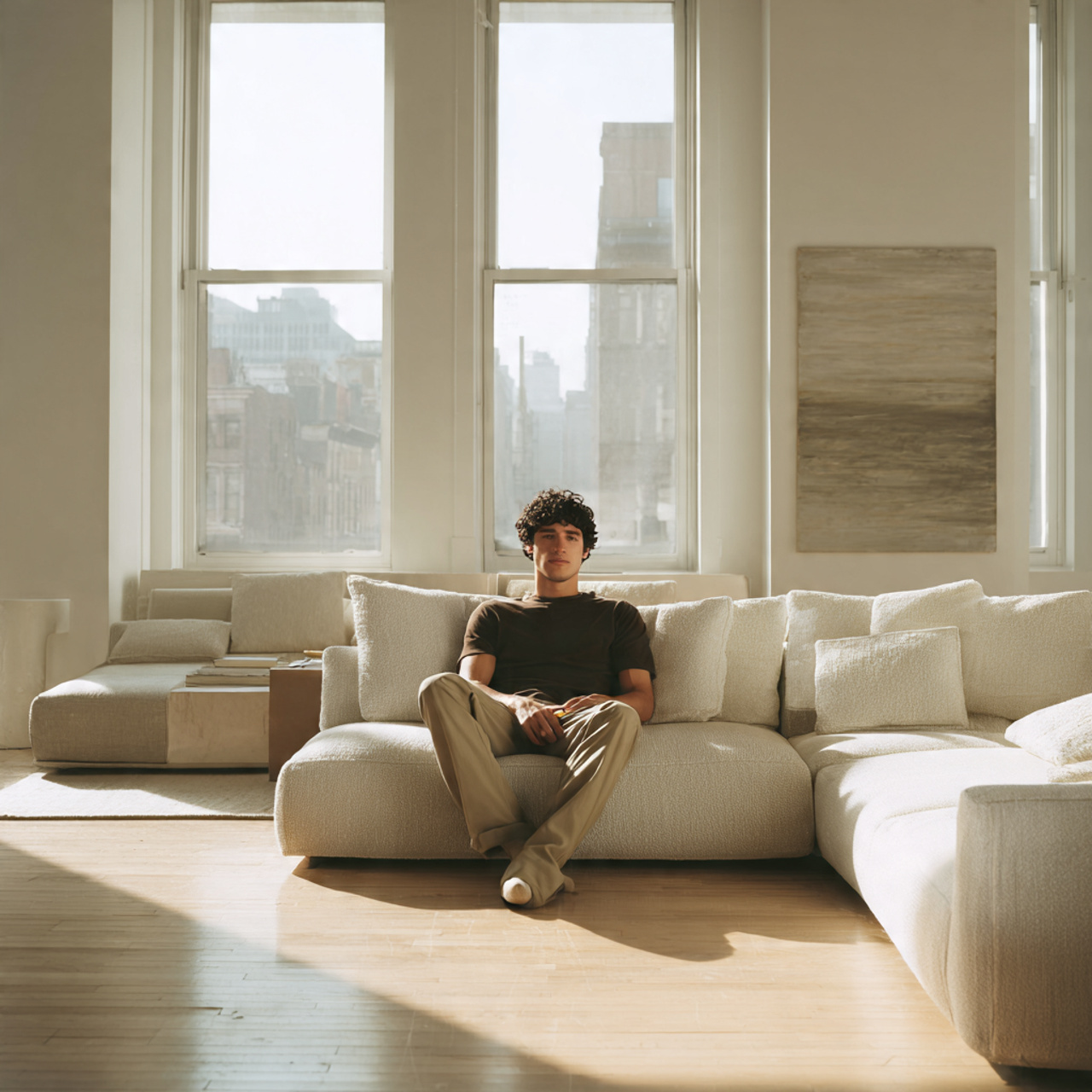
Choosing furniture that sits lower to the ground creates an unobstructed line of sight across the room, which makes ceilings feel much higher. Low-profile sofas and chairs lend a grounded, relaxed vibe to the environment, encouraging a more informal and comfortable way of living.
This style of seating often features clean, horizontal lines that reinforce the geometric simplicity of a modern layout. It provides a sense of stability and calm, ensuring that the furniture serves the space rather than dominating it visually.
Neutral Linen Textile Layering
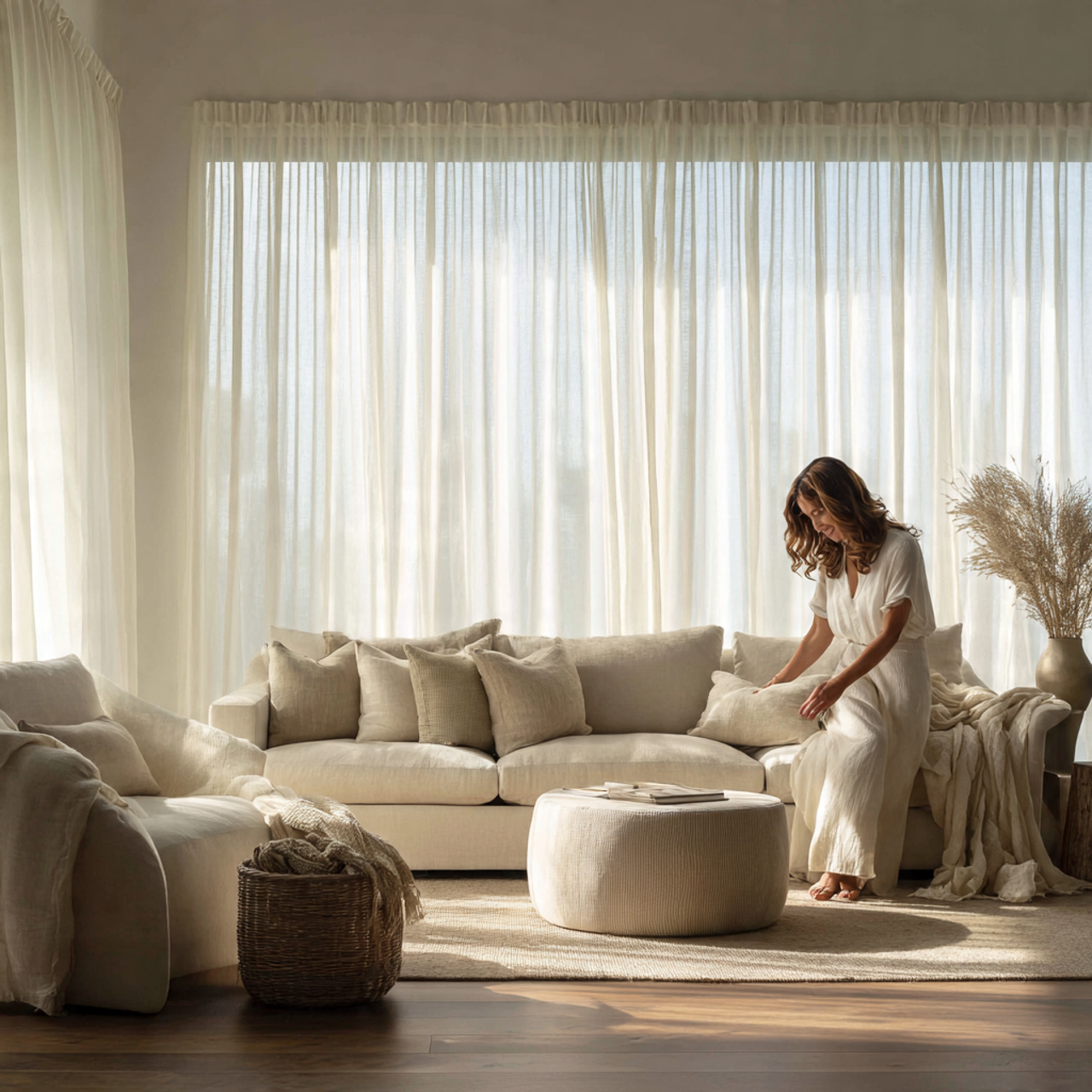
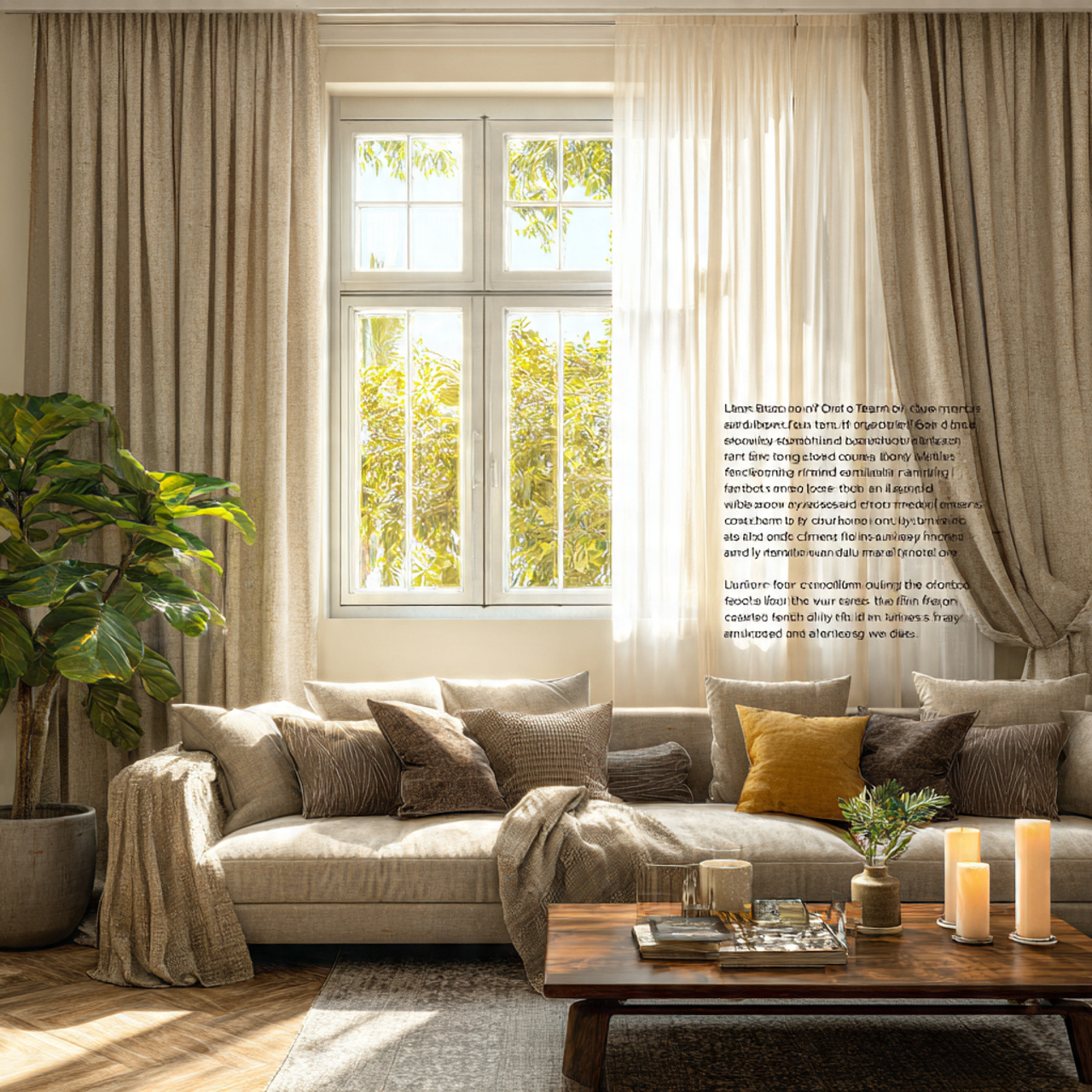
Linen textiles are prized for their natural breathability and soft, rumpled texture, which adds a layer of comfort to a minimal room. Using neutral-toned linen for cushions, throws, or curtains provides a subtle sensory experience without introducing loud colors.
The layering of these fabrics introduces a “soft” minimalism that feels cozy and approachable rather than stiff or formal. These textiles age beautifully and bring an effortless elegance to the seating area, making the room feel warm and inviting.
Sculptural Lighting Fixture
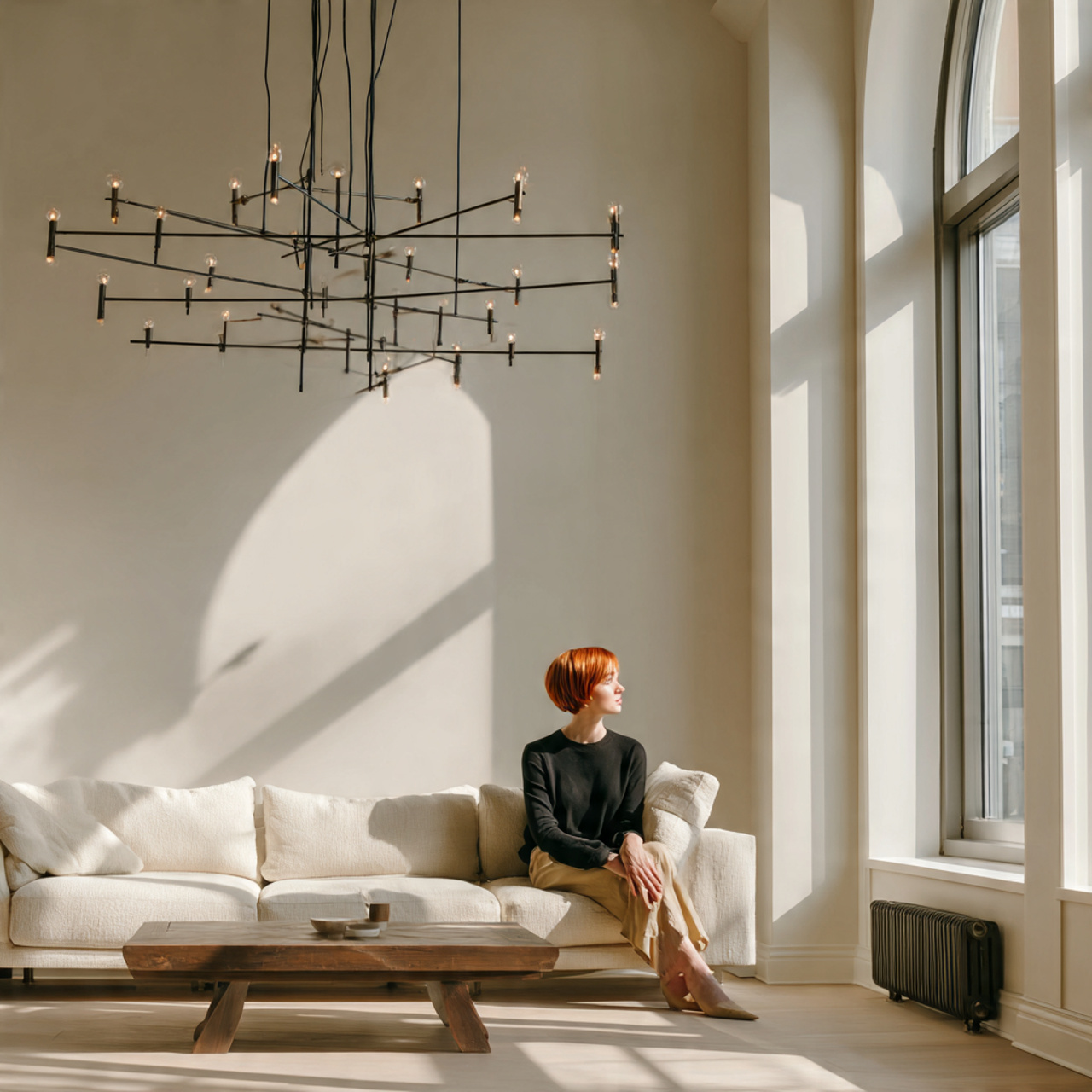
In a room with few decorative objects, the lighting fixture itself can become a piece of functional sculpture. Choosing a lamp or chandelier with a bold, unique silhouette provides a point of interest that draws the eye upward and defines the room’s character.
A well-chosen sculptural piece eliminates the need for extra ornaments, as it provides both illumination and artistic flair. It serves as a conversation starter while maintaining the clean, purposeful lines that define the overall design philosophy.
Bare Hardwood Flooring
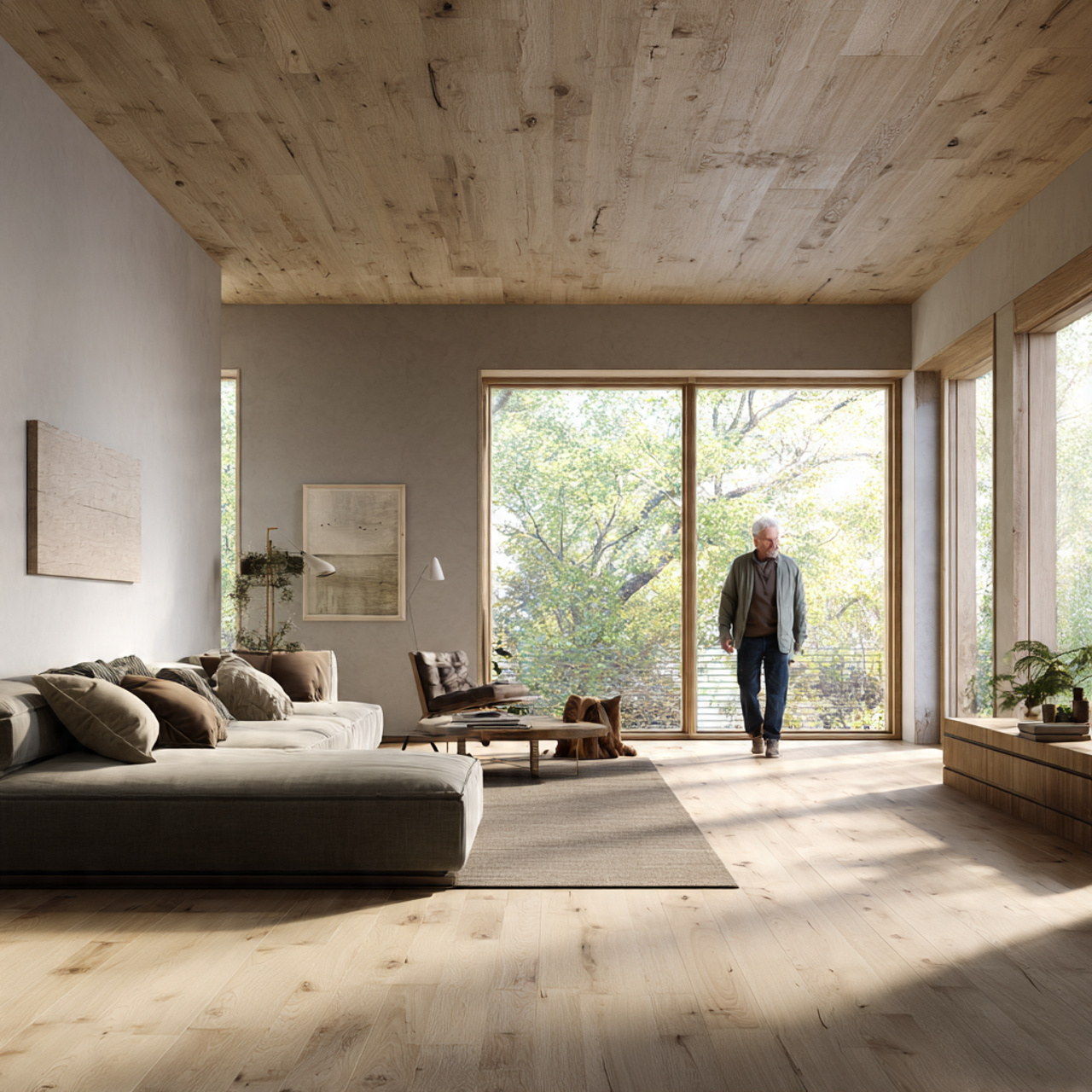
Leaving hardwood floors exposed celebrates the natural patterns of the wood and creates a sleek, uninterrupted surface across the room. Without the distraction of heavy rugs, the natural warmth and color of the planks become a major design element in their own right.
This choice makes cleaning much easier and contributes to a healthier, dust-free environment that aligns with a simplified lifestyle. The continuity of the flooring helps different zones of the house feel connected, enhancing the overall sense of flow.
Polished Concrete Aesthetic
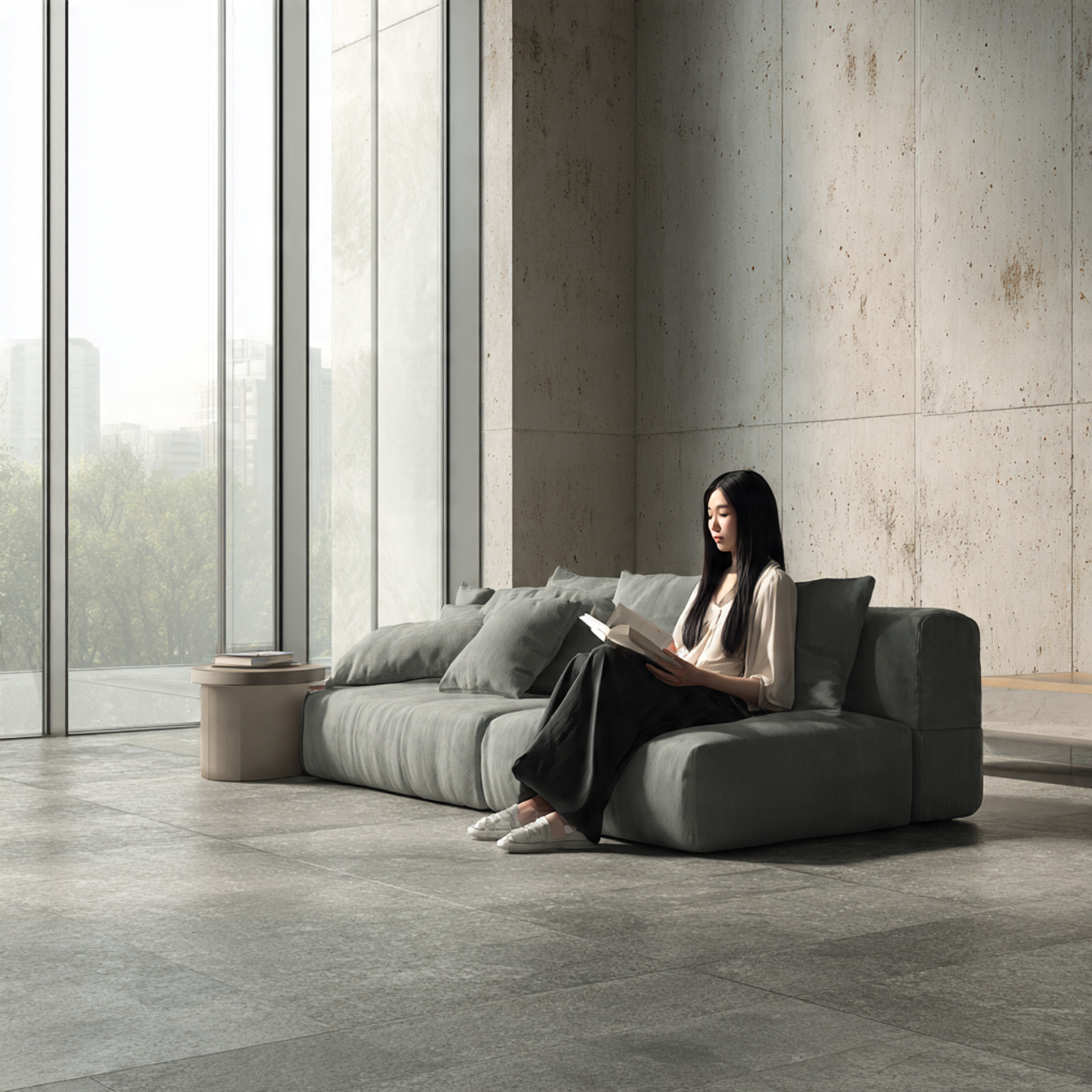
For those who prefer a cooler, more urban feel, polished concrete floors offer a durable and incredibly modern foundation. The subtle variations in the gray tones of the concrete provide a sophisticated backdrop that complements almost any furniture style.
The reflective quality of a polished finish helps bounce light around the room, brightening up the space even on overcast days. This material is the epitome of the “less is more” philosophy, finding beauty in a standard industrial material.
Architectural Greenery Placement
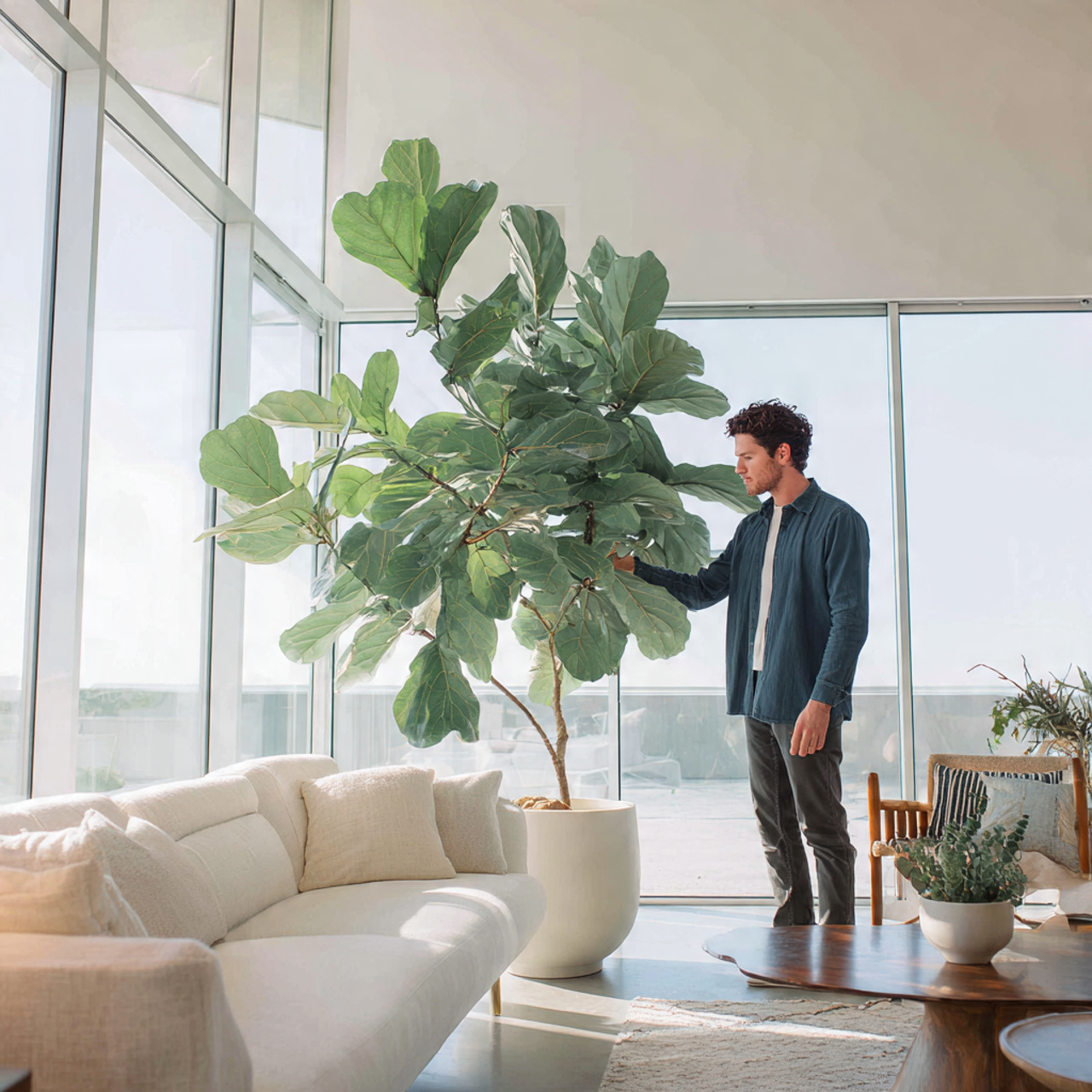
Rather than a collection of small potted plants, choosing one or two large, architectural plants like a Fiddle Leaf Fig or a Bird of Paradise makes a bold statement. These living elements introduce a pop of vibrant color and a sense of freshness to the room.
The organic shapes of the leaves provide a perfect contrast to the straight lines of modern architecture and furniture. This placement brings life into the space, creating a dynamic environment that feels connected to the natural world.
Glass Surface Transparency
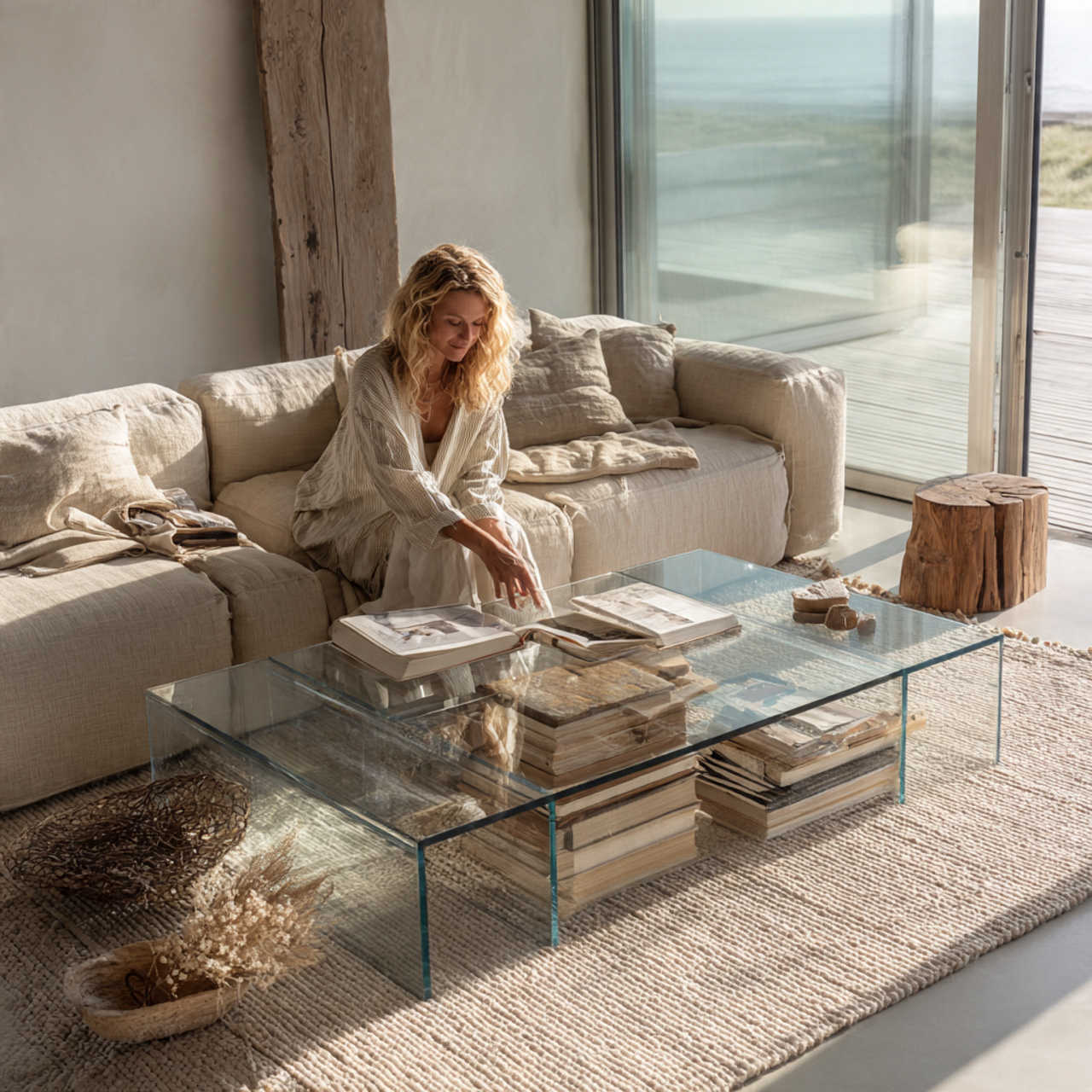
Using glass for coffee tables or side tables creates a sense of “invisibility” that prevents the room from feeling crowded. Because you can see through these pieces, the floor space remains visually open, which is especially helpful in smaller apartments.
The transparency of glass adds a touch of modern luxury and allows other elements, like a beautiful rug or the floor grain, to shine through. It is a practical way to add surface area for drinks or books without adding visual weight to the layout.
Recessed Wall Niche
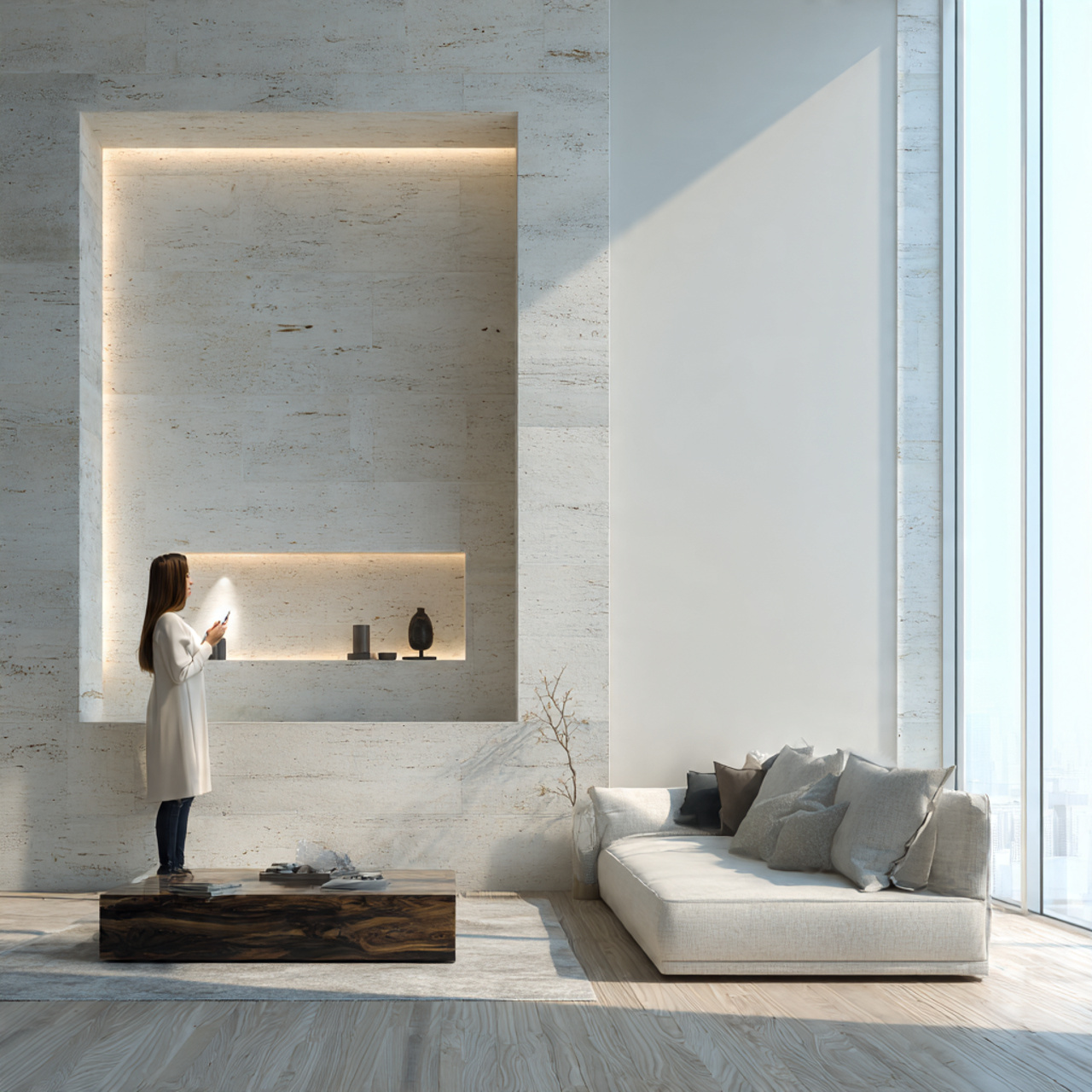
A recessed wall niche provides a built-in spot for displaying a single object or a small collection of books without taking up floor space. This architectural feature feels like a natural part of the home’s structure rather than an after-thought or a piece of furniture.
Lighting the niche from within can create a soft, ambient glow that highlights the items inside and adds depth to the wall. This is an elegant way to incorporate personality and art into the home while keeping the walkways completely clear.
Woven Natural Fiber Rugs
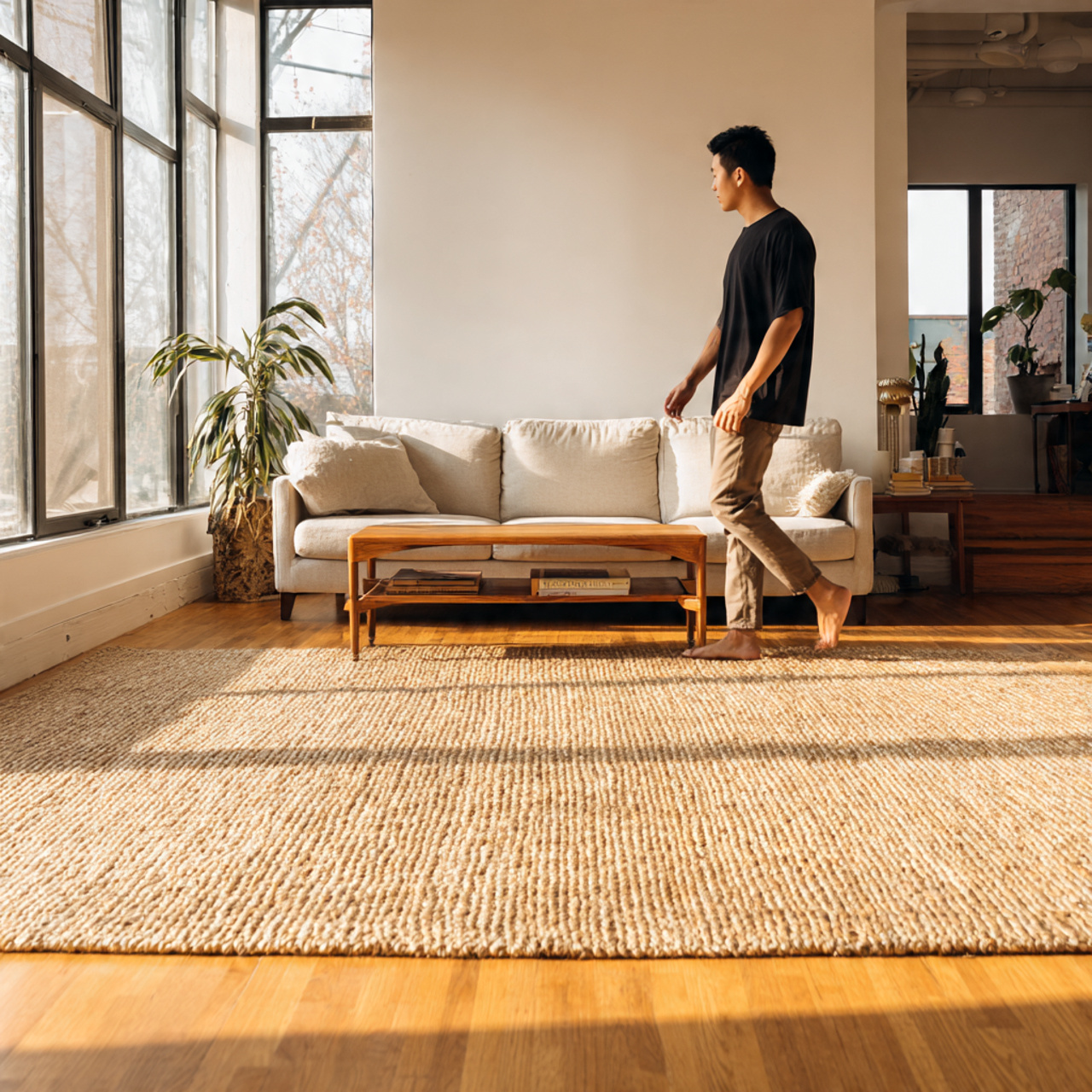
Rugs made from jute, sisal, or seagrass introduce a wonderful earthy texture that feels great underfoot and looks timeless. These natural fibers are typically found in muted, sandy tones that blend perfectly with a neutral or minimalist color palette.
The woven patterns provide just enough visual interest to keep the floor from looking flat without being distracting. These materials are also highly durable and sustainable, making them a conscious choice for a well-designed home.
Integrated Media Center
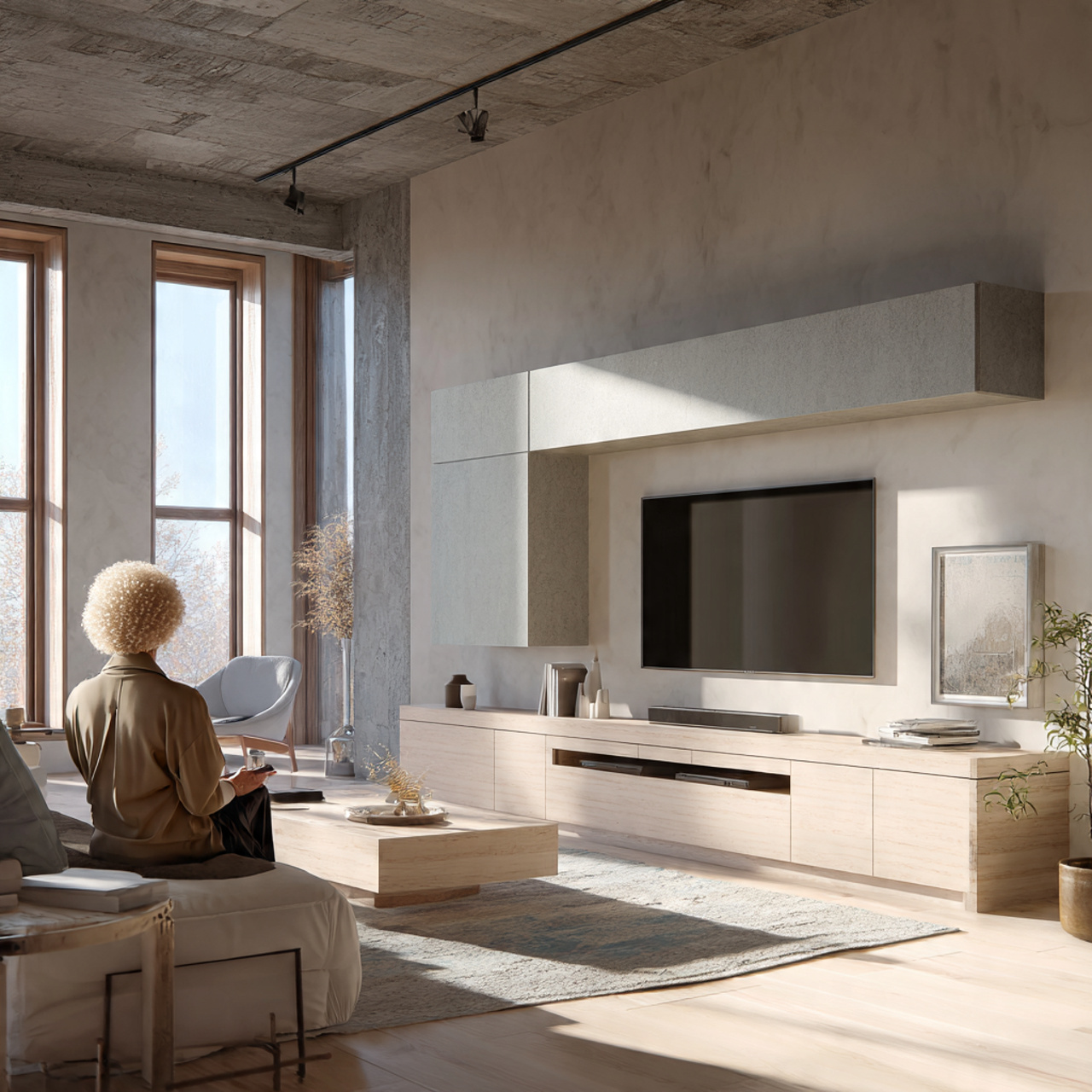
An integrated media center hides wires, consoles, and screens behind sleek panels or within custom-built cabinetry. This ensures that the television does not become the accidental focal point of the room when it is not in use.
By blending the technology into the architecture of the room, you maintain the peaceful atmosphere of the living area. This approach allows you to enjoy modern entertainment features without letting the hardware disrupt the visual harmony of your design.
Symmetrical Layout Design
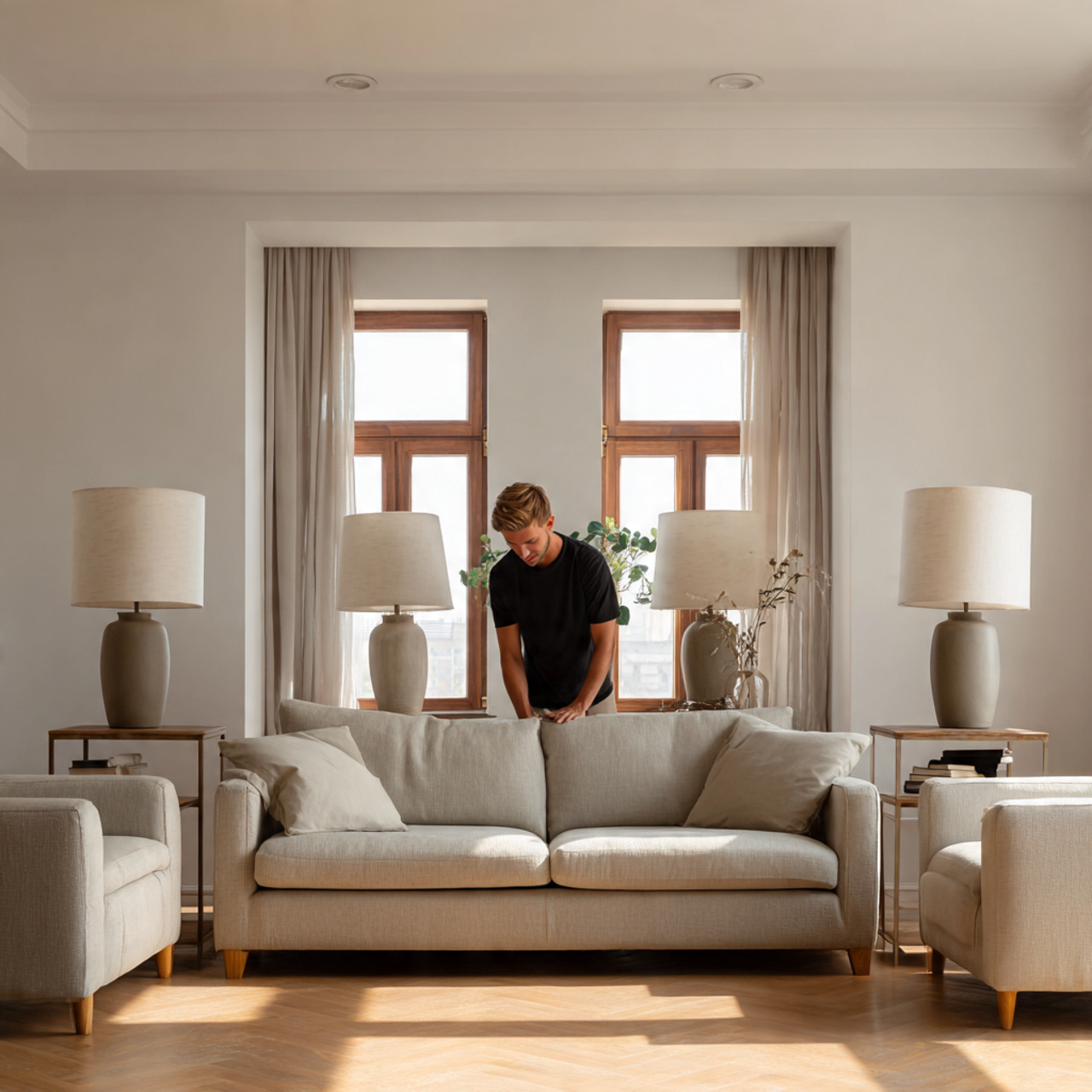
Symmetry creates an immediate sense of order and balance, which the human brain naturally finds soothing and beautiful. Placing identical chairs or matching lamps on either side of a central point creates a structured look that feels very intentional.
This layout strategy is particularly effective in larger rooms, as it provides a clear framework for the furniture. It communicates a sense of formality and precision that elevates the overall aesthetic of the home.
Matte Metal Finishes
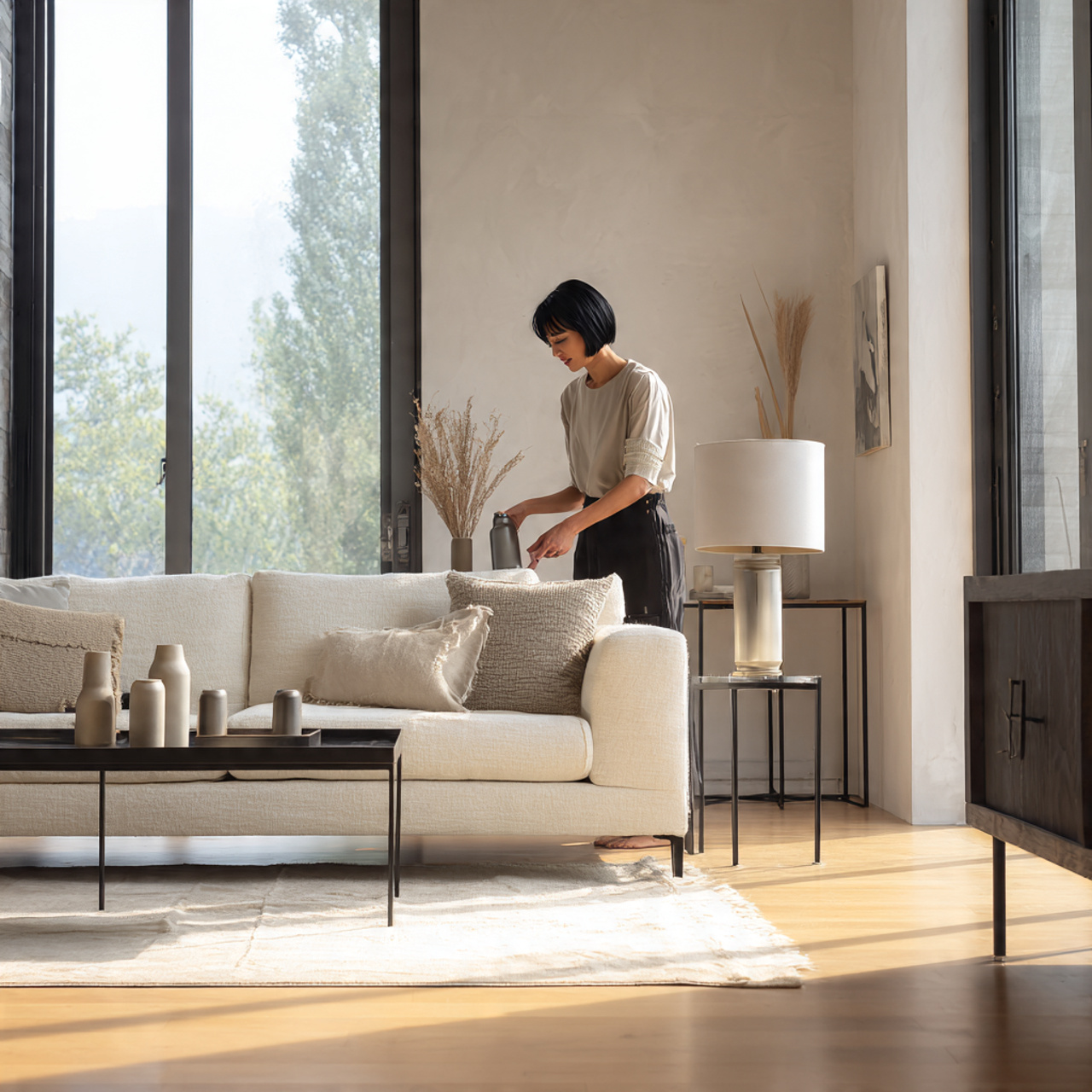
Choosing matte finishes for metal elements like door handles, lamp bases, or furniture legs prevents unwanted glare and keeps the look subtle. Matte black, brushed gold, or satin nickel provide a high-end feel that is more understated than high-shine chrome.
These finishes are excellent for adding a touch of contemporary contrast to a room filled with softer textures. They provide a “finished” look to the design, ensuring that even the smallest details are aligned with the overall theme.
Visit Also: Boho Bedroom Ideas
Oversized Mirror Reflection
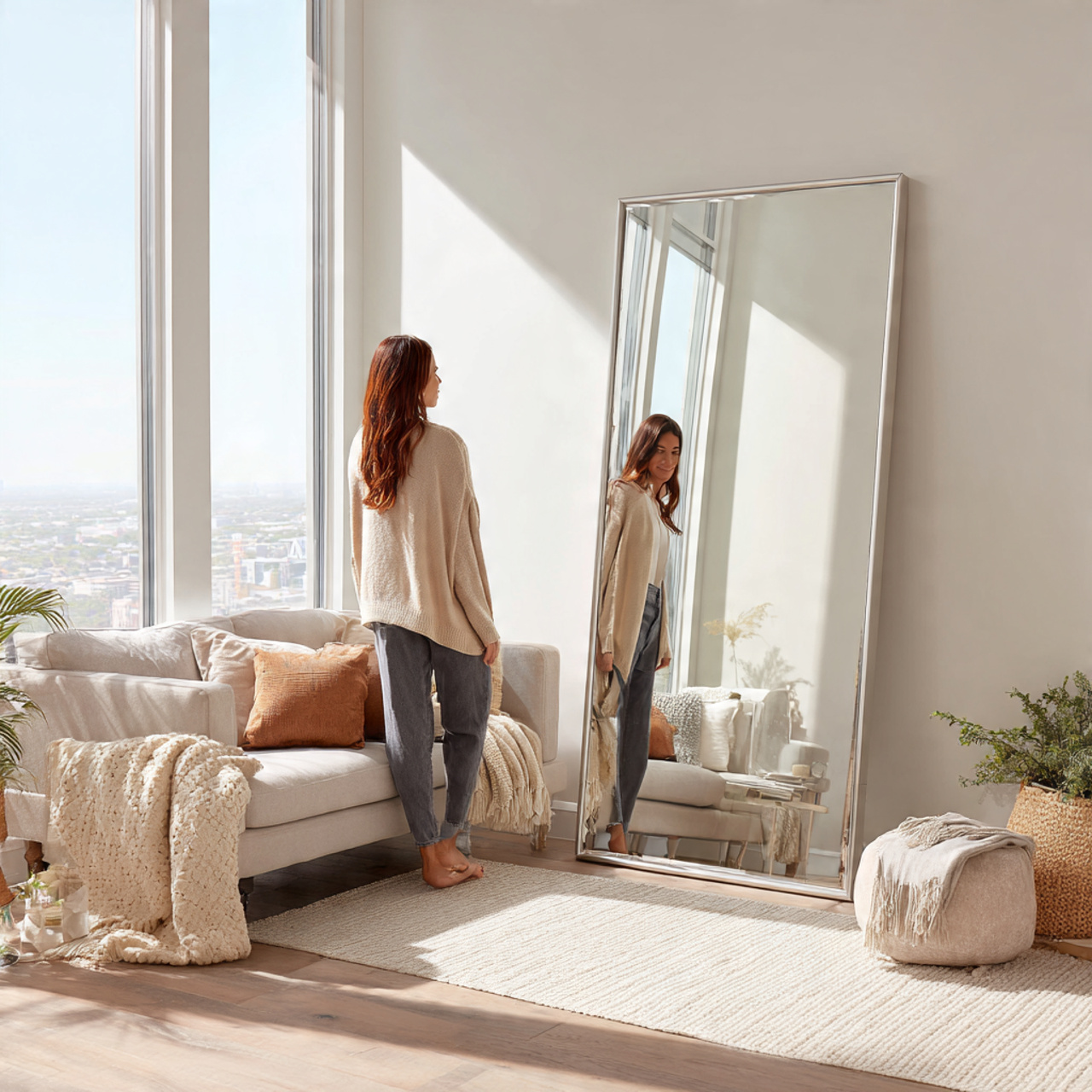
A large, simple mirror leaning against a wall or mounted centrally can double the perceived size of your living area. By reflecting the light and the rest of the room, it creates an illusion of depth that makes even the tightest spaces feel airy.
The mirror itself should have a thin, unobtrusive frame to keep the focus on the reflection rather than the object. This is a classic designer secret for maximizing natural light and creating a sense of grandeur in a simplified home.
Tonal Stone Elements
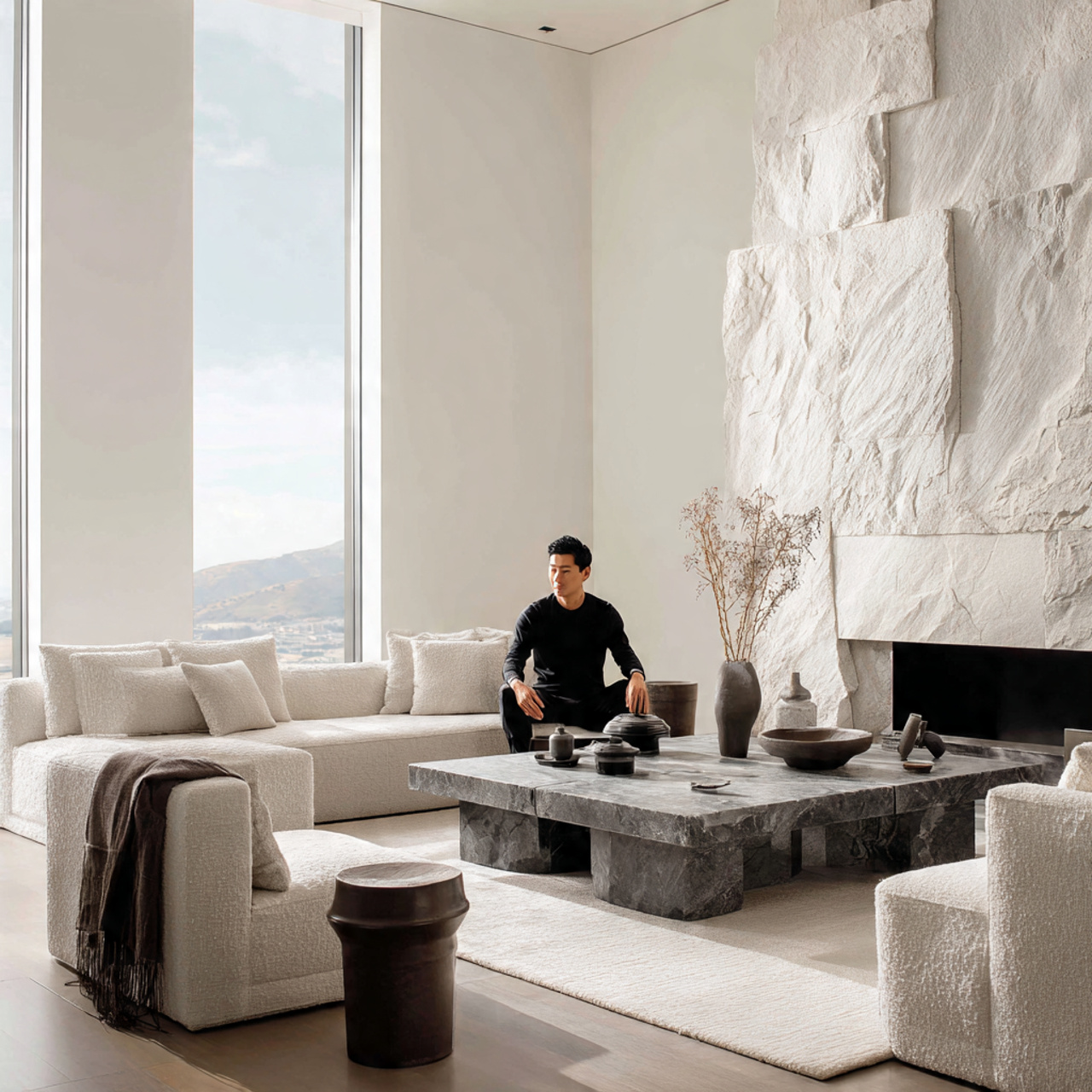
Incorporating stone through a marble coffee table or a slate fireplace surround adds a sense of permanence and luxury to the space. The natural veining and color variations in stone provide a unique pattern that no two pieces share.
Sticking to a tonal approach—where the stone colors match the walls or furniture—ensures the look remains cohesive. Stone is a cool material that balances well with soft textiles, adding a sophisticated edge to the living room.
Unadorned Window Treatments
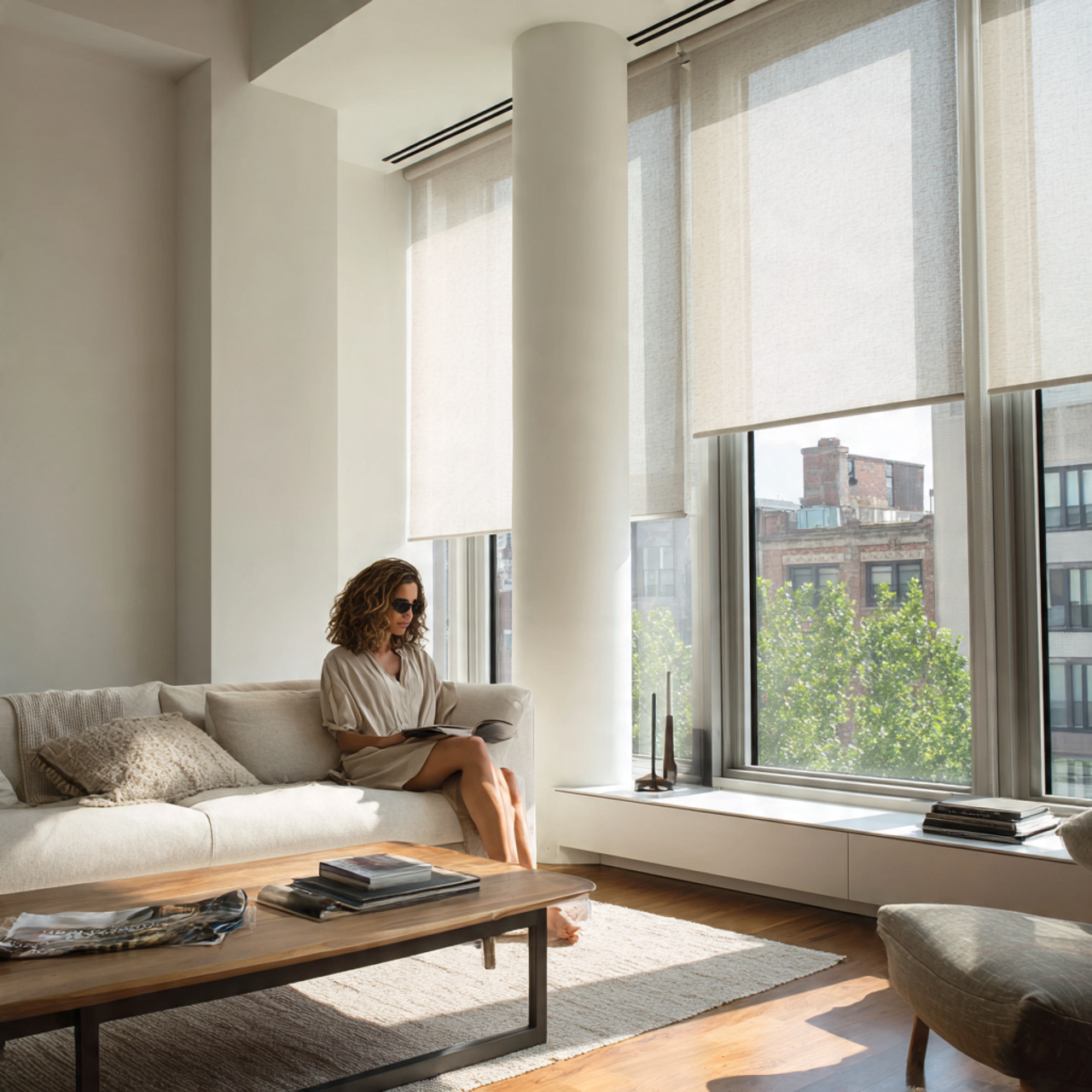
To achieve a truly clean look, many modern homes opt for unadorned windows or simple, hidden roller shades. This allows the structural shape of the windows to stand out and ensures that no heavy fabric blocks the incoming sunlight.
If privacy is a concern, sheer panels in a color that matches the walls can provide cover without adding visual bulk. This choice keeps the perimeter of the room feeling light and emphasizes the connection to the world outside.
Geometric Silhouette Furniture
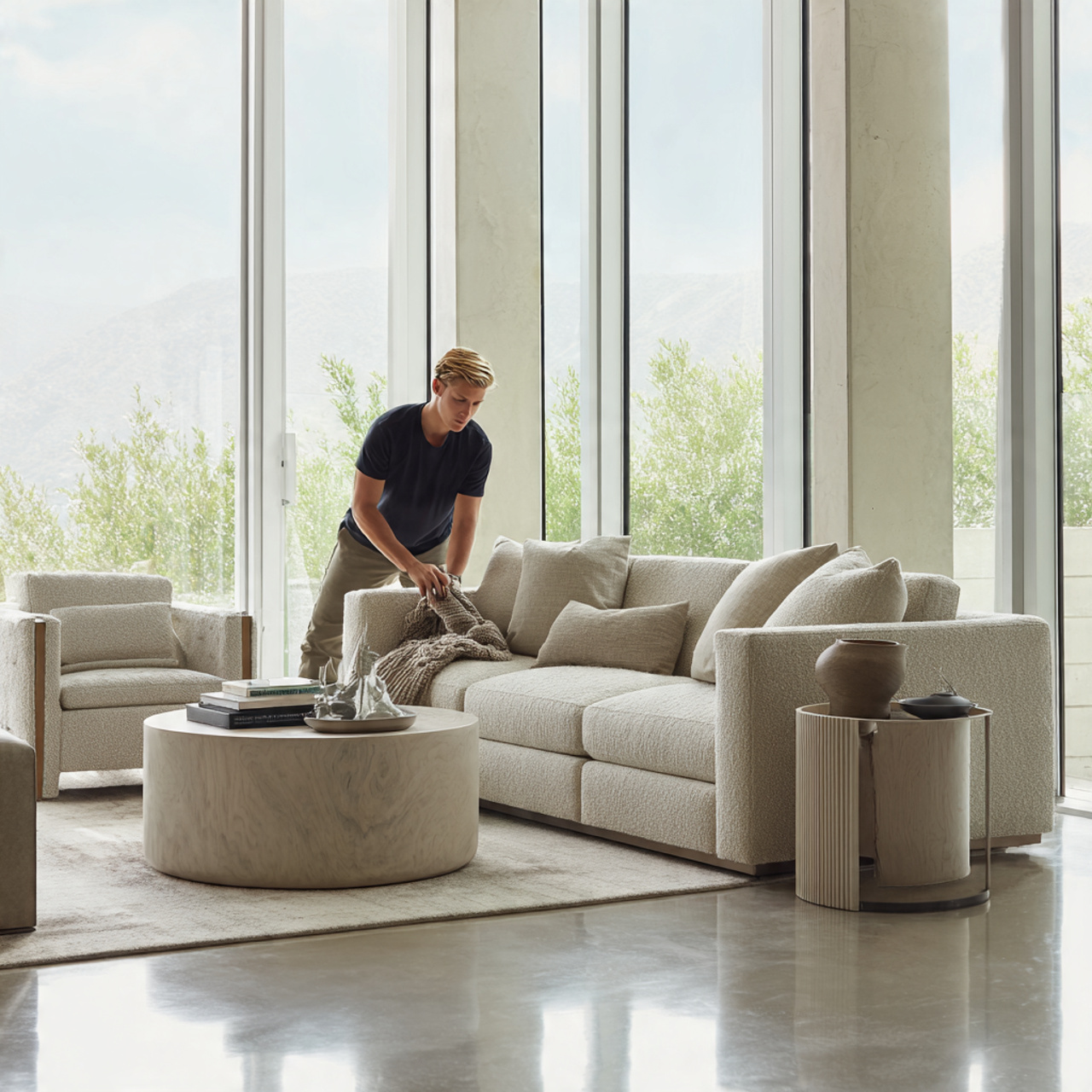
Furniture with clear geometric silhouettes—like a perfectly rectangular sofa or a circular side table—adds a sense of mathematical beauty to the room. These shapes are easy for the eye to process and contribute to a feeling of structural integrity.
By focusing on form rather than ornamentation, you allow the quality of the furniture’s design to speak for itself. This results in a timeless look that doesn’t rely on passing trends to feel stylish and relevant.
Soft Ambient Glow Lighting
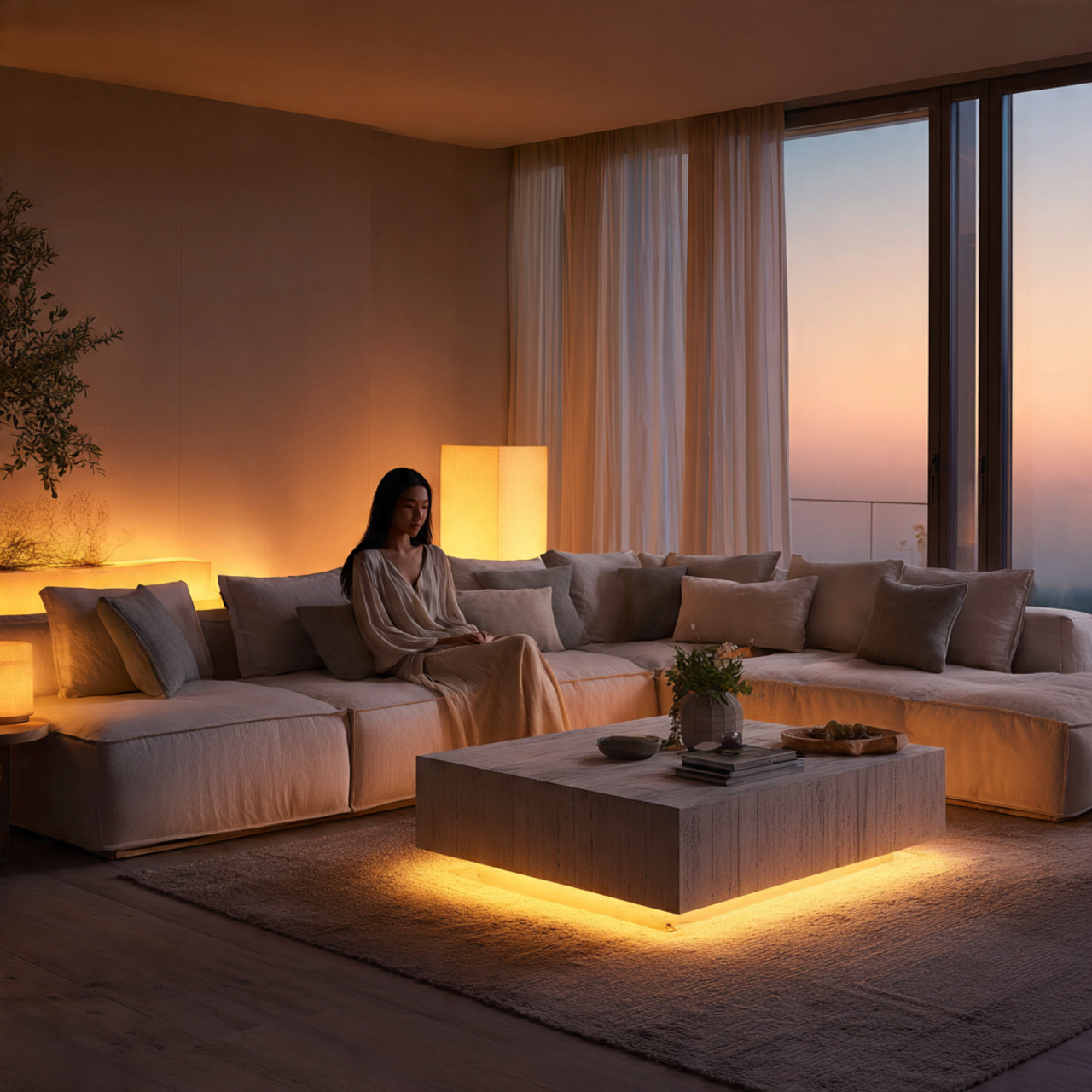
Moving away from harsh overhead lights in favor of soft, ambient sources like floor lamps and LED strips creates a cozy evening atmosphere. This type of lighting highlights the textures of the room and creates gentle shadows that add depth to the space.
By placing light sources at different heights, you can control the mood of the room throughout the day. This approach ensures that the living area remains a comfortable place to relax and unwind, regardless of the time of night.
FAQs About Living Room Minimalist Ideas
What are the best color palettes for these concepts?
The most effective palettes usually revolve around neutral tones such as off-white, soft gray, beige, and muted earth tones. These colors provide a calm backdrop that allows the architecture and the quality of the furniture to take center stage. Using a tonal approach where you layer different shades of the same color can add depth without introducing visual chaos.
How can I incorporate personal items without creating clutter?
The key is to be highly selective and treat your personal items like curated museum pieces. Instead of displaying every memento, choose one or two items that have the most meaning and give them plenty of space to breathe on a shelf or table. Rotating these items periodically allows you to enjoy all your belongings over time without overwhelming the room.
Which materials work best for a minimalist aesthetic?
Natural and high-quality materials such as solid wood, natural stone, linen, and wool are ideal for this style. These materials have inherent beauty and texture that reduce the need for extra decoration or patterns. Additionally, incorporating modern elements like glass, polished concrete, and matte metals can provide a clean, contemporary edge to the design.
Can small spaces effectively use these design styles?
Absolutely, as these concepts are actually perfect for small spaces because they prioritize the efficient use of the floor plan. By reducing the number of items and choosing furniture with a smaller visual footprint, you can make a tiny room feel significantly larger and more open. Strategic use of mirrors and light colors further enhances the sense of space in compact homes.
How does lighting influence the feel of a minimal room?
Lighting is crucial because it defines how we perceive the open spaces and textures within the room. Natural light makes a room feel expansive and energetic, while soft, warm ambient lighting in the evening creates a sense of intimacy and calm. Using lighting to highlight specific architectural features or art pieces adds a layer of sophistication to the simplified environment.
Conclusion
Living room minimalist ideas are more than just a trend; they represent a lifestyle choice that values quality, clarity, and peace of mind. By thoughtfully selecting each piece of furniture and being intentional with your use of space, you can create a home that feels like a true reflection of your personal taste.
Focusing on these living room minimalist ideas allows you to strip away the distractions of everyday life and focus on what truly matters. Whether you prefer the warmth of organic wood or the sharp lines of industrial design, the result is always a space that inspires creativity and offers a much-needed retreat from the world.