25 Stunning Pop Design Ideas to Elevate Your Home Interior
Pop Design Ideas serve as the ultimate bridge between structural necessity and artistic expression within the modern home. These concepts utilize Plaster of Paris to create stunning visual landscapes on ceilings and walls, effectively turning empty voids into the most talked-about features of a room. By leaning into the fluidity of this material, you can achieve a level of customization that traditional drywall or paint simply cannot match.
The pursuit of the perfect home environment often begins with a spark of inspiration found in the way light interacts with shape and form. Exploring a vast array of creative possibilities allows you to move beyond the ordinary and embrace a decorative language that speaks to your personal taste. Whether you prefer a subtle accent or a bold architectural statement, these inspirations provide the variety needed to redefine your living experience.
Modern Pop Design Ideas for Your Home
Pop Design Ideas are versatile enough to accommodate any architectural style, from the strictly minimalist to the lavishly ornamental. Incorporating these elements into your interior plan ensures that every square inch of your home feels intentional, polished, and full of life. The flexibility of Plaster of Paris allows for the creation of intricate depths and shadows that enhance the perceived height and volume of any interior space.
The featured inspirations in this collection represent the pinnacle of contemporary home styling and creative craftsmanship. By focusing on unique configurations and innovative layouts, these concepts help you visualize a home that feels both luxurious and comfortable. These ideas are curated to provide a comprehensive look at how modern materials can be molded into timeless features that stand the test of evolving design trends.
Layered Circular Ceiling Idea
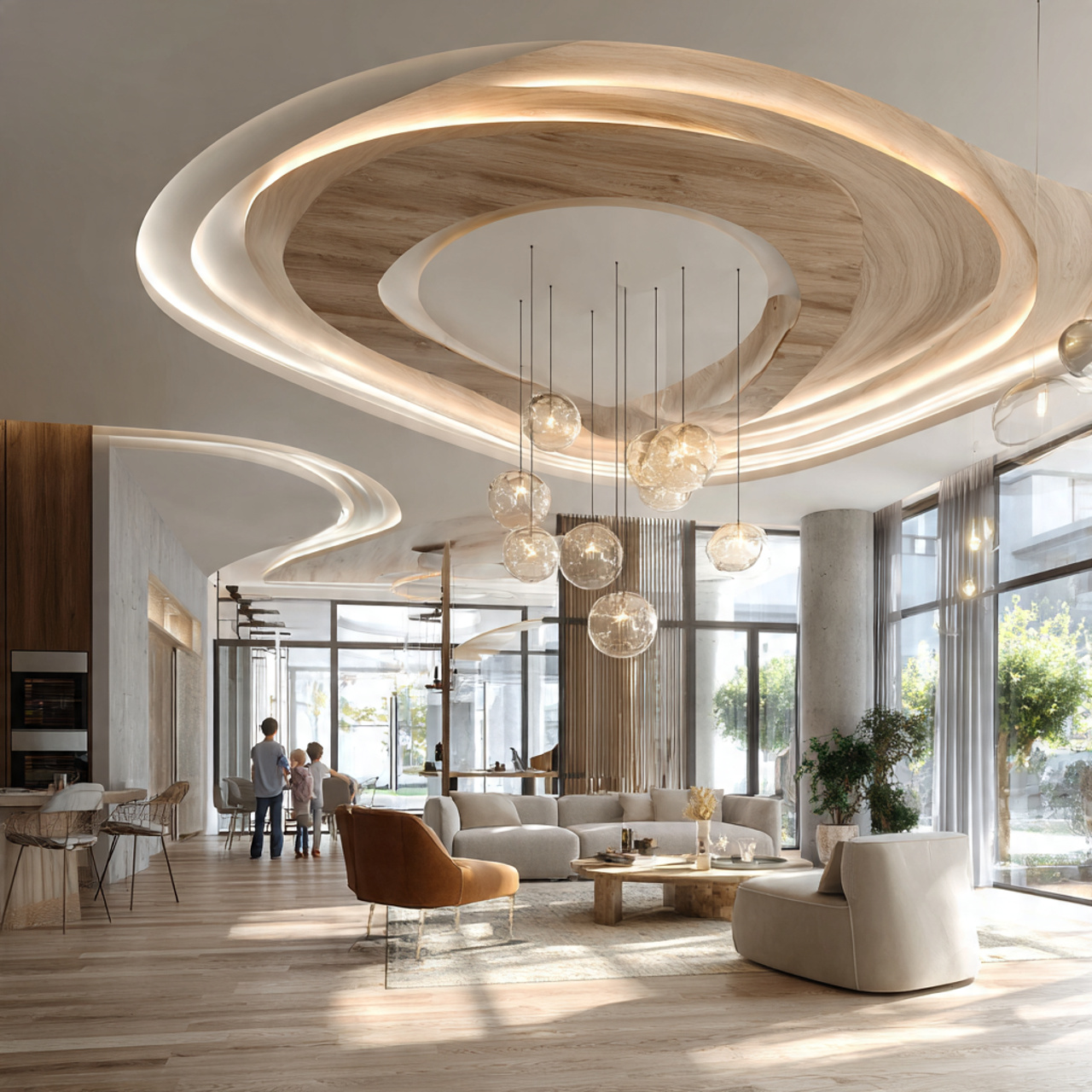
A layered circular arrangement creates a sense of movement and rhythm that draws the eye directly to the center of a room. By stacking concentric rings of different diameters, you achieve a three-dimensional effect that adds significant character to a living room or grand entryway. This concept works beautifully when paired with a central light fixture that anchors the entire composition.
The soft curves of the circular layers help to break up the harsh straight lines often found in standard room architecture. This approach brings a feeling of harmony and organic flow to the ceiling, making the space feel more inviting and less clinical. It is a fantastic way to introduce a sense of grandeur without overwhelming the existing furniture or decor.
Geometric Honeycomb Wall Idea
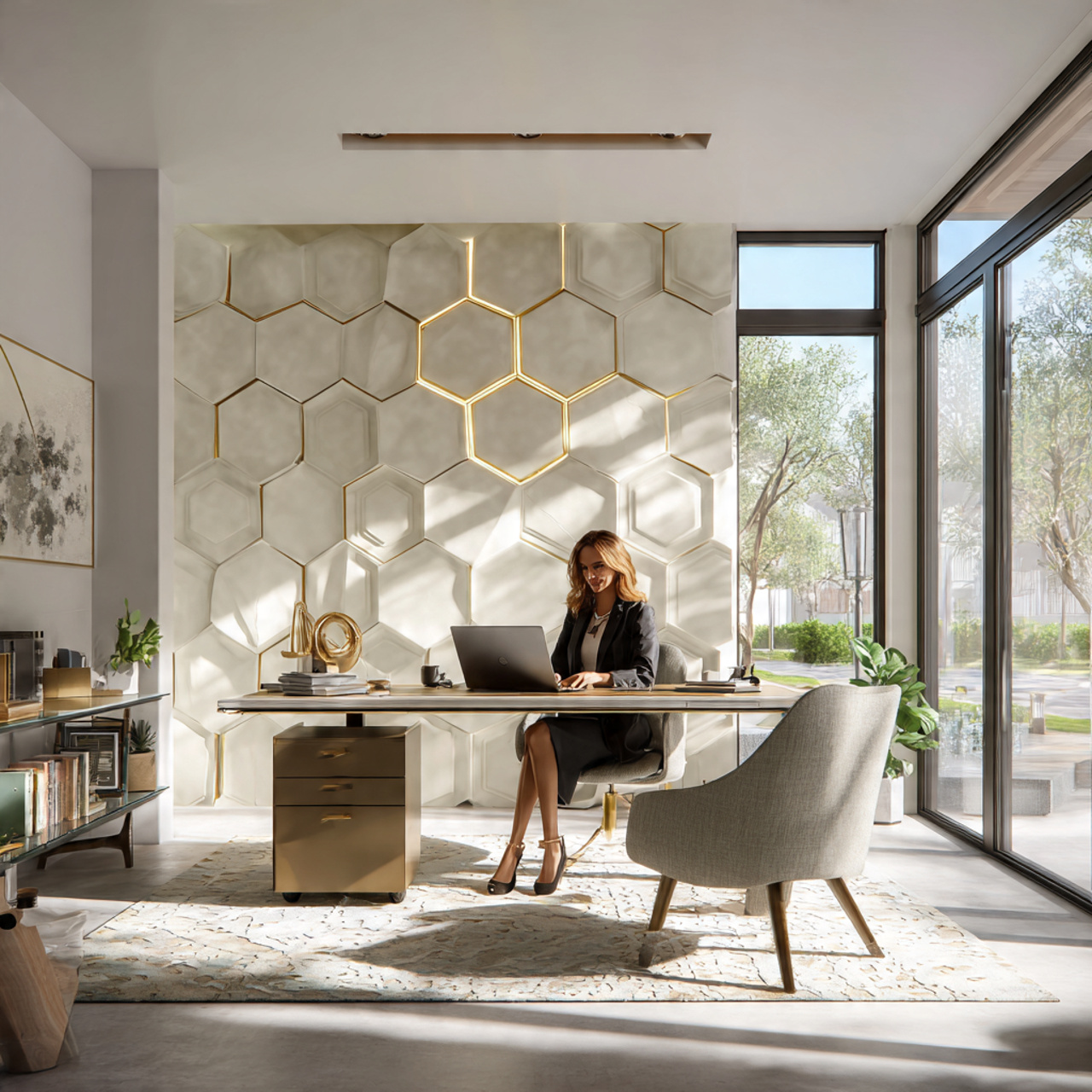
The honeycomb pattern is a striking way to introduce a modern, systematic aesthetic to a primary accent wall. These interlocking hexagonal shapes create a repetitive texture that looks both sophisticated and high-tech, especially when the edges are crisp and well-defined. This idea is perfect for a home office or a media room where you want a backdrop that feels structured and visually stimulating.
To make this concept truly pop, you can experiment with varying depths for each hexagonal cell to create a shadow-box effect. This creates a play of light that changes throughout the day as natural sunlight moves across the room. It is a bold choice for those who appreciate the intersection of mathematical precision and interior artistry.
Recessed Cove Lighting Idea
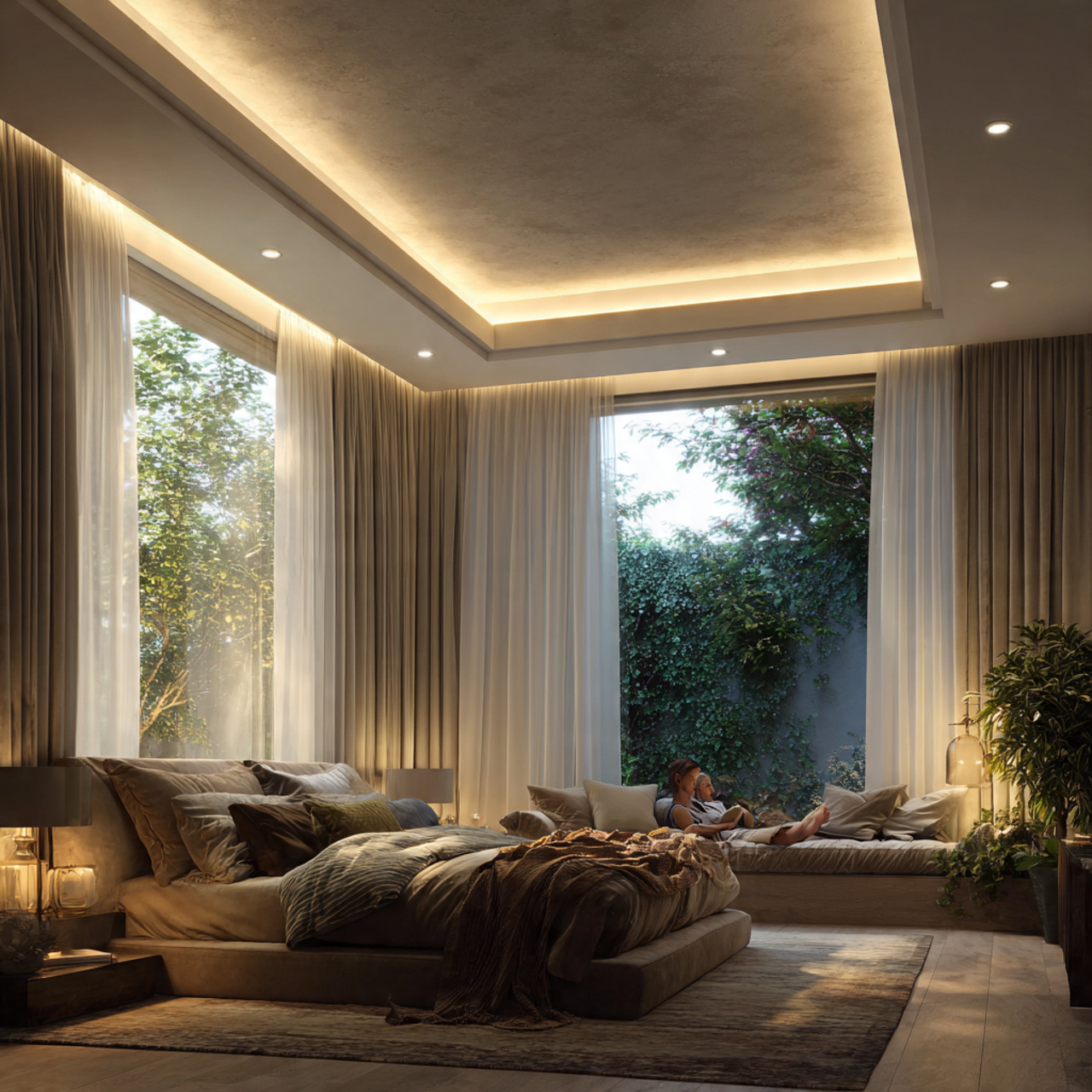
Recessed cove lighting is one of the most elegant ways to provide soft, ambient illumination while hiding the actual light source. This idea involves creating a hidden ledge along the perimeter of the ceiling where LED strips can be tucked away out of sight. The result is a gentle glow that washes over the ceiling, making the room feel larger and much more atmospheric.
This concept is particularly effective in bedrooms and relaxation areas where harsh, direct light might be unwelcome. By focusing on the reflection of light rather than the bulb itself, you create a serene environment that highlights the smoothness of the plasterwork. It is a staple of luxury interior styling that remains timeless due to its clean and functional nature.
Minimalist Parallel Groove Idea
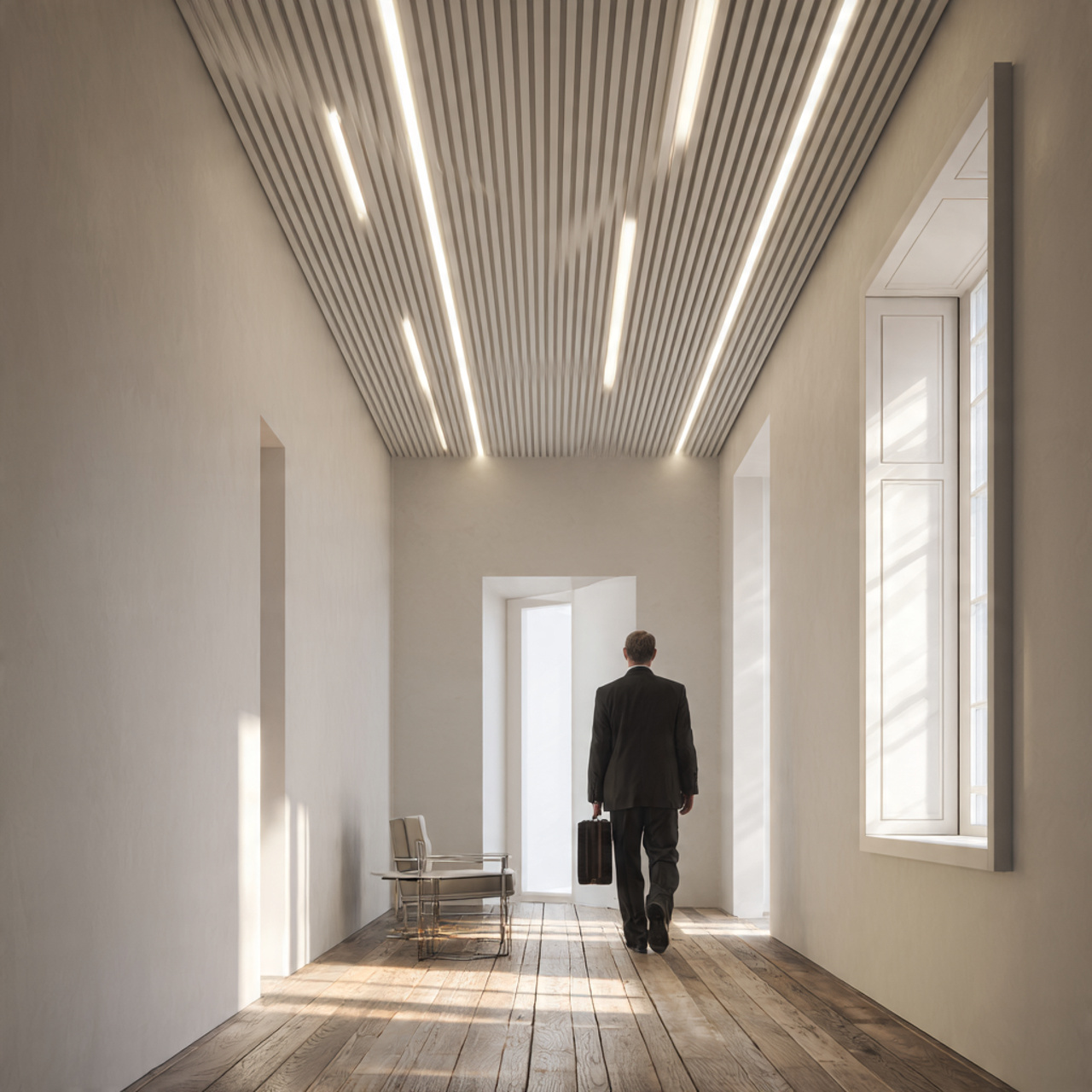
Minimalism often finds its greatest strength in simple repetition, and the parallel groove concept is a prime example of this philosophy. By carving thin, precise lines into a flat plaster surface, you create a subtle texture that adds interest without creating visual clutter. These grooves can run the entire length of a hallway or act as a subtle frame for a dining area.
The beauty of this idea lies in its restraint and the way it guides the viewer’s gaze along the length of the room. It provides a contemporary edge that complements modern furniture and open-floor plans perfectly. This is an ideal solution for homeowners who want to avoid ornate details but still desire a custom, high-end finish on their surfaces.
Floral Petal Medallion Idea
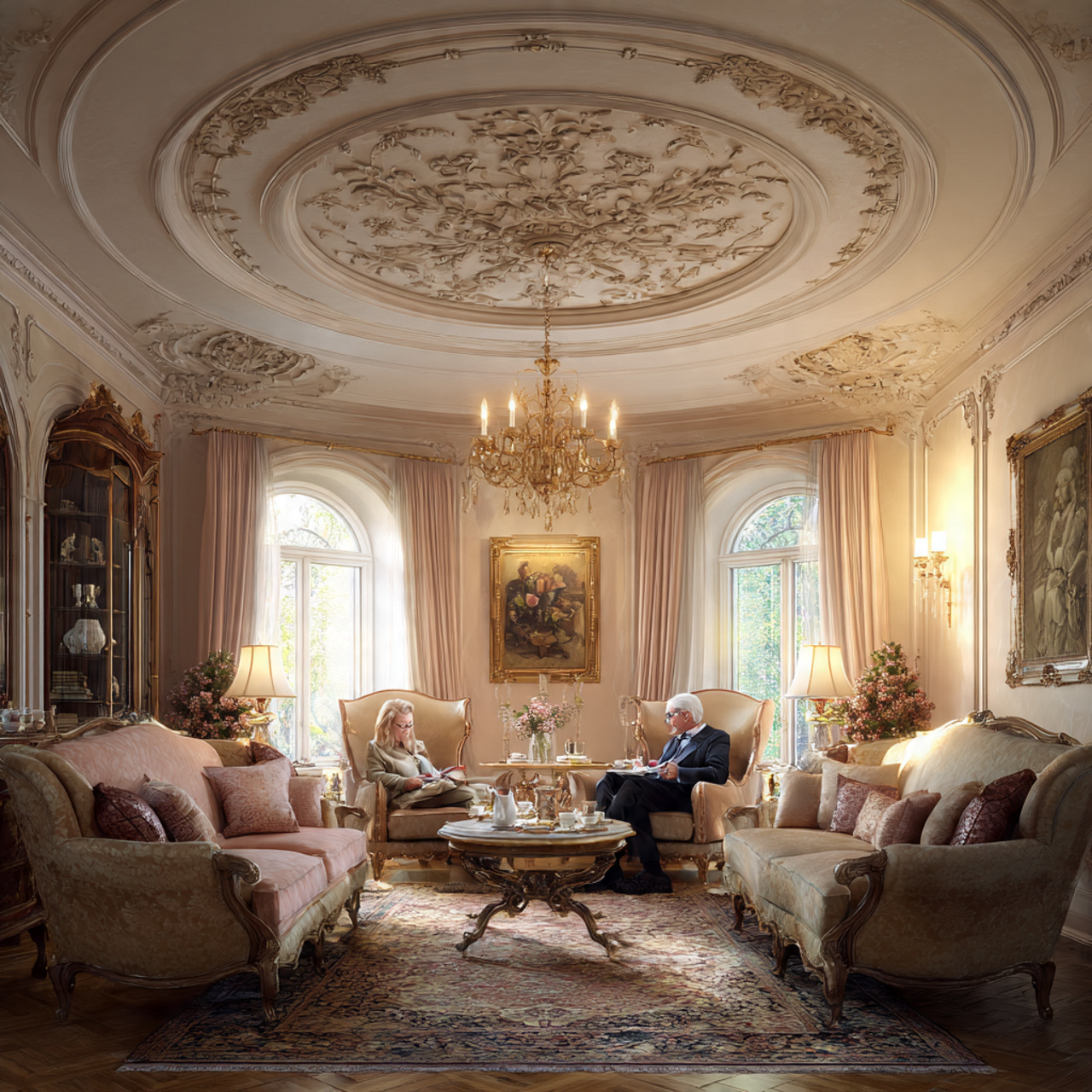
A floral petal medallion brings a touch of nature-inspired beauty to the ceiling, often acting as a centerpiece for a chandelier. The delicate curves of the petals can be sculpted with varying degrees of detail, ranging from soft undulations to sharp, defined edges. This idea adds a romantic and traditional flair to master bedrooms or formal sitting rooms.
The organic shapes found in floral designs contrast beautifully with the rigid corners of a standard room, providing a much-needed visual break. This concept allows for a great deal of artistic expression, as each petal can be customized in size and orientation. It remains a popular choice for those looking to infuse their home with a classic, handcrafted feel.
Abstract Asymmetrical Tray Idea
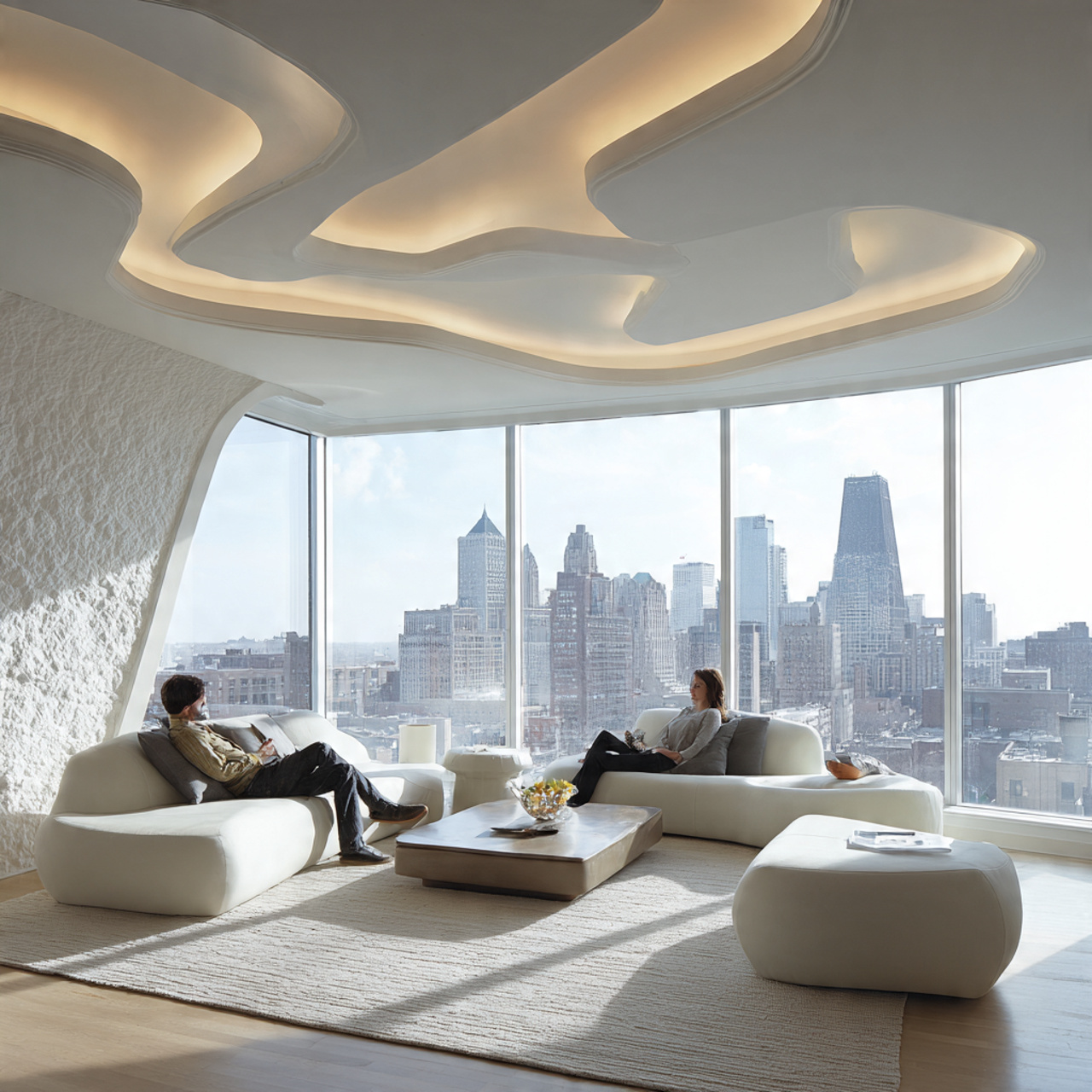
Breaking away from traditional symmetry can lead to some of the most exciting and dynamic interior features available today. An abstract asymmetrical tray involves creating recessed sections that do not follow a standard grid or centered layout. This creates a modern, edgy look that works exceptionally well in homes with contemporary or eclectic themes.
The lack of a central focal point encourages the eye to wander across the entire ceiling, discovering new angles and shadows at every turn. This idea is particularly effective in large, open-plan spaces where you want to define different zones without using physical walls. It is a daring choice that showcases a commitment to unique, non-conforming aesthetics.
Coffered Grid Pattern Idea
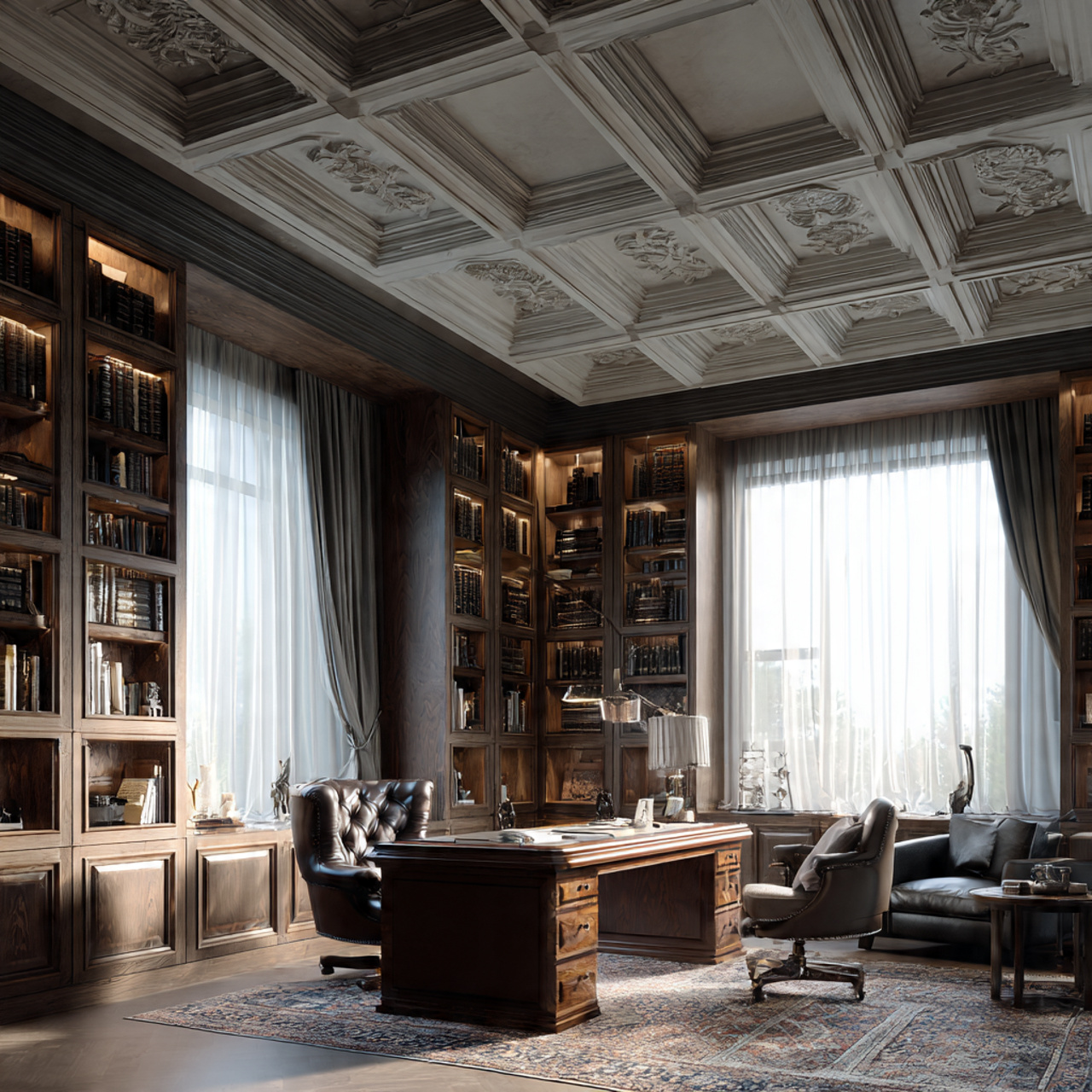
The coffered grid is a classic architectural element that has been reimagined for modern homes using lightweight plaster materials. This idea consists of a series of sunken panels organized in a precise grid, creating a sense of depth and structural integrity. It is an excellent way to add a masculine, library-like feel to a study or a formal dining area.
While traditionally made of wood, the plaster version of the coffered ceiling allows for smoother transitions and a more integrated look with the walls. The grid can be made as deep or as shallow as the ceiling height allows, making it a versatile option for various room sizes. This concept exudes a sense of permanence and sophistication that never goes out of style.
Floating Island Panel Idea
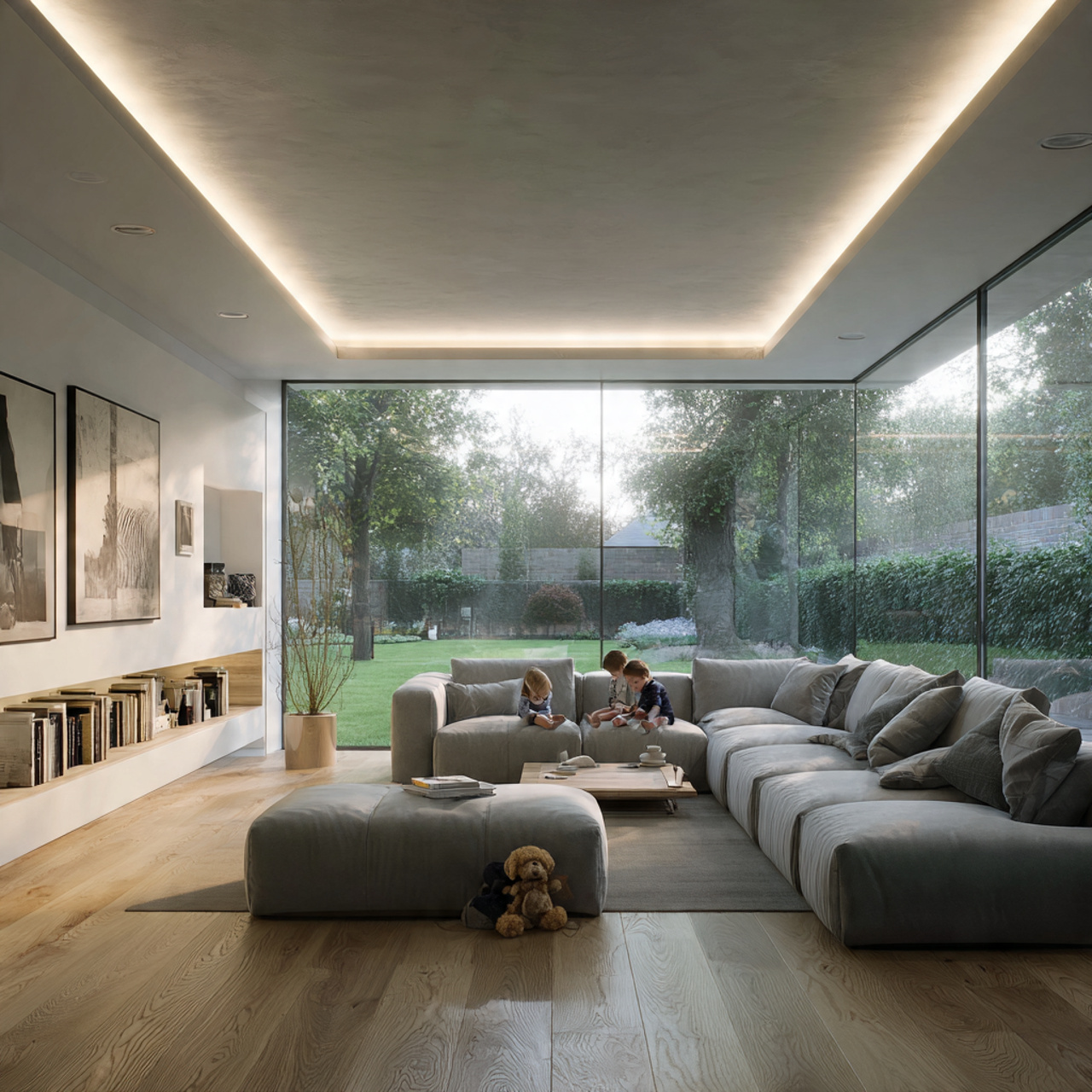
A floating island panel is a suspended section of plaster that sits slightly below the main ceiling level, creating a gap around its edges. This gap is often used to house hidden lighting, which makes the panel appear as though it is hovering in mid-air. This idea is a favorite for modern living rooms because it adds a dramatic layer of architectural interest.
The floating effect creates a powerful focal point that can be used to highlight specific areas, such as a seating group or a kitchen island. By playing with the height and scale of the island, you can manipulate the proportions of the room to feel more intimate or more expansive. It is a high-impact concept that instantly upgrades the perceived value of the property.
Victorian Scrollwork Border Idea
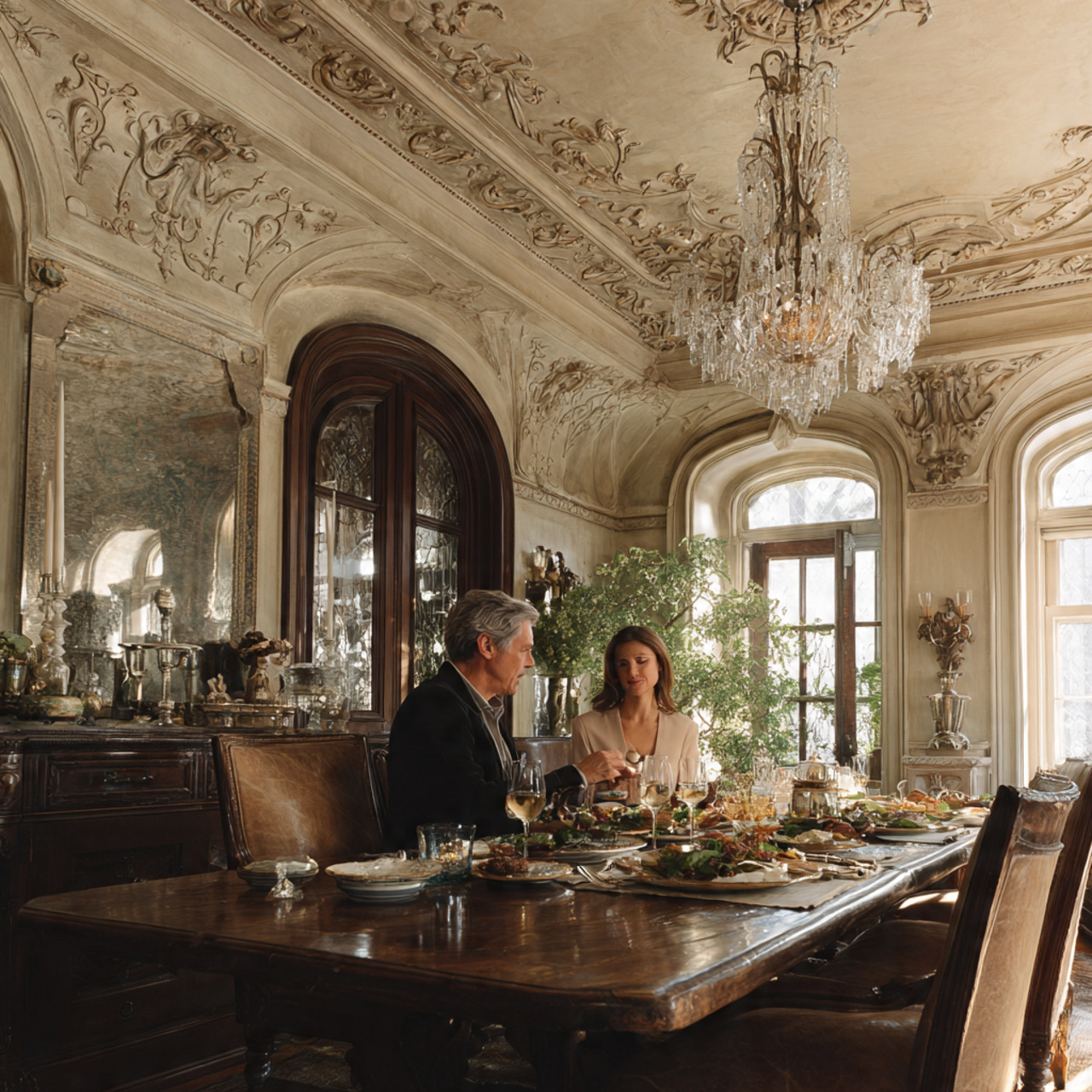
For those who love the intricate details of historic homes, the Victorian scrollwork border offers a way to bring that elegance into a modern setting. This idea involves detailed plaster moldings that feature swirls, leaves, and other ornate motifs along the junction of the wall and ceiling. It adds a layer of heritage and craftsmanship that feels both grand and nostalgic.
Even in a house with modern furniture, a decorative border can provide a beautiful contrast that makes the space feel more curated and historical. This concept is best used in rooms with higher ceilings where the detail can be appreciated from a distance without feeling cramped. It is a celebration of the artisan’s skill and the timeless appeal of classical ornamentation.
Modern Vaulted Arch Idea
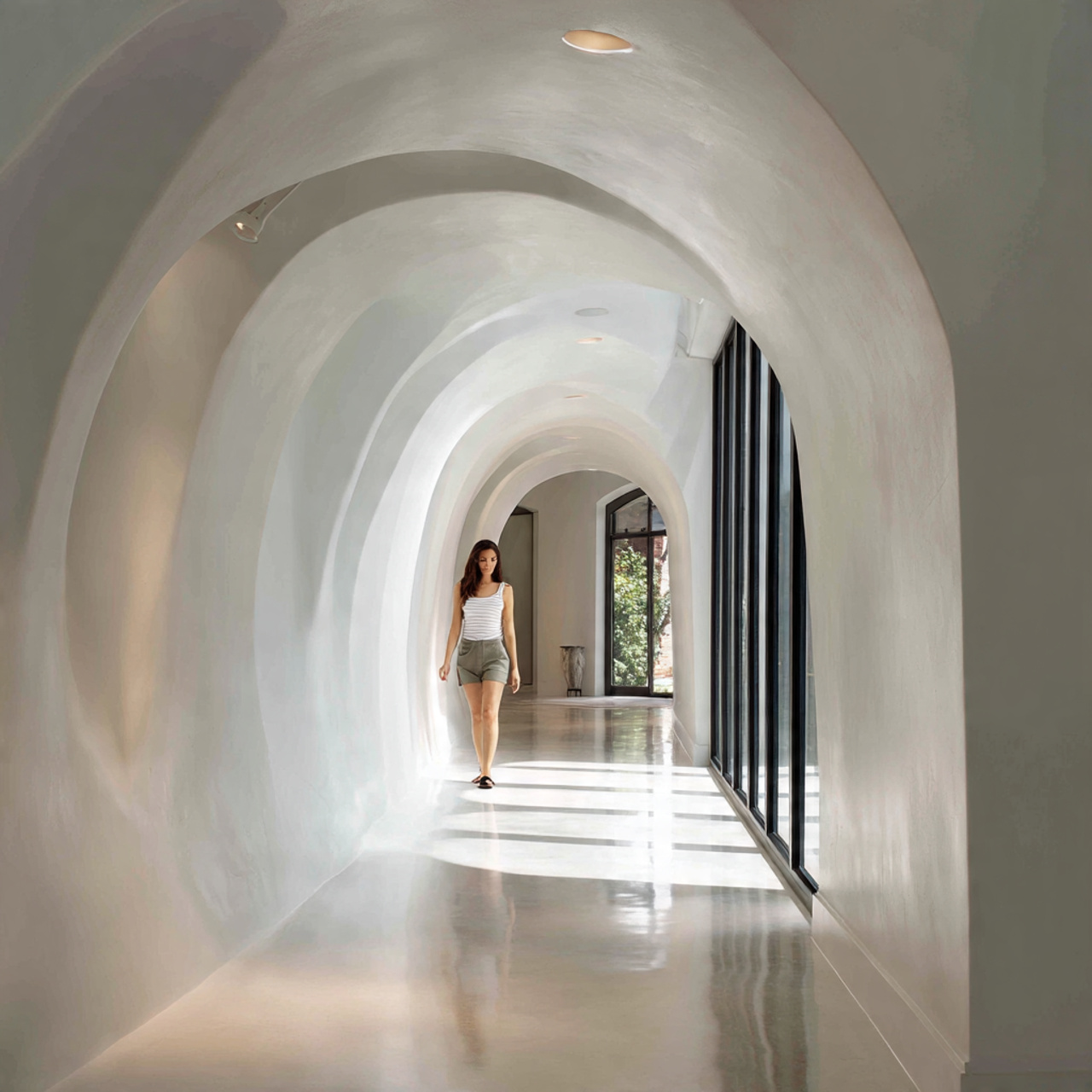
A modern vaulted arch can turn a standard hallway or a transition space into a breathtaking passage. By using plaster to create smooth, sweeping curves that rise toward the center, you mimic the grand architecture of cathedrals and ancient galleries. This idea adds a sense of verticality and volume that can make even a narrow corridor feel significant.
The lack of sharp corners in an arched design creates a softer, more fluid environment that feels incredibly peaceful. When finished with a smooth, high-quality plaster, the arch catches light in a way that highlights the perfection of its form. It is a sophisticated way to handle transitions between different areas of the home.
Concentric Square Framing Idea
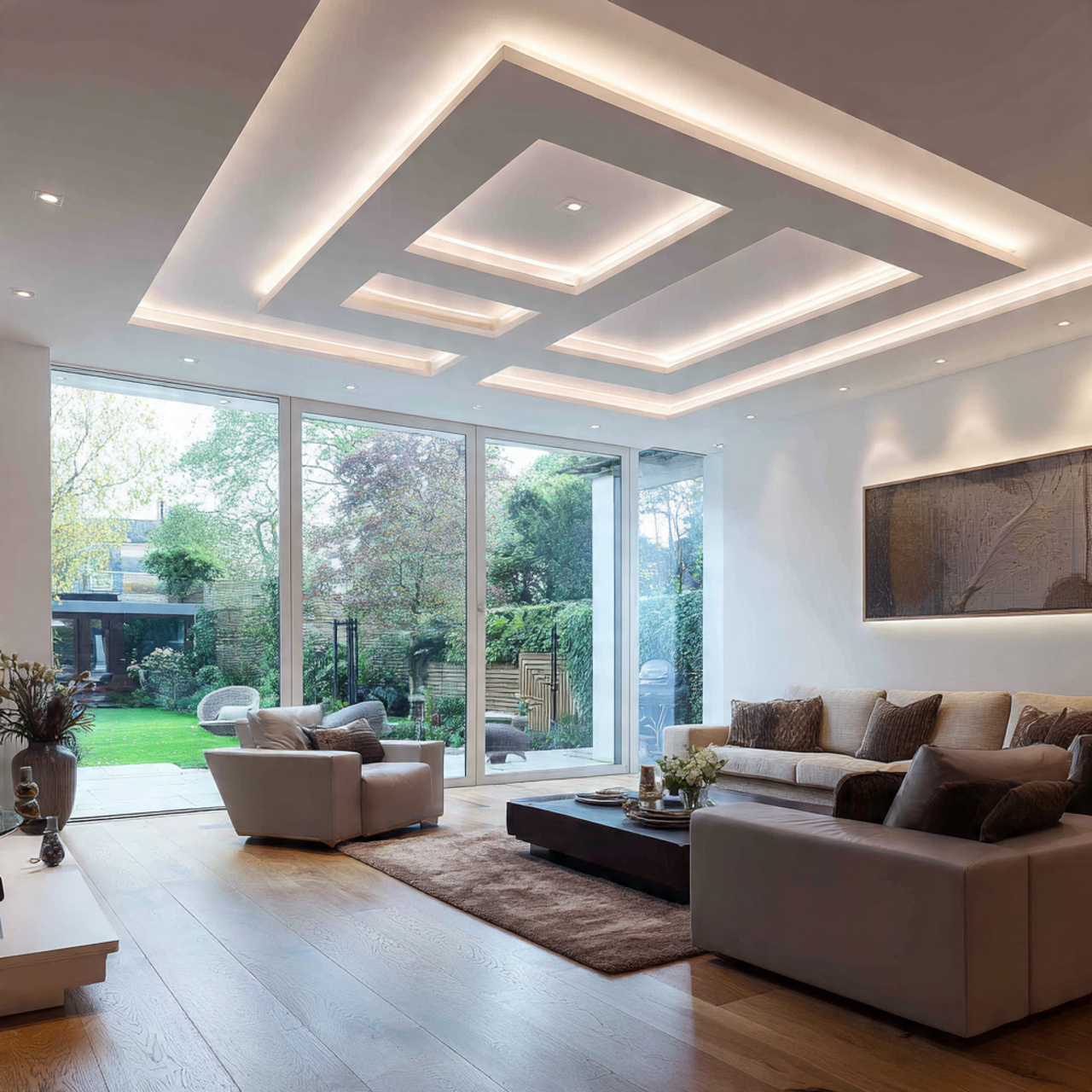
Concentric squares offer a structured and balanced way to add depth to a ceiling, particularly in square or rectangular rooms. This idea involves nesting multiple square frames within each other, with each layer either recessed or protruding further than the last. The result is a clean, geometric look that emphasizes the architectural lines of the space.
This framing technique is highly effective at centering a room and providing a sense of order and stability. It works well with both modern and transitional decor styles, offering a versatile backdrop that doesn’t compete with other design elements. By varying the thickness of the frames, you can create a look that is either bold and chunky or thin and delicate.
Sunburst Central Feature Idea
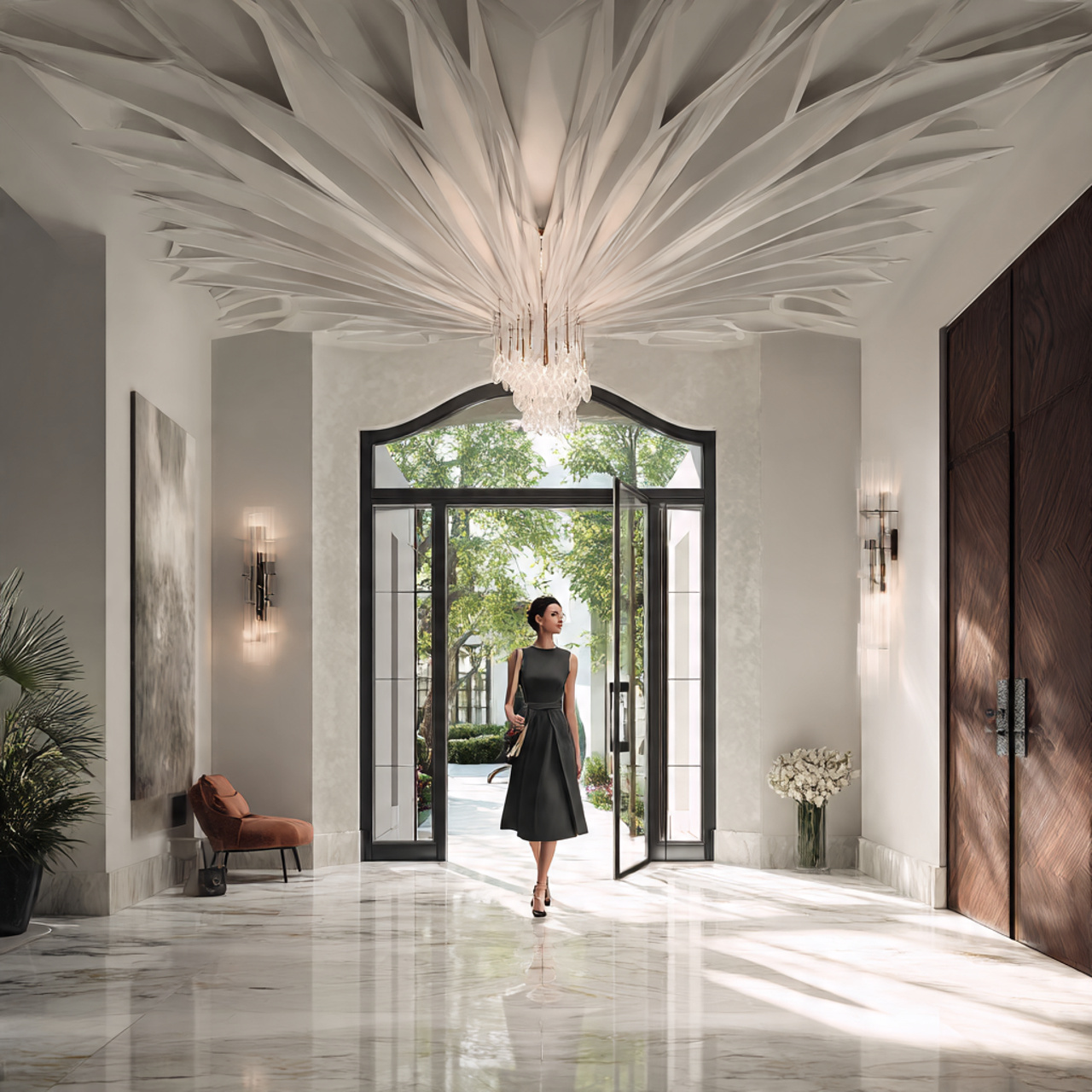
The sunburst feature is a high-energy design that radiates outward from a central point, usually where a light fixture is located. Thin lines or “rays” of plaster are applied to the ceiling to create a sense of expansion and brilliance. This idea is perfect for foyers or dining rooms where you want to make a strong first impression on guests.
The radial symmetry of a sunburst creates a natural sense of balance and focus within a room. Depending on the length and width of the rays, the effect can be subtle and texture-based or sharp and dramatic. It is a wonderful way to celebrate light and movement within a static architectural element.
Moroccan Lattice Texture Idea
Inspired by traditional Middle Eastern architecture, the Moroccan lattice texture brings a global, exotic feel to any interior surface. This idea uses plaster to create a repetitive, interlocking pattern of stars and geometric shapes across a wall or ceiling. The complexity of the pattern provides a rich visual tapestry that adds warmth and culture to the space.
This concept is particularly effective when used on an accent wall behind a bed or in a dedicated meditation or lounge area. The intricate shadows cast by the lattice pattern create a cozy and secluded atmosphere that feels far away from the outside world. It is a beautiful example of how cultural heritage can be translated into modern home design.
Double Step Tray Idea
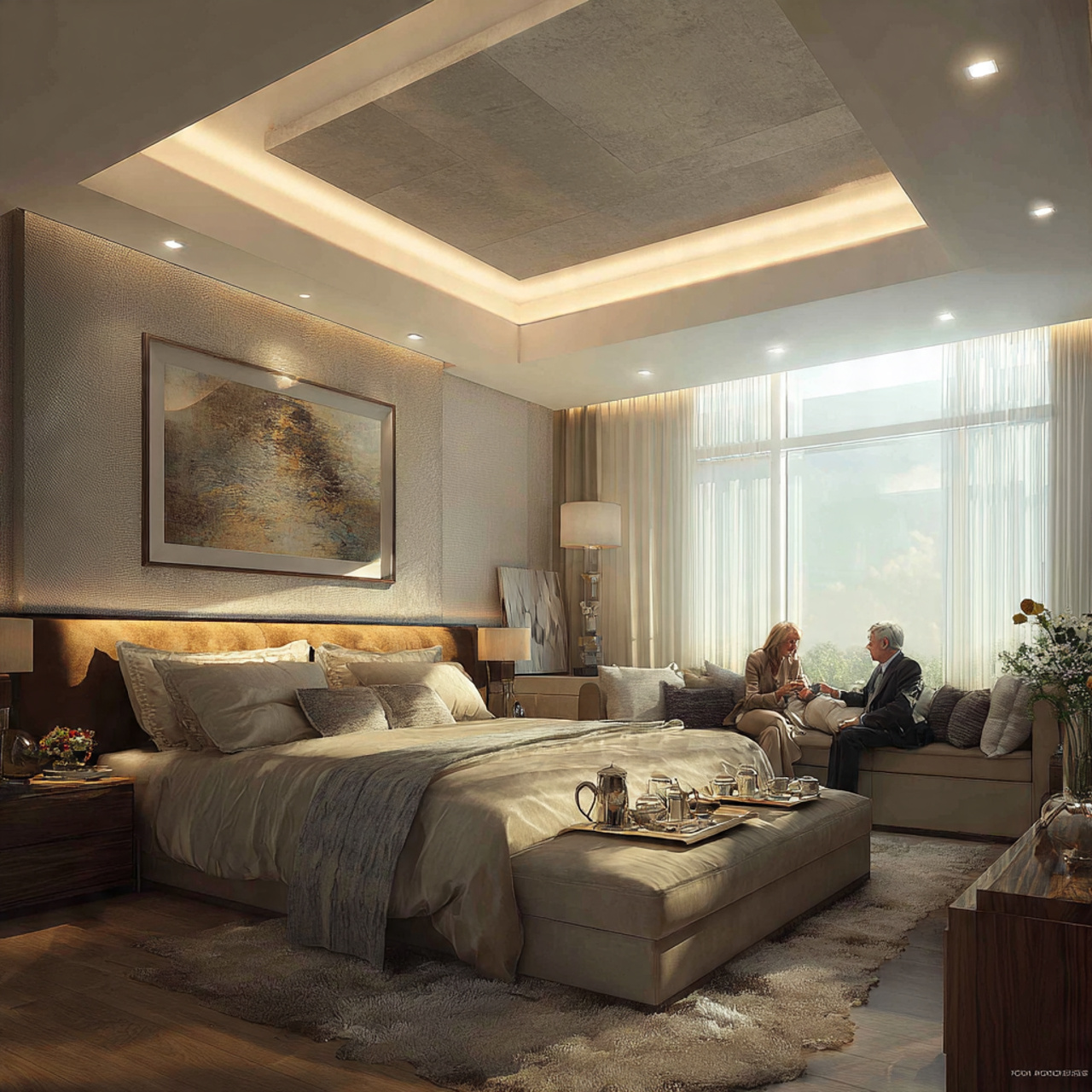
A double step tray ceiling is a refined variation of the standard tray design, offering two distinct levels of recession instead of one. This added step creates more surface area for shadows and highlights, making the ceiling appear much deeper and more ornate than it actually is. This idea is a staple in luxury master suites and formal entertaining spaces.
The double step provides an excellent opportunity to experiment with different shades of paint or subtle textures on each level. It creates a highly structured and “finished” look that elevates the entire room’s aesthetic. This is a practical and popular choice for adding architectural value without needing excessively high ceilings.
Curved Wave Ceiling Idea
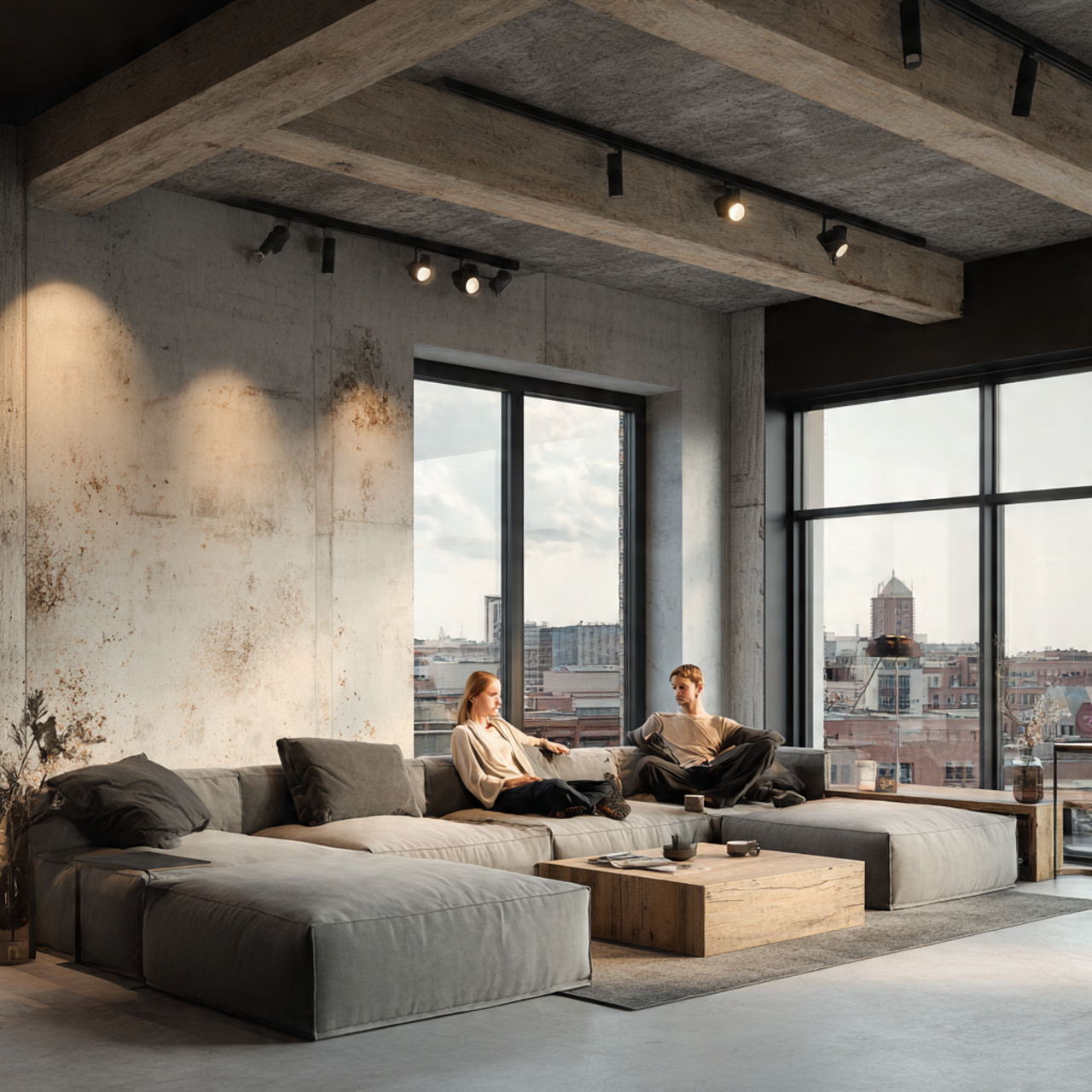
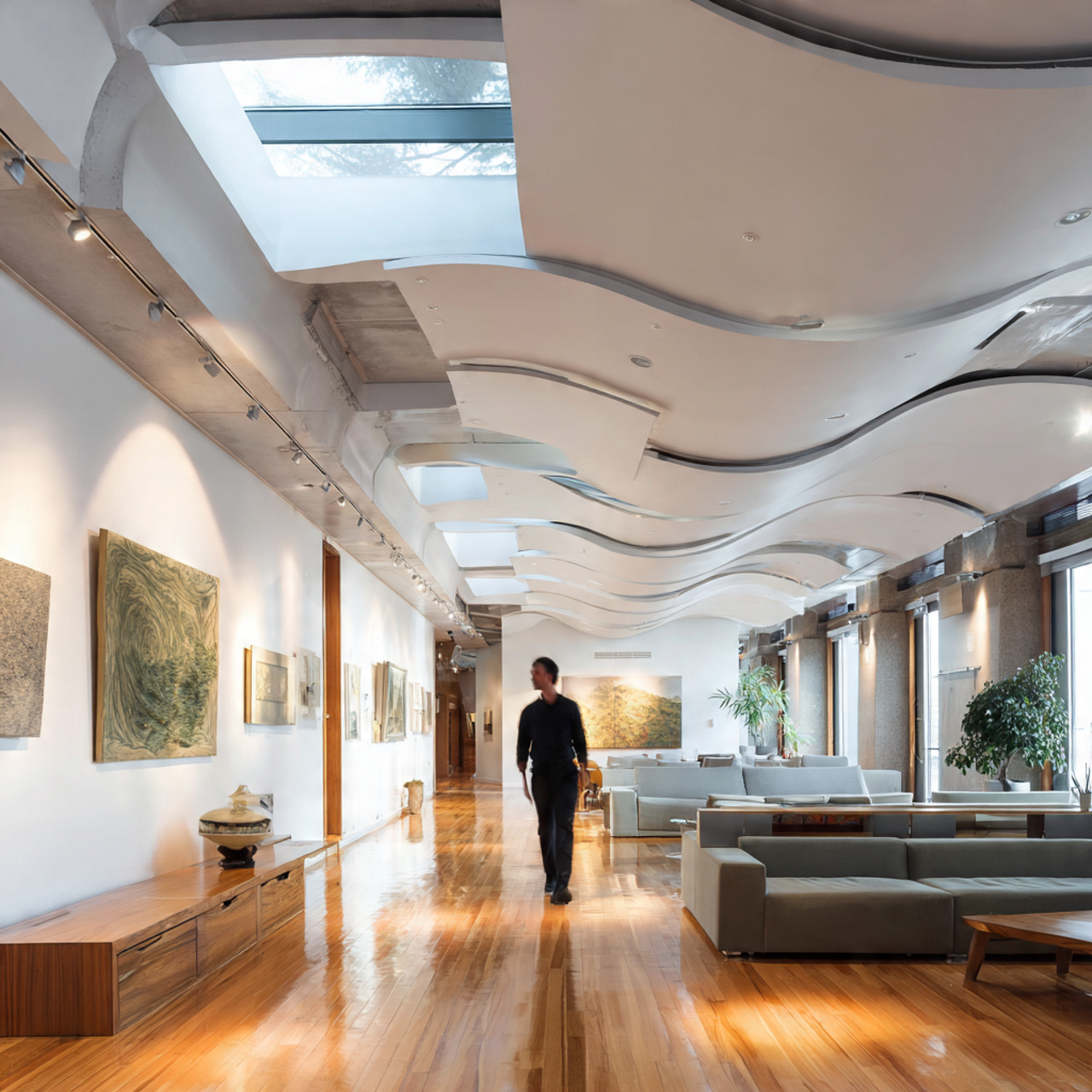
The curved wave idea introduces a sense of liquid movement to a flat ceiling, using plaster to create gentle undulations across the surface. This concept is inspired by the natural flow of water or sand dunes, making it a perfect fit for homes with a coastal or organic theme. It is a highly specialized look that requires a high level of skill to execute perfectly.
Because the human eye is naturally drawn to curves, a wave-patterned ceiling can make a room feel more dynamic and less rigid. This idea works exceptionally well in long rooms, such as galleries or large living areas, where the waves can stretch out and create a sense of continuity. It is a true statement piece that showcases the artistic potential of modern materials.
Industrial Exposed Beam Idea
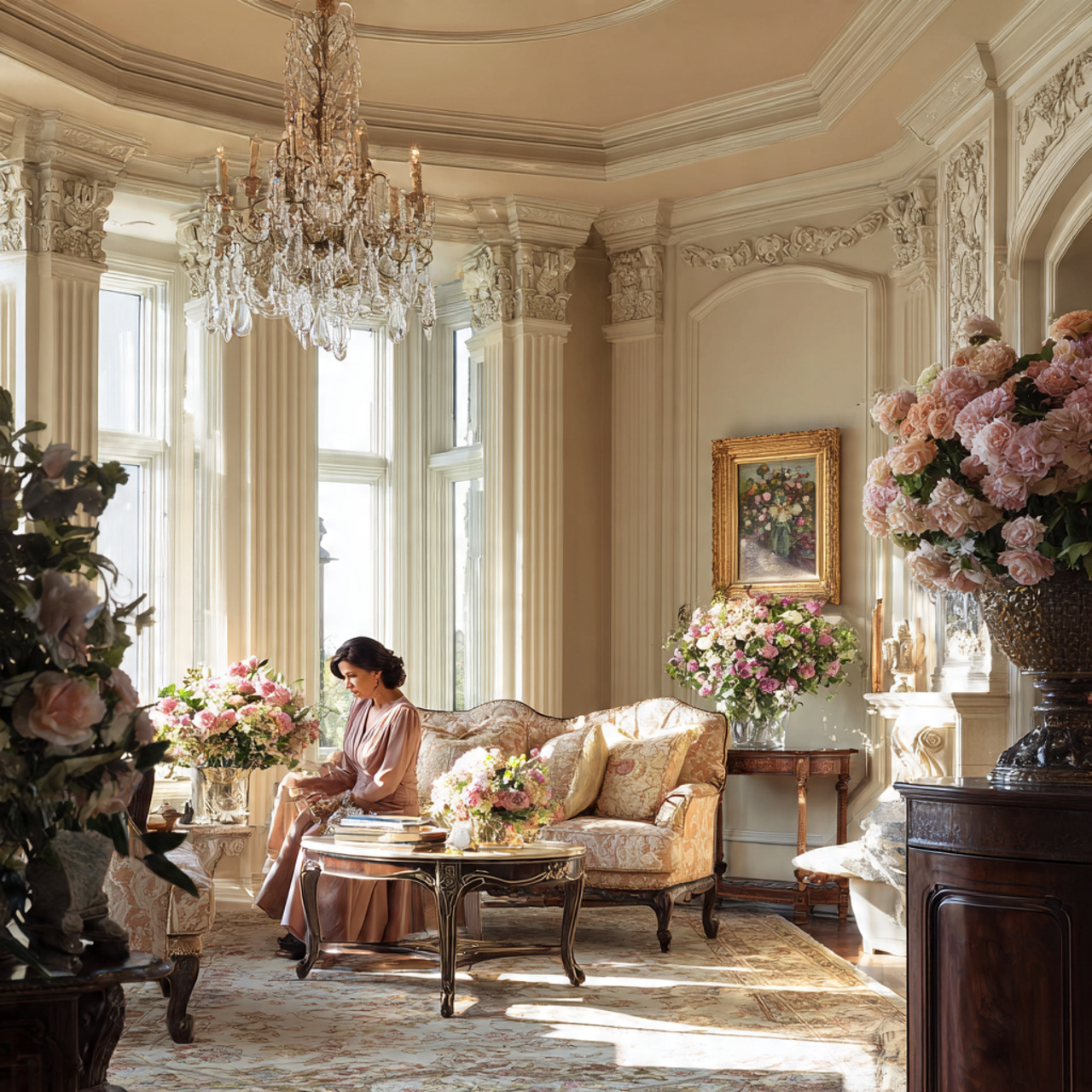
While many people think of wood when they hear “beams,” plaster can be used to create realistic, clean-lined beam structures for an industrial look. This idea involves creating thick, rectangular box sections across the ceiling to mimic the look of structural support. It adds a rugged, architectural feel to a space, making it perfect for lofts or modern urban homes.
The advantage of using plaster for beams is the ability to achieve a perfectly smooth, seamless finish that can be painted to match any color scheme. These “beams” can also be used to hide wiring or plumbing, making them as functional as they are decorative. This concept provides a sense of strength and character to any large, open room.
Ornate Corner Molding Idea
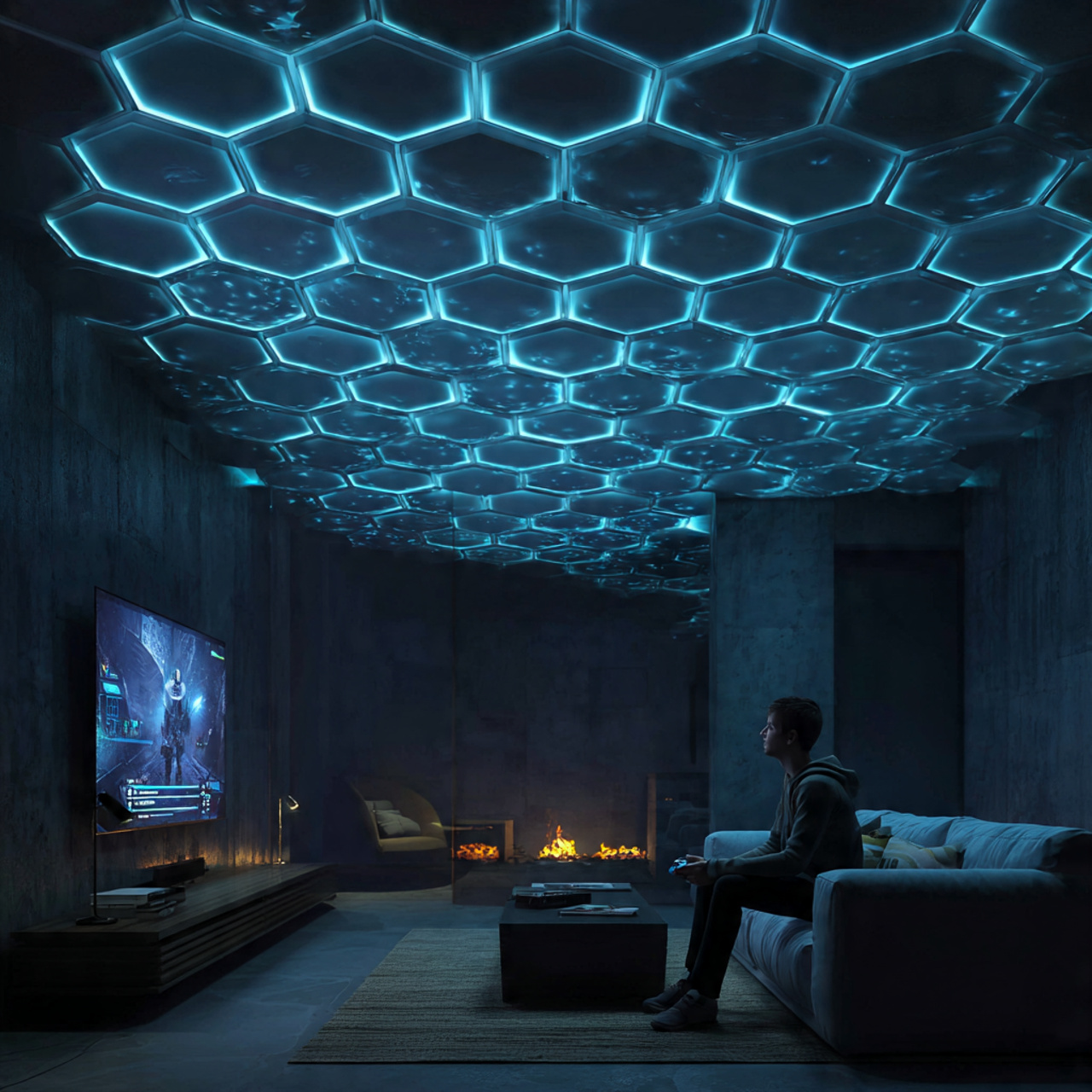
Sometimes the most effective design changes are found in the corners of a room rather than the center. Ornate corner molding involves applying highly detailed plaster accents to the four corners where the walls and ceiling meet. This idea draws the eye upward and emphasizes the height of the room while adding a touch of classic elegance.
This approach is perfect for those who want a more traditional look but don’t want to commit to a full-ceiling installation. The corner pieces can be as simple or as complex as you like, ranging from basic floral motifs to elaborate sculptural elements. It is a sophisticated way to add a “finished” feel to any room in the house.
Futuristic Hexagonal Overlay Idea
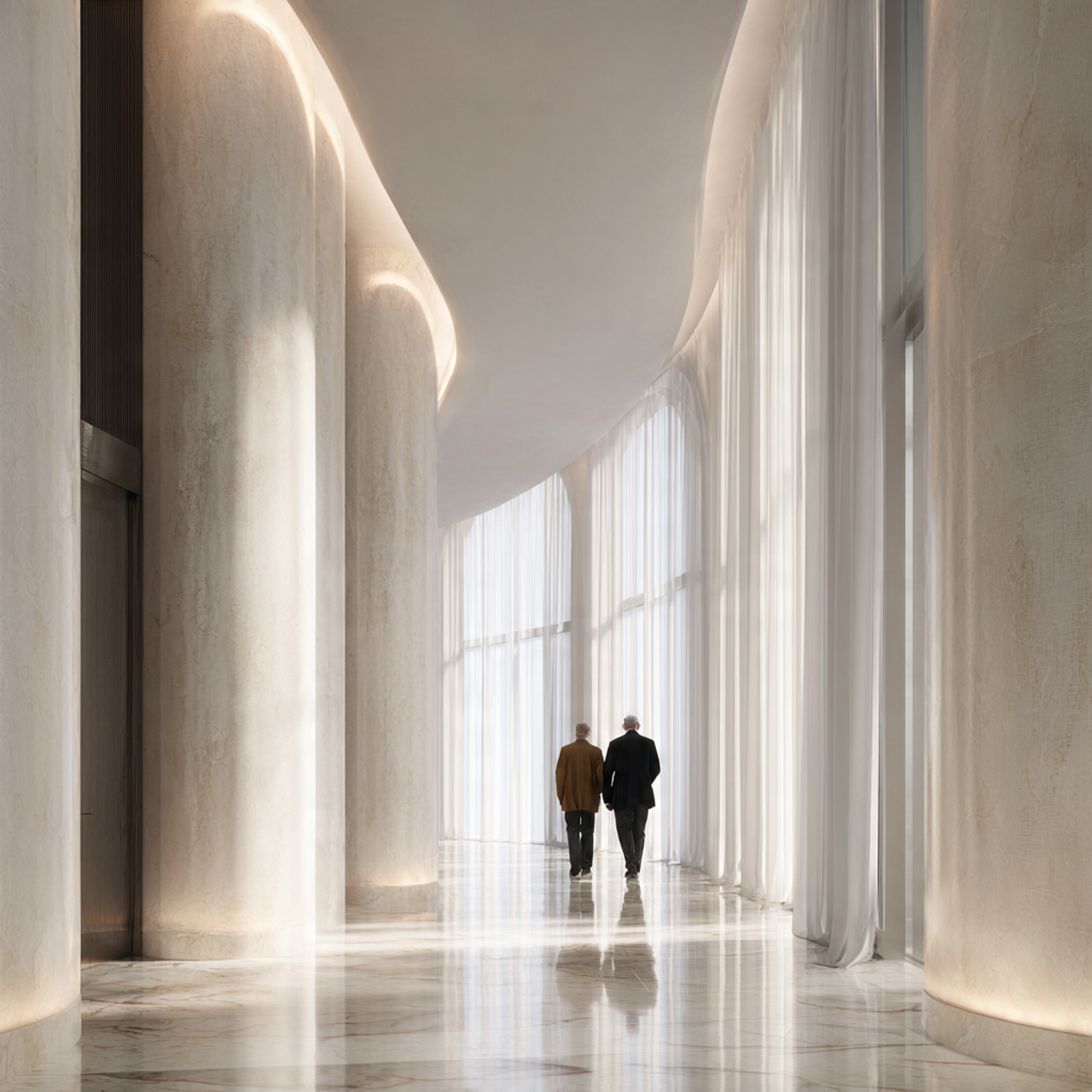
The hexagonal overlay is a cutting-edge design choice that brings a sci-fi or high-tech aesthetic to a modern home. This idea involves placing a series of raised hexagonal panels across the ceiling, often in a clustered or honeycomb arrangement. This creates a textured, three-dimensional surface that looks incredibly futuristic and bold.
This concept is often enhanced by placing thin strips of light between the hexagons, emphasizing the geometric gaps and creating a glowing grid. It is an ideal choice for media rooms, gaming areas, or any space where you want to push the boundaries of conventional design. This idea is all about embracing the future of interior architecture.
Classic Roman Pillar Idea
Incorporating classic Roman-inspired pillars into a room’s design adds a sense of timeless strength and historical weight. While these are often seen as separate structural elements, they can be integrated into the wall design using plaster to create semi-circular columns that protrude from the flat surface. This idea is perfect for creating a sense of grandeur in a large hallway or dining room.
The vertical lines of the pillars help to draw the eye upward, making the ceiling feel much higher than it actually is. When topped with decorative capitals, these pillars provide a level of architectural detail that is reminiscent of ancient palaces. It is a bold way to introduce classical proportions into a contemporary living space.
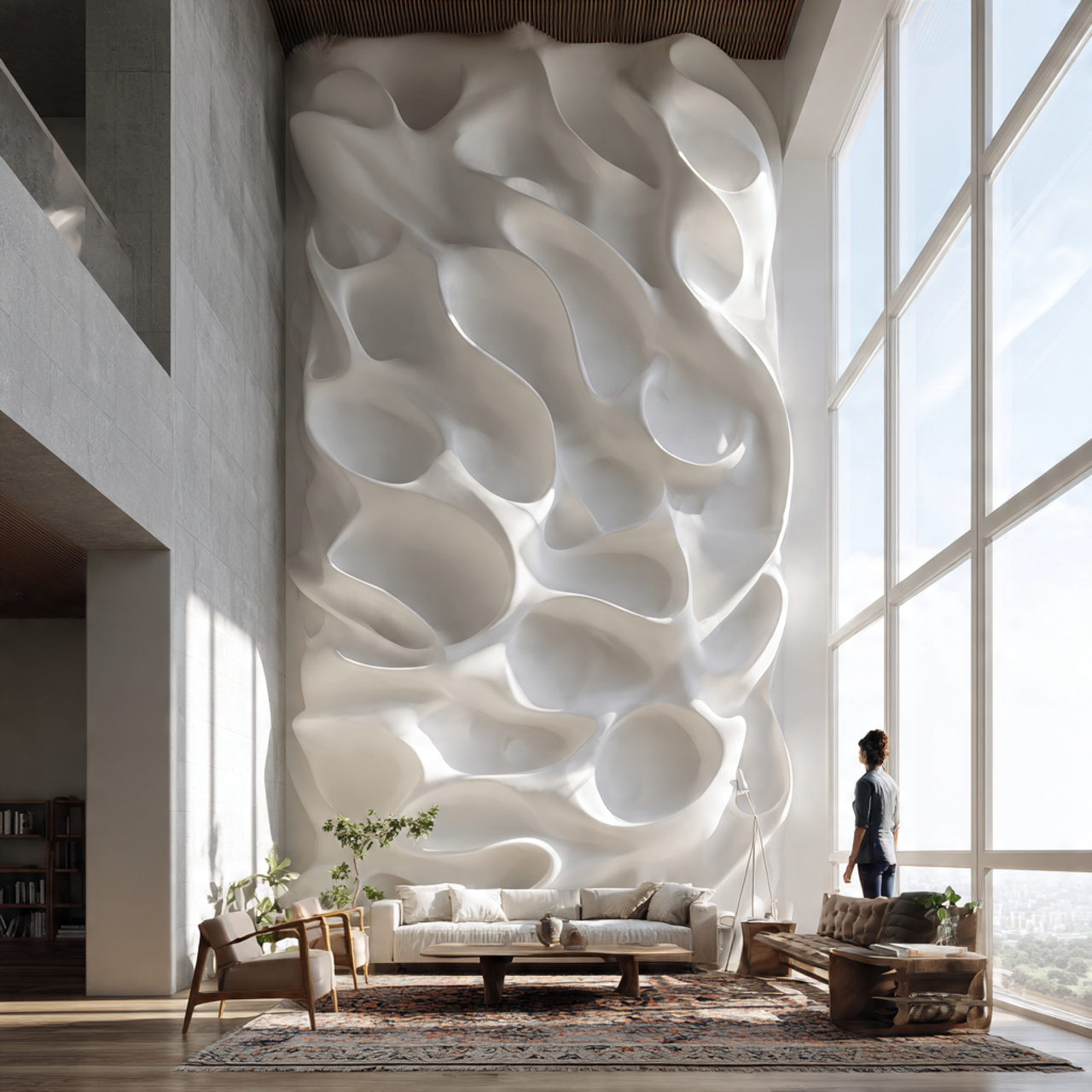
Artistic Sculpture Wall Idea
A plaster sculpture wall turns a standard partition into a unique work of art that is permanently integrated into the home. This idea involves creating organic, free-flowing shapes or sharp, geometric protrusions directly on the wall surface. Unlike a hung painting, this feature is part of the architecture itself, providing a sense of permanence and custom luxury.
This concept works best as a single accent wall in a room with relatively simple decor, allowing the sculpture to take center stage. The way light hits the various depths and angles of the plaster creates a shifting visual experience throughout the day. It is a high-level design choice for those who view their home as a personal gallery.
Visit Also: Pergola Ideas
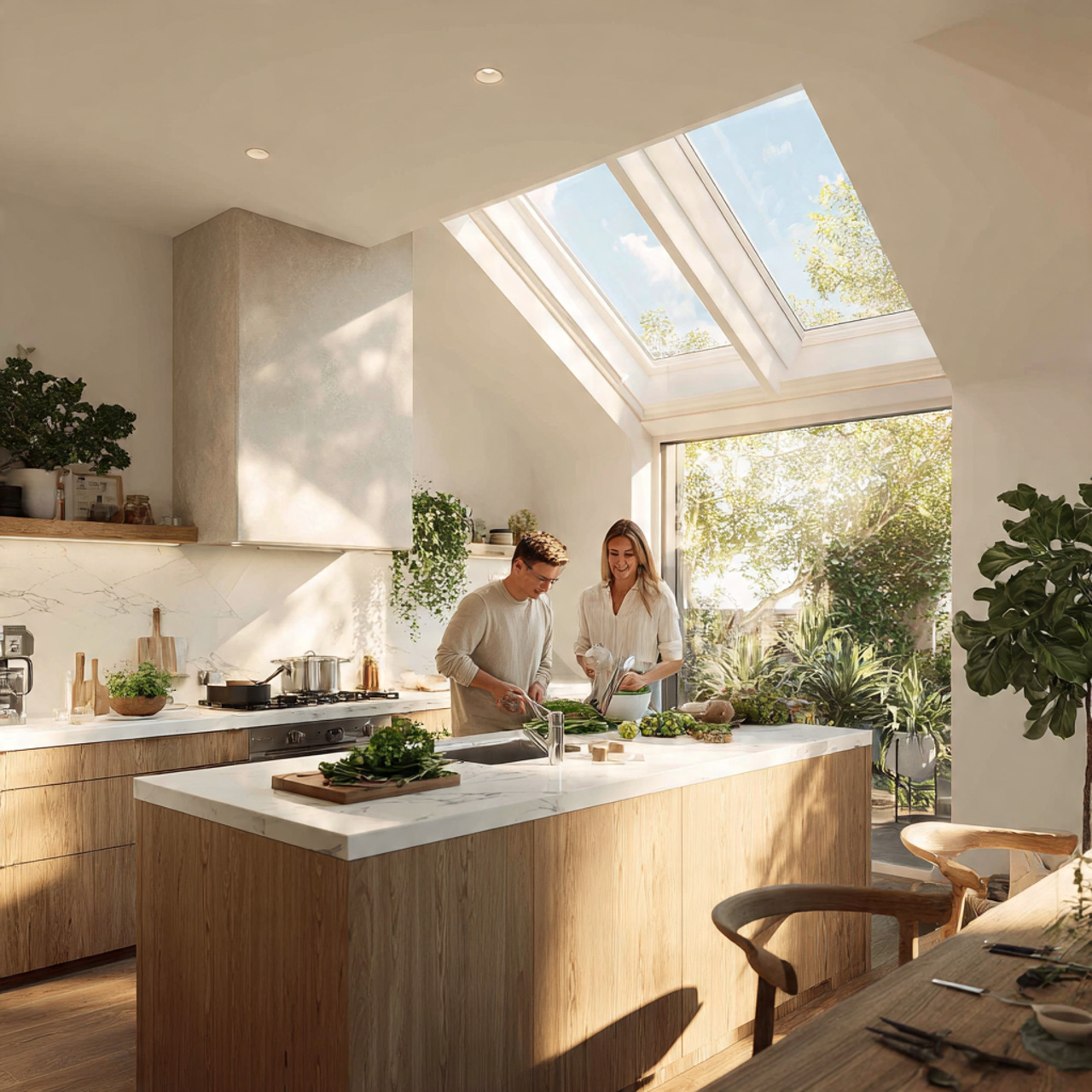
Slanted Skylight Surround Idea
For rooms with existing skylights, a custom plaster surround can turn a simple window into a major architectural feature. This idea involves creating slanted or angled planes that lead the eye from the ceiling up toward the light source. It helps to funnel natural light more effectively into the room while adding a modern, sculptural element to the ceiling.
The clean lines of the slanted surround create a crisp, contemporary look that frames the sky beautifully. This concept is particularly effective in kitchens or attic bedrooms where natural light is a primary focus. It is a practical way to combine functional lighting with high-end architectural design.
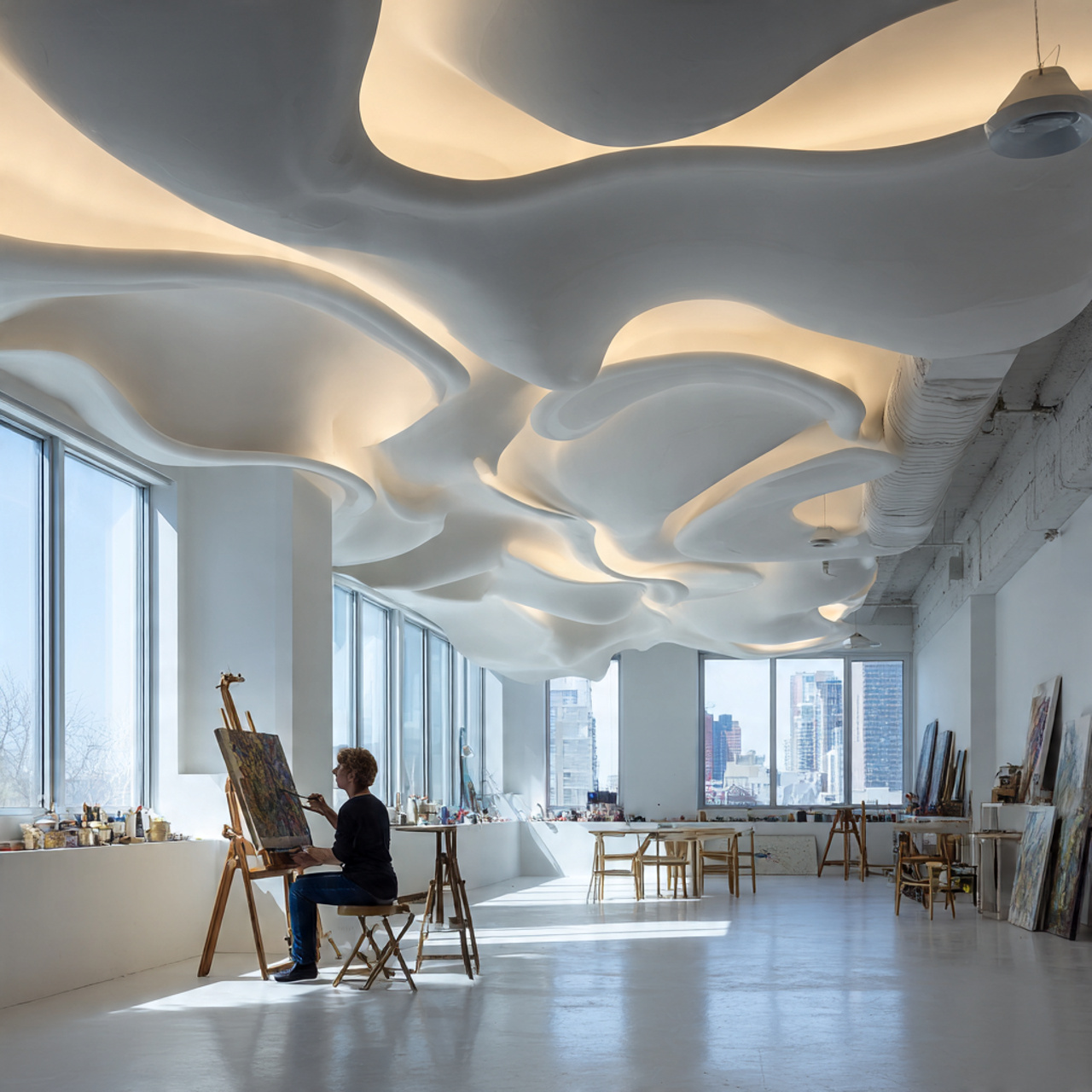
Tiers of Depth Idea
The tiers of depth concept uses multiple levels of recession and protrusion to create a complex, stepped effect across the ceiling. Each tier can be a different height or shape, leading to a highly textured and visually interesting surface. This idea is great for adding a sense of luxury and architectural complexity to a room without a single focal point.
By spreading the detail across the entire ceiling, you create a balanced look that makes the room feel unified and well-planned. This approach is often used in large commercial spaces, but it translates beautifully to high-end residential living rooms. It is a sophisticated way to handle large surface areas that might otherwise feel empty or boring.
Spiral Vortex Ceiling Idea
A spiral vortex is a truly unique and mesmerizing design that uses plaster to create a swirling motion starting from the center of the ceiling. The lines of the spiral can be deep and dramatic or soft and subtle, depending on the desired effect. This idea adds a powerful sense of energy and movement to a room, making it feel more alive.
The circular motion of the spiral is naturally calming and can help to center the energy of a room around a specific point. It is a fantastic choice for a creative studio, a child’s bedroom, or any space where you want to inspire imagination. This concept is a testament to the incredible flexibility and artistic potential of working with plaster.
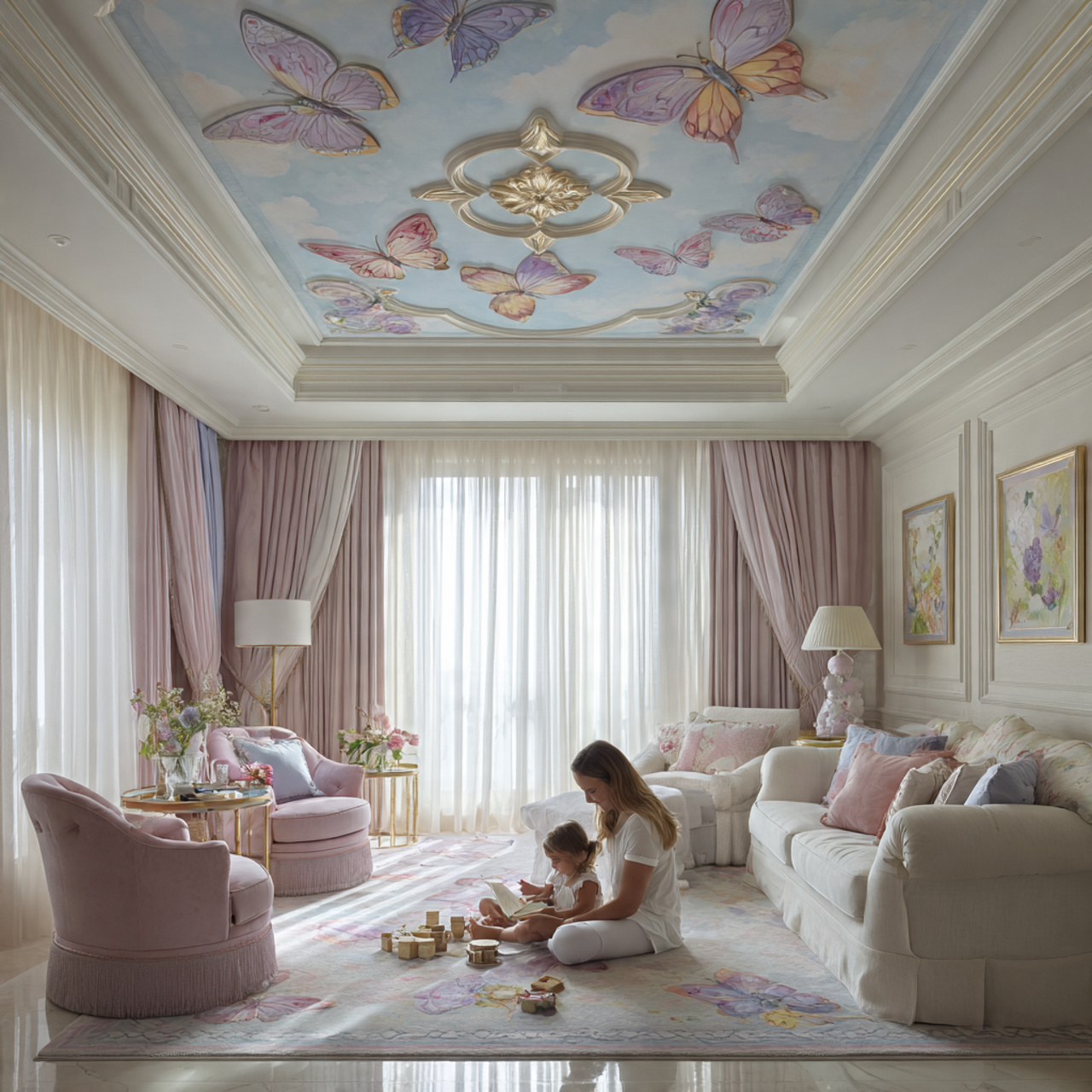
Symmetrical Butterfly Motif Idea
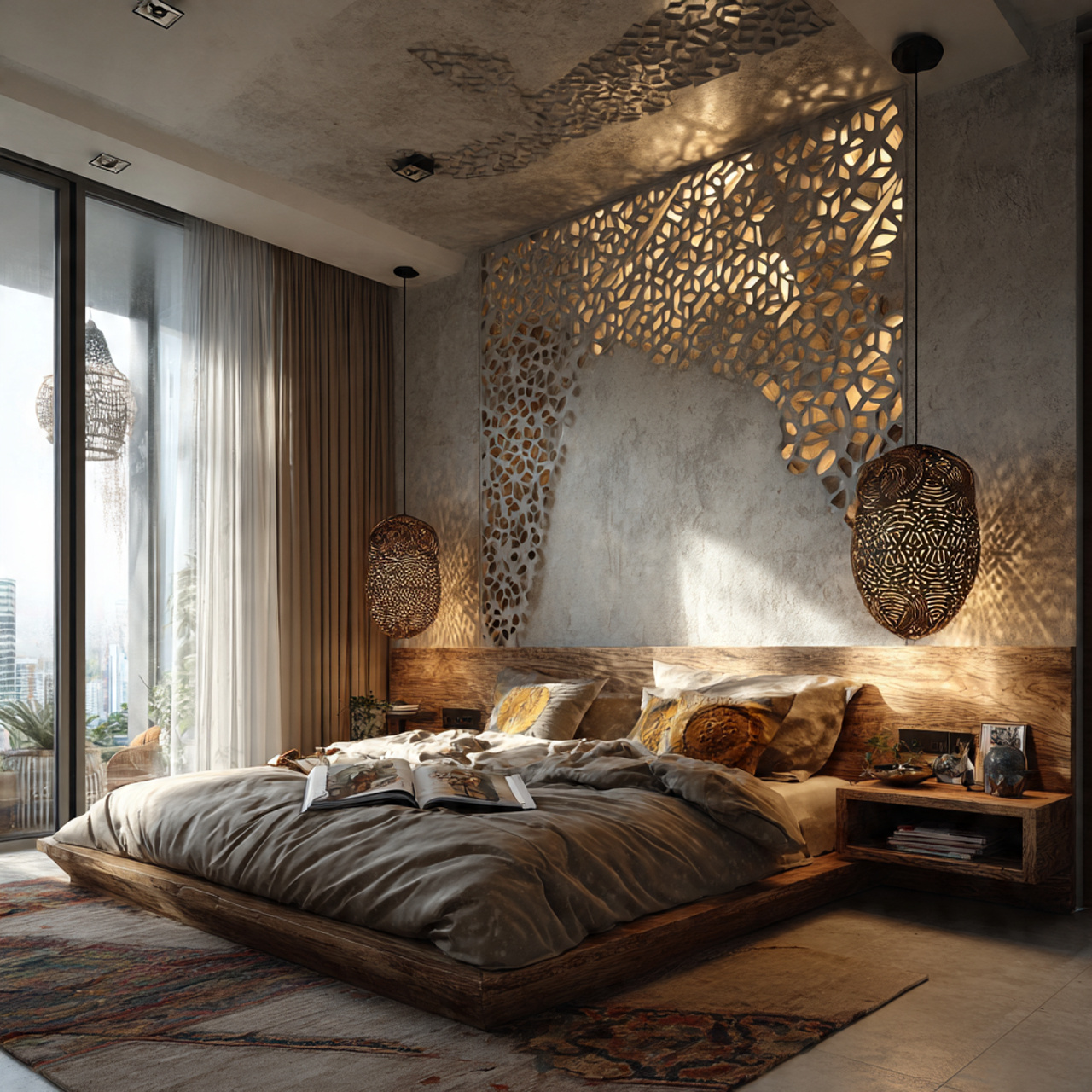
A symmetrical butterfly motif involves creating mirrored, wing-like shapes on either side of a central axis on the ceiling or wall. This idea uses organic curves and balanced proportions to create a look that is both elegant and whimsical. It is a popular choice for nurseries, dressing rooms, or feminine-leaning master suites.
The symmetry of the design provides a sense of peace and order, while the curved lines add a soft, romantic touch. This motif can be as abstract or as literal as you prefer, allowing for a high degree of customization. It is a beautiful way to bring a touch of nature-inspired art into the home in a structured, professional way.
Perimeter Drop Border Idea
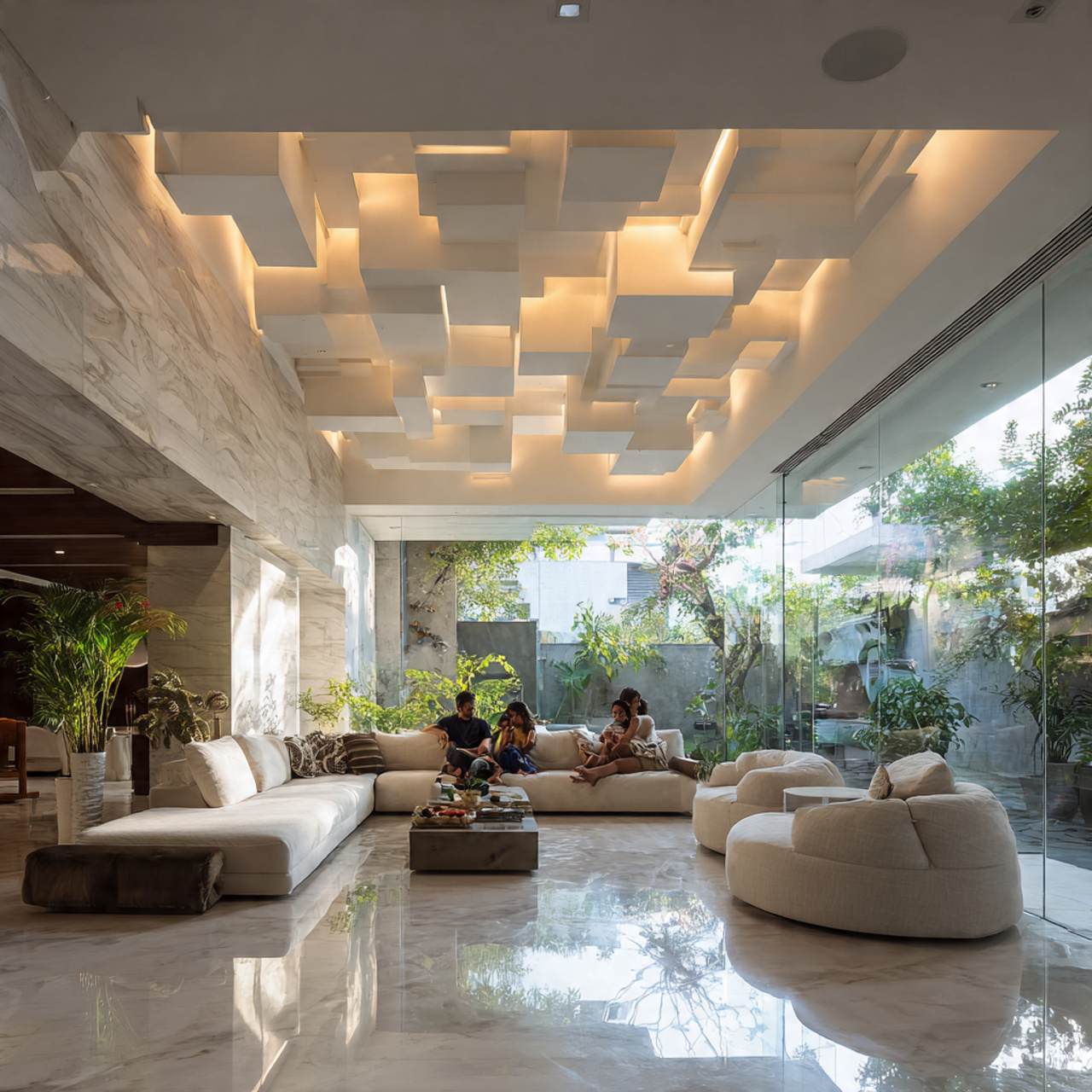
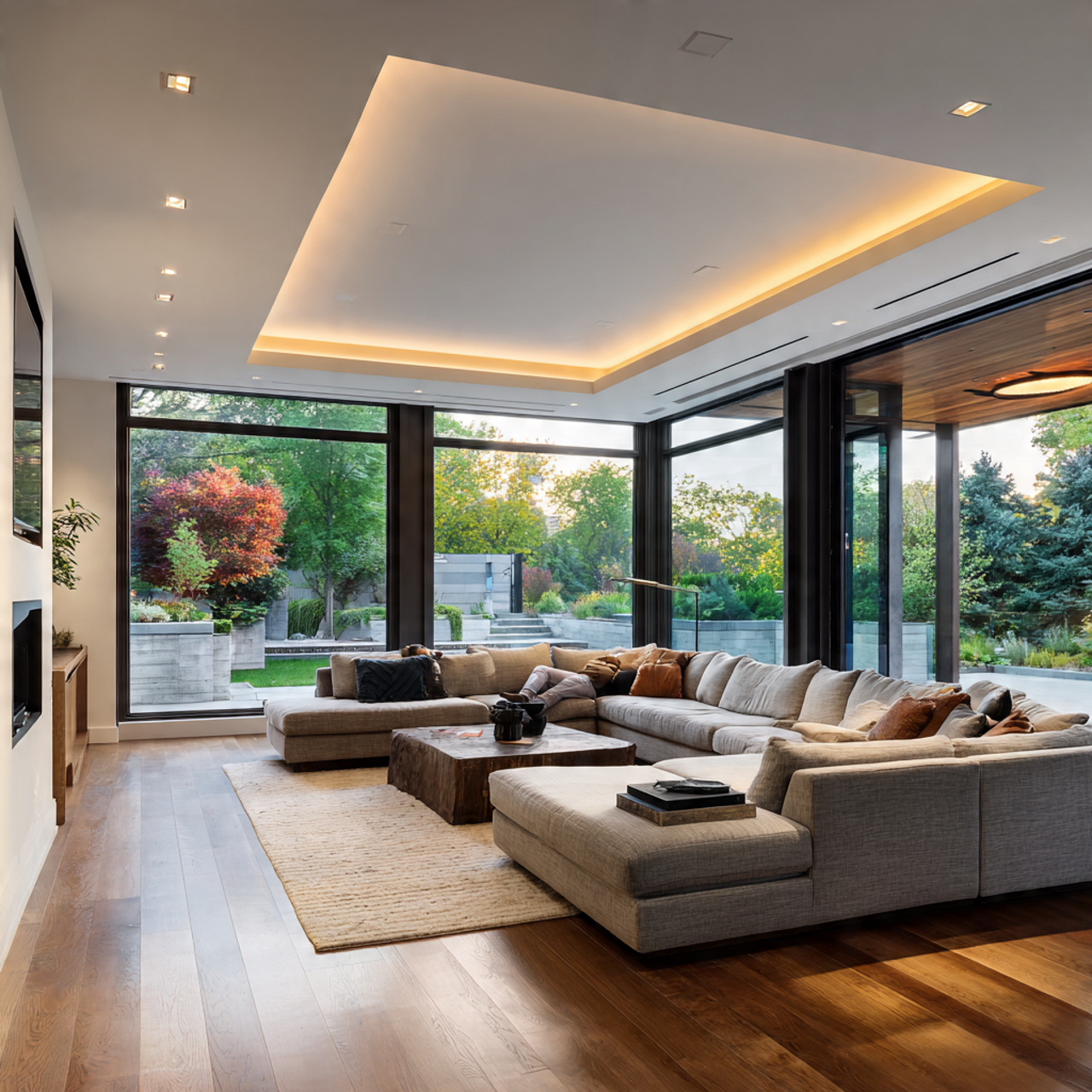
The perimeter drop border is a classic and highly functional design where a section of the ceiling is lowered around the edges of the room. This creates a “channel” in the center that makes the main ceiling area feel much higher and more expansive. This idea is often used to define the boundaries of a room in an open-concept floor plan.
The dropped section is the perfect place to install recessed spotlights or hidden AC vents, keeping the main ceiling area clean and uncluttered. It provides a crisp, finished look that works in virtually any room, from the kitchen to the bedroom. This concept remains one of the most popular choices for modern home renovations due to its clean lines and practical benefits.
FAQs About Pop Design Ideas
What are the most popular Pop Design Ideas for small living rooms?
In smaller spaces, the most effective concepts focus on simplicity and the illusion of height. A perimeter drop border or a simple recessed cove lighting setup can make the room feel much larger by highlighting the edges and providing a soft, upward-facing glow. Avoid overly chunky or deep designs that might make the ceiling feel like it is “closing in” on the living area.
How do Pop Design Ideas incorporate different types of LED lighting?
Plaster of Paris is the perfect medium for integrating lighting because it can be molded to create hidden channels and ledges. Most modern concepts use these hidden spaces for LED strips that provide ambient “cove” lighting, while the flat surfaces are ideal for installing flush-mounted spotlights. This combination allows for a layered lighting scheme that can be adjusted based on the time of day or the mood.
Which Pop Design Ideas work best for contemporary bedroom suites?
For bedrooms, soft and calming designs like the double step tray or the floating island panel are highly recommended. These ideas provide a sense of luxury and enclosure that makes the sleeping area feel more intimate and secure. Adding recessed warm lighting to these structures can further enhance the relaxing atmosphere, making the ceiling a beautiful focal point to look at while lying in bed.
Are there specific Pop Design Ideas suited for high-ceiling foyers?
High ceilings offer the perfect opportunity for grand, dramatic features like the sunburst central feature or a large coffered grid pattern. Because you have more vertical space to work with, you can opt for deeper recesses and more intricate layering without making the space feel cramped. These grand designs help to fill the visual void of a high ceiling and create an immediate “wow” factor for guests entering the home.
How can Pop Design Ideas be customized to match a rustic interior theme?
While often associated with modern styles, these concepts can be adapted for rustic homes by incorporating elements like the industrial exposed beam idea. You can also use plaster to create textures that mimic natural stone or aged wood, providing a bridge between the clean look of plaster and the raw feel of rustic decor. Combining plaster molding with natural wood accents is another great way to achieve a balanced, farmhouse-inspired aesthetic.
Conclusion
Exploring a wide variety of Pop Design Ideas is the first step toward creating a home that feels truly unique and expertly crafted. By moving away from standard flat surfaces and embracing the three-dimensional potential of Plaster of Paris, you can add layers of depth, shadow, and light that completely transform the character of your living space.
The beauty of these creative concepts lies in their ability to adapt to your specific vision, whether you crave the sharp lines of modern geometry or the soft curves of organic art. Ultimately, choosing the right Pop Design Ideas is about finding a balance between architectural innovation and personal comfort, ensuring that your home remains a source of inspiration and pride for years to come.