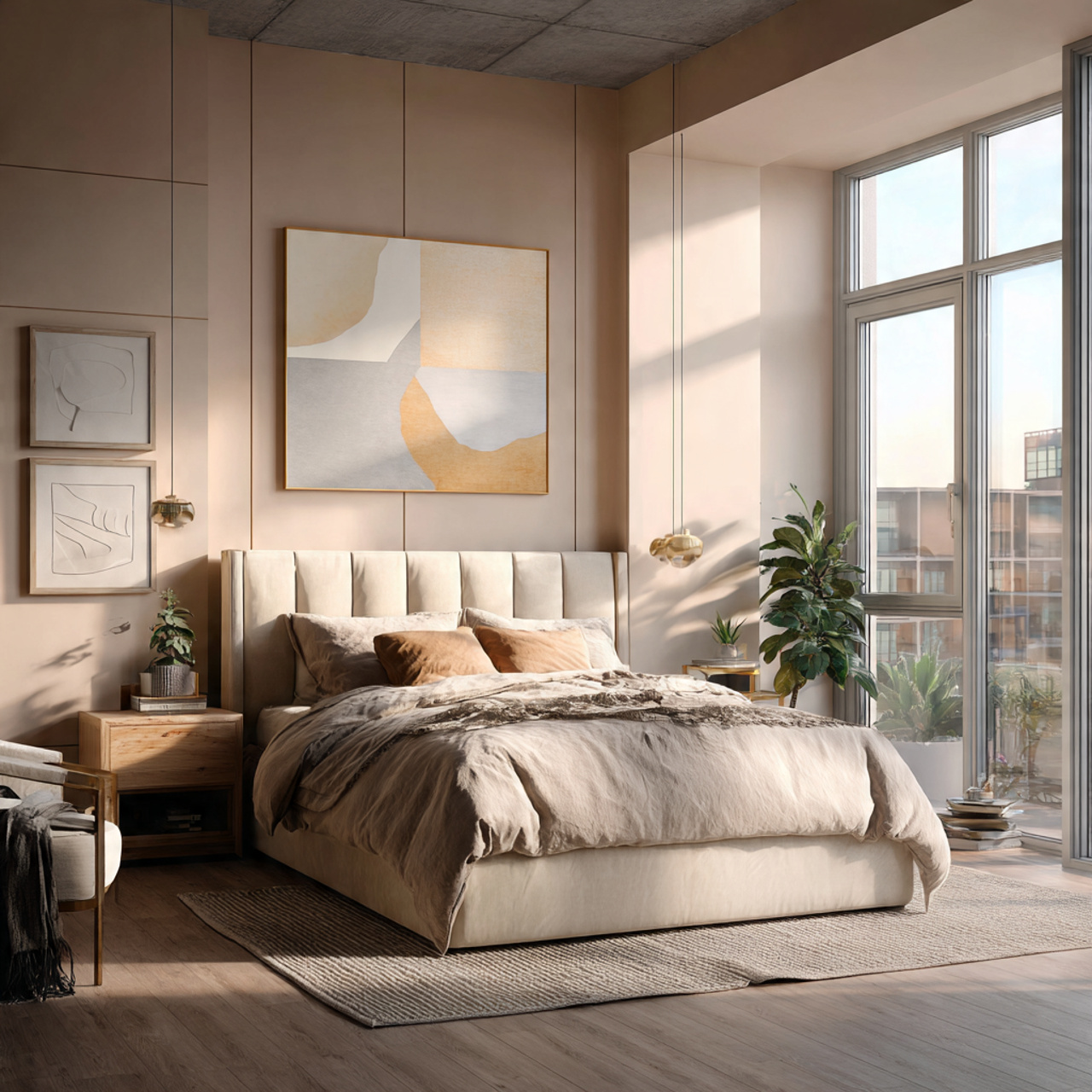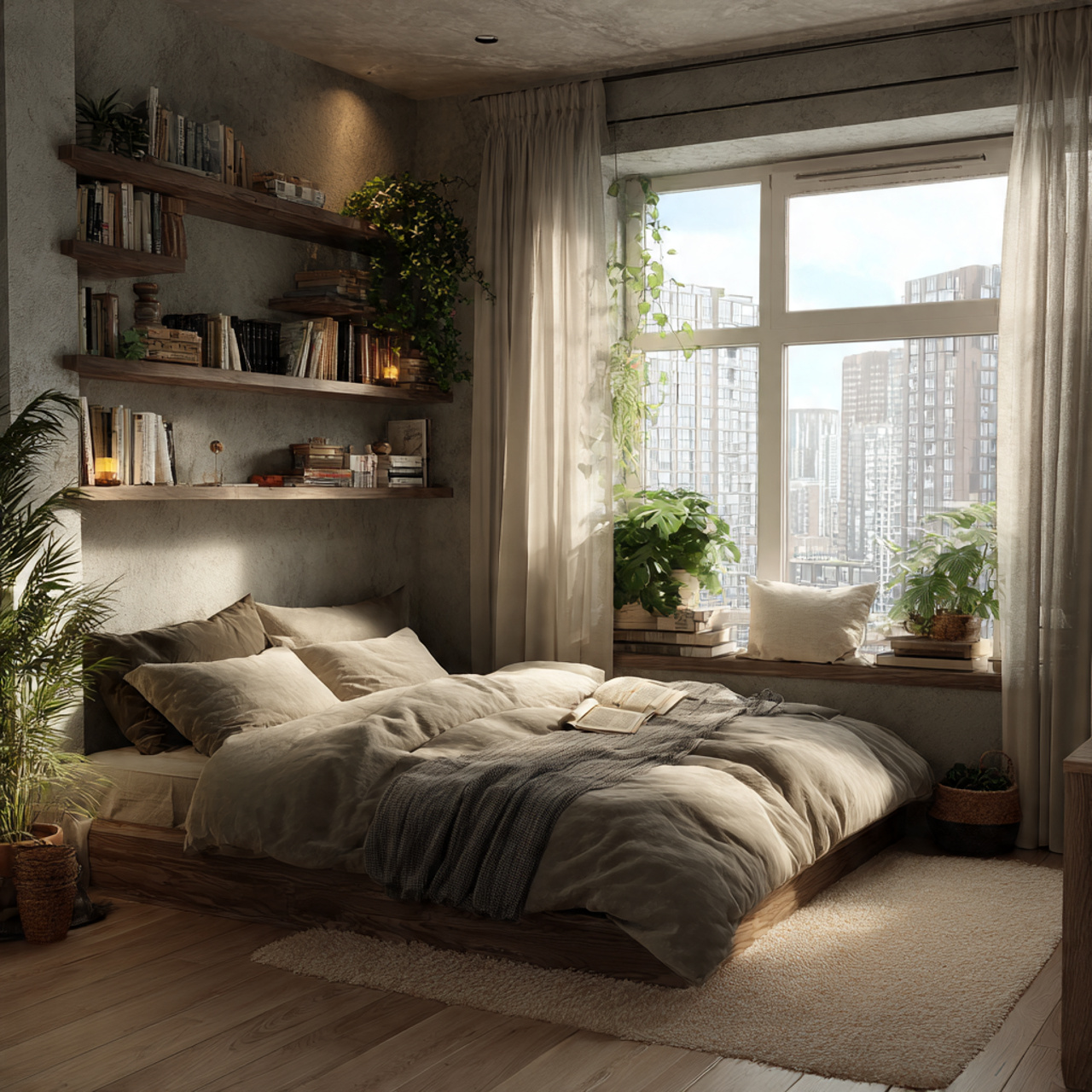
25 Bedroom Layout Ideas for a Stylish, Spacious & Relaxing Retreat
Bedroom Layout Ideas serve as the primary blueprint for transforming a standard sleeping area into a personalized sanctuary of rest and inspiration. When you focus on the artistic arrangement of your furniture, you move beyond simple utility and begin to craft a space that resonates with your unique creative spirit.
This exploration of spatial design emphasizes the beauty of flow, the harmony of proportions, and the infinite possibilities held within four walls. By prioritizing a vision of comfort and elegance, you can curate an environment that feels intentionally designed to foster relaxation and visual delight every single day.
Creative Bedroom Layout Ideas to Explore
Integrating fresh Bedroom Layout Ideas allows you to reimagine your private quarters as a masterpiece of functional art and sophisticated living. These concepts are designed to challenge traditional placement norms, offering you a variety of ways to maximize your floor plan while enhancing the overall aesthetic of your home.
The following collection of layouts highlights how different configurations can change the energy and movement within a room. Whether you are working with a grand master suite or a cozy guest room, these imaginative ideas provide the spark needed to reinvent your space with grace and style.
Symmetric Centerpiece Arrangement
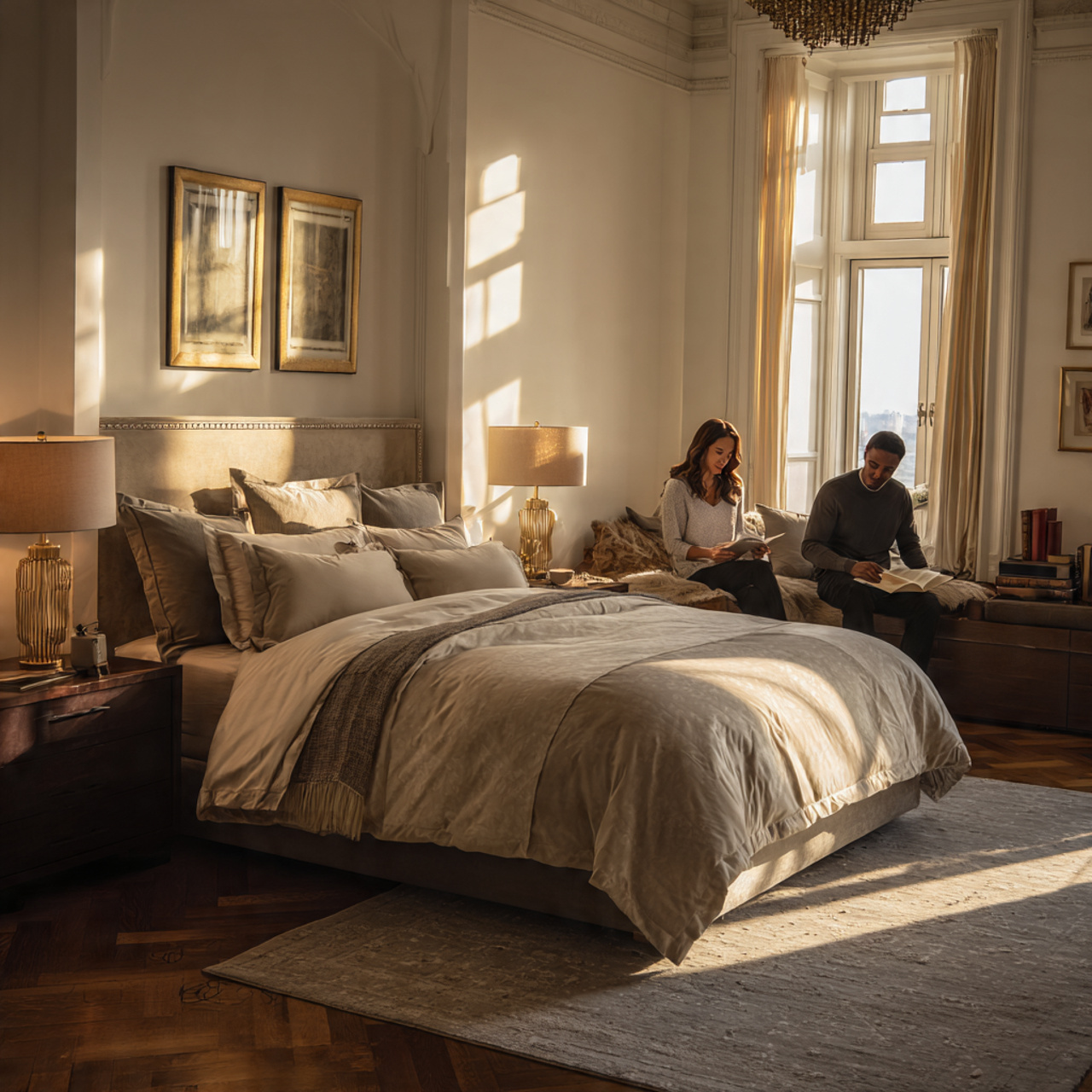
Creating a sense of balance starts with placing the bed directly in the center of the main wall to establish a clear focal point. This layout relies on the power of mirrored elements, such as identical nightstands and lighting fixtures, to evoke a feeling of stability and formal elegance. It is an ideal choice for those who appreciate a sense of order and want their room to feel grounded and professionally curated.
The symmetry of this arrangement naturally draws the eye toward the headboard, making it the undeniable star of the room. By keeping the surrounding furniture proportional and evenly spaced, you create a harmonious environment that promotes a restful mind. This classic approach remains one of the most enduring ways to design a room that feels both luxurious and approachable.
Window Framed Bed Placement
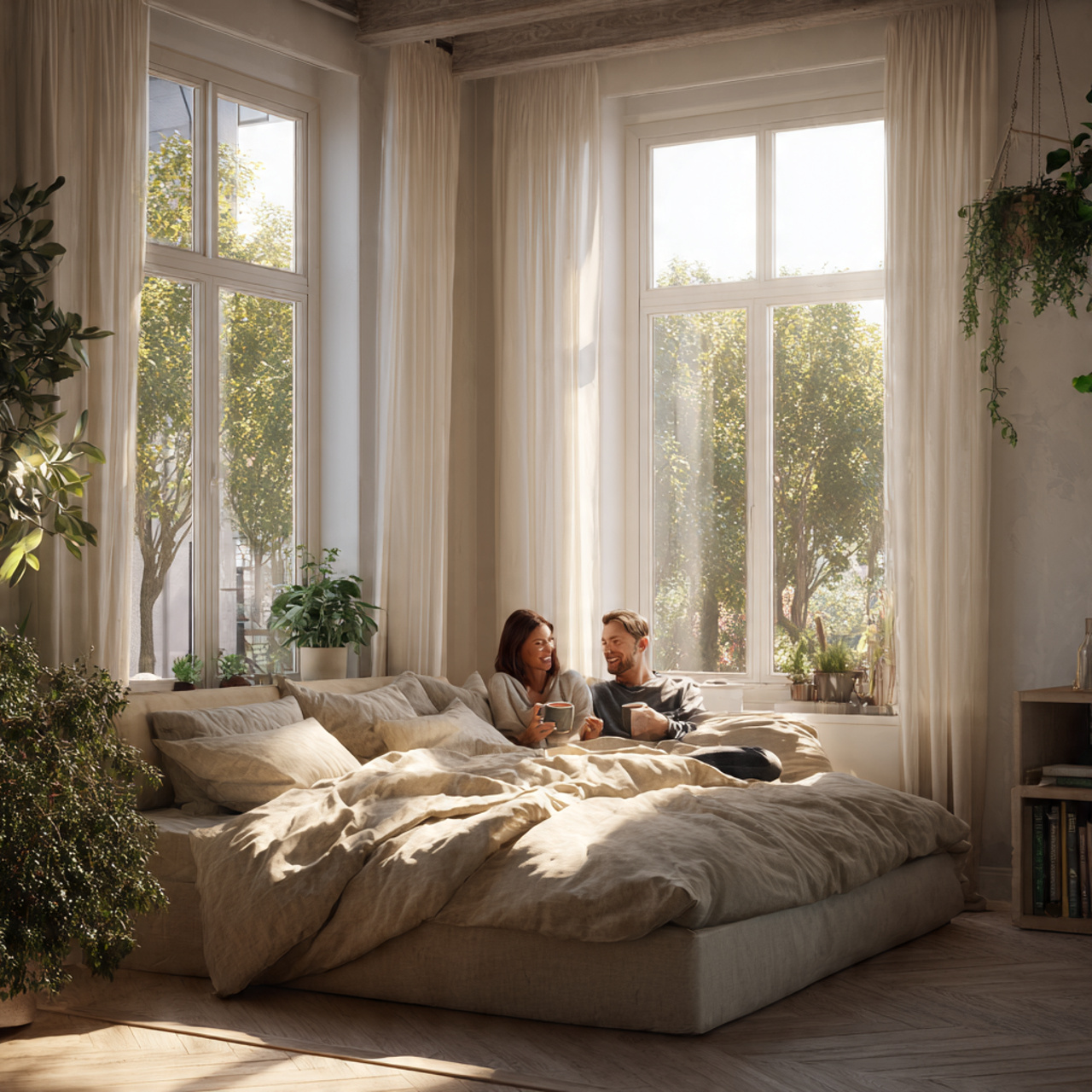
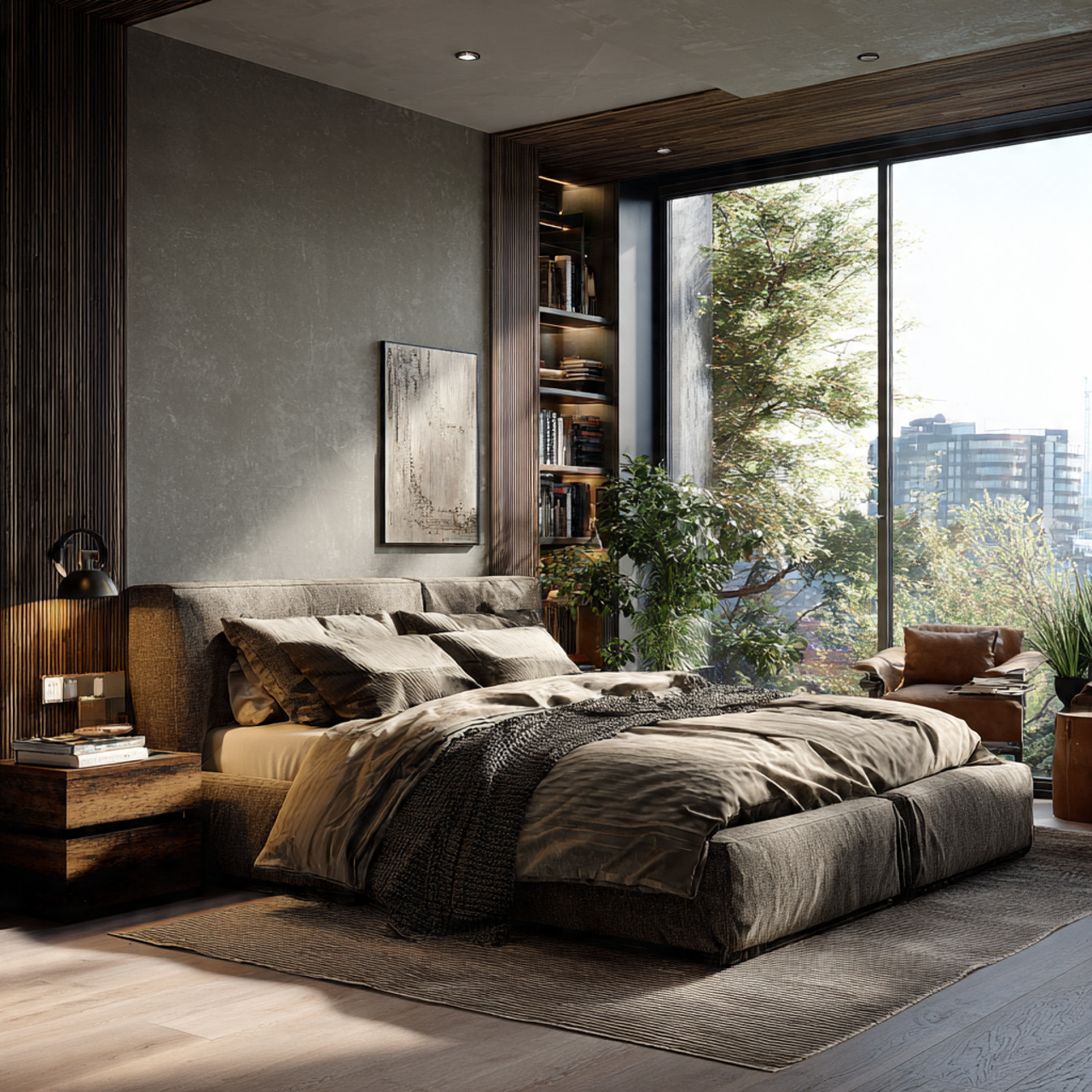
Positioning your bed directly underneath or between large windows invites the beauty of the outdoors to become a living part of your interior design. This layout maximizes the impact of natural light, allowing the shifting hues of the sky to decorate your walls throughout the day. It creates a refreshing atmosphere where the boundaries between your indoor sanctuary and the natural world feel beautifully blurred.
Waking up to the soft glow of morning light can significantly enhance the morning ritual and provide a boost of creative energy. This arrangement also allows for a unique silhouette against the glass, turning the bed into a dramatic center feature. It is a wonderful way to utilize architectural features that might otherwise be overlooked, turning a simple window into a grand design element.
Floating Bed Concept
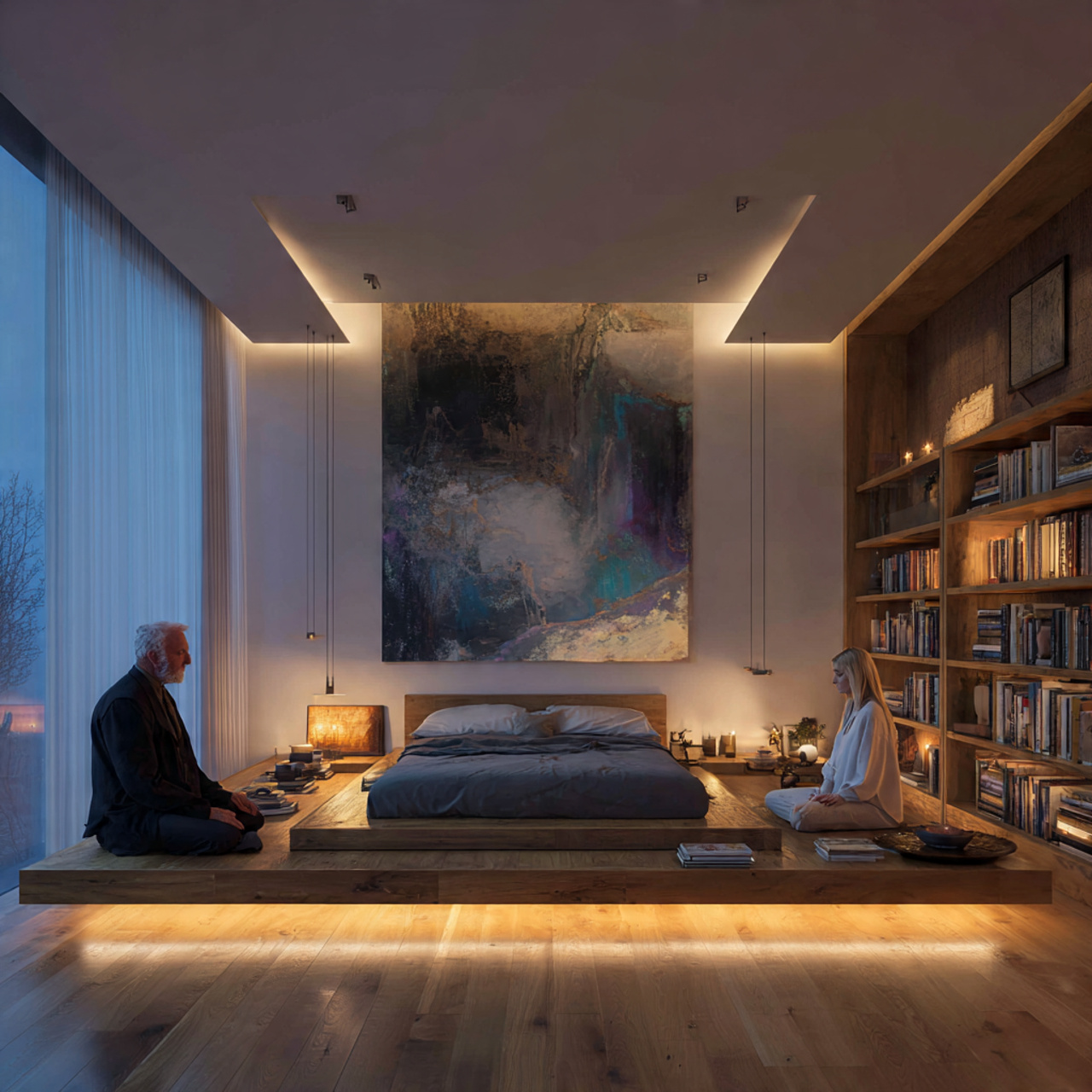
A floating layout involves pulling the bed away from the walls and placing it toward the center of the floor to create a sense of island-like serenity. This bold move breaks away from traditional boundary-reliant design and introduces an air of modern sophistication and spatial freedom. It allows for 360-degree movement around the room, making the entire space feel more fluid and less restricted by the perimeter.
This conceptual arrangement works exceptionally well in larger rooms where you want to fill the void without adding unnecessary clutter. By treating the bed as a standalone sculpture, you highlight the craftsmanship of the furniture itself while leaving the walls free for art or large-scale mirrors. It is a high-impact choice for those who want to experience their bedroom from a completely new perspective.
Parallel Twin Bed Formation
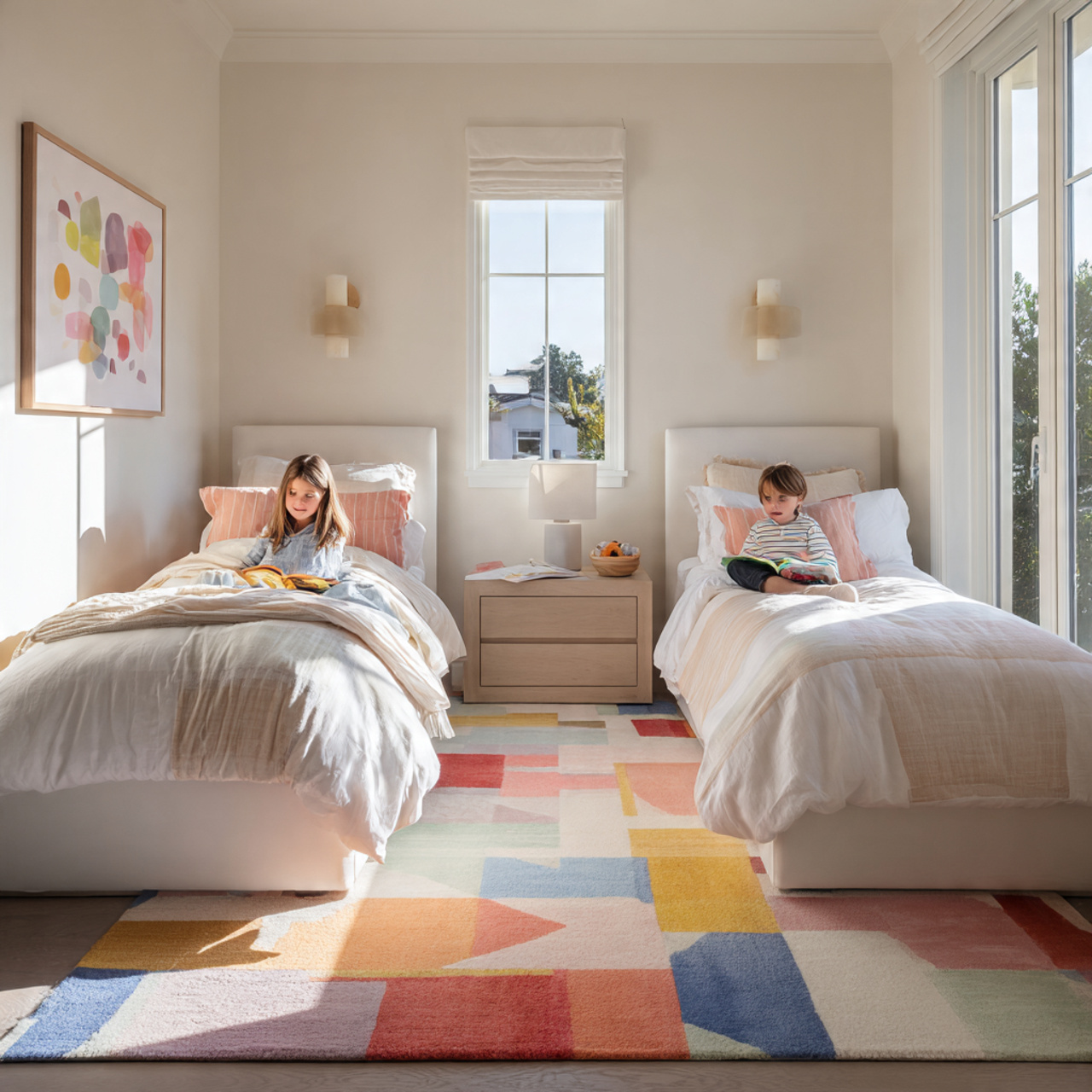
Utilizing parallel beds is a fantastic way to create a sense of rhythm and shared comfort within a single guest room or children’s suite. This layout fosters a communal yet organized vibe, where each sleeper has their own dedicated zone while remaining part of a cohesive visual story. The symmetry of two identical beds separated by a single shared nightstand creates a charming and welcoming aesthetic.
This configuration is perfect for maximizing sleeping capacity without making the room feel cramped or disorganized. It encourages a structured use of space that leaves plenty of room for a central walkway, ensuring the room remains functional and easy to navigate. The repetition of shapes and colors in this layout provides a satisfying visual consistency that is both playful and sophisticated.
Corner Nestled Sleeping Nook
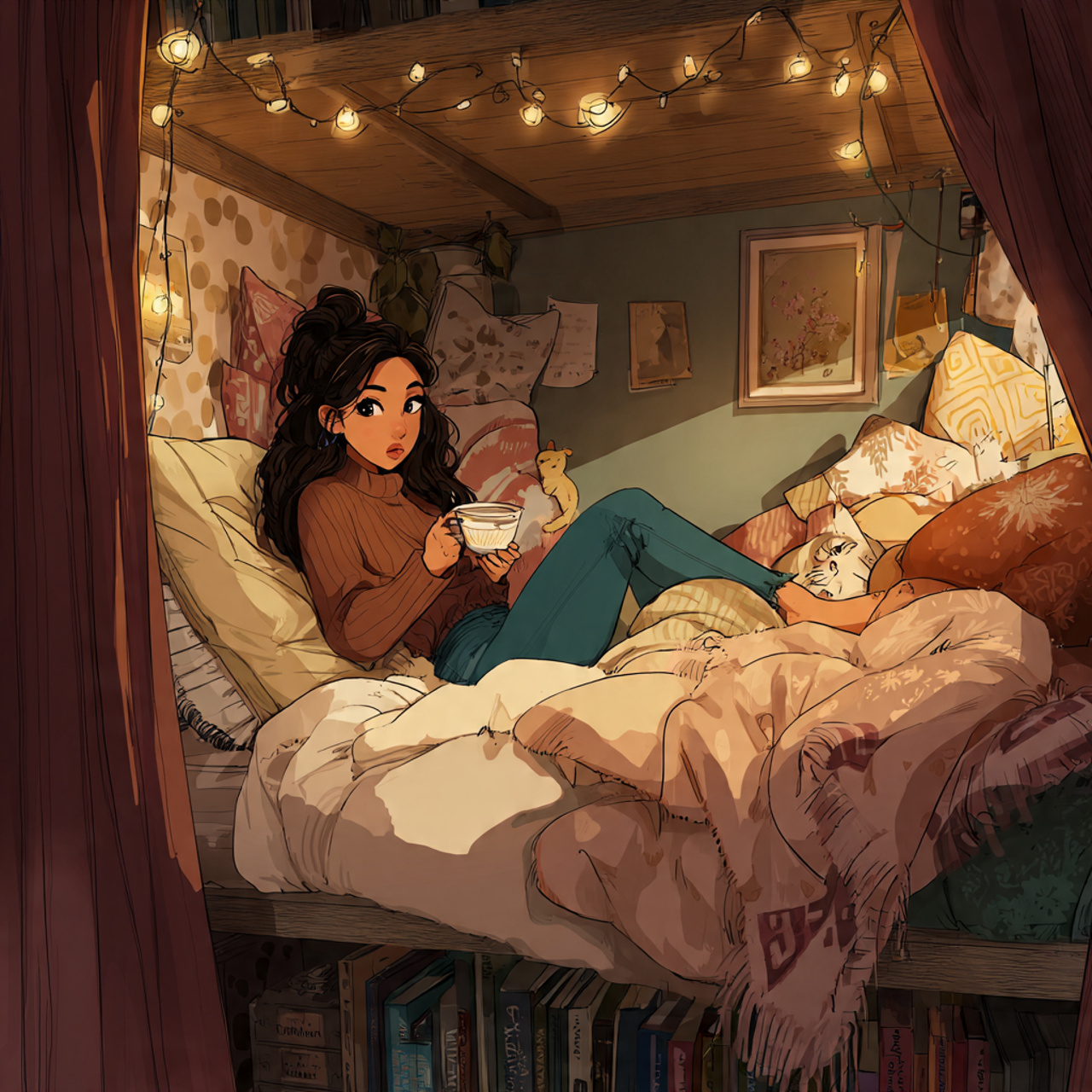
Tucking the bed into a corner can transform a large, open room into a cozy retreat that feels safe and incredibly intimate. This layout utilizes the intersection of two walls to provide a sense of enclosure, which can be particularly comforting in spaces with very high ceilings. It opens up the rest of the floor plan for other creative uses, such as a large vanity area or an expansive dressing zone.
By nestling the sleeping area into a corner, you create a “room within a room” sensation that is perfect for relaxation and deep sleep. This arrangement often works best with soft textiles and wall-mounted lighting to emphasize the snug nature of the nook. It is a clever way to make a vast space feel intentional and warm rather than cold and empty.
Integrated Home Office Zone
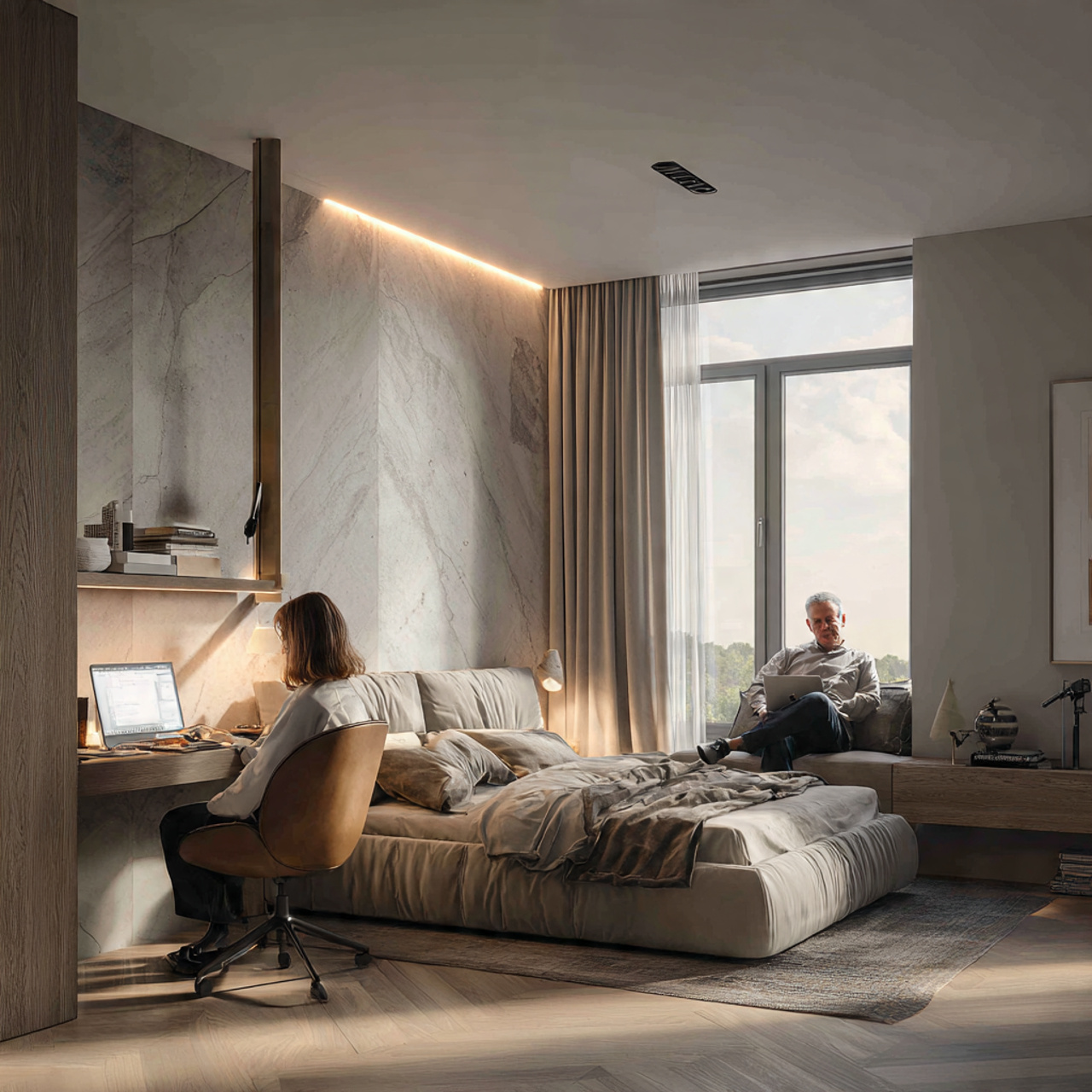
Modern living often requires a blend of rest and productivity, which is where a layout featuring a dedicated office zone becomes essential. By strategically placing a desk behind the headboard or along a far wall, you can maintain a clear distinction between work and sleep. This layout ensures that your professional tools are accessible without dominating the peaceful atmosphere of your resting area.
The key to this arrangement is maintaining a visual flow that keeps the workspace feeling like a natural extension of the bedroom’s decor. Using materials that complement the bed frame and bedding helps the office equipment blend into the background when not in use. This layout is a testament to the versatility of contemporary design, proving that a room can be both a powerhouse of productivity and a haven of peace.
Open Concept Suite Design
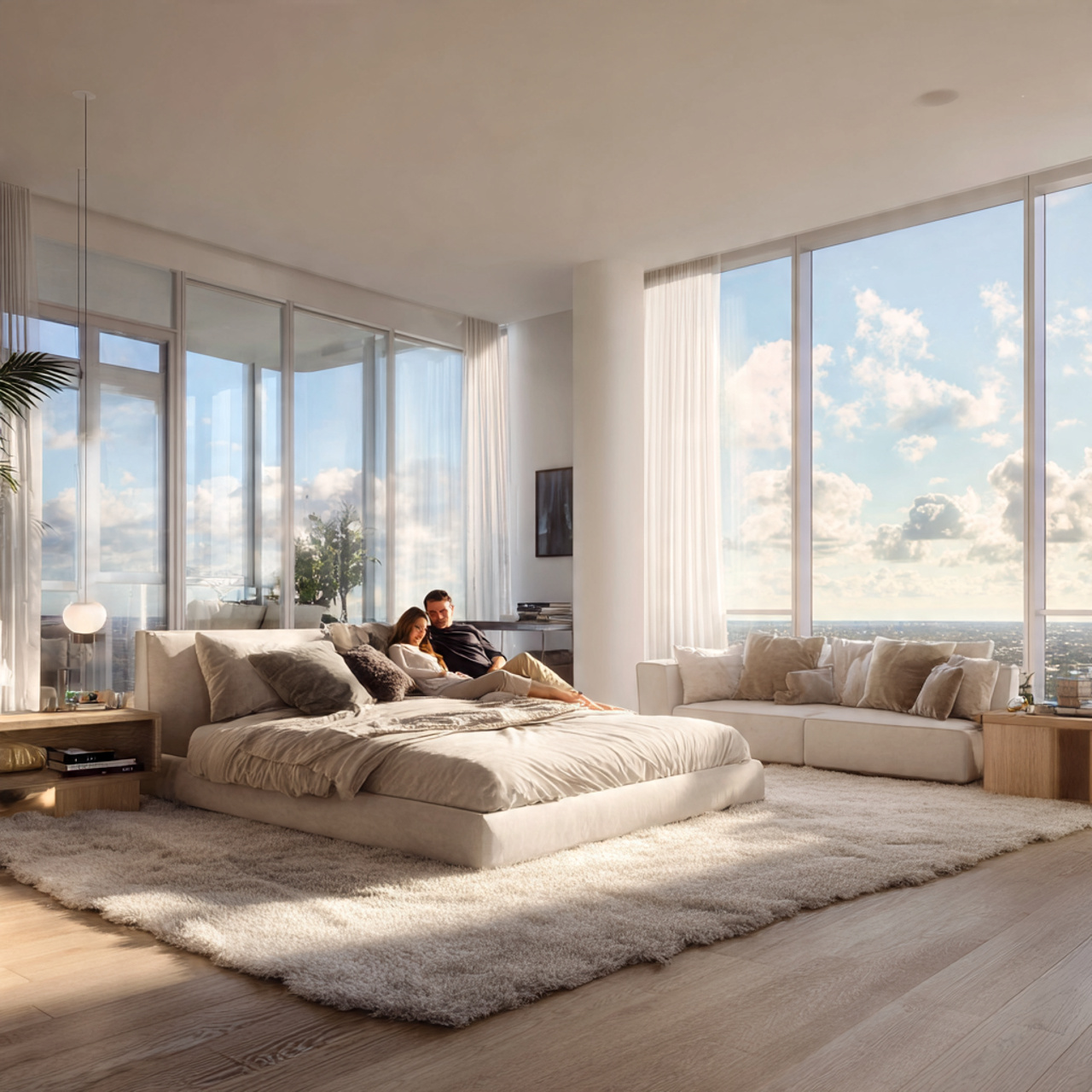
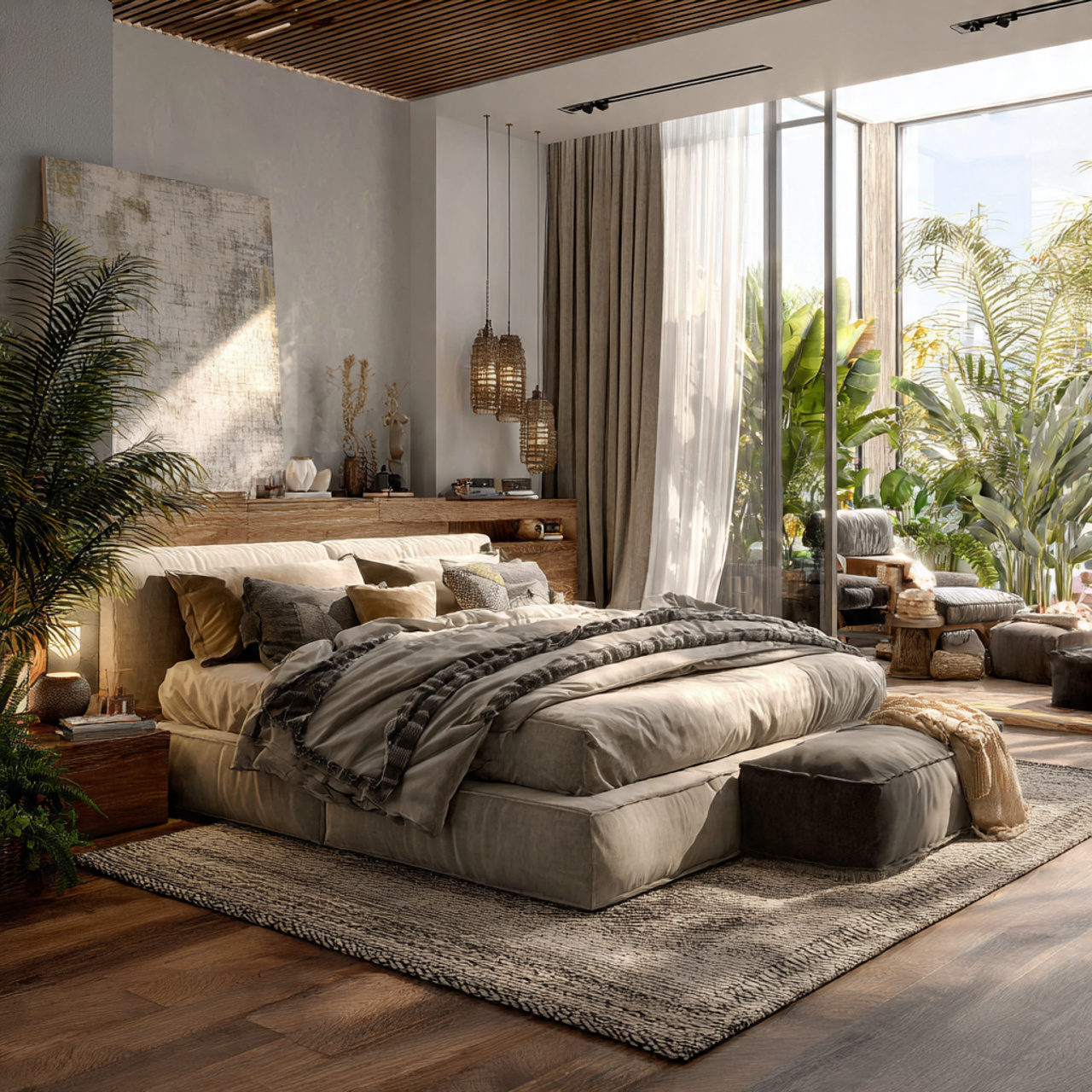
An open concept suite removes unnecessary barriers to create a seamless transition between the sleeping area and a private lounge or bathing space. This layout emphasizes a sense of grandeur and limitless space, making even modest rooms feel like high-end hotel retreats. By avoiding heavy partitions, you allow light and air to move freely, which enhances the overall feeling of wellness and luxury.
This approach is perfect for those who enjoy a lifestyle where different activities flow naturally into one another. It provides a sense of liberation and openness that is hard to achieve with traditional walled-off sections. Decorating with consistent flooring and color palettes throughout the suite ensures that the different zones feel connected and aesthetically unified.
Circular Flow Furniture Mapping
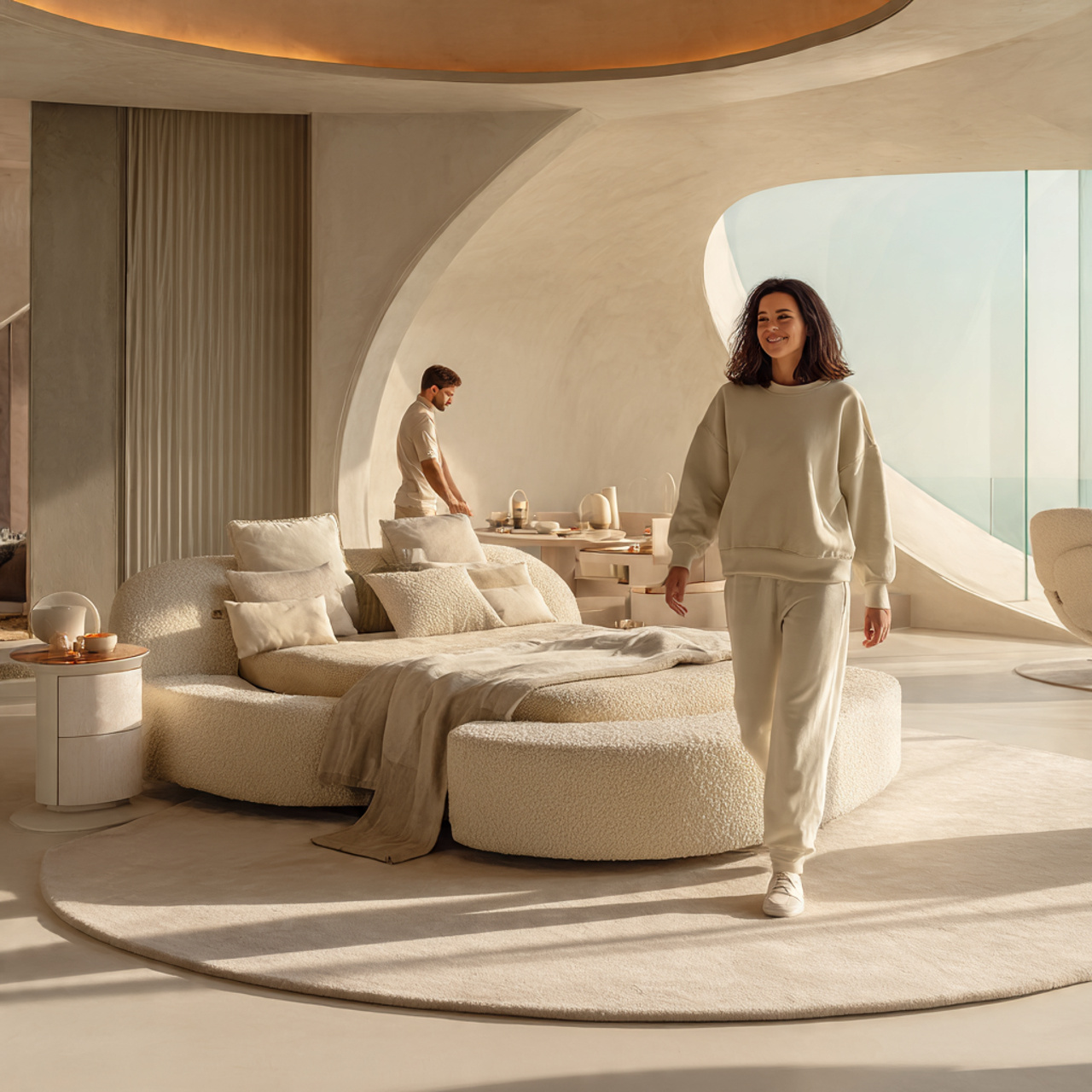
Mapping your furniture in a circular pattern encourages a soft, organic movement throughout the room that feels natural and intuitive. Instead of lining everything up against the walls in a boxy fashion, this layout uses rounded edges and curved pathways to guide your journey through the space. It creates a gentle energy that is much more relaxing than the sharp angles found in standard room configurations.
This idea often involves placing a round rug in the center or choosing furniture with softened silhouettes to reinforce the theme of fluidity. It makes the bedroom feel more like a living gallery where every piece is thoughtfully placed to encourage a relaxed pace. Circular flow is an excellent choice for anyone looking to soften the architectural harshness of a standard rectangular room.
Raised Platform Sleeping Area
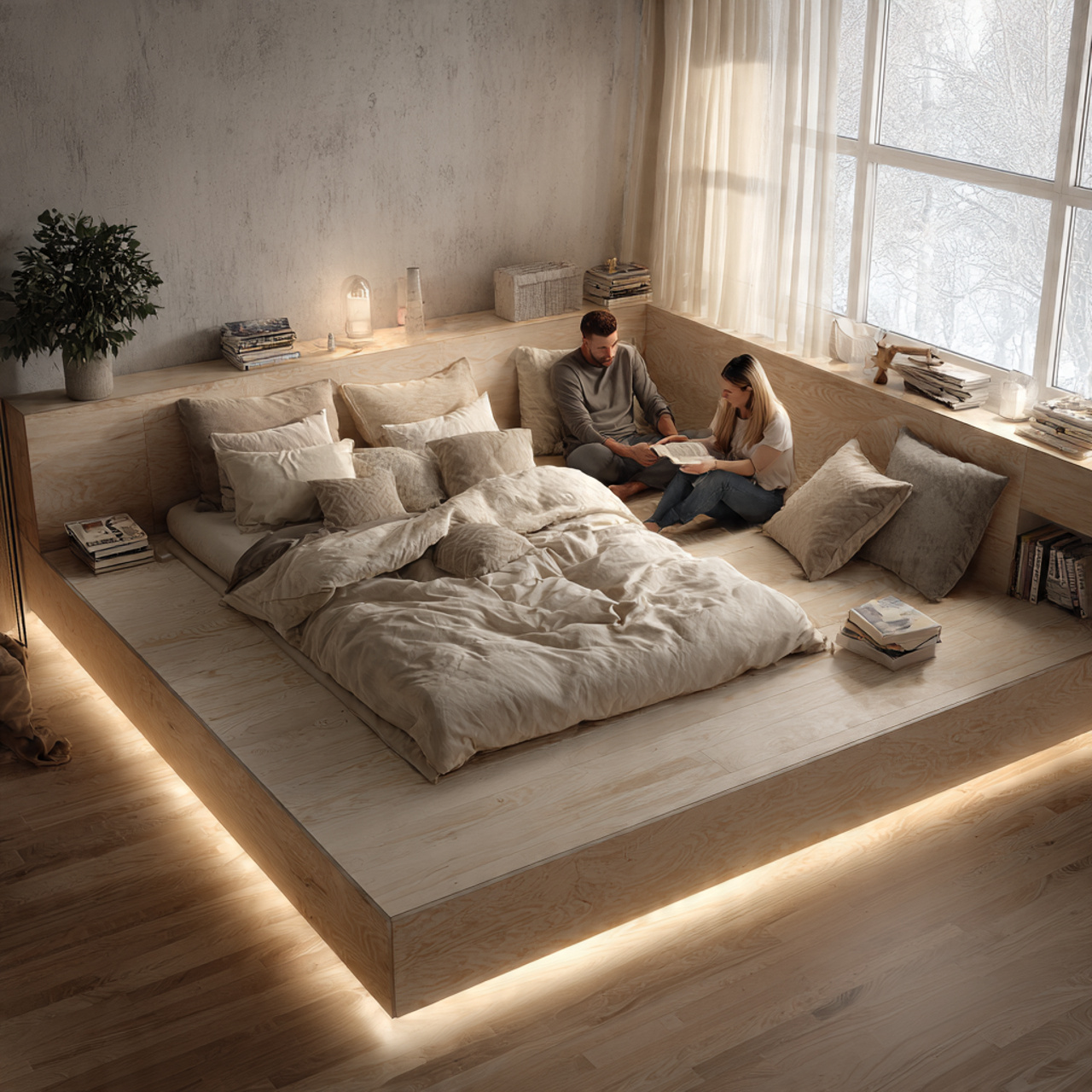
Introducing a raised platform adds a sense of architectural interest and physical dimension to your bedroom layout. By elevating the bed even a few inches, you create a distinct zone that feels separate from the rest of the floor, without the need for walls. This change in elevation provides a unique vantage point and makes the sleeping area feel like a destination within the room.
The platform itself can serve as a creative design element, offering opportunities for built-in lighting or integrated storage. This layout is particularly effective in studios or lofts where defining specific areas is crucial for visual organization. It is a sophisticated way to play with height and depth, giving your room a custom, built-in look that feels truly high-end.
Mirrored Perimeter Setup
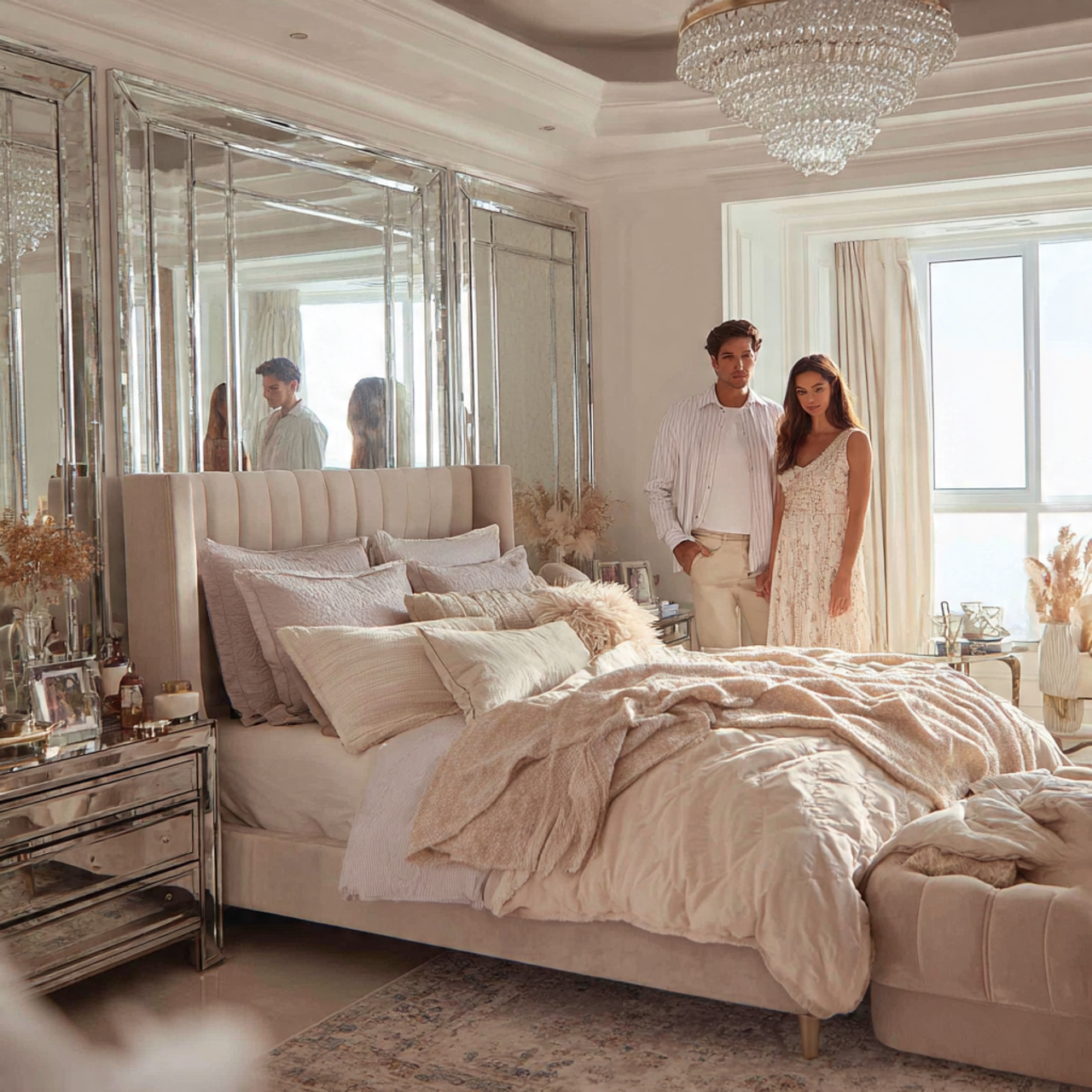
A mirrored perimeter layout focuses on placing furniture in a way that maximizes reflections and the perception of depth. By positioning mirrors across from windows or the bed, you bounce light into every corner, making the room feel twice its actual size. This arrangement is less about the furniture itself and more about how the placement affects the room’s atmosphere and brightness.
This layout is a favorite for those who want to create a glamorous, airy environment that feels constantly filled with light. The strategic use of reflective surfaces adds a layer of sparkle and sophistication that elevates the entire design. It is a brilliant way to ensure that your bedroom feels expansive and vibrant, regardless of its literal square footage.
Recessed Alcove Bed Positioning
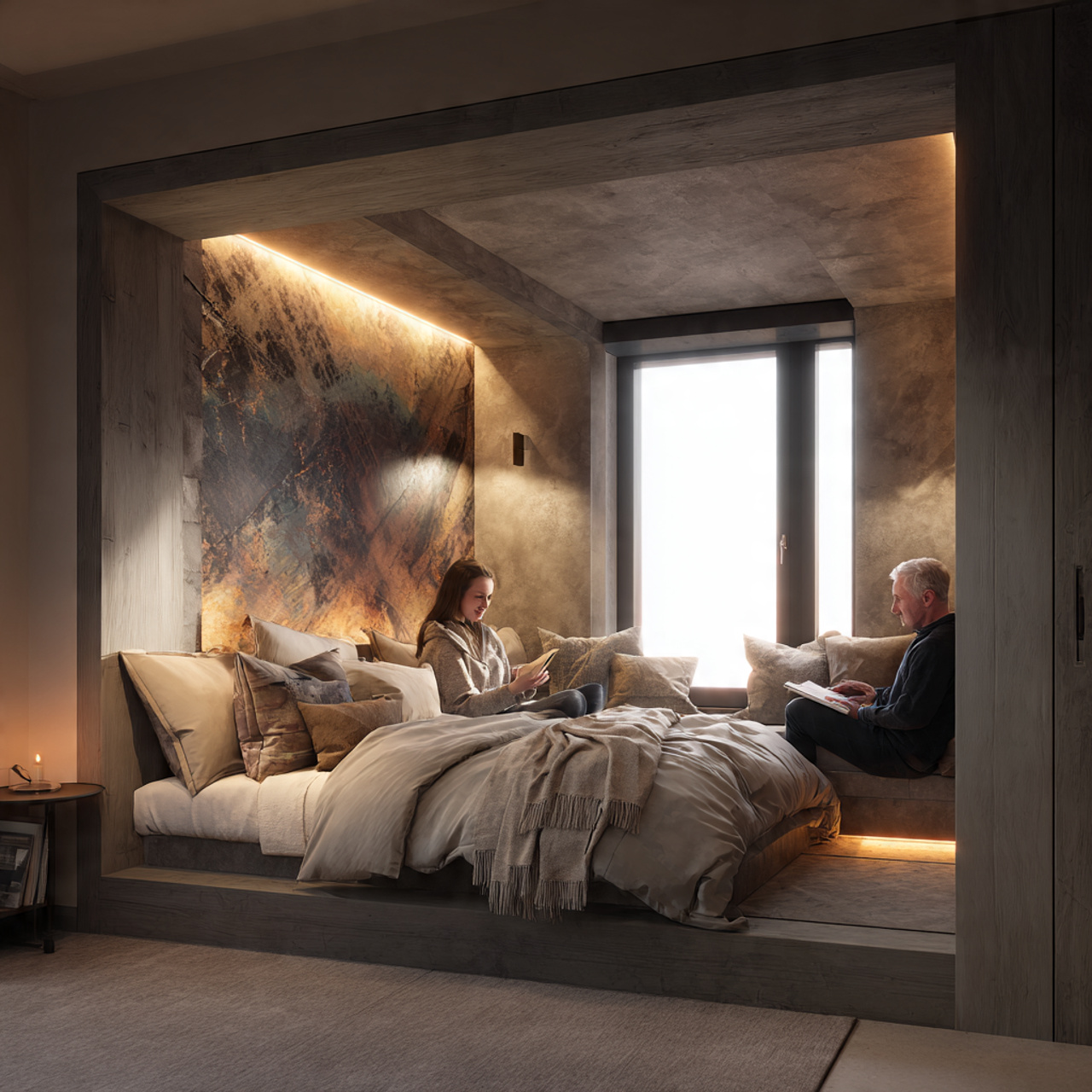
If your room features a natural alcove or niche, using it as a dedicated space for the bed can create a stunning architectural statement. This layout makes the bed feel like it was custom-fitted for the space, providing a sense of permanence and architectural intent. It frames the sleeping area beautifully, often allowing for creative paint or wallpaper choices within the alcove itself.
This arrangement provides a wonderful sense of privacy and “cocooning” that many people find essential for a good night’s rest. It also leaves the main portion of the room open for larger furniture pieces like armoires or seating clusters. Utilizing a recessed area is a smart way to turn an unusual floor plan feature into a primary design advantage.
Wraparound Lounge Configuration
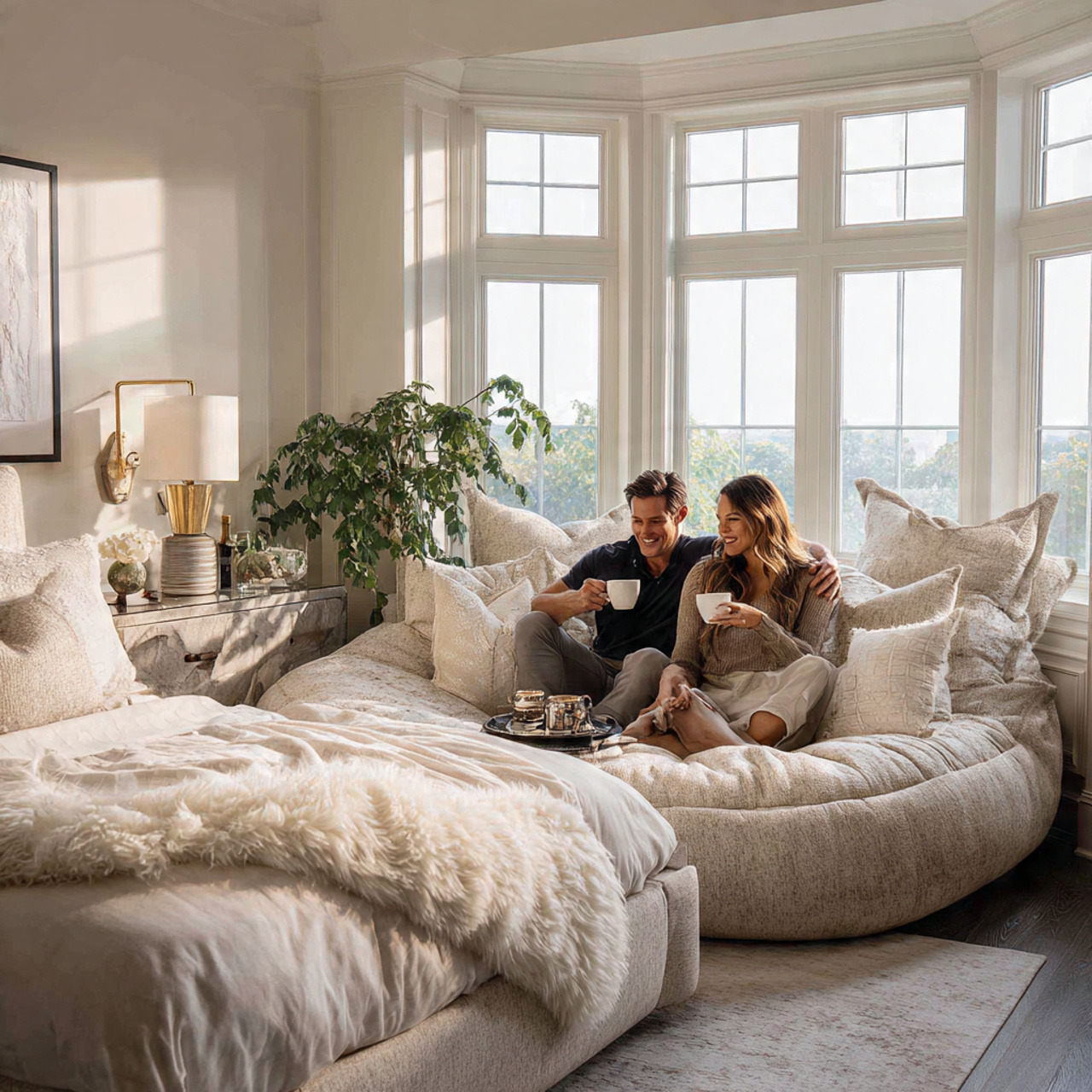
Incorporating a wraparound lounge involves placing seating elements like chaises or benches around the perimeter of the bed. This layout transforms the bedroom from just a place to sleep into a multi-functional suite for relaxation, conversation, and reading. It creates a social or contemplative zone that encourages you to spend more time enjoying the beauty of your room during the day.
This arrangement works best when the seating is upholstered in fabrics that complement the bedding, creating a cohesive and inviting look. It adds a layer of softness and luxury to the room, making it feel more like a private clubhouse. For those with ample floor space, this layout is the ultimate way to achieve a feeling of total comfort and abundance.
Dedicated Reading Corner Integration

Integrating a dedicated reading corner involves more than just placing a chair; it’s about creating a secondary focal point that balances the bed. By positioning a comfortable armchair and a small library shelf in a quiet corner, you establish a zone for intellectual exploration and quiet reflection. This layout gives the room a dual purpose that feels both sophisticated and deeply personal.
The reading corner should be placed near a light source, such as a window or a floor lamp, to ensure it is as functional as it is beautiful. This arrangement breaks up the large empty spaces often found in master bedrooms and adds a layer of character to the floor plan. It is a simple yet effective way to infuse your personality and hobbies into your bedroom design.
Minimalist Walkway Optimization
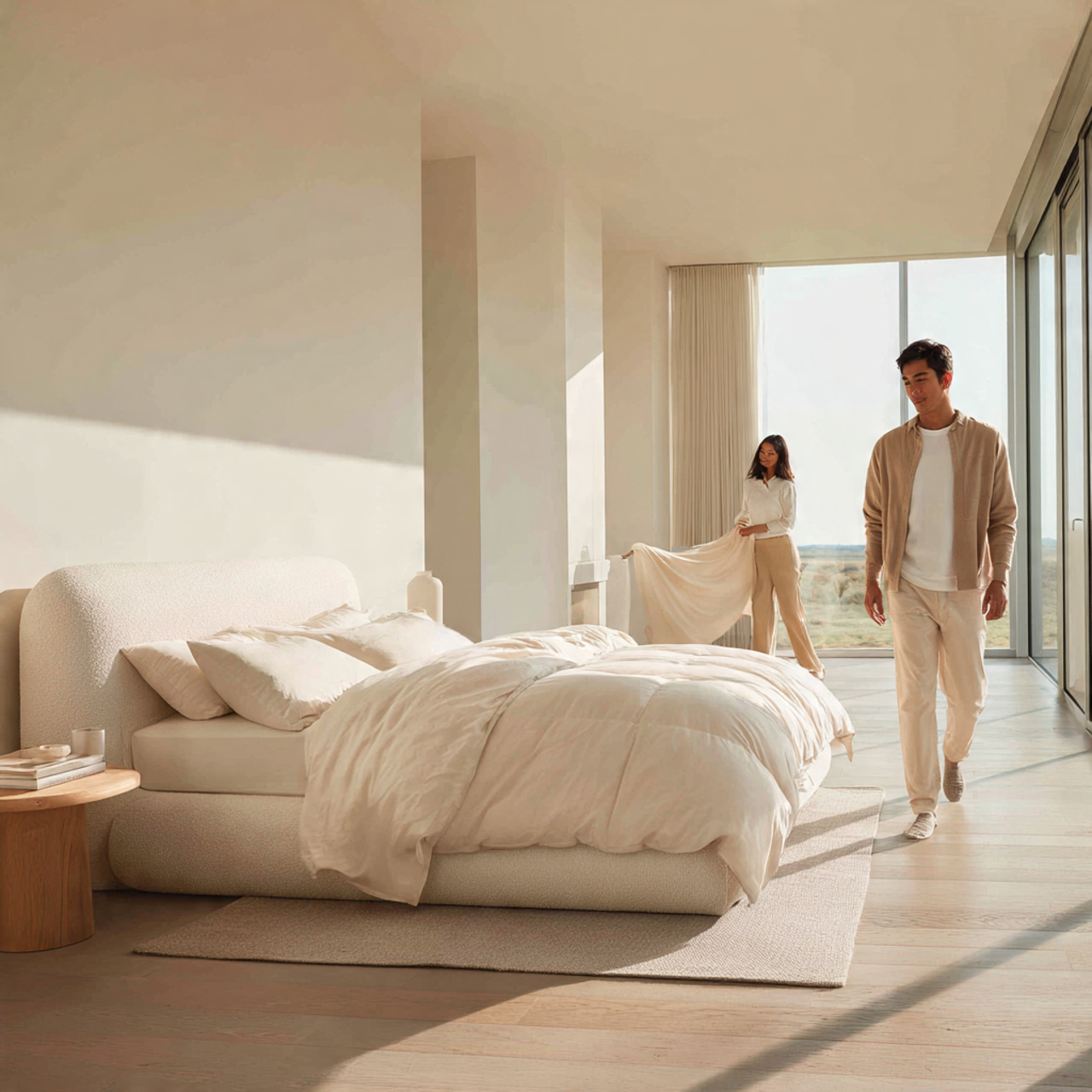
A minimalist approach to walkways focuses on keeping the paths of movement as clear and unobstructed as possible. This layout prioritizes negative space, ensuring that the room feels breathable and uncluttered by avoiding unnecessary furniture. By keeping the center of the floor open, you create a sense of calm that is essential for a stress-free environment.
This layout is perfect for those who find peace in simplicity and want to avoid the visual noise of a crowded room. Every piece of furniture is chosen for its function and form, placed strategically to allow for easy navigation and a feeling of lightness. It is a design philosophy that proves that sometimes, less truly is more when it comes to creating a restful retreat.
Centralized Island Bed Layout
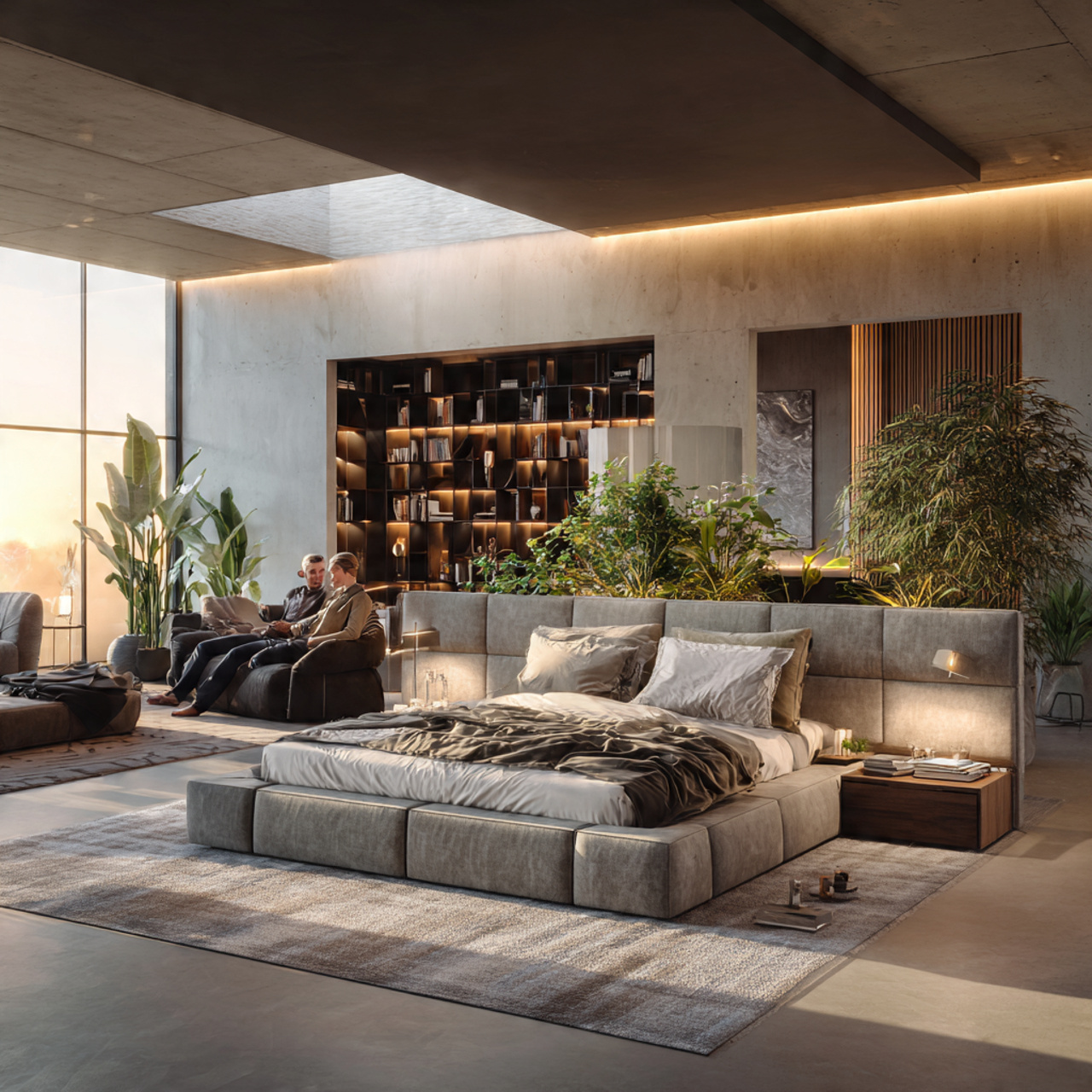
Positioning the bed as a centralized island in the middle of a very large room makes a bold and confident design statement. This layout allows for storage units or dressing tables to be placed behind the headboard, effectively using the bed as a room divider. It is a highly modern approach that treats the bedroom as an open-air gallery rather than a traditional enclosure.
This arrangement is ideal for lofts or expansive master suites where you want to emphasize the sheer volume of the space. It provides a unique flow that encourages you to move through the room in a more dynamic way. By centering the bed, you make it the undisputed heart of the home, surrounded by air and light on all sides.
Multi Functional Storage Perimeter
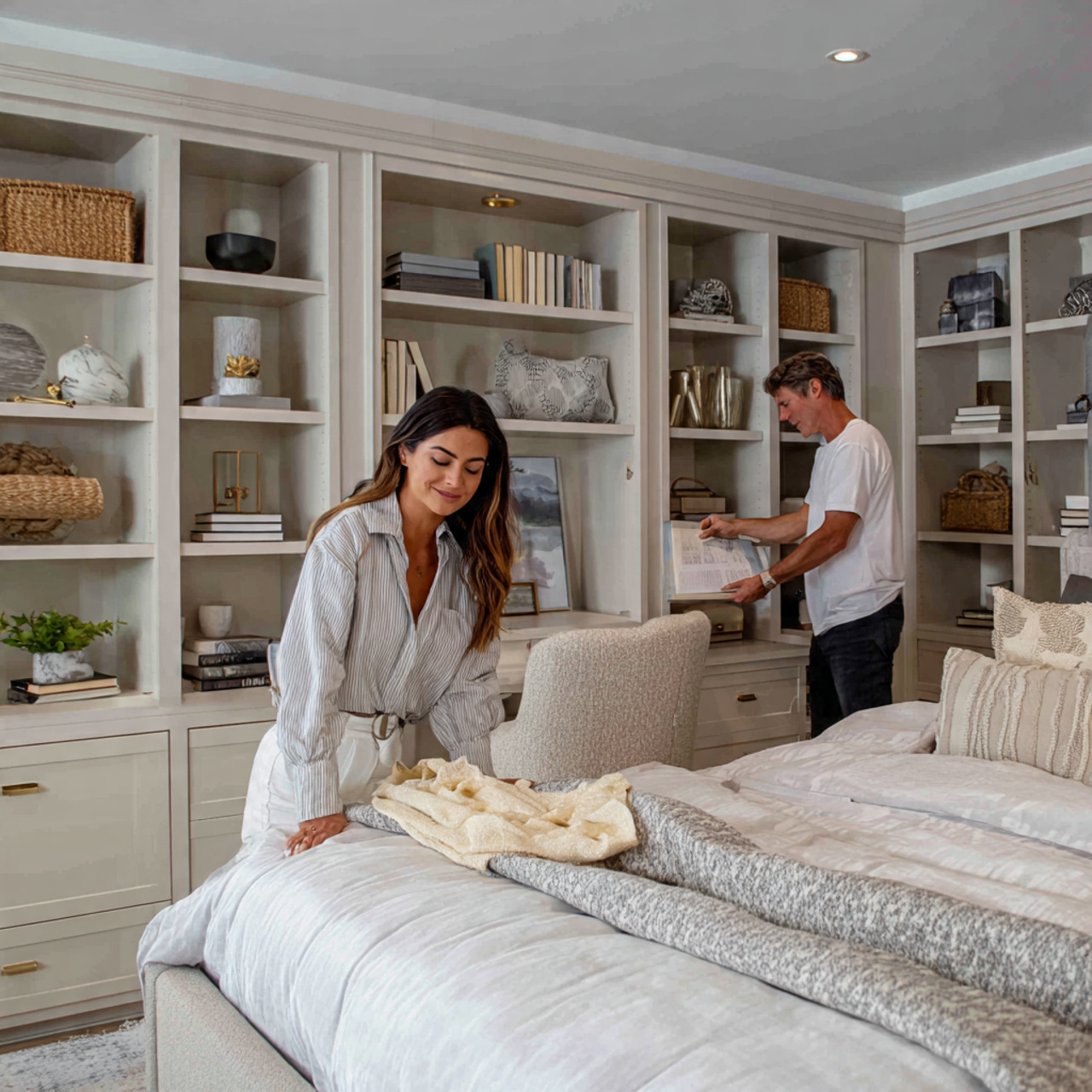
A storage-focused perimeter layout uses custom shelving and cabinetry to line the walls, creating a seamless and organized look. By integrating storage into the architecture of the room, you free up the floor from bulky dressers and chests. This layout is all about efficiency and visual cleanliness, ensuring that everything has its place while remaining within arm’s reach.
The beauty of this arrangement lies in its ability to hide clutter behind beautiful doors or display cherished items on open shelves. It creates a streamlined aesthetic that feels very modern and high-end, almost like a boutique hotel. This is an excellent solution for those who want a high-functioning room without sacrificing the beauty of an open, airy floor plan.
Angled Focal Point Orientation
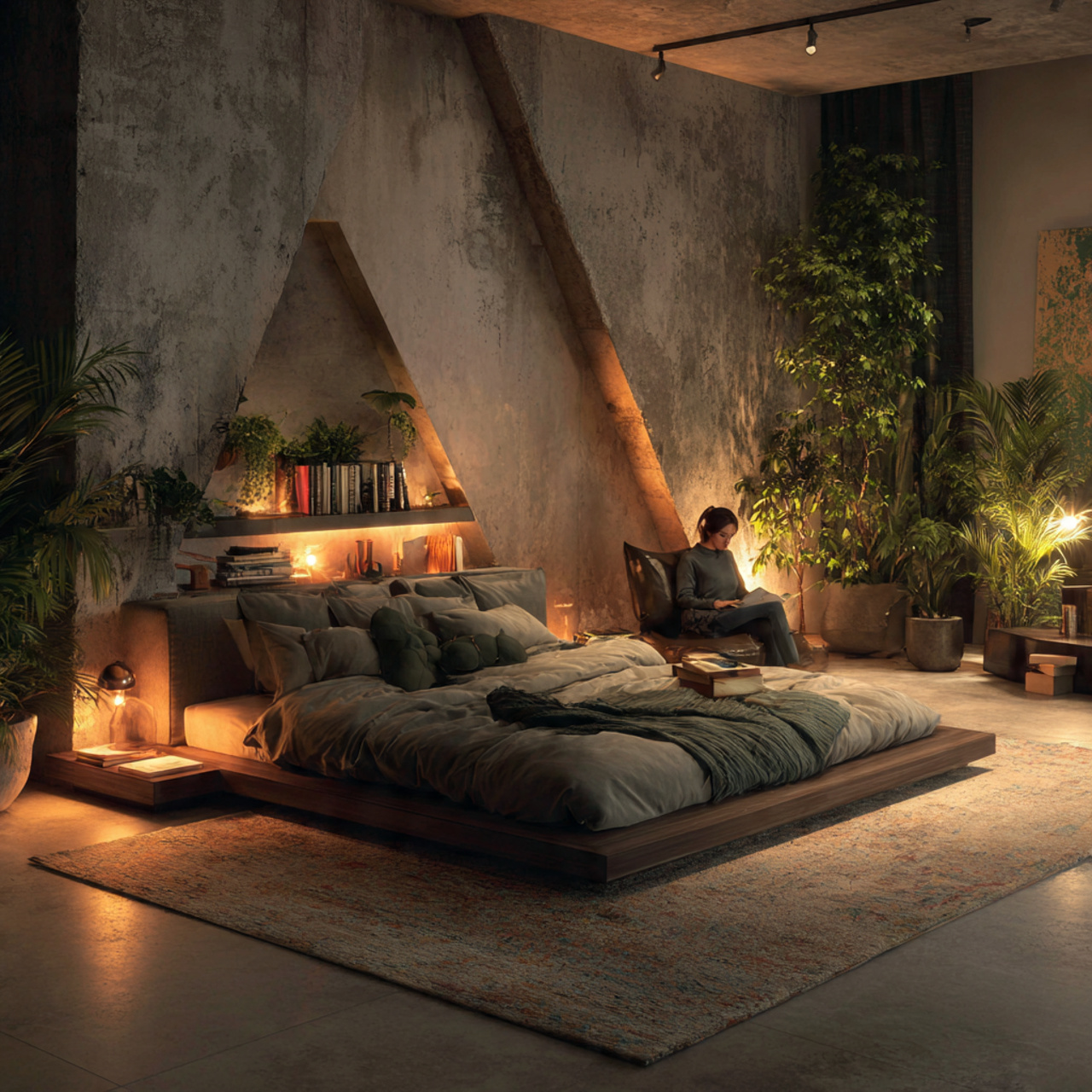
Placing the bed or a key piece of furniture at an angle can instantly break the monotony of a rectangular room. This layout introduces a dynamic energy and can help draw the eye toward a specific view or architectural detail. It is a creative way to deal with awkward room shapes or to simply add a touch of unexpected flair to a standard setup.
An angled layout creates interesting triangular spaces in the corners which can be filled with tall plants or decorative floor lamps. This approach feels less “boxed in” and provides a sense of movement that straight lines often lack. It is a wonderful technique for those who want their bedroom to feel unique and expertly styled.
Layered Depth Arrangement
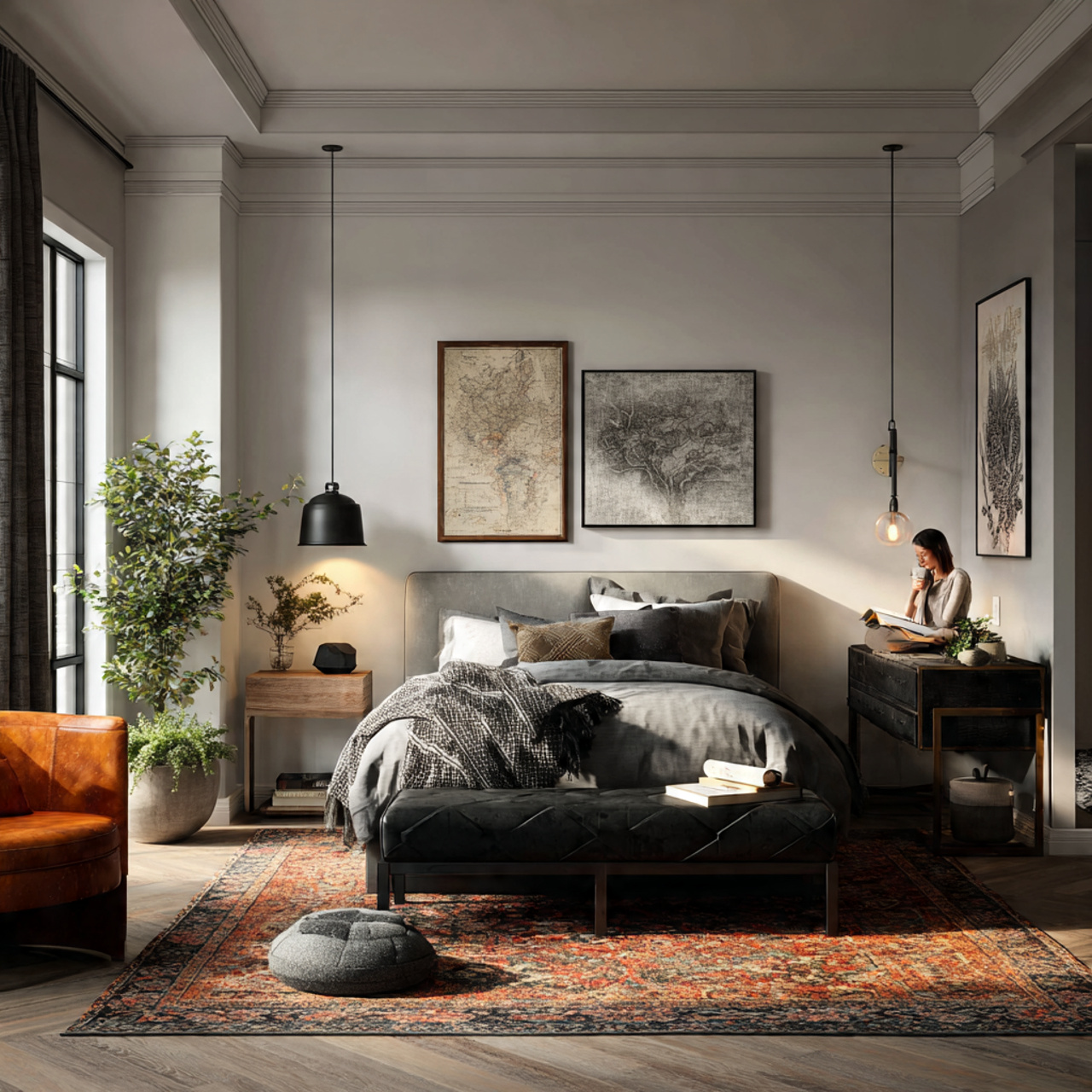
A layered depth layout involves placing furniture at varying distances from the entrance to create a sense of visual journey. By layering a bench at the foot of the bed, a rug beneath the bed, and art on the walls, you build a rich tapestry of textures and shapes. This arrangement makes the room feel “full” in a curated way, providing plenty of visual interest from every angle.
This idea focuses on the relationship between the foreground, middle ground, and background of your room. It prevents the space from feeling flat or one-dimensional by introducing different heights and depths throughout the floor plan. The result is a bedroom that feels lived-in, sophisticated, and deeply comfortable.
Visit Also: Bathroom Decor
Symmetry Based Master Suite
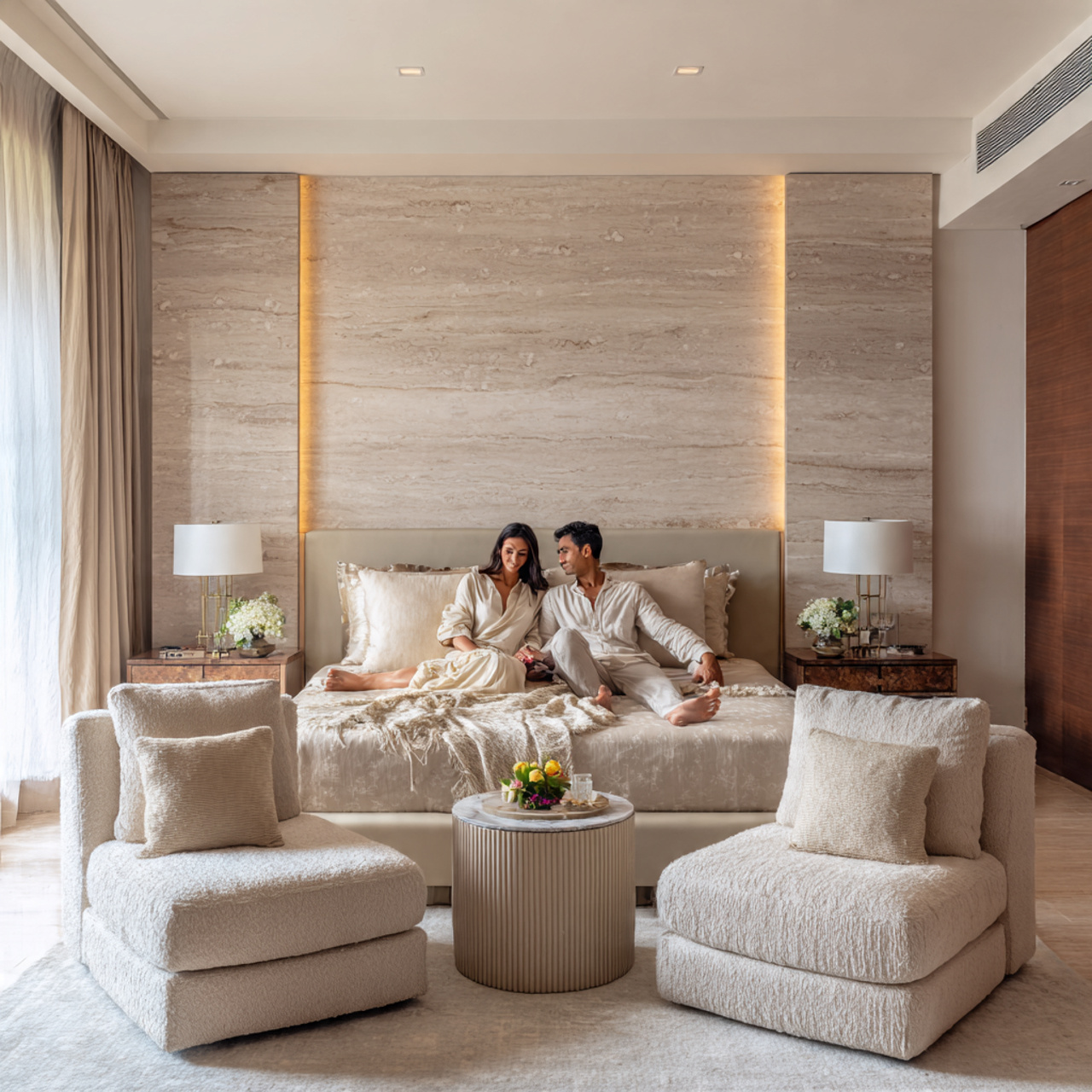
For those with a grand master suite, using a symmetry-based layout can provide a sense of palatial scale and balance. This often involves a large central bed flanked by massive nightstands, with a matching pair of chairs or a symmetrical dressing area across the room. It is a layout that exudes confidence and provides a very structured environment for rest.
The consistency of this arrangement makes the suite feel cohesive and thoughtfully planned. It allows for large-scale decor pieces to be used without overwhelming the space, as the symmetry keeps everything in check. This layout is the epitome of classic luxury and provides a timeless foundation for any design style.
Vertical Space Maximization Layout
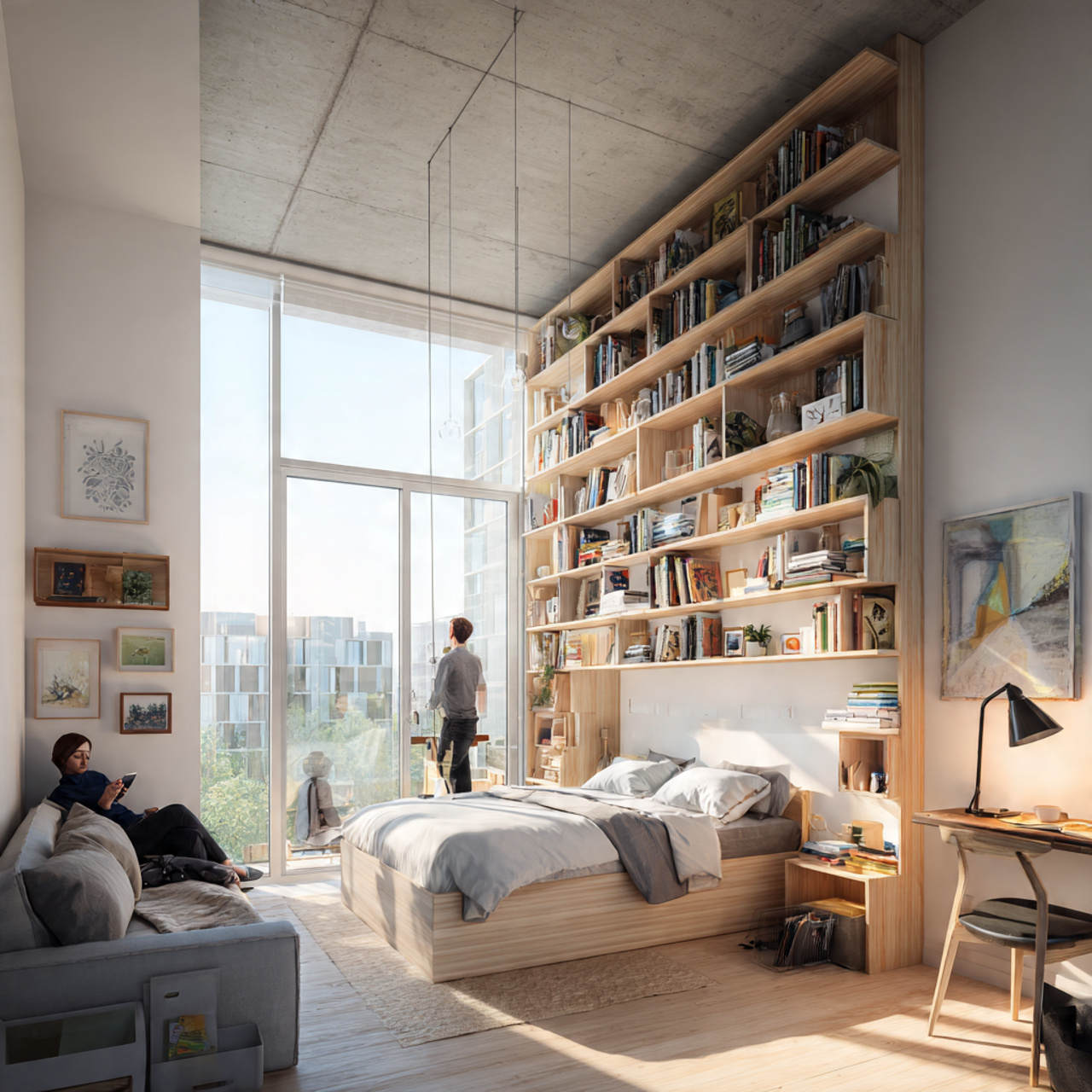
When floor space is limited, a vertical layout focuses on drawing the eye upward and utilizing the walls for function and beauty. This includes tall headboards, floor-to-ceiling drapery, and high-mounted shelving to create a sense of loftiness. By emphasizing the vertical dimension, you make the entire room feel taller and more expansive than its physical footprint suggests.
This layout encourages the use of hanging elements and tall, slender furniture pieces that take up minimal floor area. It is a strategic way to pack a lot of style and utility into a small room without making it feel crowded. Focusing on height is a brilliant way to add drama and a sense of “grandeur” to compact living quarters.
Expansive Open Floor Concept
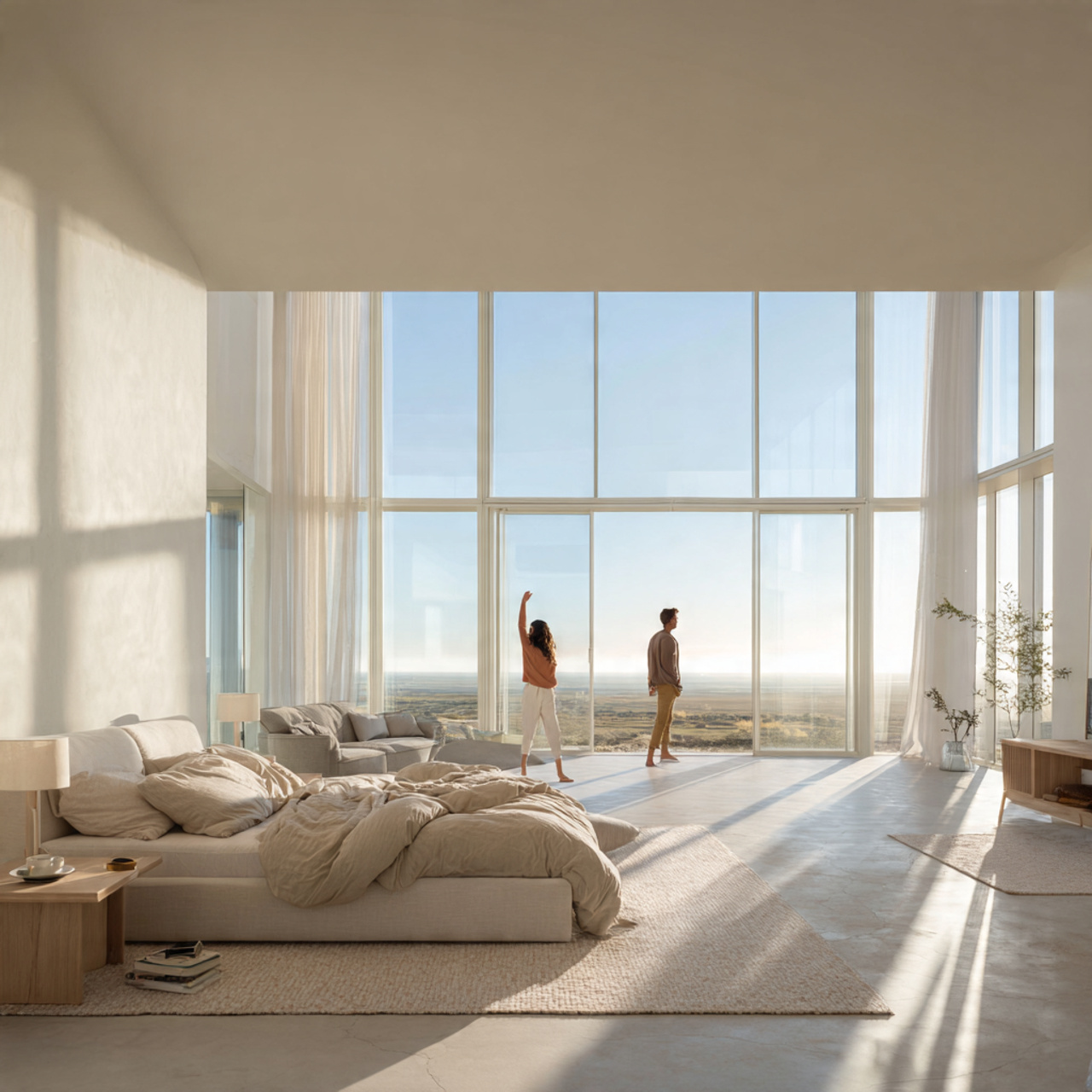
An expansive open floor layout is all about celebrating the sheer size of a room by keeping furniture pieces low and widely spaced. This layout avoids tall dividers or heavy curtains, favoring a minimalist aesthetic that lets the architecture speak for itself. It creates a gallery-like atmosphere where the “emptiness” of the room is just as important as the furniture.
This approach provides a sense of freedom and calm that is incredibly restorative. It is perfect for those who want to feel unconfined and enjoy the luxury of extra space for movement or meditation. By keeping the floor plan open, you ensure that the room remains a versatile canvas for your changing needs and inspirations.
Cozy Enclosed Privacy Nook
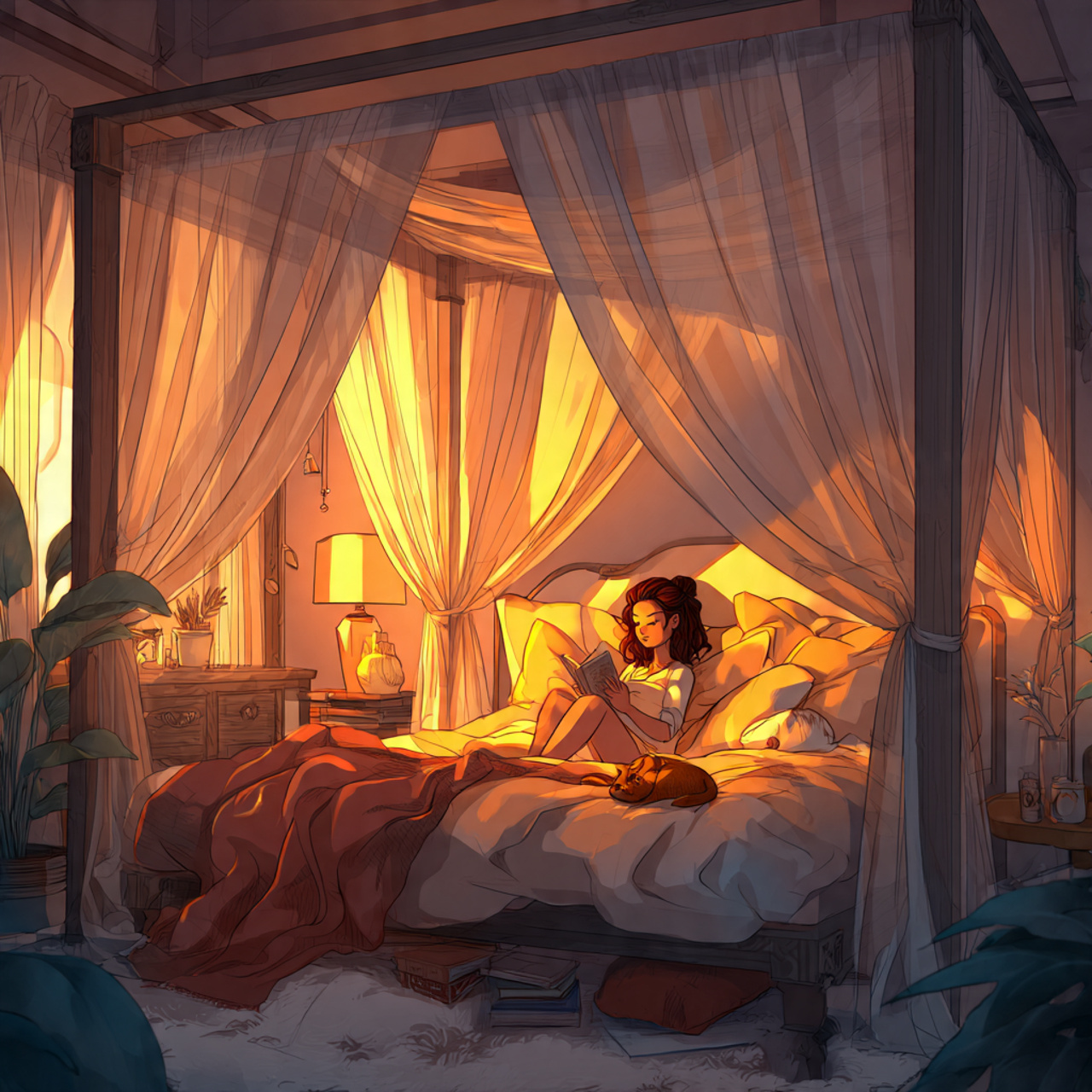
For those who crave a sense of security, an enclosed privacy layout uses furniture to create a protected sleeping zone. This can be achieved by placing a canopy bed in the center or using folding screens to wall off the bed from the rest of the room. It focuses on the idea of the bed as a private sanctuary where the outside world is momentarily forgotten.
This layout is deeply comforting and provides a strong sense of place within the home. It allows you to create a specific “micro-climate” of coziness that is separate from the more functional areas of the house. Using soft fabrics and warm lighting within this enclosed space enhances the feeling of a private, hidden retreat.
Balanced Proportion Layout

A balanced proportion layout is all about matching the scale of your furniture to the scale of the room itself. In a large room, this means using oversized pieces that can stand their ground, while in a smaller room, it means choosing slender, leggy furniture. This layout ensures that nothing feels too big or too small, creating a sense of visual “rightness” that is immediately calming.
When the proportions are correct, the room feels effortless and well-designed regardless of the specific style of the furniture. This approach requires a keen eye for how much “weight” each piece carries visually. It is the secret to creating a room that feels professionally staged and perfectly suited to its environment.
Art Gallery Perimeter Flow
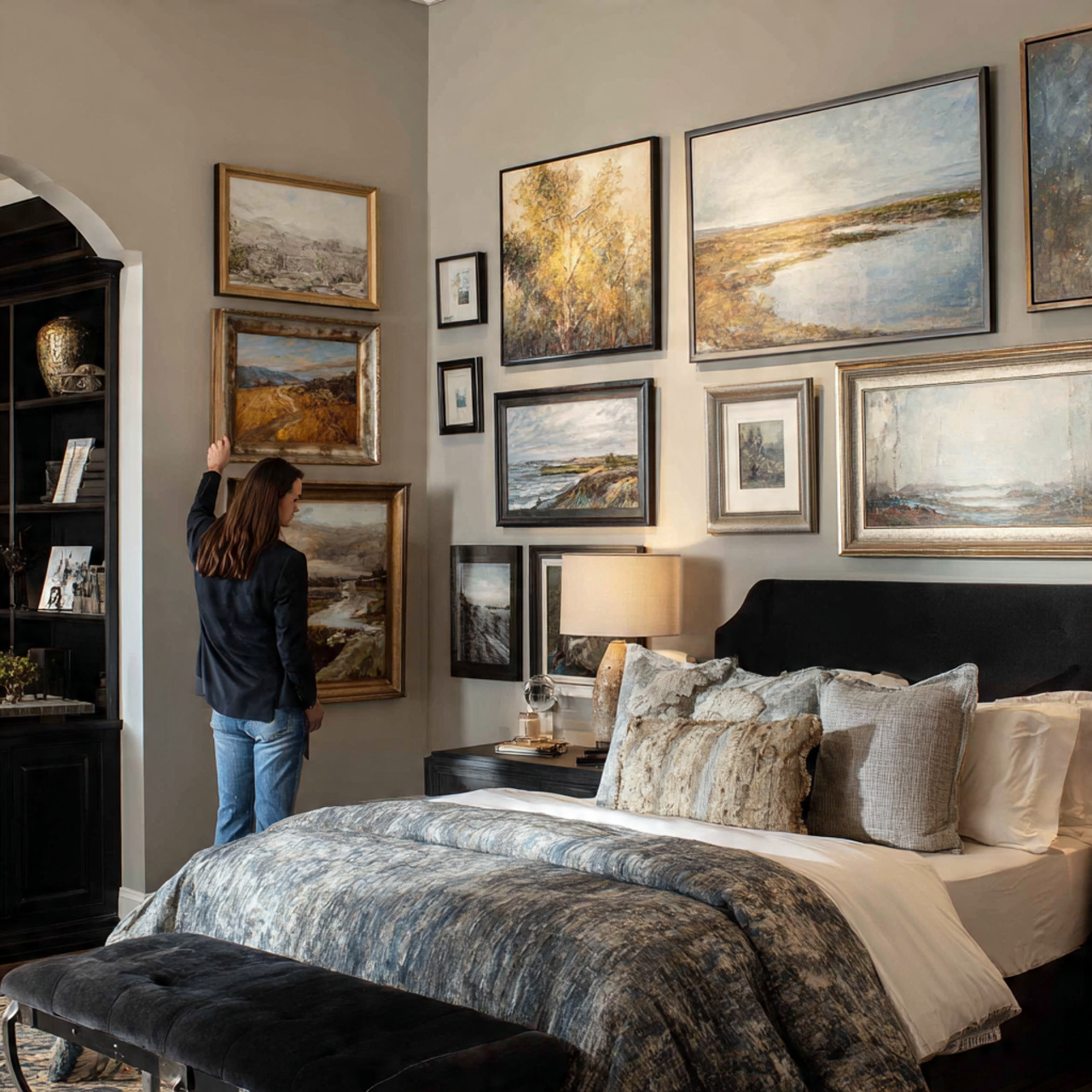
Transform your bedroom into a living gallery by arranging your furniture to highlight the walls as display spaces. This layout leaves significant wall space open for large-scale paintings or a series of framed photographs, with the furniture acting as a supporting cast. It treats the bedroom as a place of cultural appreciation and visual inspiration.
By directing the flow of the room toward the art, you create a space that feels intellectually stimulating and creatively charged. This arrangement is perfect for collectors or anyone who finds peace in being surrounded by beautiful imagery. It turns the simple act of walking through your bedroom into an immersive artistic experience.
Seasonal Rotation Floor Plan
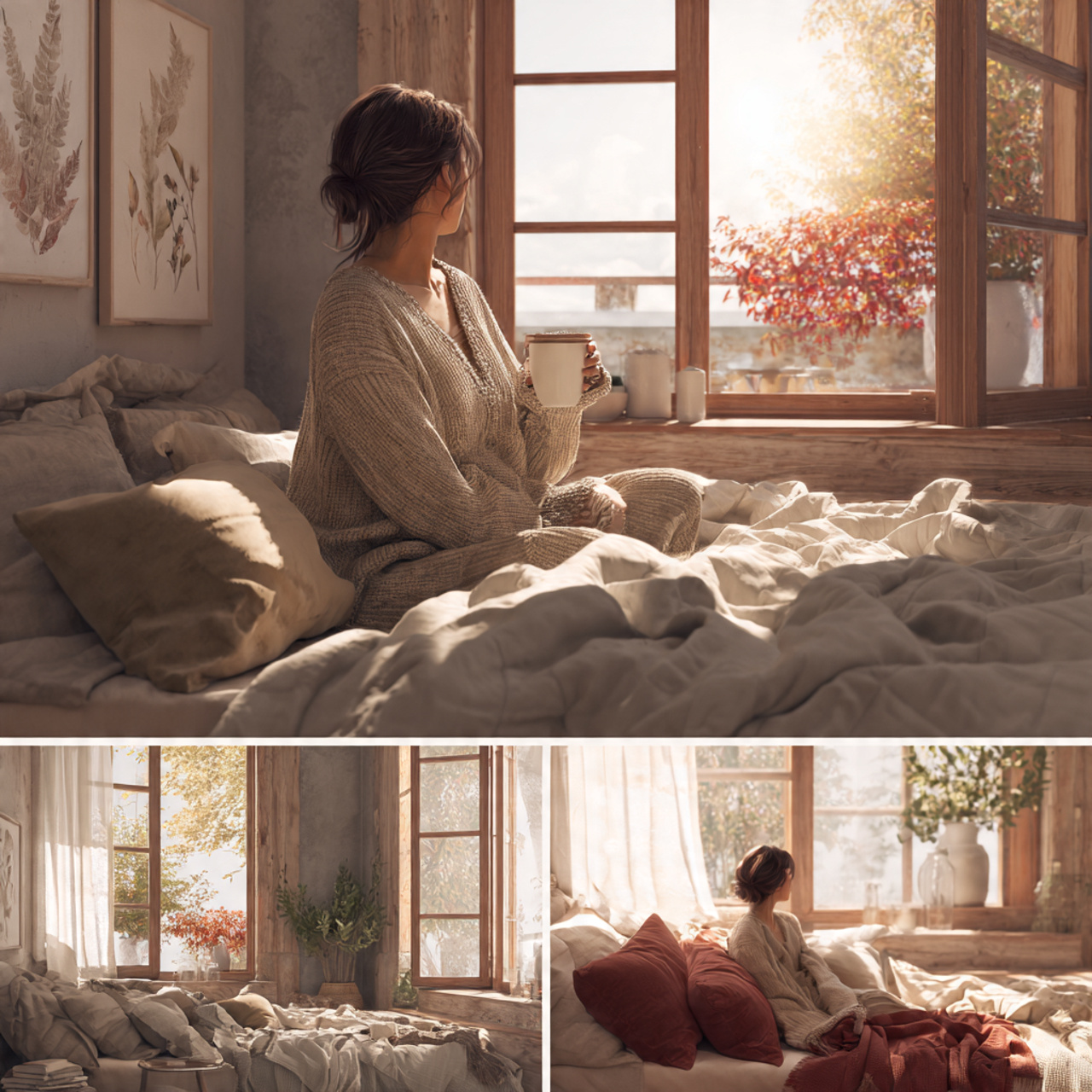
A seasonal rotation layout is a dynamic approach where you shift your furniture based on the time of year. This might involve moving the bed closer to the window in the summer to enjoy the breeze and pulling it closer to a fireplace or an interior wall in the winter. It is a way to stay connected to the natural cycles of the year and keep your environment feeling fresh.
This layout keeps your creative juices flowing by preventing your space from becoming stagnant. It allows you to experience your bedroom in different ways throughout the year, highlighting different features as the light and temperature change. It is a playful and proactive way to ensure your bedroom always feels like the perfect place to be.
FAQs About Bedroom Layout Ideas
What are the most spacious Bedroom Layout Ideas for small rooms?
The most spacious layouts for smaller areas focus on maximizing vertical space and keeping the central floor clear. Using a minimalist walkway optimization or a mirrored perimeter setup can visually double the size of the room. These ideas prioritize light and movement to prevent the space from feeling cramped or cluttered.
How do Bedroom Layout Ideas incorporate natural light effectively?
Effective layouts often involve a window-framed bed placement or a mirrored perimeter to bounce light into darker corners. Positioning the bed to face the morning sun can also enhance the natural rhythm of your day. By considering the sun’s path, you can create a room that feels vibrant and energized during daylight hours.
Which Bedroom Layout Ideas work best for irregular room shapes?
For rooms with unusual angles or niches, a recessed alcove bed positioning or an angled focal point orientation works wonders. These strategies lean into the unique architecture of the space rather than fighting against it. They turn “awkward” corners into intentional design features that add character to the room.
Can Bedroom Layout Ideas accommodate both a bed and a seating area?
Yes, layouts like the wraparound lounge configuration or the dedicated reading corner integration are designed for exactly this purpose. By grouping seating furniture together, you create a distinct secondary zone within the bedroom. This allows the room to serve as both a place for sleep and a private area for daytime relaxation.
How do different Bedroom Layout Ideas influence the overall mood of the space?
A symmetric centerpiece arrangement tends to feel formal and calming, while an open concept suite design feels modern and liberating. The way you arrange your furniture dictates the flow of energy and how you interact with the room. Choosing a layout that matches your desired emotional state is key to creating a successful sanctuary.
Conclusion
Exploring different Bedroom Layout Ideas is a powerful way to reconnect with your home and express your personal style. Whether you prefer the structured elegance of symmetry or the fluid nature of an open concept, the way you arrange your space has a profound impact on your daily inspiration.
By focusing on creativity and artistic flow, you can transform any bedroom into a stunning retreat that offers both comfort and visual delight. We hope these Bedroom Layout Ideas inspire you to see your space as a canvas for your most imaginative and restful life.