25 70s Living Room Ideas to Create a Warm, Bold & Vintage Space
70s living room ideas offer a vibrant gateway into a world of bold self-expression and unparalleled comfort. This era was defined by a fearless approach to interior design that prioritized warmth, texture, and a sense of communal joy within the home.
Embracing these concepts allows for a creative exploration of nostalgia blended with modern sensibilities. The richness of the color palettes and the organic flow of the furniture provide endless inspiration for anyone looking to craft a space that feels both historic and fresh.
Best 70s Living Room Ideas to Try
70s living room ideas encompass a wide variety of aesthetics ranging from earthy bohemian retreats to high-gloss disco glamor. This section explores how different materials and layout choices can transform a standard living area into a soulful sanctuary that celebrates vintage charm.
Integrating these diverse concepts provides a roadmap for building a layered and inviting atmosphere. Whether you are drawn to the ruggedness of natural stone or the softness of plush textiles, these selections focus on the imaginative variety available to the modern decorator.
Sunken Conversation Pit Comfort
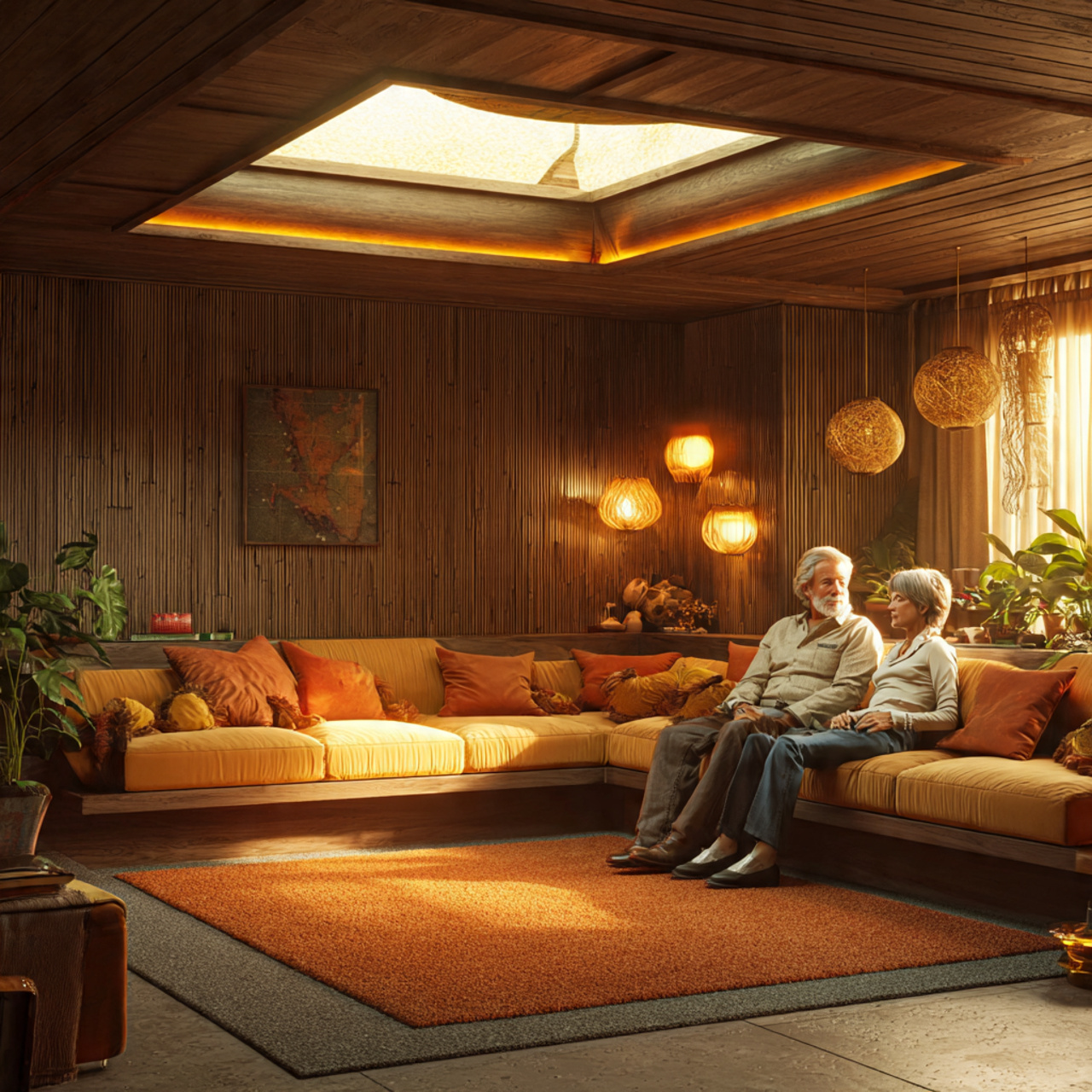
The conversation pit remains one of the most iconic architectural features of the decade, designed to foster intimacy and togetherness. By lowering the seating area below the floor level, you create a dedicated zone that feels separate from the rest of the house without using walls.
Plush cushions and wrap-around sofas in these pits encourage long evenings of storytelling and relaxation. It turns the floor itself into a functional piece of furniture, making the entire room feel more spacious and grounded at the same time.
Earthy Ochre and Terracotta Palettes
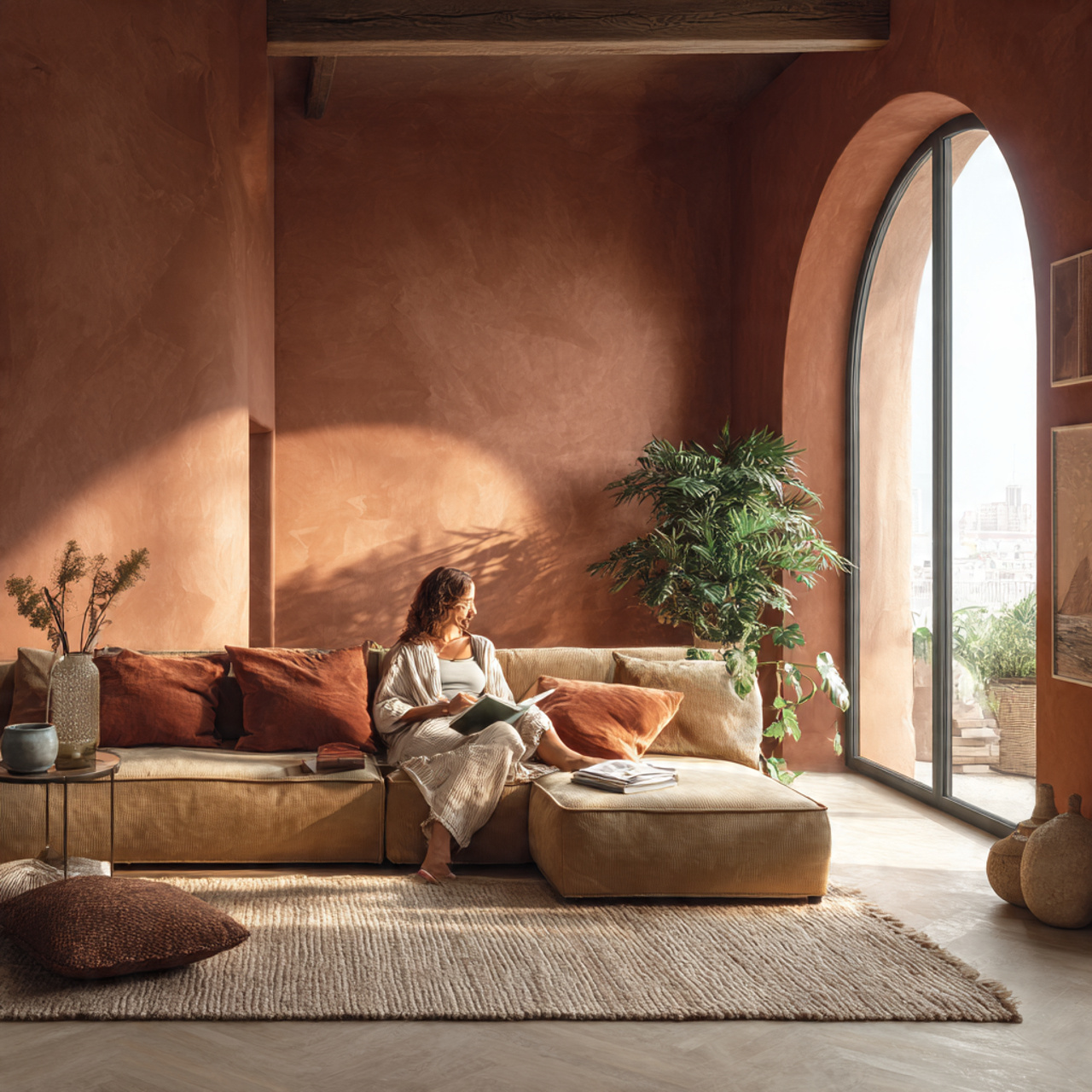
Deep, resonant earth tones defined the interior landscape of the seventies, bringing a sense of the outdoors inside. Using ochre and terracotta creates a warm, sun-drenched feeling that makes even the largest living rooms feel cozy and approachable.
These colors work beautifully when applied to large surfaces like accent walls or heavy drapery. They provide a sophisticated backdrop that allows wooden furniture and metallic accents to pop, grounding the room in a very natural and organic way.
Shag Rug Texture Layers
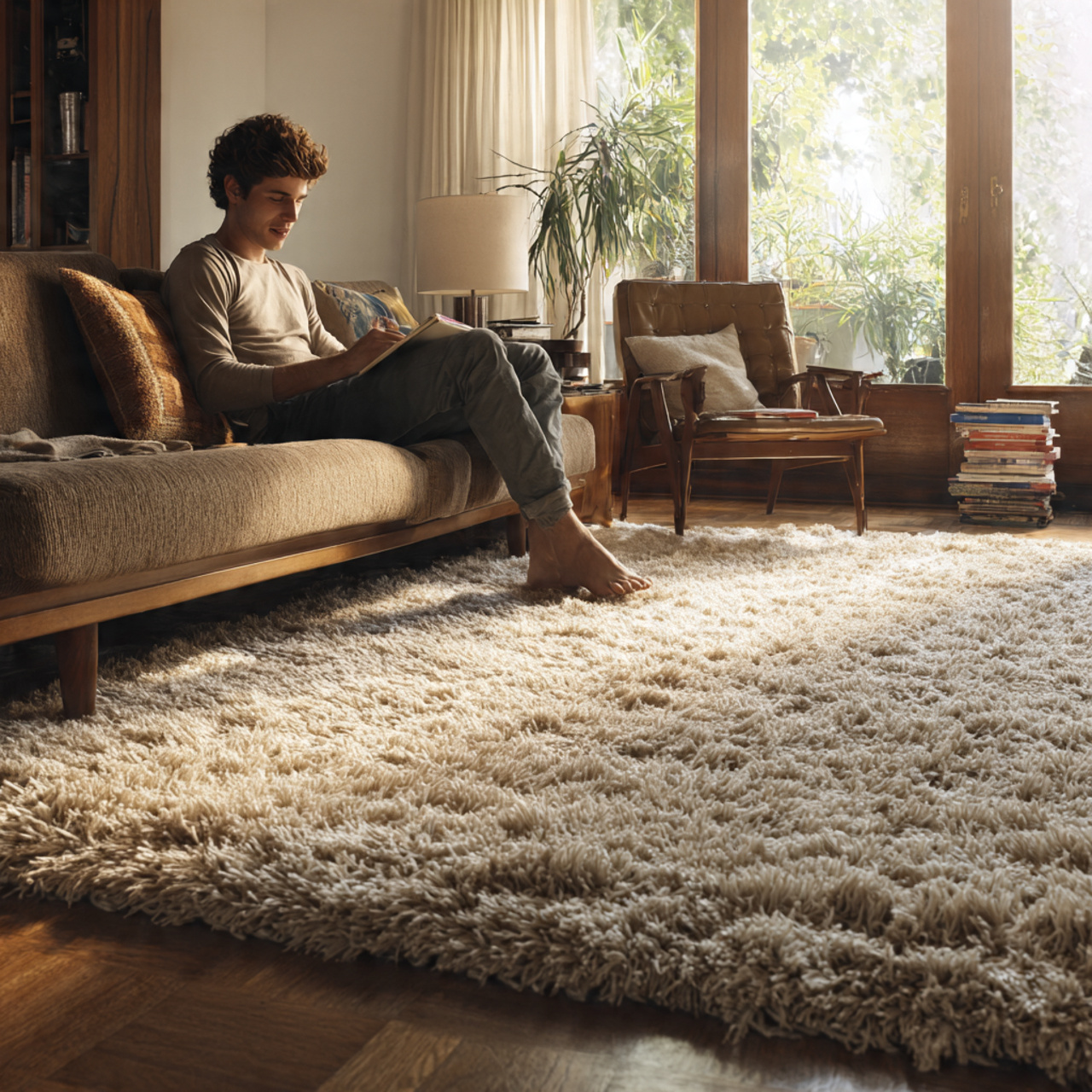
Nothing says retro comfort quite like the deep, tactile pile of a classic shag rug spread across a hardwood floor. These rugs were more than just floor coverings; they were sensory experiences that invited people to sit, lie down, and linger in the space.
Choosing a rug in a cream or burnt orange shade adds an immediate layer of visual interest and physical softness. Modern versions of these rugs maintain the height and density of the originals while using fibers that are much easier to maintain and keep clean.
Rattan and Wicker Accent Furniture
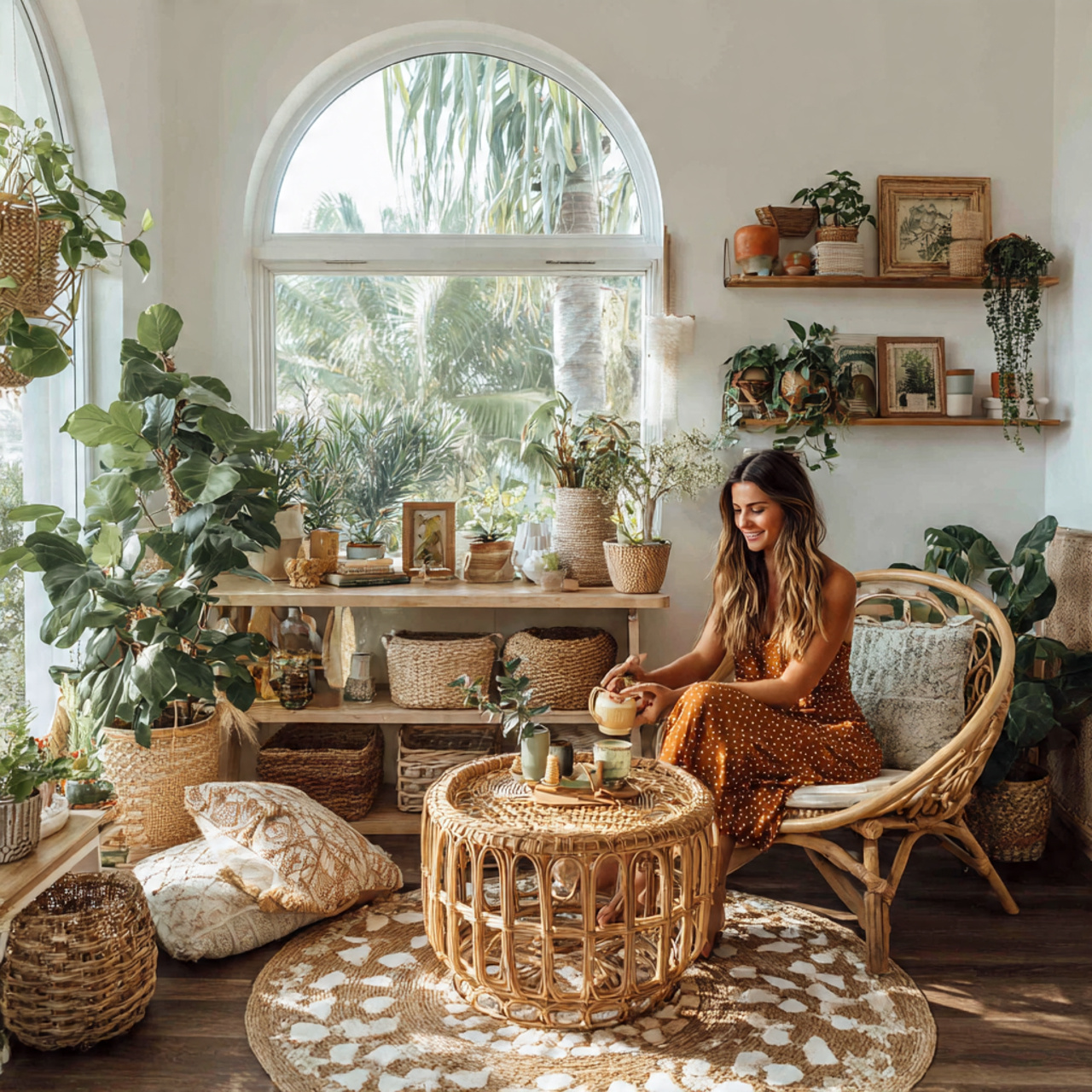
Woven natural materials like rattan and wicker were staples of the bohemian side of seventies design. These pieces bring a lightweight, airy quality to a room that balances out the heavier upholstered furniture often found in traditional layouts.
From arched shelving units to intricate side tables, these textures add a handmade, artisanal feel to the environment. They evoke a sense of global travel and relaxed coastal living, making the lounge area feel like a permanent vacation spot.
Bold Geometric Wallpaper Patterns
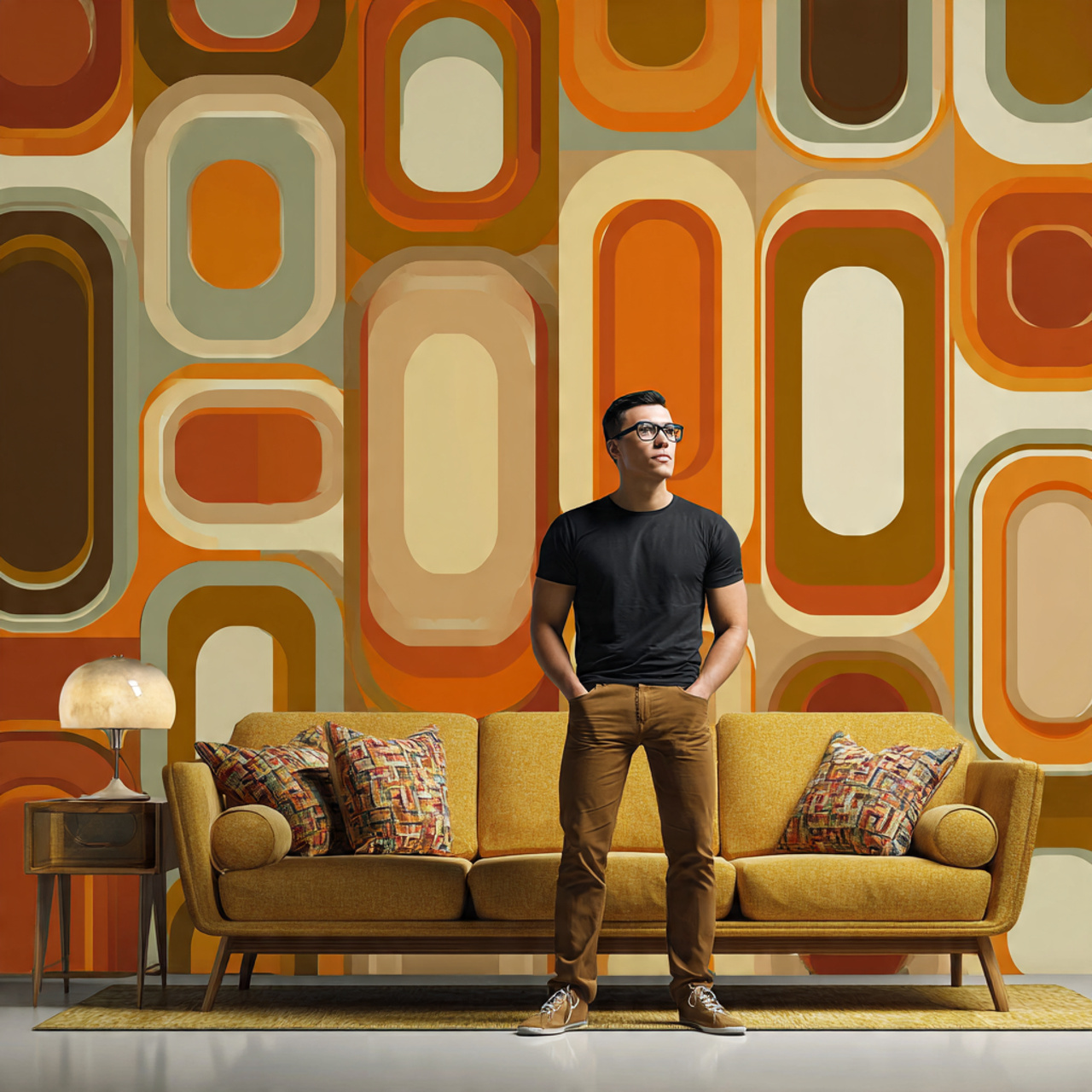
Wallpaper in the seventies was anything but subtle, often featuring large-scale graphics and repetitive shapes. Using a bold geometric pattern on a single wall can act as a massive piece of art, instantly setting the tone for the entire interior.
These designs often utilized high-contrast colors like brown, orange, and cream to create a sense of movement and energy. It is a fantastic way to introduce a sense of rhythm into the space while paying homage to the era’s love for graphic design.
Velvet Tufted Sofas
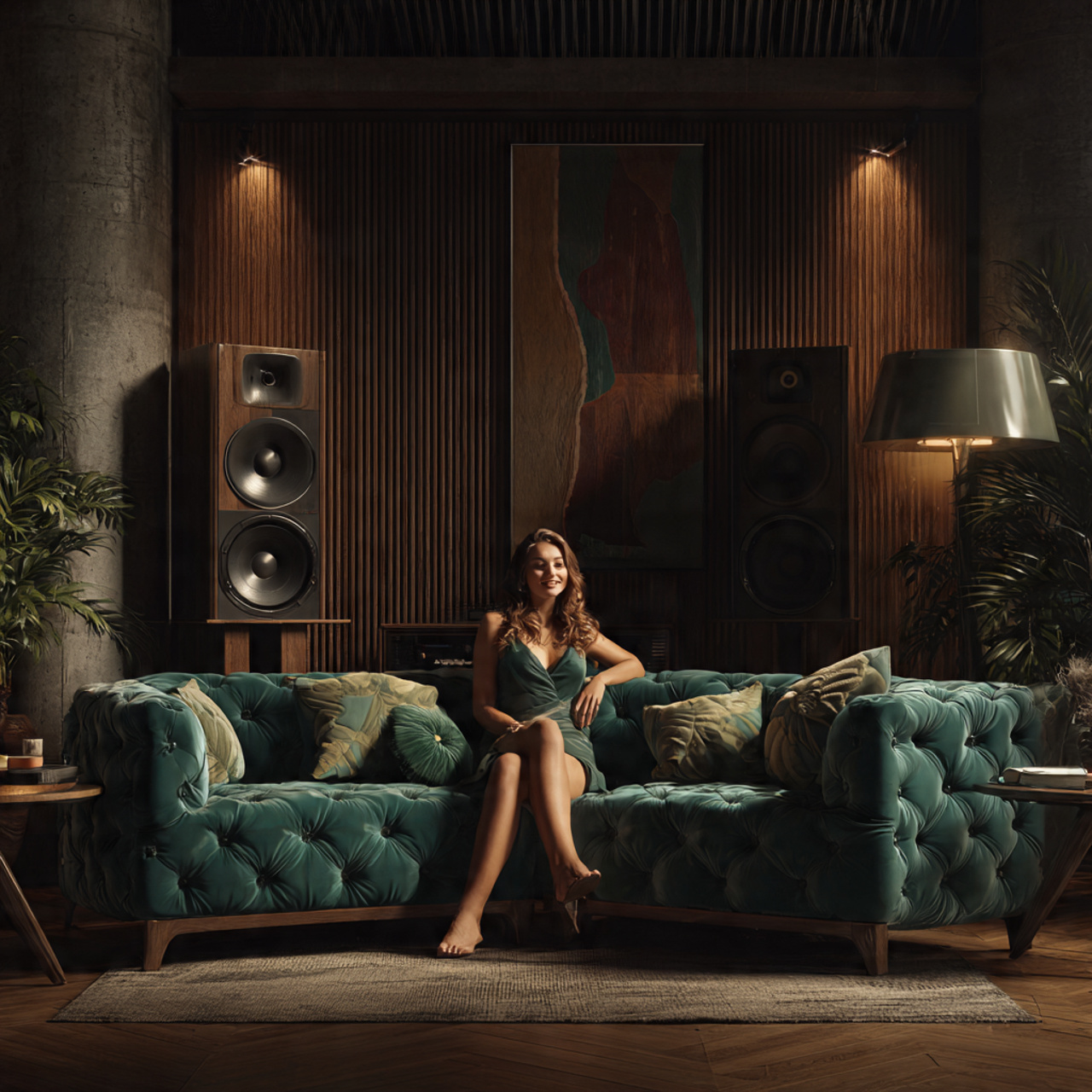
Velvet was the textile of choice for those seeking a touch of luxury and decadence in their daily lives. A tufted sofa in a deep forest green or royal blue serves as a sophisticated centerpiece that feels incredibly soft to the touch.
The way light plays off the sheen of velvet adds a sense of depth and dimension to the seating area. It bridges the gap between the ruggedness of the decade’s earthier elements and the refined elegance of mid-century modern influences.
Macramé Wall Hanging Decor
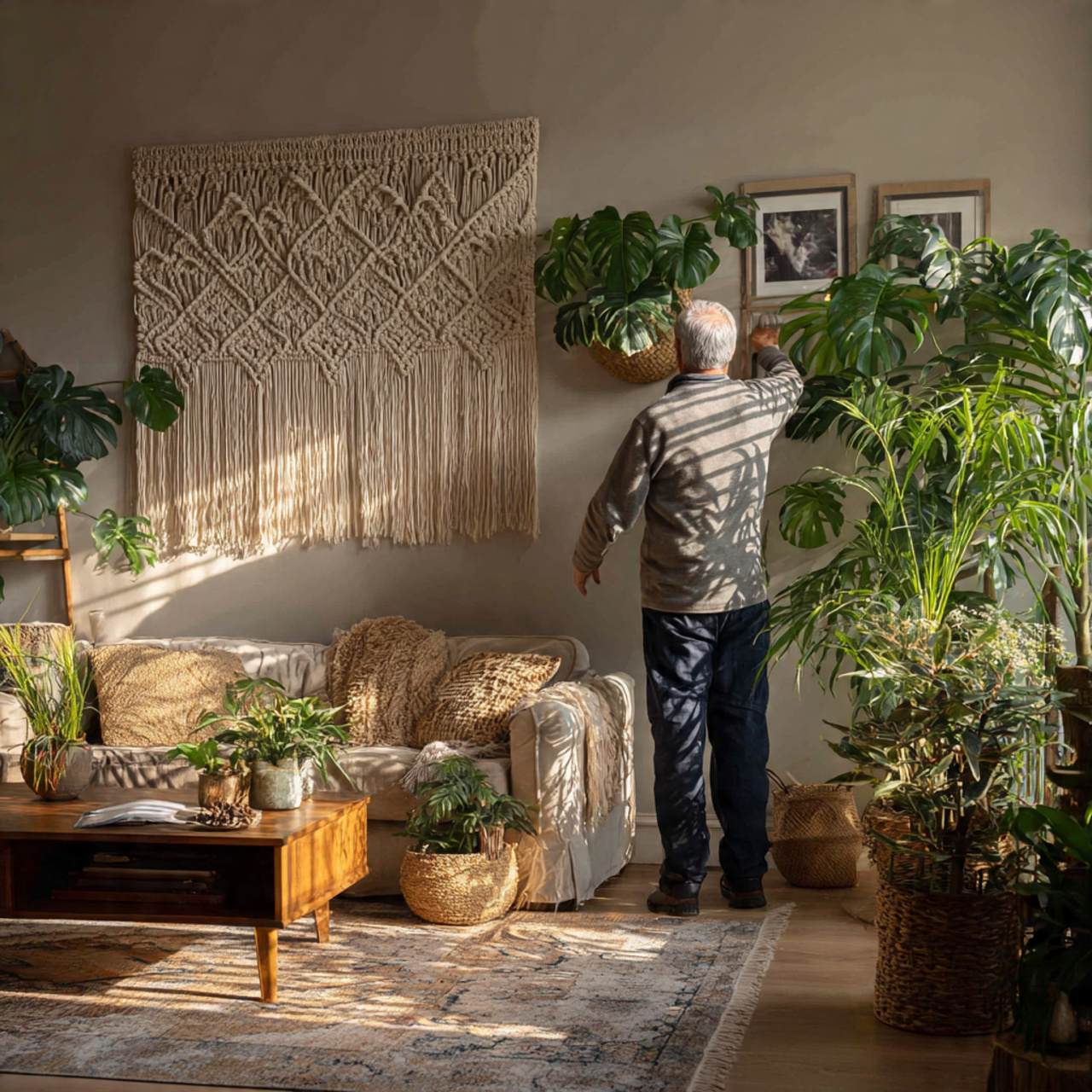
Textile art saw a massive resurgence during this period, with macramé leading the way as a popular DIY craft. Large-scale knotted wall hangings provide a soft, tactile alternative to framed pictures, adding a rustic and lived-in charm to the walls.
These pieces often incorporate natural wooden dowels and unbleached cotton cords to maintain a neutral, organic appearance. They are perfect for filling large vertical spaces while adding a layer of intricate detail that draws the eye upward.
Indoor Jungle Houseplant Displays
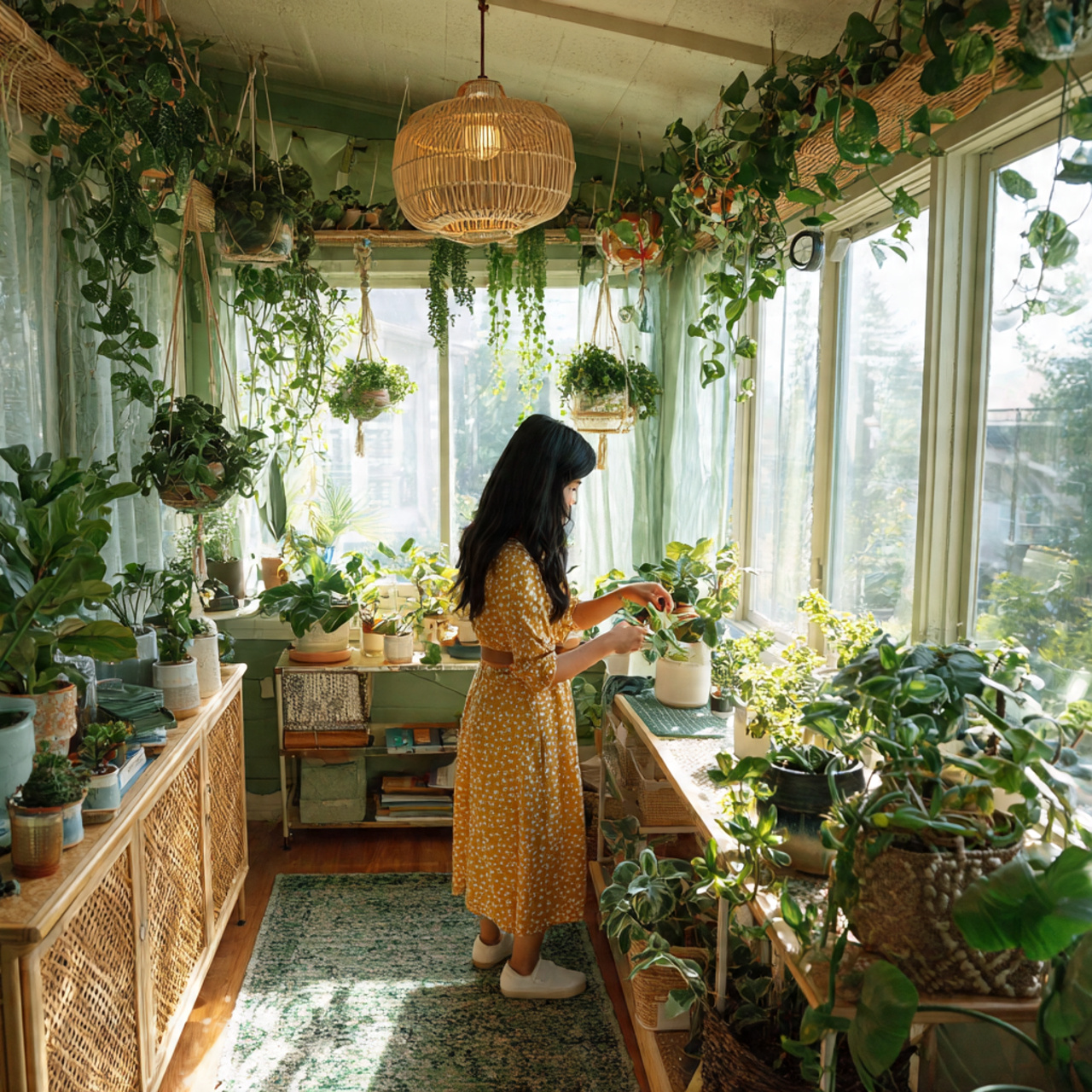
The seventies saw a true obsession with bringing greenery indoors, often resulting in rooms that felt like lush conservatories. Large leafy plants like monsters and ferns were placed on every available surface, from pedestals to hanging baskets.
Integrating a variety of plant heights creates a dynamic, living gallery that improves air quality and visual appeal. This explosion of green acts as a natural neutral, complementing almost any color scheme while adding a sense of vitality.
Chrome and Smoked Glass Tables
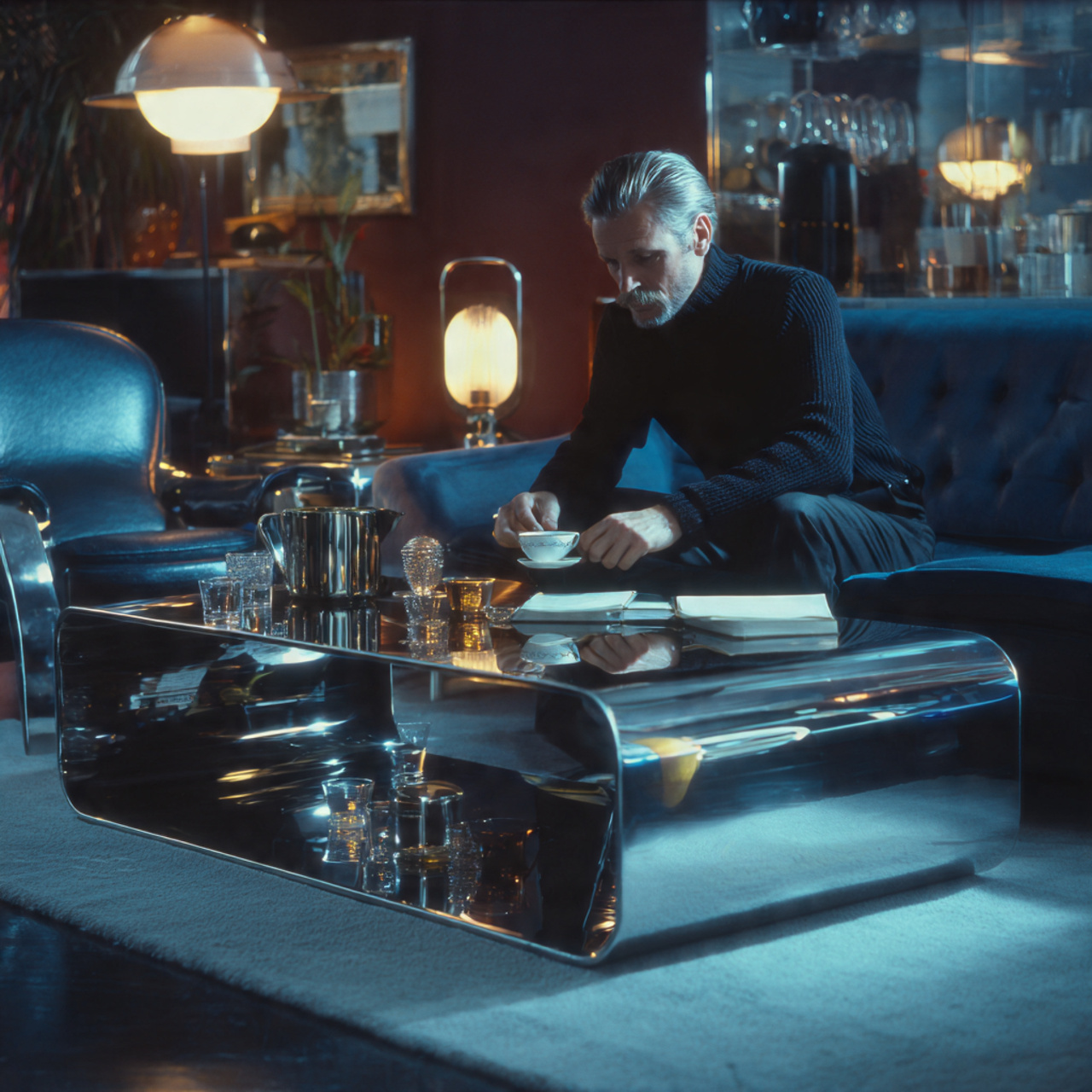
On the more modern and futuristic end of the design spectrum, chrome and smoked glass were essential materials. A coffee table featuring these sleek finishes adds a sense of lightness and transparency to a room filled with heavy textiles.
The reflective surfaces of the chrome catch the ambient light, while the dark tint of the glass provides a moody, sophisticated edge. These pieces represent the transition toward the high-tech aesthetics that would eventually dominate the following decade.
Psychedelic Pop Art Accents
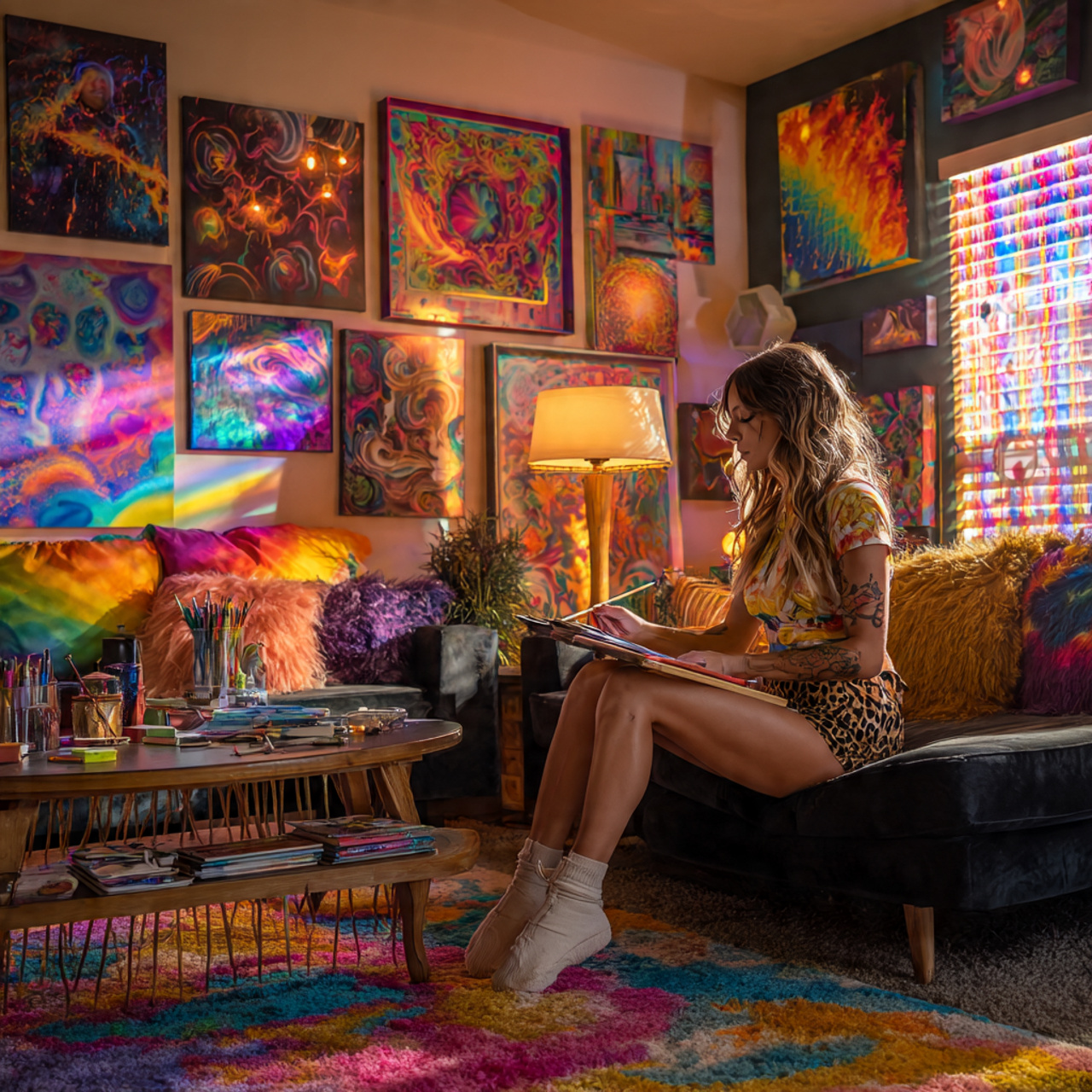
Art in the seventies often took inspiration from the vibrant music and counterculture scenes of the time. Incorporating psychedelic prints or pop art posters is a simple way to inject a sense of playfulness and rebellion into the decor.
These accents often feature swirling lines and neon hues that contrast sharply with the more muted earth tones of the furniture. It is an effective way to showcase personal taste and ensure the room feels energetic and full of life.
Wood Paneling Revival Walls
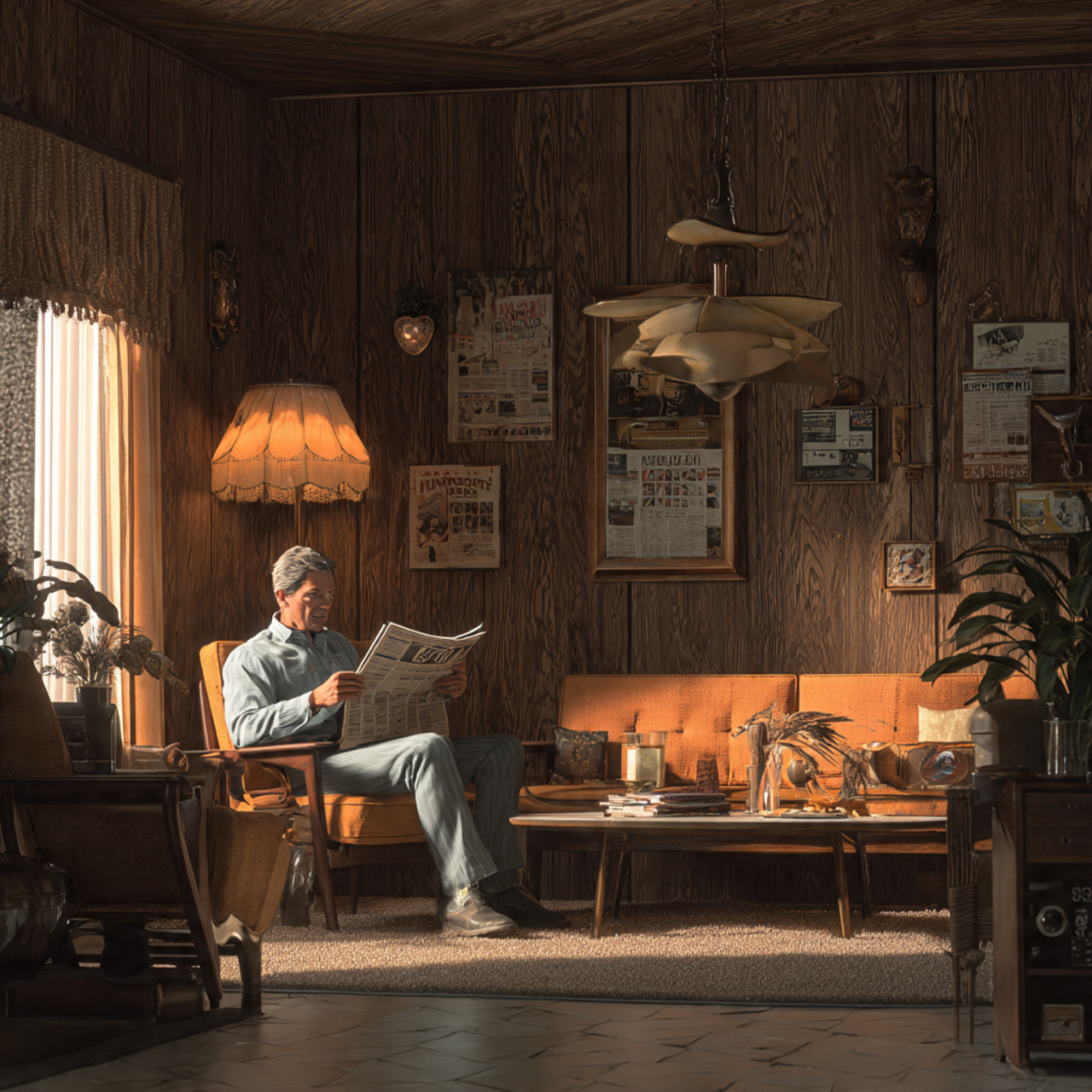
While often misunderstood, high-quality wood paneling can add immense architectural interest and warmth to a lounge. Opting for vertical slats in a rich walnut or teak finish creates a library-like atmosphere that feels timeless and sturdy.
When paired with modern furniture and bright art, wood paneling loses its dated reputation and becomes a textured, sophisticated backdrop. It provides a sense of enclosure and permanence that painted drywall simply cannot replicate.
Low Profile Modular Seating
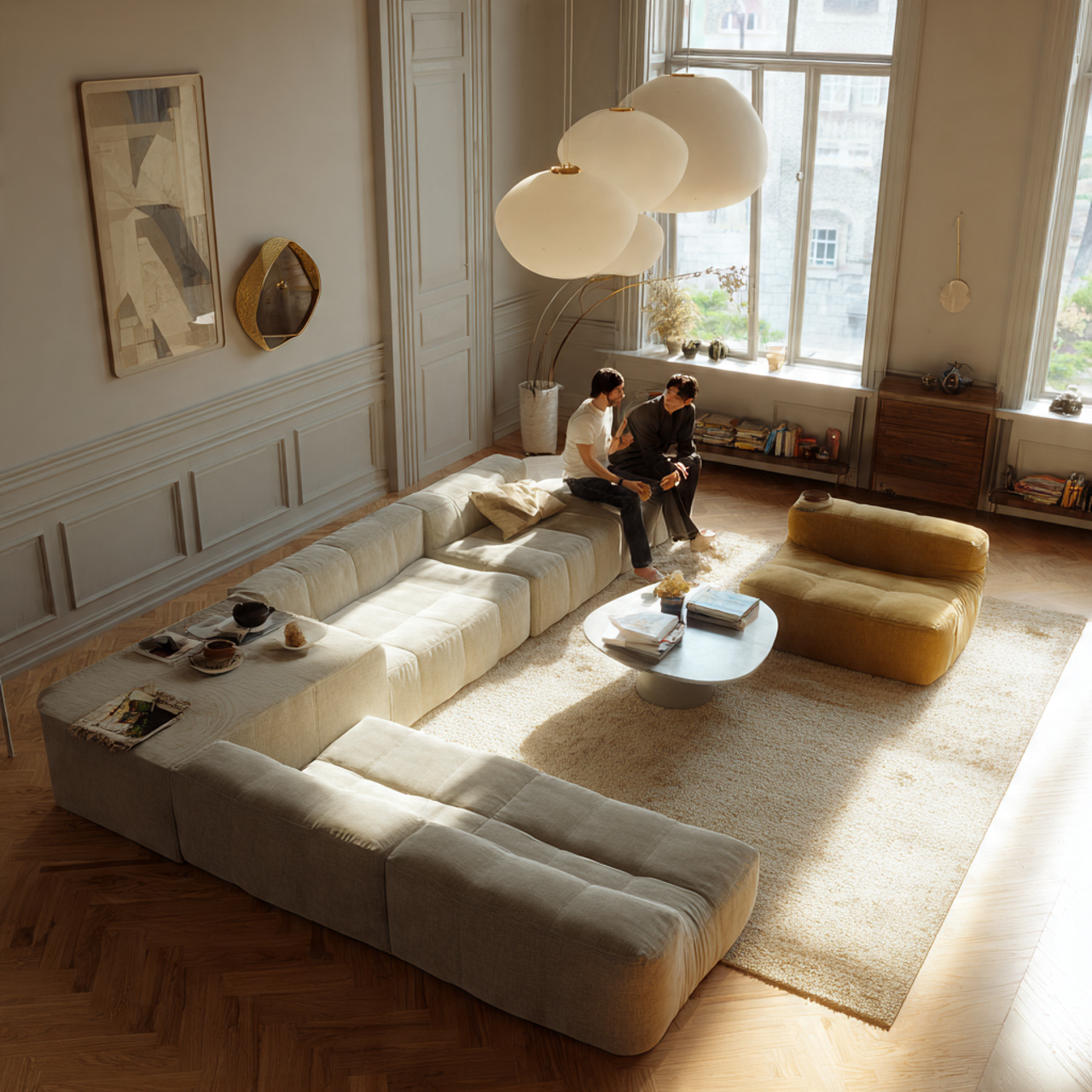
Modular sofas allowed homeowners to rearrange their living spaces on a whim, prioritizing flexibility and social interaction. These low-profile pieces sit close to the ground, making the ceiling feel higher and the overall atmosphere more relaxed.
Because they are composed of separate sections, you can create long runs of seating or small, private clusters. This adaptability is perfect for modern homes where the living room serves multiple functions throughout the day.
Hanging Bubble Chair Nooks
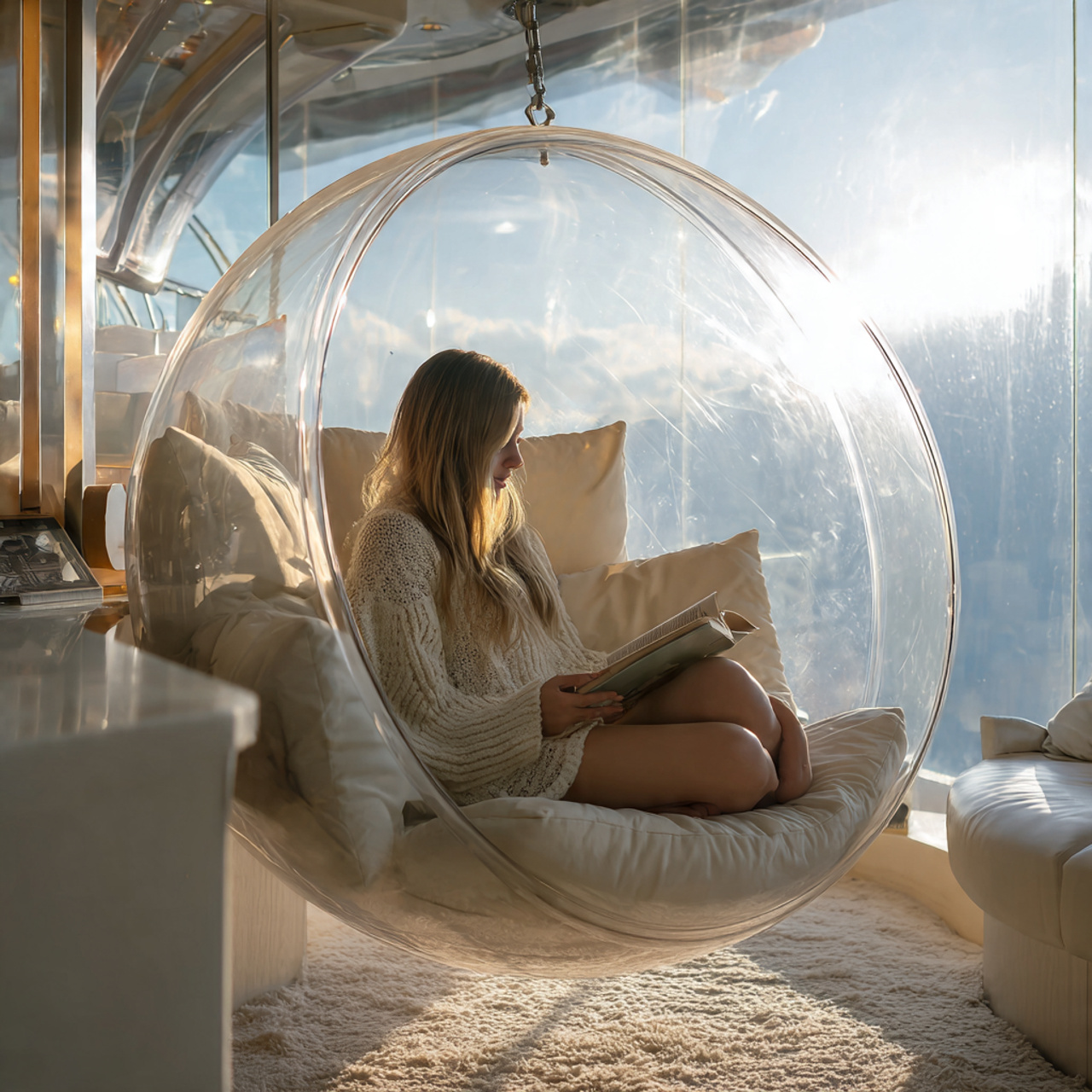
The hanging bubble chair is perhaps the ultimate symbol of retro-futuristic design and playful luxury. Suspended from the ceiling, these clear acrylic chairs provide a secluded pod for reading or listening to music without blocking sightlines.
Adding a faux fur throw or a colorful cushion inside the chair makes it even more inviting and cozy. It serves as a functional sculpture, drawing attention and sparking conversation whenever guests enter the room.
Statement Lava Lamp Lighting
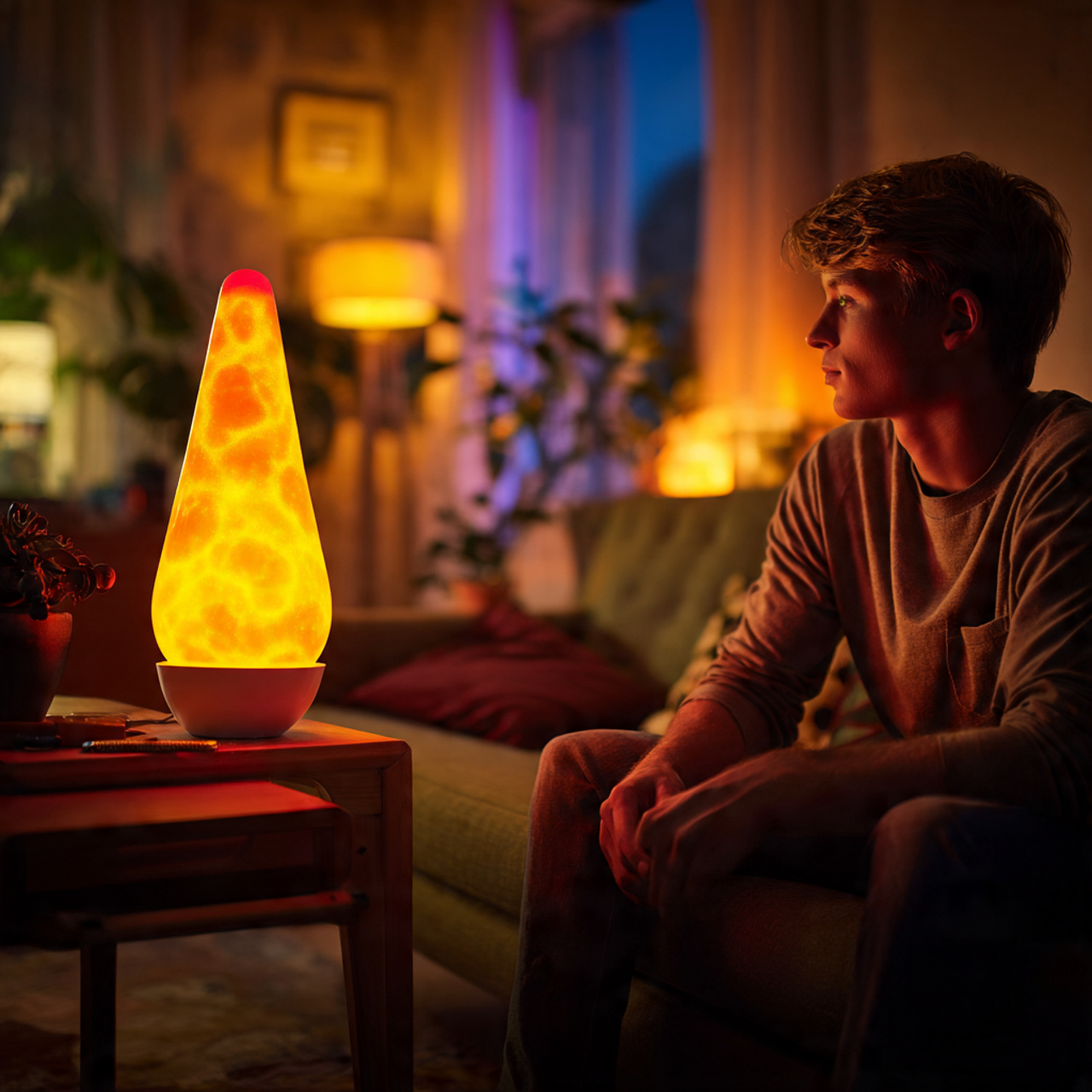
Lava lamps provided a mesmerizing, ambient glow that became synonymous with the relaxed vibes of the seventies. Placing one on a side table or a bookshelf adds a nostalgic light source that encourages a slower, more meditative mood.
The slow movement of the wax within the lamp creates a constantly shifting visual focal point that is incredibly soothing. It is a small but powerful detail that reinforces the era’s focus on atmosphere over utility.
Sunburst Mirror Focal Points
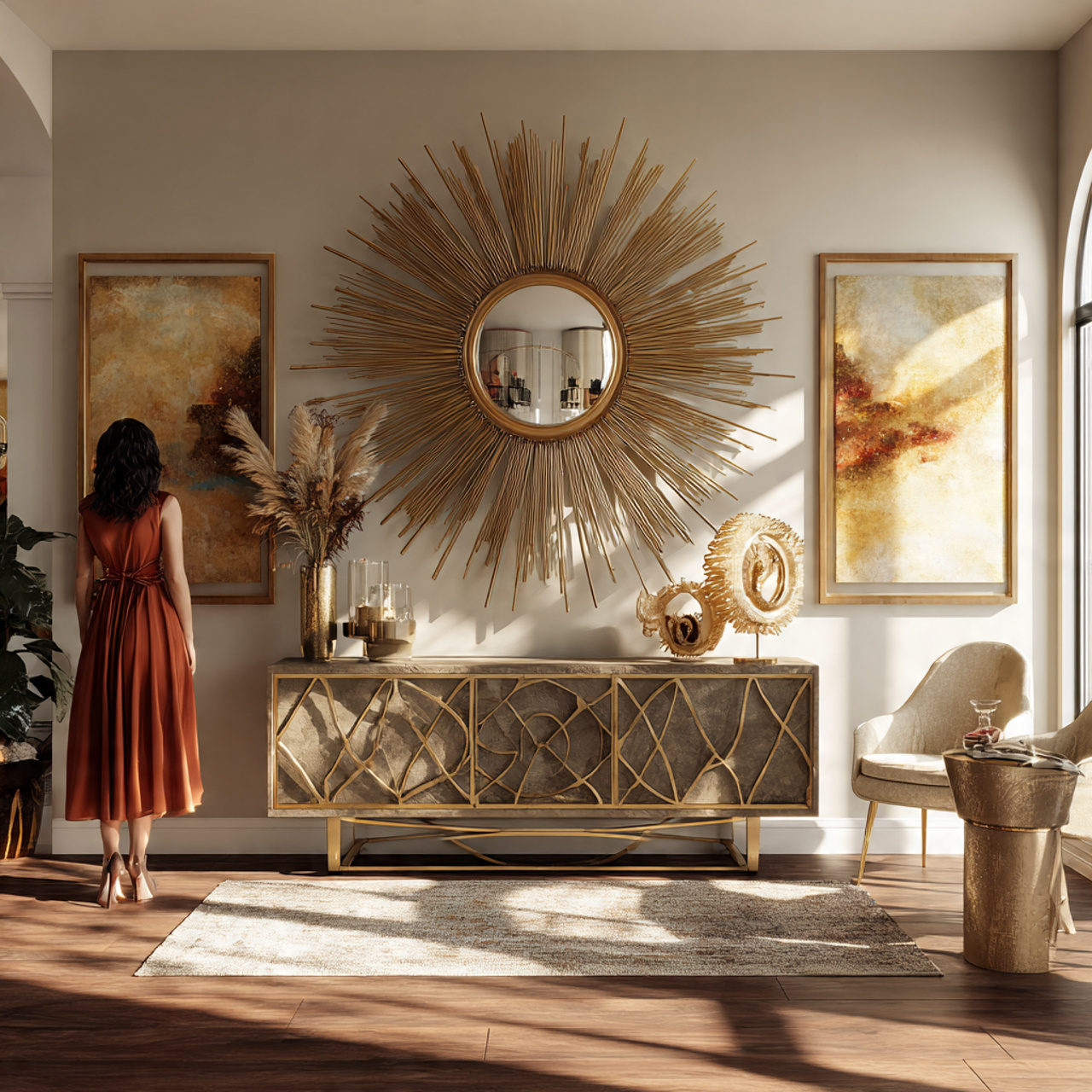
A sunburst mirror is a classic decorative element that adds a sense of radiance and energy to a blank wall. The metallic “rays” extending from the center create a dramatic visual impact that works well above a fireplace or a credenza.
These mirrors help to bounce light around the room, making the space feel brighter and more open. They offer a touch of glamour that elevates the more casual, bohemian elements often found in a retro-inspired lounge.
Crochet Throw Blanket Accents
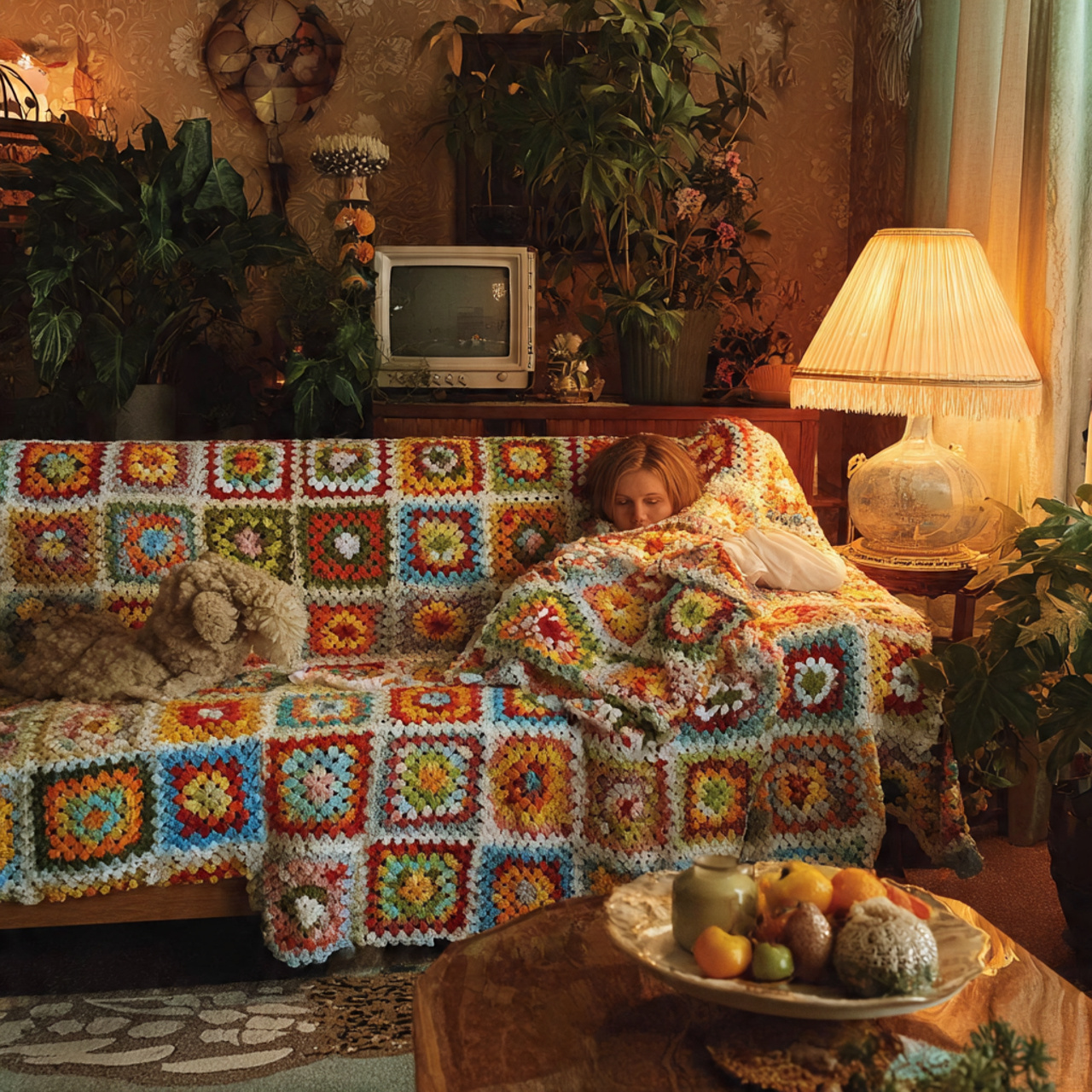
Handmade textiles like crochet “granny square” blankets add a layer of cozy, grandmother-chic charm to a sofa. These blankets often feature a kaleidoscope of colors, making them an easy way to tie different hues together in one space.
Draping a thick, woolen throw over the back of a chair adds instant texture and a sense of warmth. It reminds us of the decade’s appreciation for traditional crafts and the beauty of items made by hand.
Visit Also: living room corner ideas
Cork Flooring Warmth
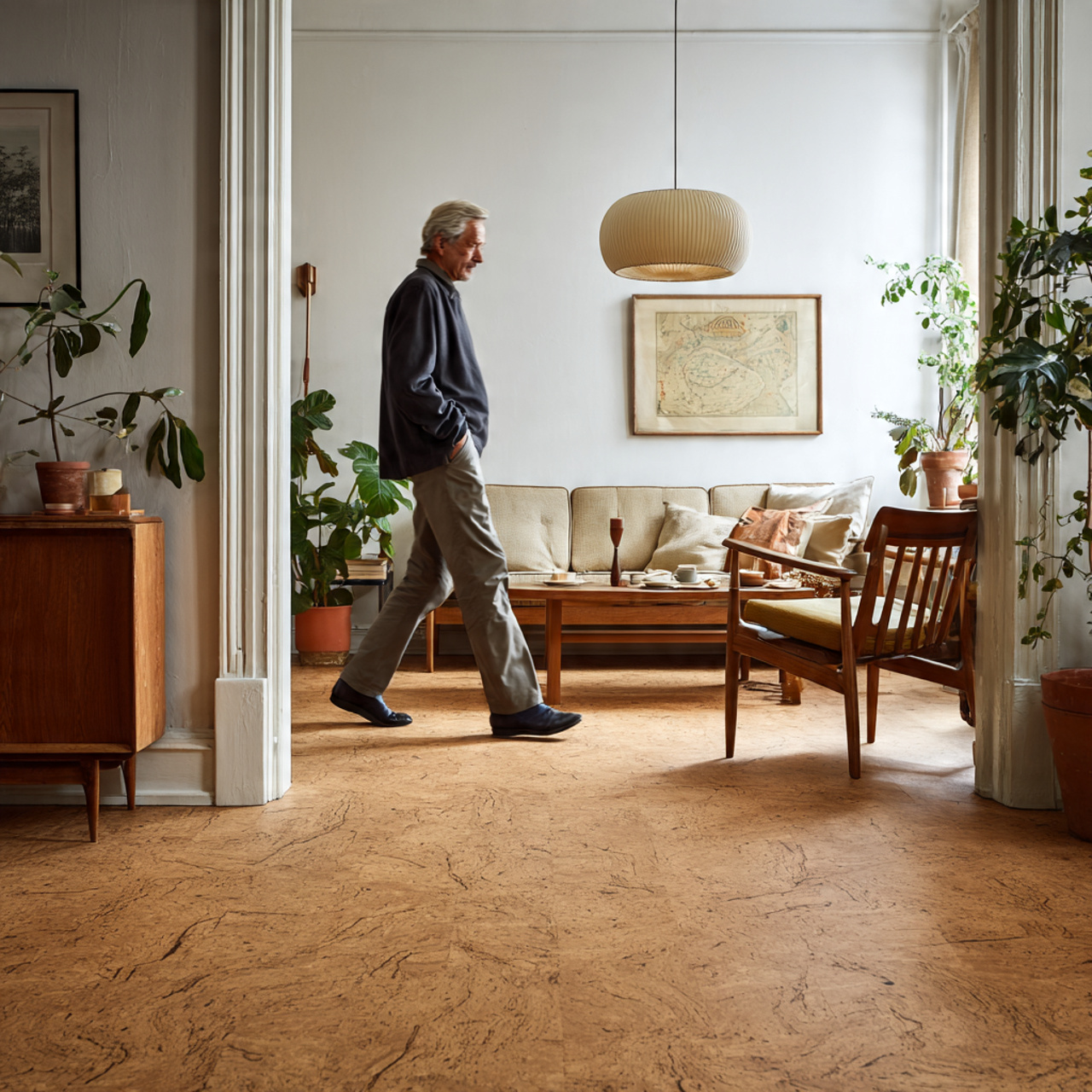
Cork was a popular flooring choice in the seventies due to its natural sustainability and soft, insulating properties. It provides a unique, dappled texture underfoot that is much warmer and quieter than traditional hardwood or tile.
Using cork today is a great way to stay environmentally conscious while leaning into a vintage aesthetic. Its neutral tan color pairs perfectly with both vibrant oranges and muted greens, serving as a versatile foundation for the room.
Mustard Yellow Upholstery
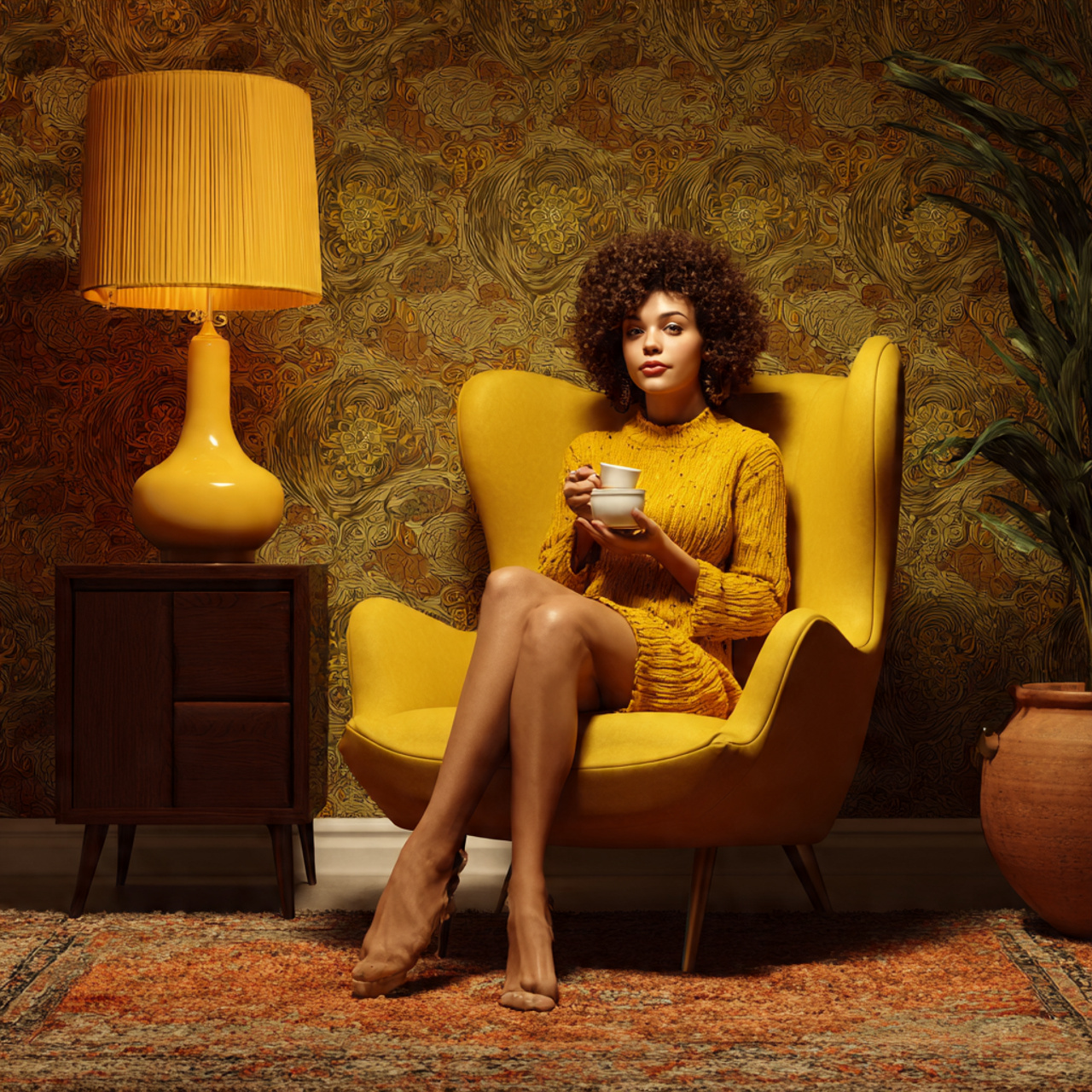
Mustard yellow was one of the most defining colors of the era, offering a punch of sunshine that isn’t as overwhelming as primary yellow. Using this shade on an armchair or a set of dining chairs adds a cheerful, retro pop to the space.
This color pairs exceptionally well with dark wood tones and gray accents, creating a balanced and sophisticated look. It captures the optimistic spirit of the decade while remaining remarkably easy to live with in a modern context.
Brass and Gold Metallic Details
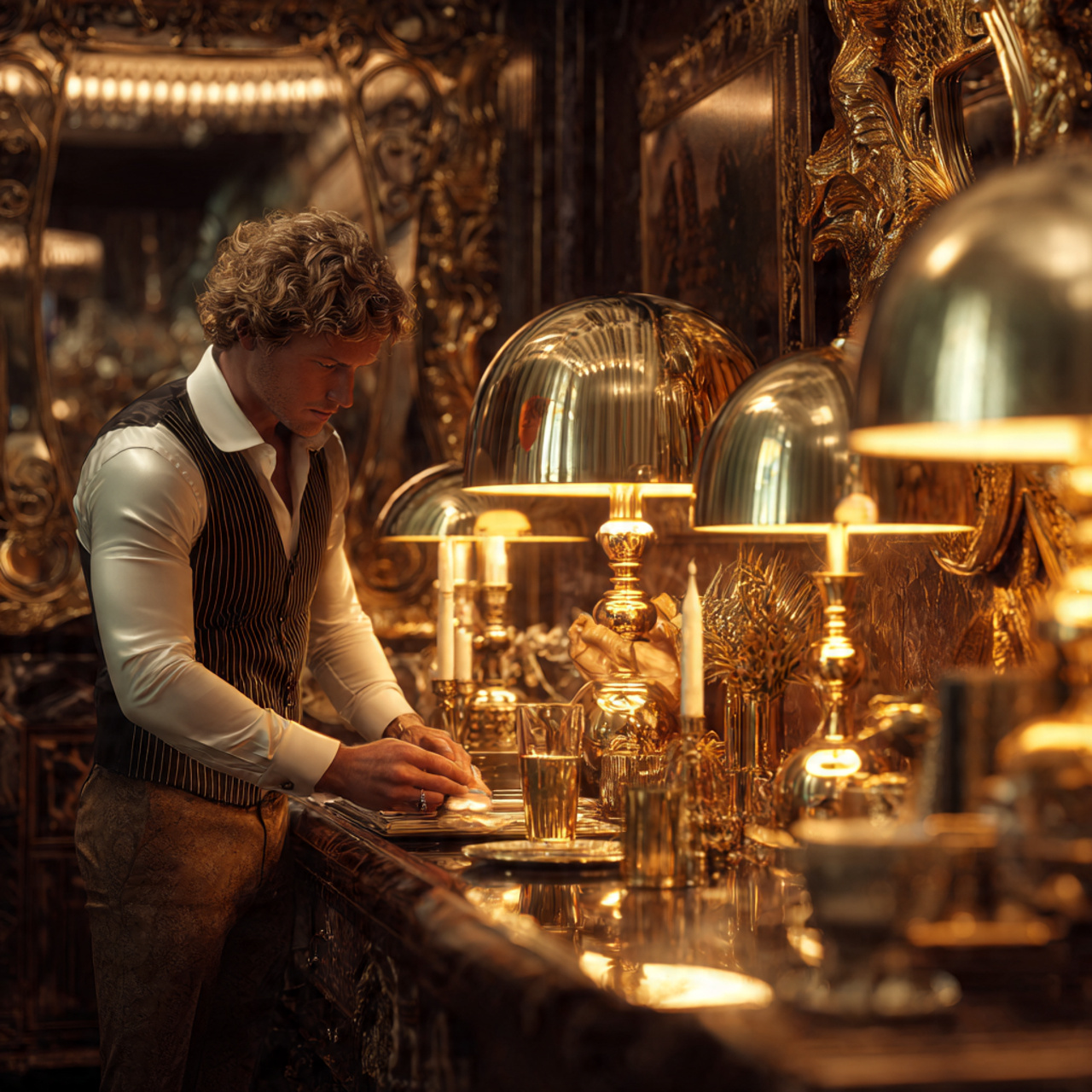
While the eighties were about silver and chrome, the seventies embraced the warmth of brass and gold. From lamp bases to picture frames, these metallic touches add a subtle sense of richness and history to the living area.
The soft patina of aged brass feels less clinical than polished steel, contributing to the overall sense of warmth. These details act like jewelry for the room, providing small glints of light that catch the eye and add a finished feel.
Open Plan Sunken Lounges
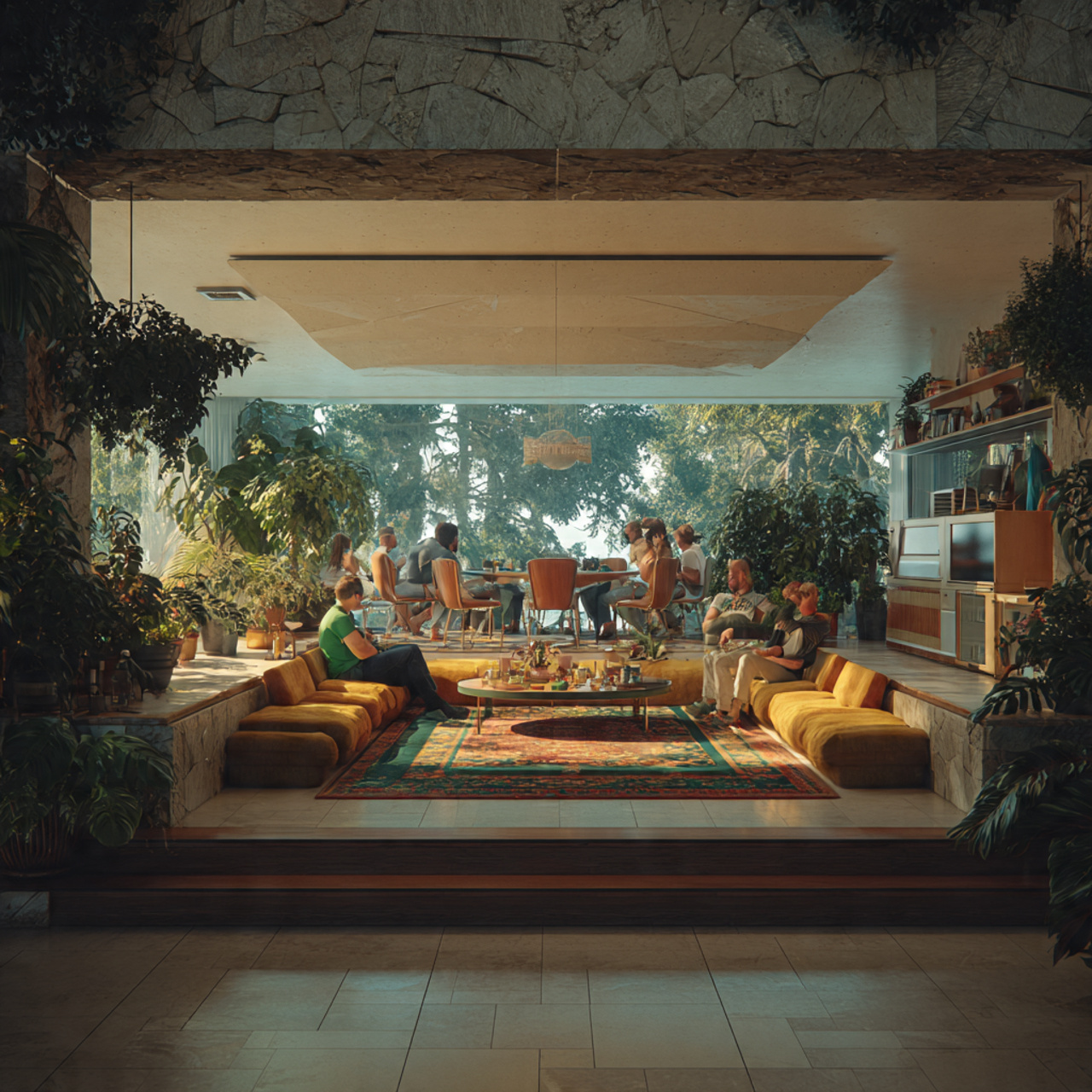
If you have the opportunity to modify your floor plan, creating a sunken lounge area is a bold way to define space. It allows for a clear visual distinction between the dining area and the relaxation zone without the need for walls.
This architectural choice makes the home feel more dynamic and encourages people to linger in the sunken area. It is a true commitment to the seventies lifestyle, where the home was designed specifically for social gatherings and ease of movement.
Fringed Textile Elements
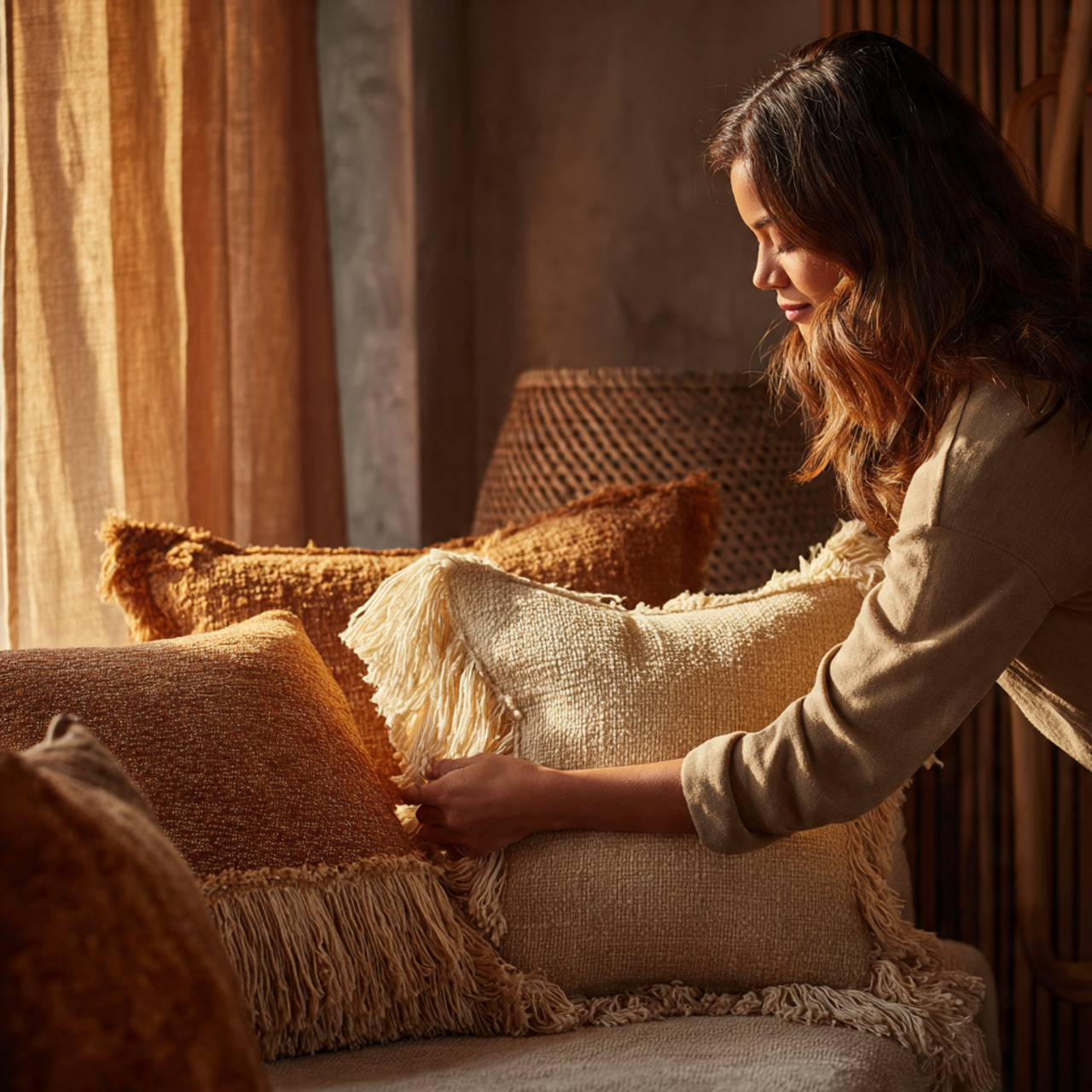
Fringe was a decorative detail found on everything from lampshades to the bottom of sofas during this period. Adding a bit of fringe to your pillows or curtains introduces a sense of movement and a touch of drama to the decor.
These swaying threads catch the light and add a layer of tactile interest that feels both whimsical and intentional. It is a simple way to soften the edges of the room and embrace the more bohemian, free-spirited side of the decade.
Avocado Green Kitchen Transitions
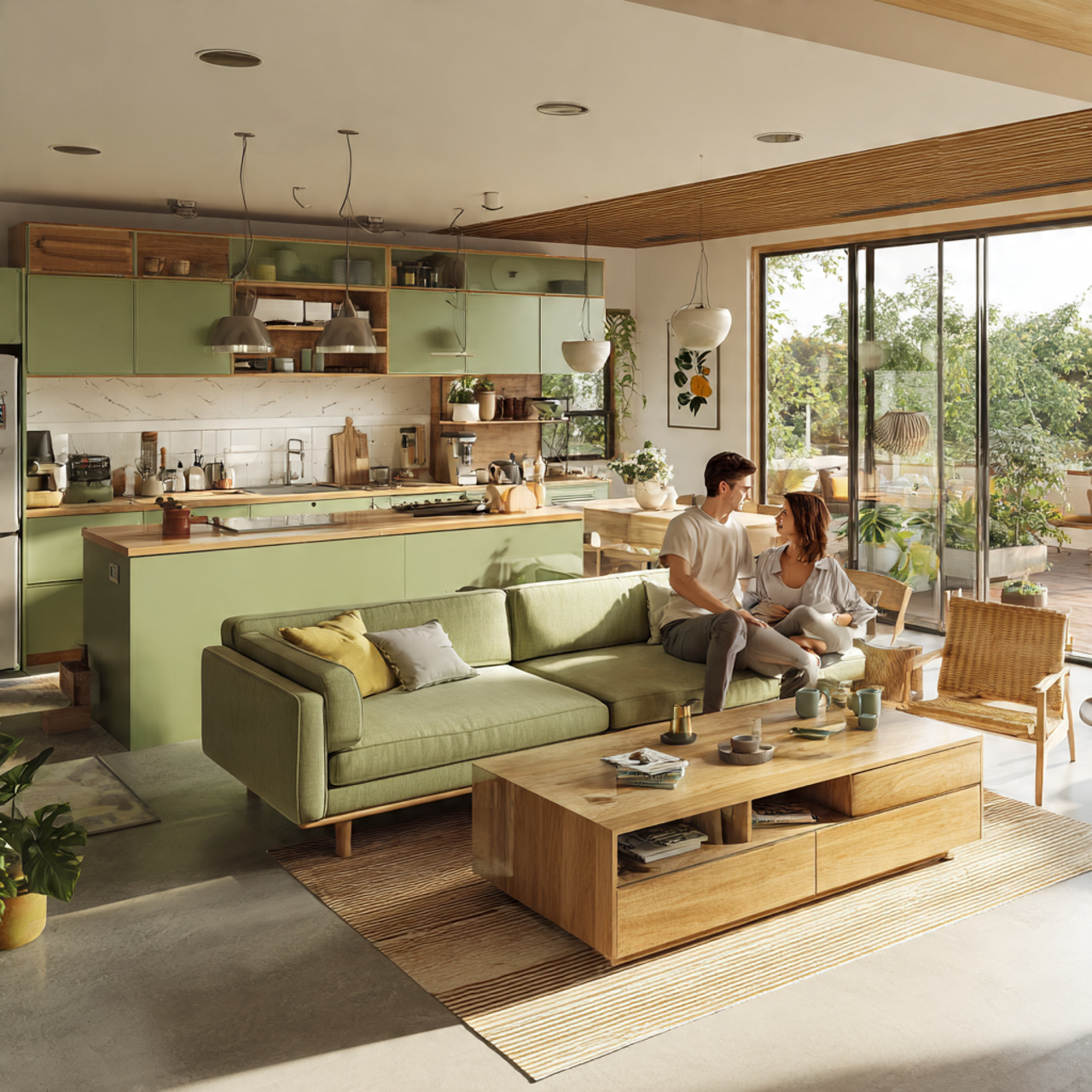
For homes where the living room and kitchen are connected, avocado green is a classic choice for a seamless transition. This iconic shade of green feels fresh and organic, especially when paired with natural wood cabinetry and white accents.
Using this color in the kitchen and carrying it through into living room accessories creates a cohesive flow. It celebrates one of the most famous colors in design history while keeping the space feeling connected to nature.
Terrazzo Tile Flooring
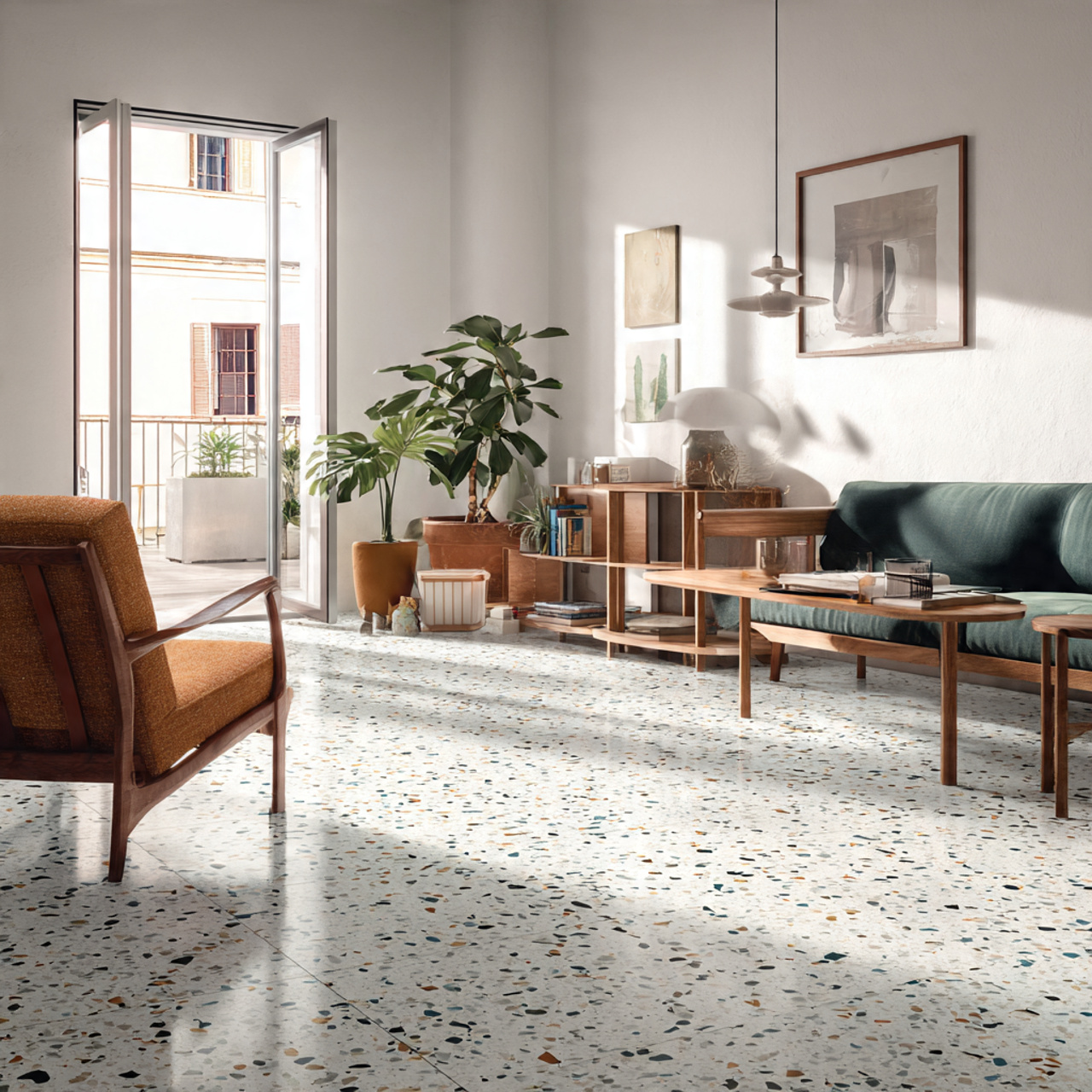
Terrazzo, with its speckled mix of marble and stone chips, offered a durable and artistic flooring solution during the seventies. It provides a busy but beautiful pattern that hides wear and tear while adding a sense of high-end craftsmanship.
Modern terrazzo comes in a wide variety of base colors, allowing you to choose a palette that matches your specific decor. It is a cool, smooth surface that balances out the many soft, fuzzy textures typically found in a retro living room.
Mushroom Shaped Table Lamps
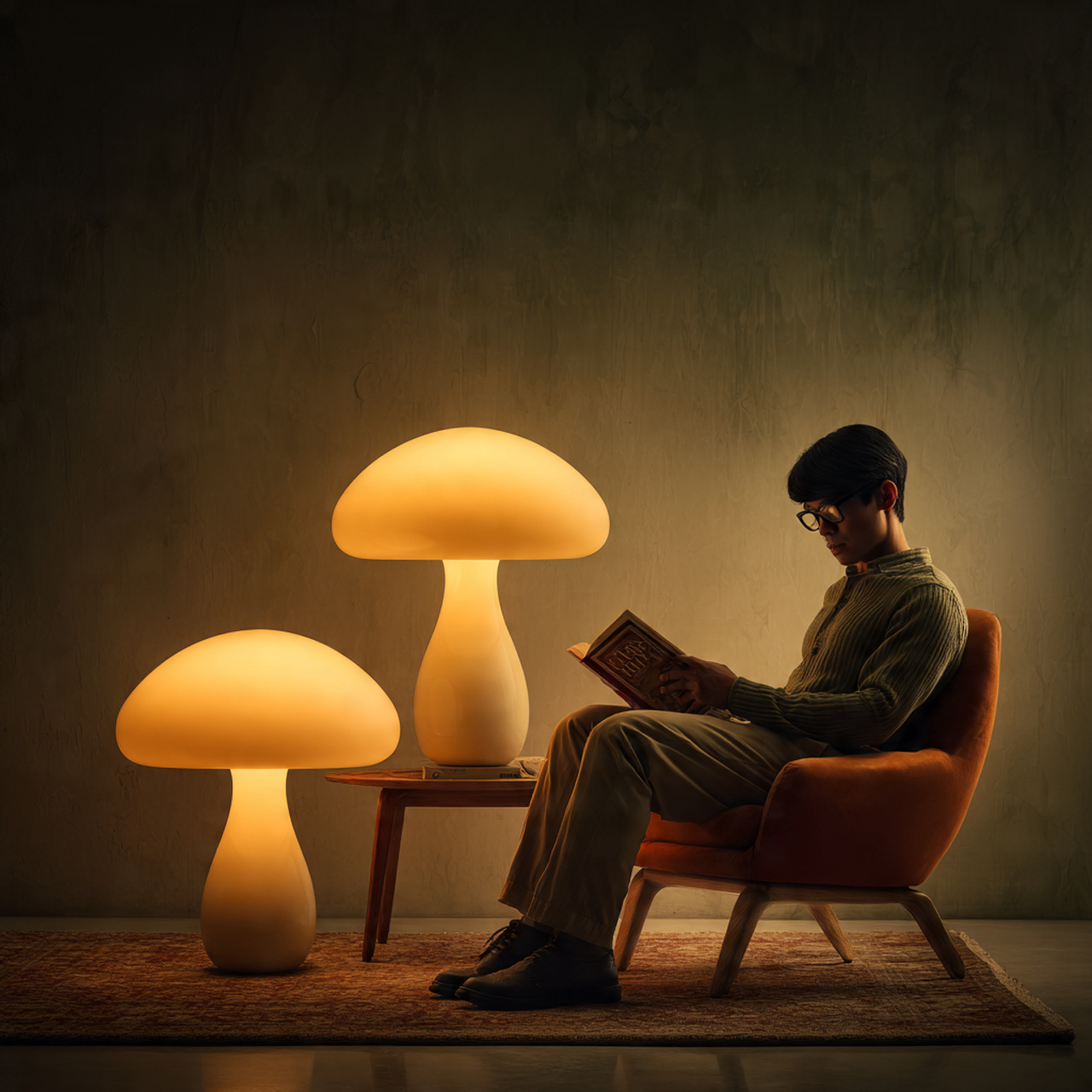
The mushroom lamp, with its wide, rounded top and slender base, is a masterpiece of seventies lighting design. These lamps provide a soft, downward-focused glow that is perfect for creating a cozy reading nook or accenting a side table.
Whether made of frosted glass or colorful plastic, the organic shape feels soft and inviting. It breaks up the straight lines of bookshelves and tables, adding a sculptural element that is as functional as it is beautiful.
Bohemian Floor Pillow Seating
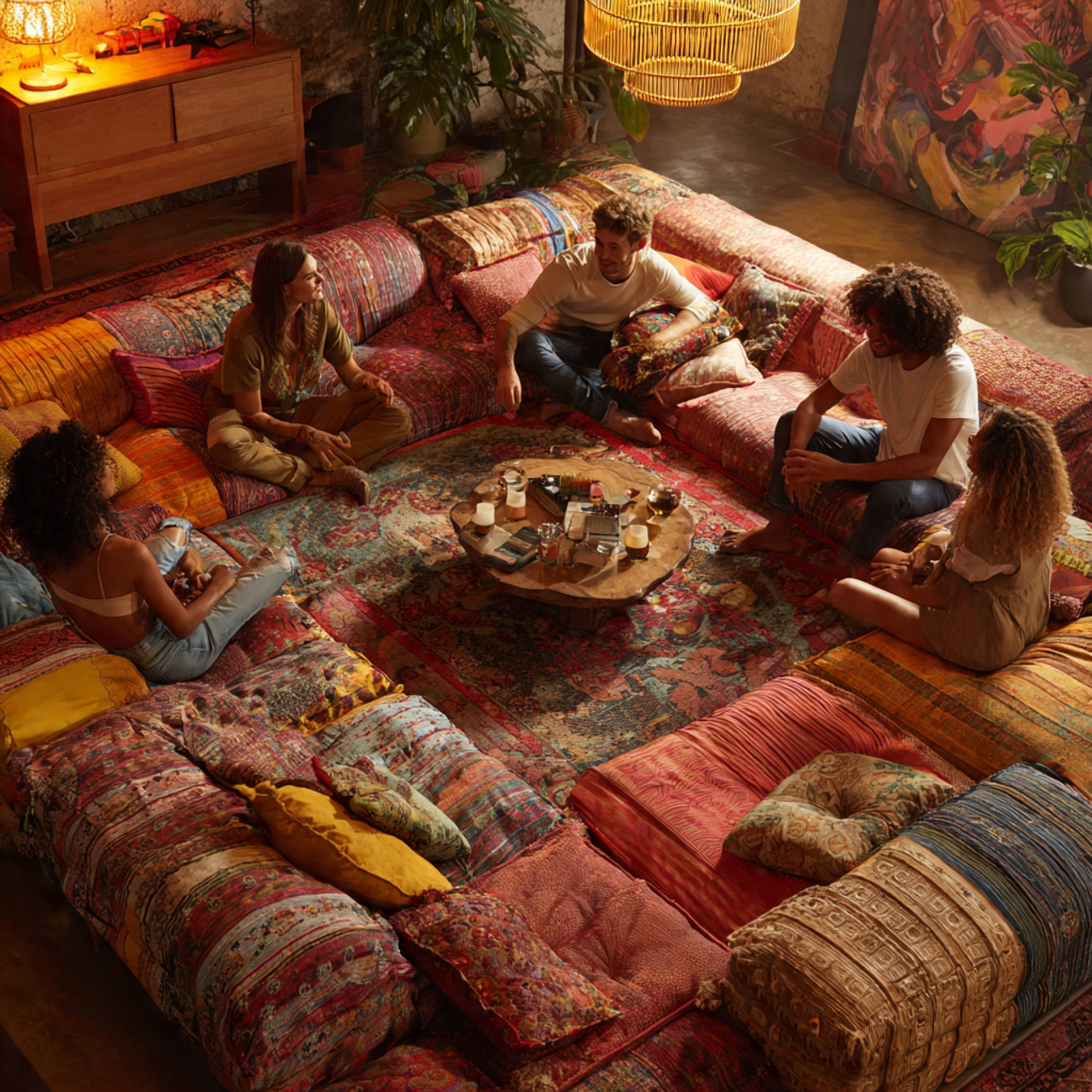
Embracing the floor as a place to sit was a major part of the seventies’ relaxed, communal lifestyle. Oversized floor pillows in ethnic prints or heavy corduroy allow for extra guests to join the circle without the need for bulky chairs.
These pillows can be easily stacked in a corner when not in use, making them a practical solution for smaller spaces. They encourage a more casual, grounded way of interacting that perfectly aligns with the spirit of the era.
FAQs About 70s Living Room Ideas
How can bold patterns be balanced in a retro space?
To prevent large geometric prints from becoming overwhelming, try to keep the rest of your furniture in solid, complementary colors. You can also use the “rule of three” by repeating a specific color from the pattern in other small accents throughout the room. This creates a sense of intentionality and visual rhythm that feels cohesive rather than cluttered.
What are the most iconic color combinations for this era?
The most recognizable palettes typically involve a mix of earthy tones like burnt orange, mustard yellow, and avocado green. These were often paired with deep browns or creams to provide a sense of balance and grounding. For a more glamorous look, you might see these colors mixed with metallic gold or high-contrast black and white graphics.
Which natural materials best represent the seventies aesthetic?
Natural wood like teak and walnut, along with woven fibers like rattan, wicker, and jute, are essential for this look. Stone elements, such as slate or terrazzo, were also frequently used to add a sense of permanence and texture. These materials work together to create a space that feels connected to the earth and full of organic warmth.
How do modern furniture pieces pair with vintage decor?
Modern furniture often shares the clean lines of mid-century design, which makes it a natural partner for seventy-style accents. You can pair a sleek, contemporary sofa with a vintage shag rug or a set of macramé wall hangings for a balanced look. The key is to find common ground in color or material to ensure the different eras feel like they belong together.
Why is lighting so important for creating a nostalgic atmosphere?
Lighting in the seventies was less about general brightness and more about creating a specific mood or “vibe.” Using multiple low-level light sources like mushroom lamps, lava lamps, and pendant lights creates pockets of warmth and shadow. This layered approach makes the room feel more intimate and highlights the various textures and colors you have chosen.
Conclusion
Exploring these diverse 70s living room ideas reveals a decade that was truly unafraid to experiment with color, texture, and form. By integrating these soulful elements into your own home, you can create a sanctuary that feels both nostalgic and perfectly suited for modern life.
The lasting appeal of this era lies in its focus on comfort and personal expression, proving that great design never truly goes out of style. Use these concepts as a foundation for your own creativity, and enjoy the process of crafting a space that is as vibrant and unique as you are.